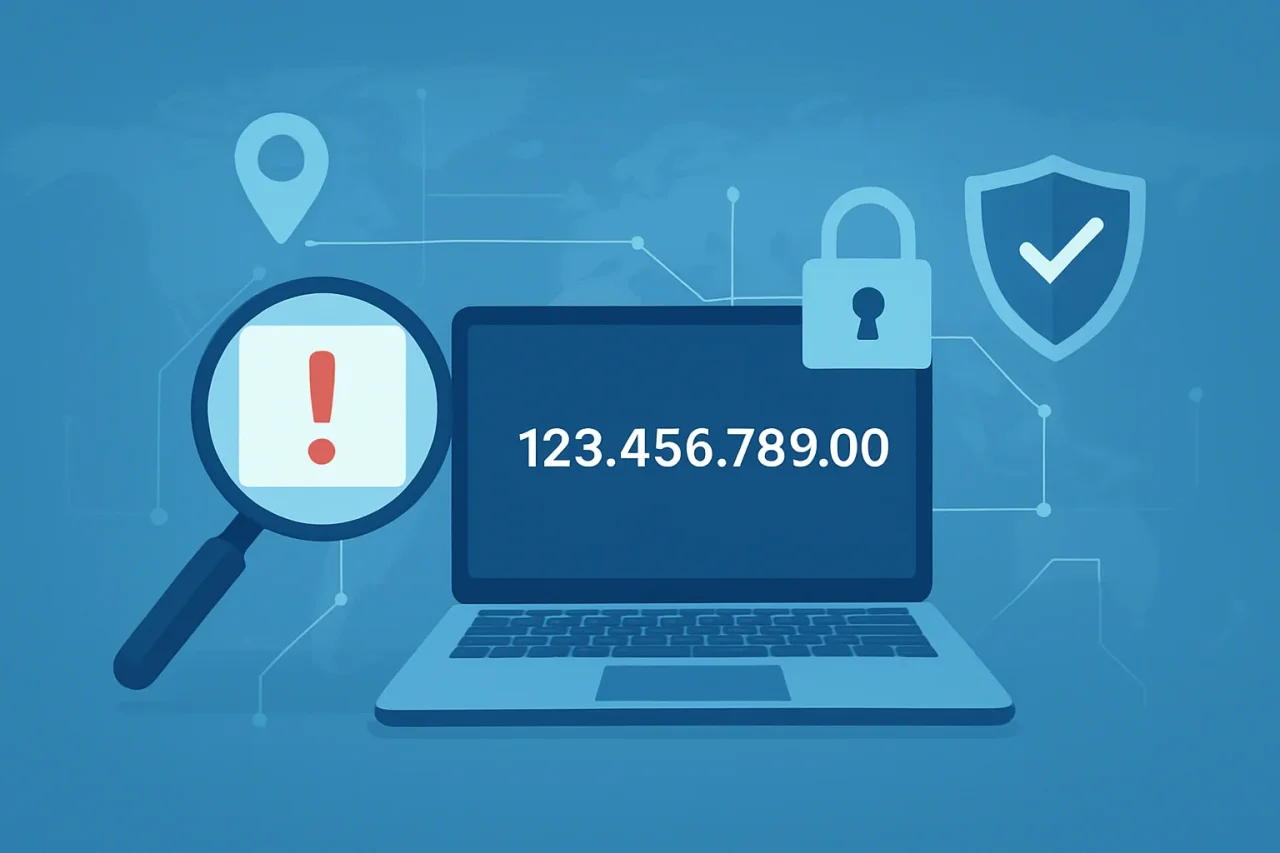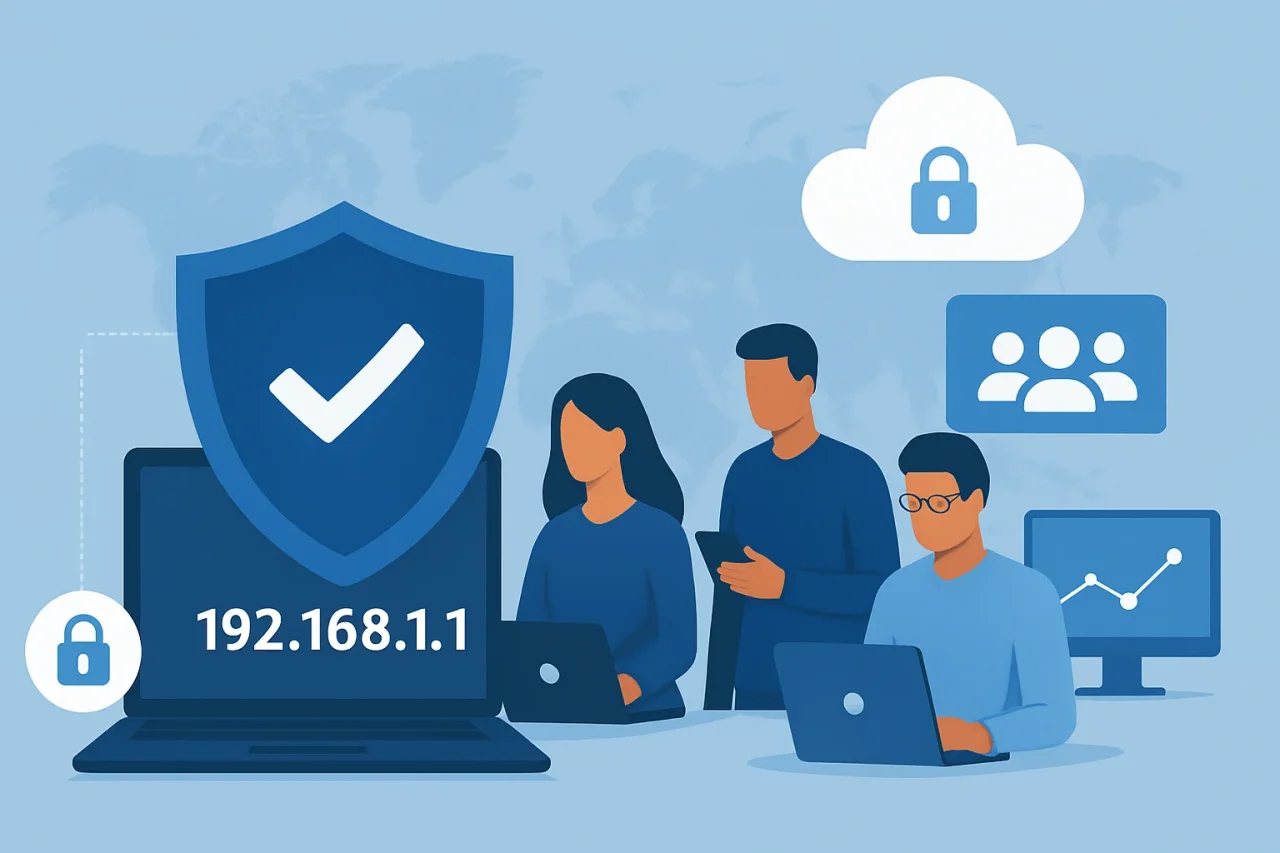

Every visit to your website leaves a digital footprint. Among the most
useful — and most misunderstood — pieces of that data is the visitor's
IP address. It's more than just a string of numbers; it's a window into
where your audience is coming from, how they're connecting, and
occasionally, whether something suspicious is going on.
The way we navigate the internet has fundamentally changed over the last
decade. We used to talk about the web as a destination we visited, but
now, it’s an environment we live in. Every interaction we have, from
signing up for a newsletter to making a purchase, leaves a digital
footprint. As users of platforms like iplocation.net already know, our
data is more visible than we often realize. Honestly, it’s a bit
unsettling when you actually stop to think about it. Protecting that
data isn’t just for the tech-savvy anymore. It’s a necessity for anyone
who wants to keep a semblance of personal privacy in a hyper-connected
world.
Location data has become one of the most decisive forms of evidence in
modern disputes, often answering questions that witnesses, documents, or
CCTV leave unresolved. Across criminal, civil, employment, and personal
injury matters, granular movement trails from phones, vehicles, apps,
and wearables now shape arguments about presence, timing, causation, and
intent.
Digital disputes are no longer decided only by memory, statements, or
written records. A single video file can now reveal what happened, while
its metadata can prove when, where, how, and whether the footage can be
trusted.
A profile photo can spread across many platforms within hours. Someone
may copy it, edit it slightly, and use it for another account. How can
anyone tell where it first appeared? How can someone connect that image
to real profiles?
IP tracking has always been one of the basic building blocks of online
security. Every website visit, login attempt, API request, email header,
and network connection leaves technical signals behind. Among those
signals, the IP address remains one of the most useful starting points
for understanding where traffic may come from, whether it is suspicious,
and how it should be handled.
A 24/7 live stream lets recorded content keep working after it is
published. Instead of relying on a single upload to catch viewers at the
right time, you turn a playlist into a live channel that people can
join whenever they open YouTube, Twitch, or another platform.
Most people know the basic email safety rules. Do not click on unknown
links. Do not download unexpected attachments. Do not share your
password with anyone. These are solid habits, and they work well until
the email arrives in a language you do not understand.
The cybersecurity landscape for small businesses has fundamentally changed. What was once a concern primarily for large enterprises now threatens companies of all sizes, particularly those handling sensitive government data or working within regulated industries. For internet-based companies, the challenge is especially acute: they must balance limited resources against increasingly sophisticated threats while meeting stringent compliance requirements.
At IPLocation.net, we prioritize the privacy and security of our visitors. We want you to feel confident and comfortable when browsing our website. That's why we want to assure you that we do not sell or share any personal information collected from our website.
Your trust is important to us. Whether you're browsing our site for information, or engaging with our content, rest assured that any data you provide remains strictly confidential. We adhere to stringent privacy policies and comply with all relevant regulations to safeguard your information.
Your privacy matters, and we are committed to maintaining the highest standards of data protection. If you have any questions or concerns regarding our privacy practices, please don't hesitate to reach out to us.