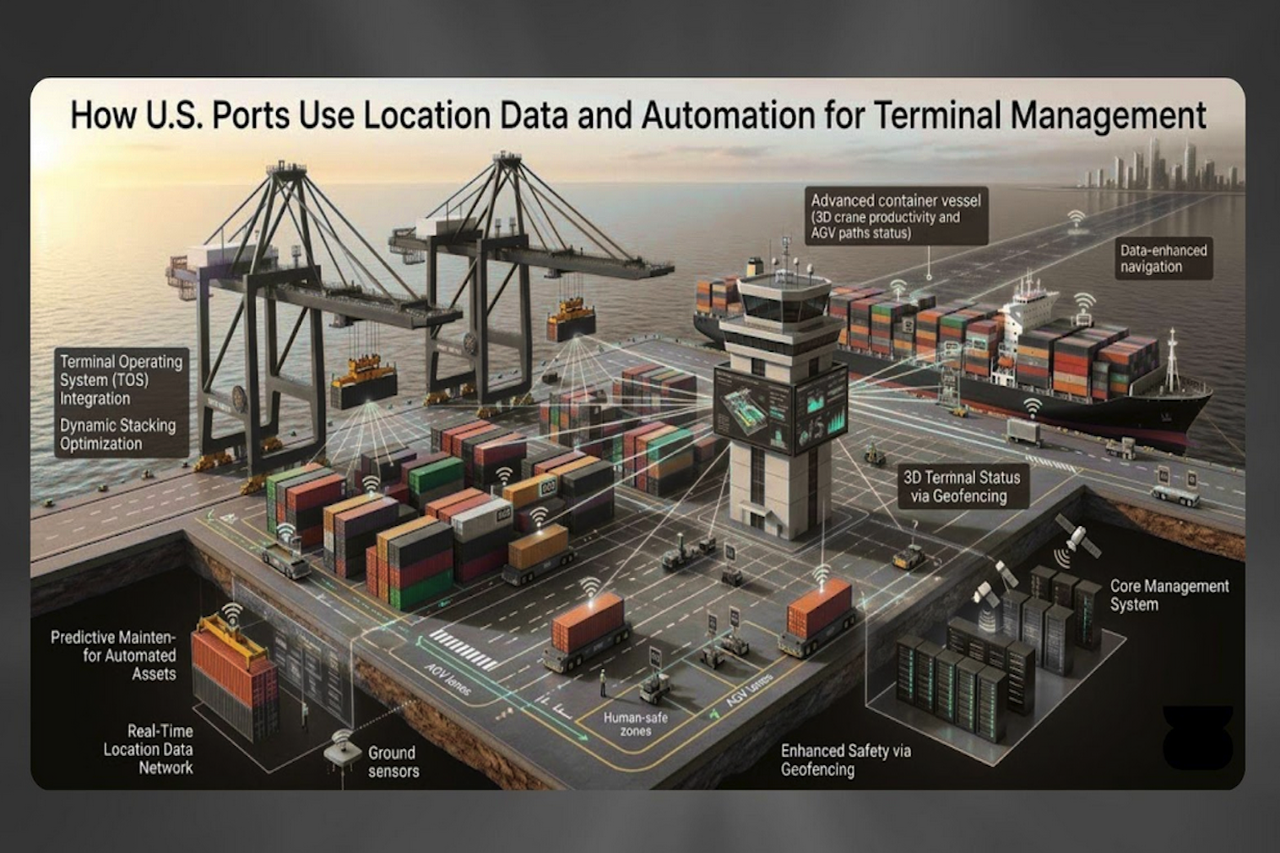

The global smart ports market reached USD 2,746.91 million in 2025 and is on track to reach USD 9,407.33 million by 2035. That is a 13.1% compound annual growth rate through the forecast period.
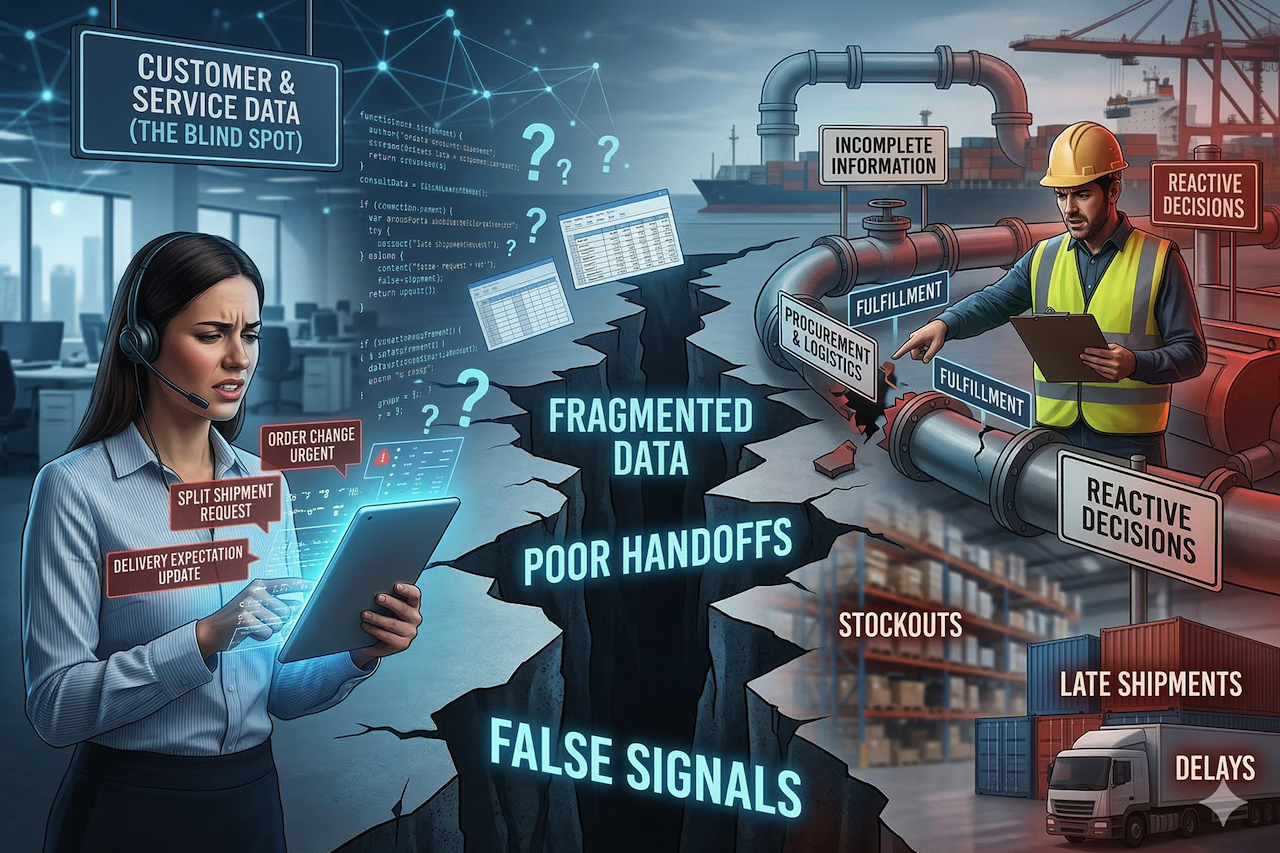
Supply chain teams usually get pulled into the same headline problems: late shipments, stockouts, supplier delays, and rising freight costs. But much of the disruption starts much earlier, in places that do not even look like supply chain work at first glance.
Managing expiration dates and handling recalls can help prevent health risks and build consumer trust, making them important procedures for every food business. It has become easier as businesses use GS1 QR codes to track food expiration dates and recalls. By using these QR codes, companies can store essential information about each food product, accurately track freshness, and respond to recalls instantly. This helps to keep unsafe products off shelves, all accessible with a quick scan. Learn how GS1 digital link QR code standards safeguard food safety and mitigate food-related health risks.
Few delivery moments are more confusing than seeing a “Delivered” status while staring at an empty doorstep. You double-check the address, look around the porch, refresh tracking, and still find nothing. Then comes the realization many shoppers experience at least once: the package may be next door. While this situation feels like a mistake, it is often the result of how modern delivery actually works, especially in dense neighborhoods, apartment complexes, and suburban streets, where efficiency and judgment calls shape the final moments of a delivery.
If the warehouse once symbolized the backbone of logistics, by 2030 it will represent something far more intelligent — a living, learning ecosystem where robots, data, and algorithms work in harmony to move goods with almost zero friction. The traditional warehouse, built for storage, is evolving into a nerve center of global commerce.
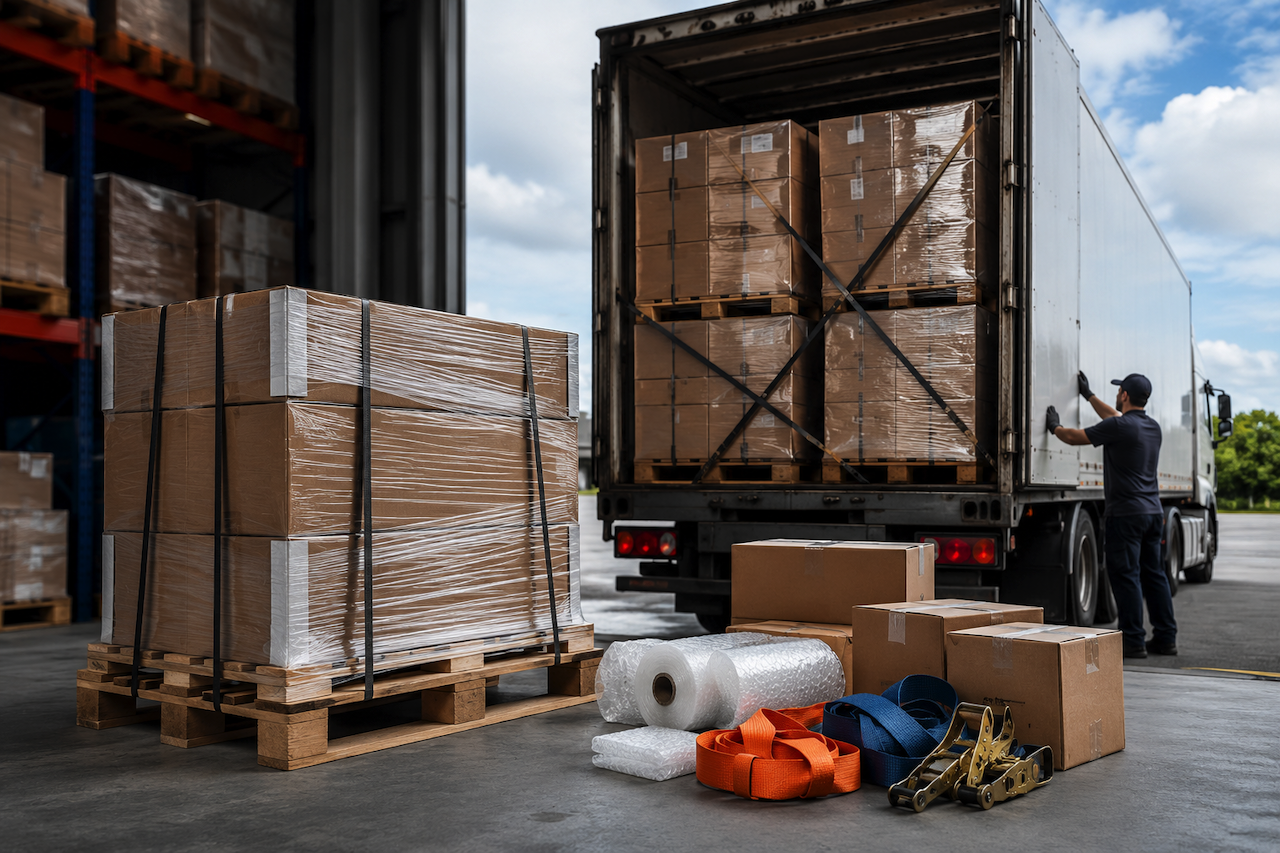
Want to run a successful business? Then fulfillment must be considered. After all, this is one of the most essential parts of running a business. Customers expect fast shipping, clear communication, and a smooth returns process. The former never more so than now, with 90% of global shoppers expecting two- or three-day shipping.
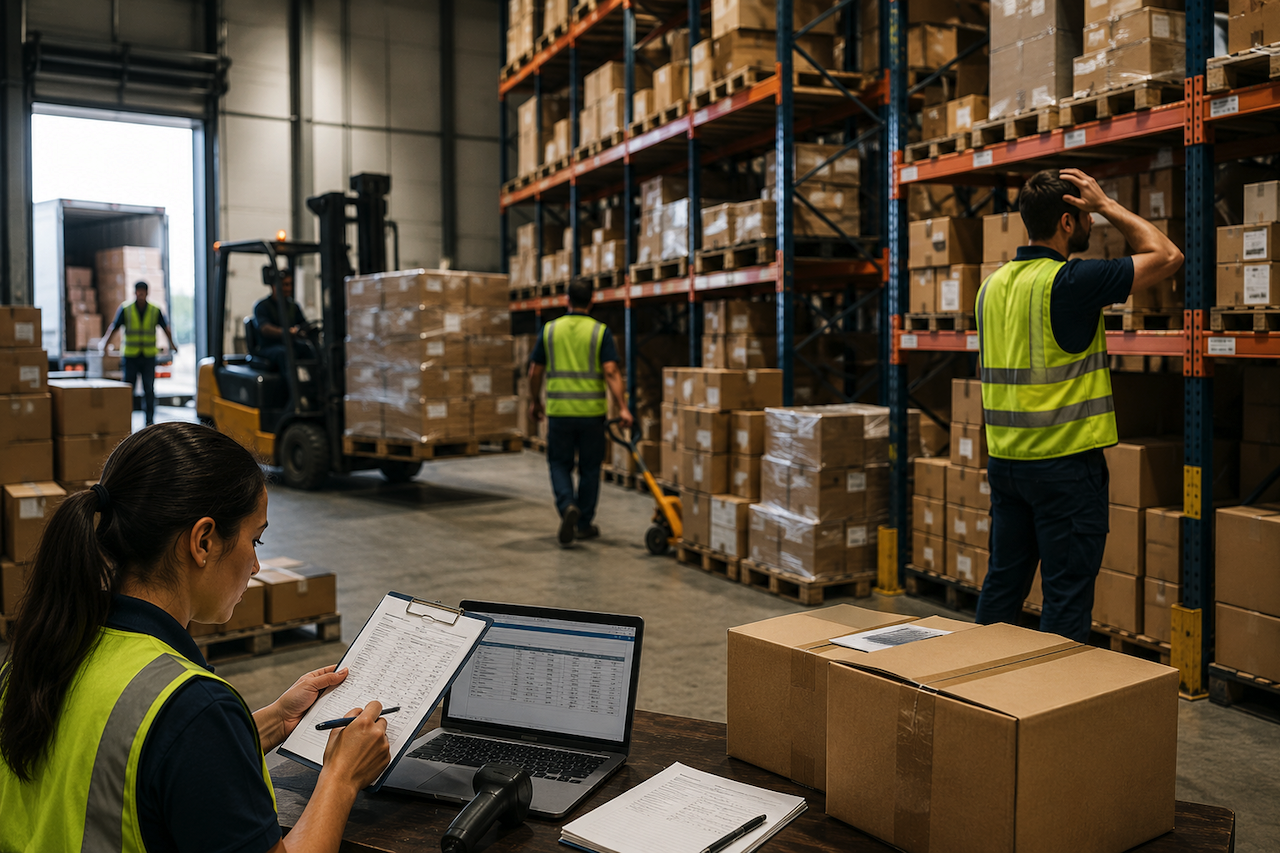
Next-generation analytics leverage scan data, records from warehouse and transport systems, and the timing of each process step to identify which receiving, picking, kitting, or shipping activities are underperforming. Standardized metrics and real-time dashboards across sites and shifts enable more effective performance comparisons. As delivery windows shorten and costs increase, deploying labor and inventory must be more exact.
Have you noticed how products now reach stores and customers faster than ever? That’s because logistics in 2025 has become smarter, more efficient, and deeply connected. Modern logistics integrates technology, automation, and sustainability to move goods quickly and reliably across the globe.
If you’re exploring distribution business software, this comparison provides a clear, B2B-focused overview of seven leading platforms designed to enhance efficiency, visibility, and operational control for modern wholesale distribution teams.
In today’s fast-paced global economy, supply-chain operations are the backbone of business efficiency and customer satisfaction. From sourcing raw materials to delivering finished products, every step in the supply chain must be managed with precision to ensure cost-effectiveness, reliability, and resilience. Companies that invest in optimizing supply-chain operations gain a significant competitive advantage with PLG Supplies in terms of cost savings, speed, and customer trust.