Blog Category


Airport Travel

Travel in 2026 looks dramatically different from what it did just a decade ago. What was once a process filled with paperwork, uncertainty, and inefficiencies has evolved into a streamlined, tech-driven experience. From planning trips with artificial intelligence to breezing through airports with biometric verification, technology is reshaping every stage of the travel journey.

Travel and Hotel Prices

It is a Tuesday afternoon. A revenue analyst at a mid-size online travel agency is refreshing a competitor's hotel listing for a beachfront resort in Cancun. She checks the price from her office laptop in New York: $189 per night. Curious, she asks a colleague in the London office to check the same hotel, same dates, same room type. He reports back: $214. She then pulls out her personal phone -- the one she used last week to search flights to Mexico -- and checks again. The price reads $231.

Sunset Cliff Park

Clear directions are no longer optional in modern travel—they are expected. As travel becomes increasingly mobile-first and self-guided, travelers rely on their smartphones for instant navigation, real-time updates, and seamless experiences. Location QR codes are emerging as a simple yet powerful solution, connecting physical touchpoints like tickets, signage, and itineraries to precise digital maps. By removing friction from navigation, they help travelers arrive confidently, reduce confusion, and transform the overall journey into a smoother, more efficient experience.

Flexible Mobility Solutions

Traveling for longer periods often encourages people to explore beyond the most common tourist routes. Cities, cultural districts, coastal roads, and scenic highways invite visitors to experience destinations at their own pace. Travelers staying for extended periods, as well as residents hosting visiting friends or family, often realize that relying solely on taxis or scheduled transport can limit the ability to move freely and explore multiple areas in a single trip.

Tech Risks

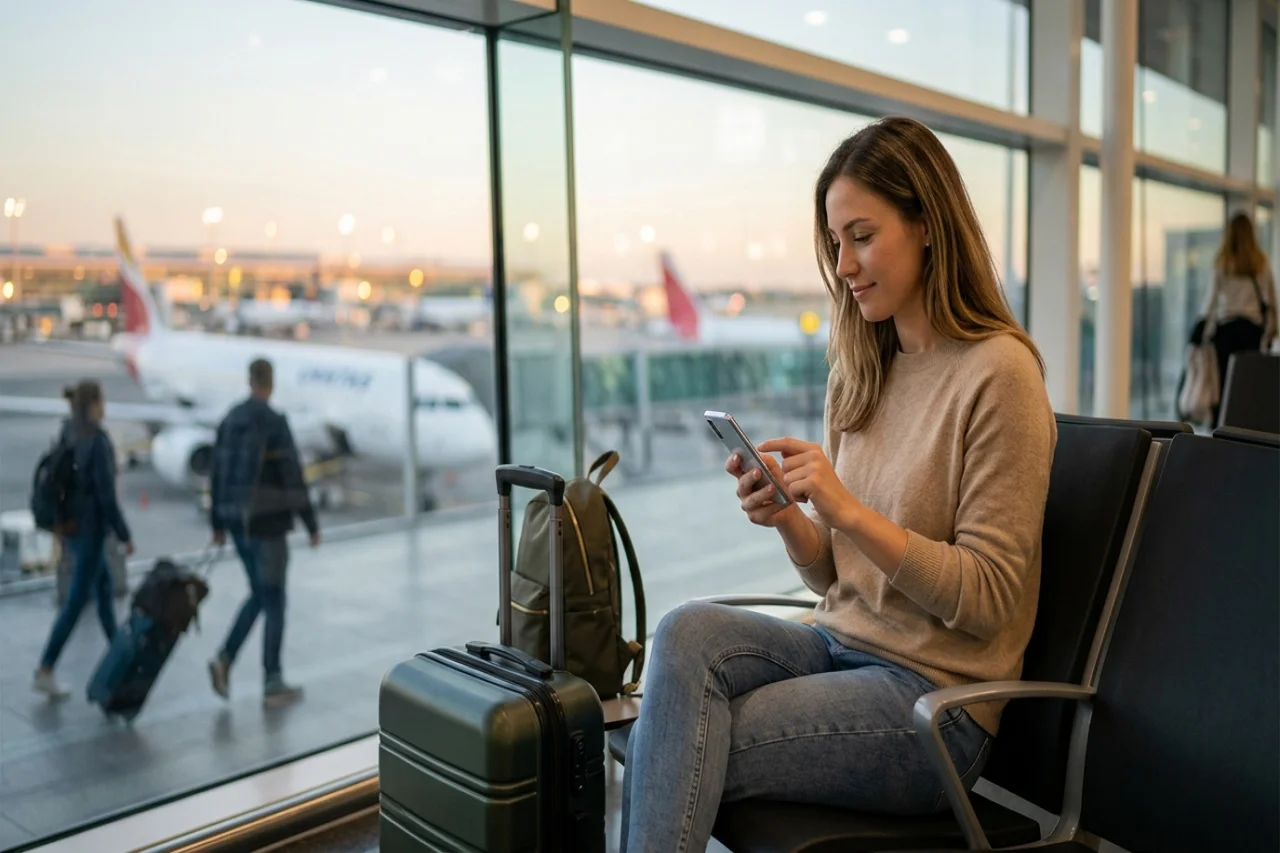
Most people only think about the obvious travel problems. Delayed flights, lost bags, the usual. But the stuff that actually trips people up tends to be much quieter. A glitchy Wi-Fi network, an app that refuses to open because it thinks you’re someone else, or a phone that suddenly won’t receive a security code. The sort of thing you don’t even think about until you’re standing in an airport line, sweating over a login screen that worked fine at home.

Digital Nomad's eSIM plans

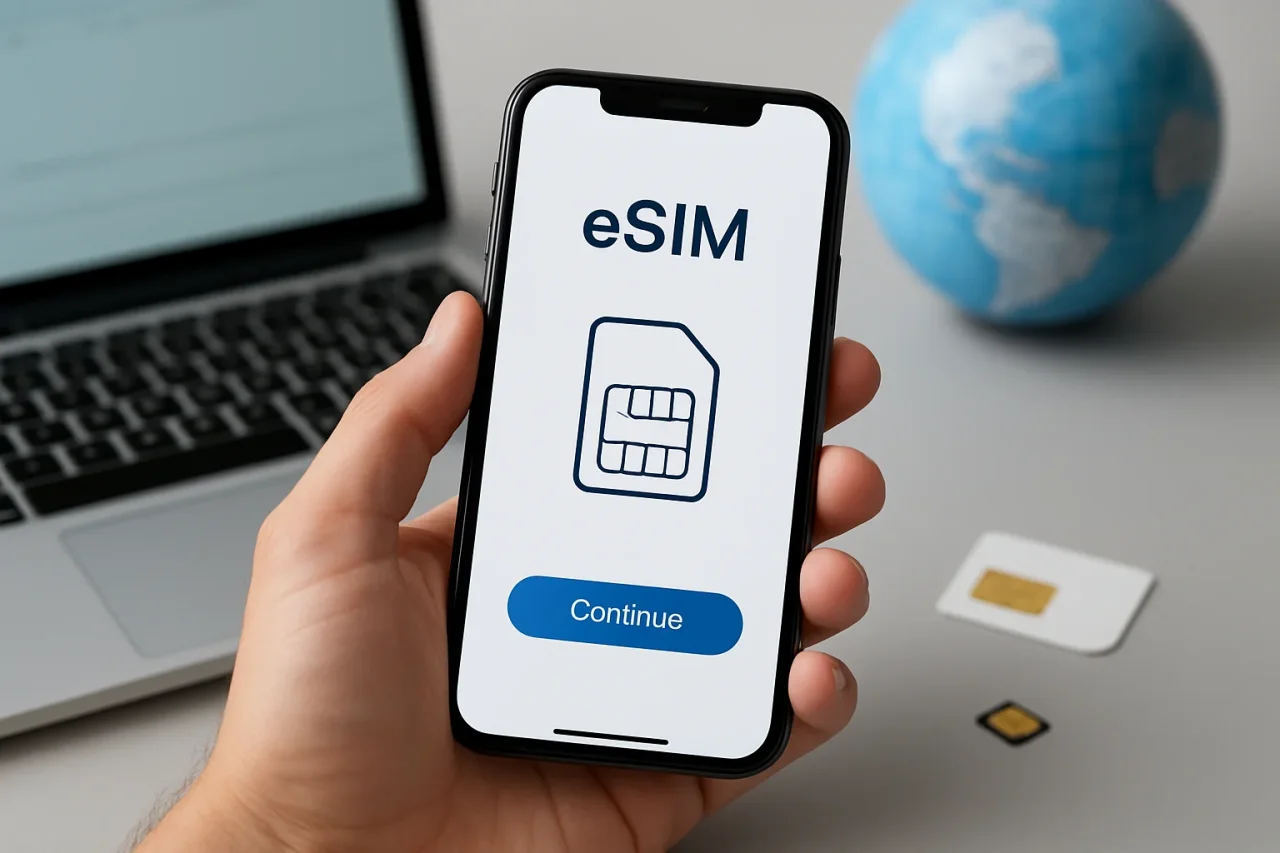
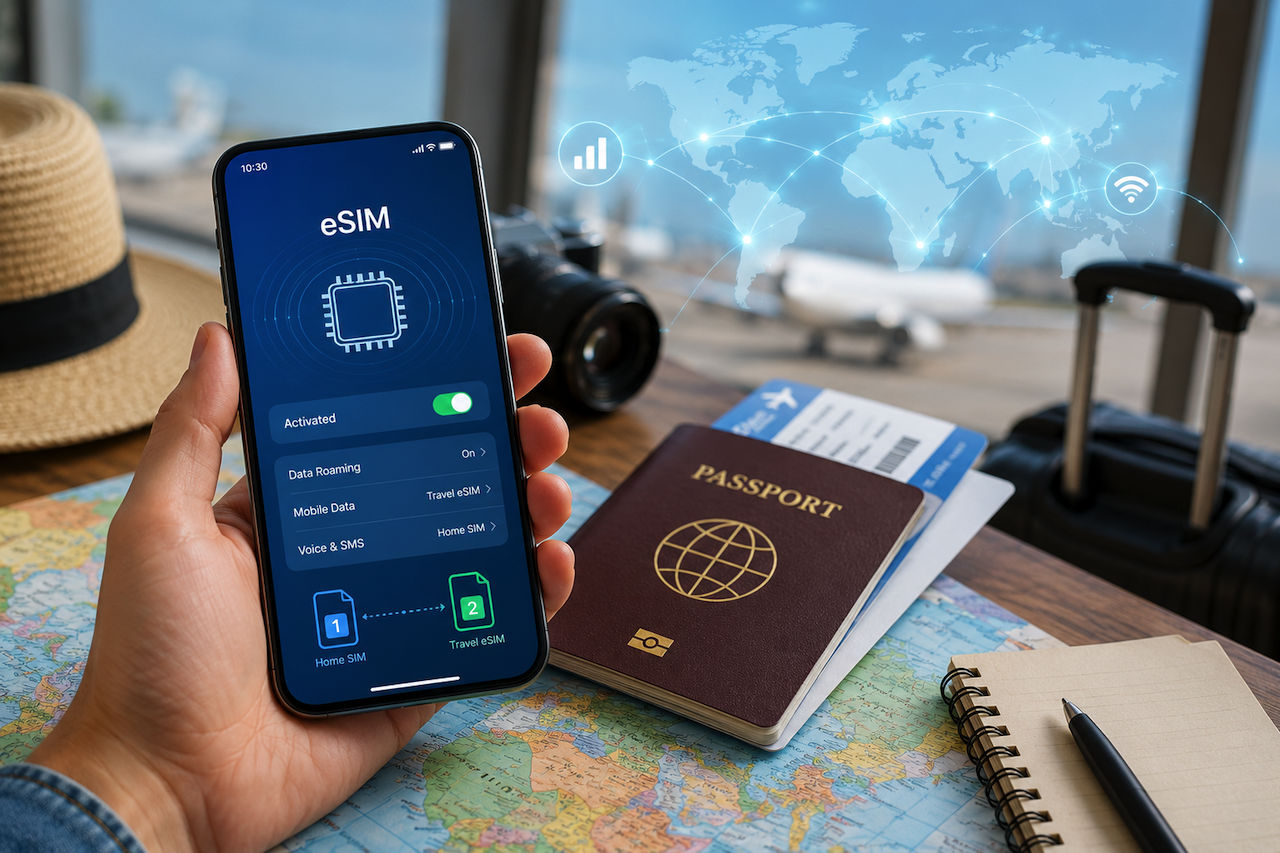
The promise of the digital nomad lifestyle involves working from a beachside cafe in Bali while sipping something with coconut in it. The reality involves spending forty-five minutes trying to connect to Wi-Fi that the barista swears is working fine, watching a loading bar inch forward while a client waits on the other end of a video call that may or may not actually be connected.

SIM Card

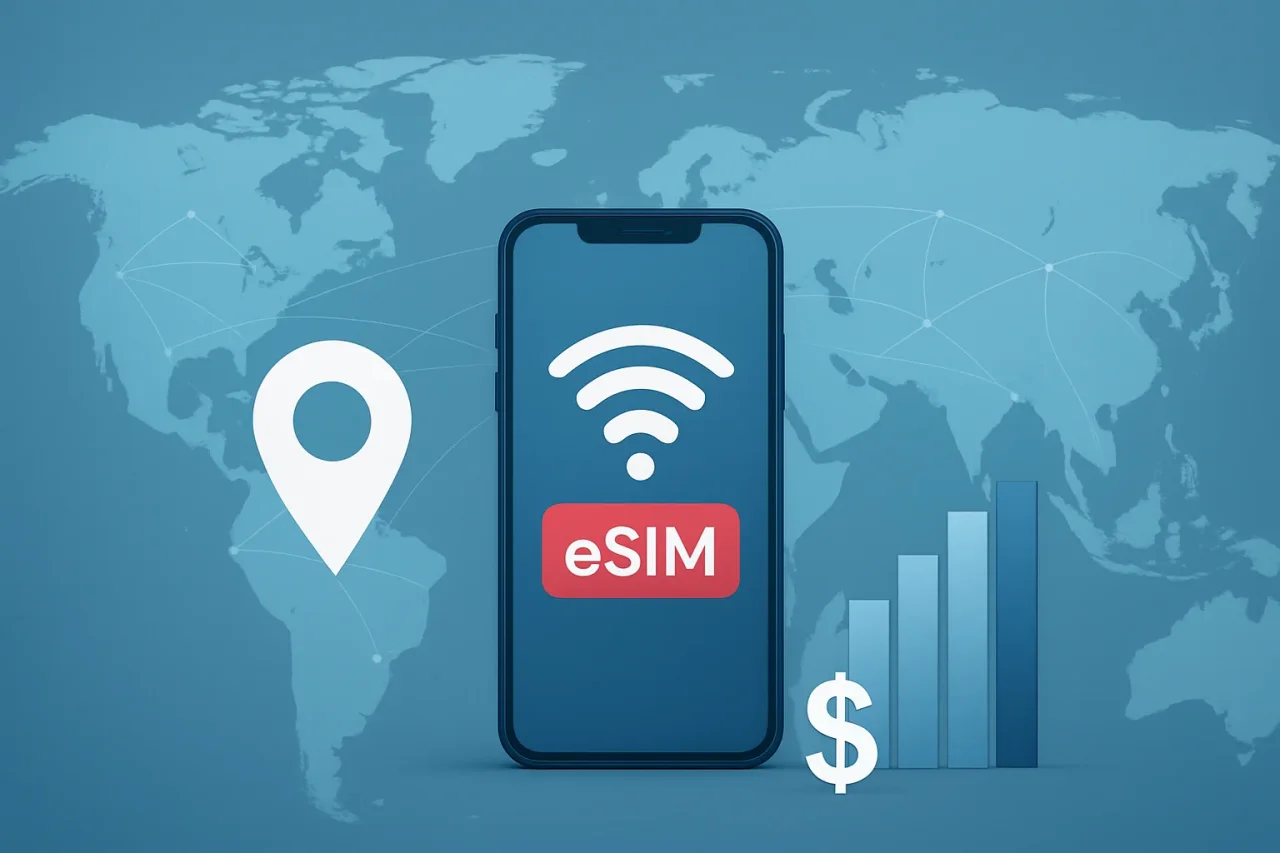
My friend Sarah just got back from Europe with a $3,000 phone bill. She’d clicked “yes” to roaming, assuming it couldn’t be that bad. Turns out streaming video on the train costs more than the actual ticket. She learned the expensive way what every traveler eventually discovers: connectivity math abroad is broken.

B2B Travel Portals

Managing work journeys has become a strategic factor for success in today’s hyper-connected corporate world. Modern B2B travel portals are now essential, offering end-to-end solutions that simplify the complexity of enterprise mobility. Within this landscape, new platforms are re-shaping how companies and employees think about, book, and manage trips.