
Blog Category


Privacy, Location Data, and Online Research: How to Collect Better Insights Without Overreaching

Online research depends on a quiet exchange of trust. People answer surveys, visit websites, compare products, test concepts, and share opinions because they believe their information will be used responsibly. Businesses, in return, rely on that data to decide which markets to enter, which audiences to prioritize, and which ideas deserve investment.

Business cybersecurity and digital privacy

Digital privacy is no longer just a legal checkbox. It is a core business function that touches every department, every customer relationship, and every dollar on your balance sheet. Companies that treat privacy as an afterthought are learning a hard lesson: the cost of neglect consistently and significantly outweighs the cost of getting it right from the start.

Secure data erasure process

All used phones and tablets contain personal data belonging to previous owners. Photos, passwords, banking information, emails, and work-related files can remain on devices after trade-ins or returns. If refurbishment businesses do not properly remove this information before resale, customer privacy and data security can become major concerns.

2026 privacy law compliance and data protection

As we approach 2026, businesses worldwide are bracing for a new wave of privacy regulations designed to enhance consumer data protection. These laws, while crucial for safeguarding personal information, bring a complex set of compliance challenges that vary across regions and industries. For organizations operating in the B2B sector, the key question is how to adapt to these changes without sacrificing operational efficiency or innovation.

Secure digital communication and privacy illustration with encrypted messaging icons

The way people communicate has changed more in the past decade than in the previous century combined. From encrypted messaging apps to AI-powered virtual assistants, digital communication tools have woven themselves into the fabric of daily life, both professional and personal. But as these technologies grow more sophisticated, so do the questions surrounding them. Who owns your messages? Where is your data stored? And perhaps most urgently: who else can read what you write?

IP address privacy and tracking illustration on laptop screen

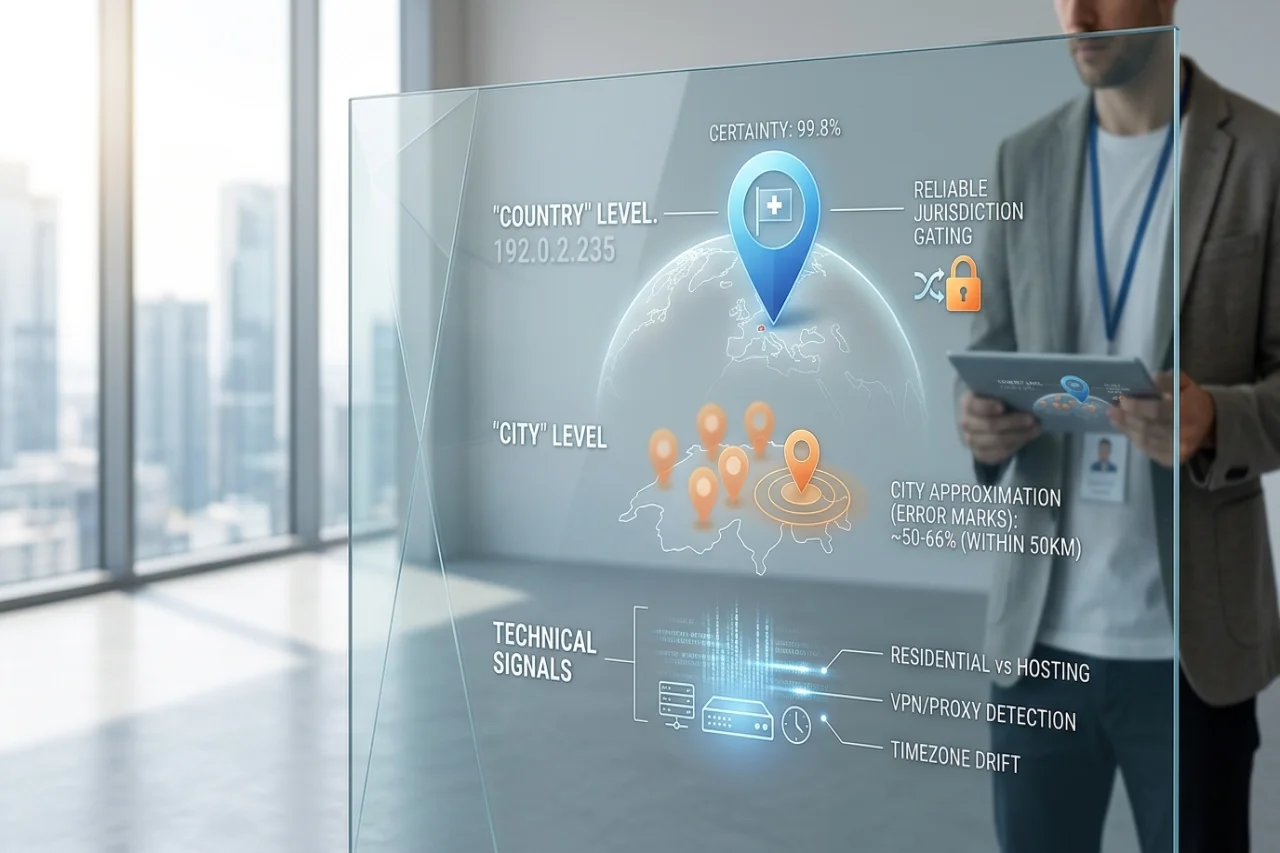
There is a standard reassurance that circulates whenever IP addresses come up in privacy discussions: your IP does not reveal your identity. Technically, that is true. Your IP address, on its own, does not contain your name, email address, or home address. What it does contain, however, is far more useful to the people who collect it than that framing suggests.

Privacy protection on smartphone screen

The way we navigate the internet has fundamentally changed over the last decade. We used to talk about the web as a destination we visited, but now, it’s an environment we live in. Every interaction we have, from signing up for a newsletter to making a purchase, leaves a digital footprint. As users of platforms like iplocation.net already know, our data is more visible than we often realize. Honestly, it’s a bit unsettling when you actually stop to think about it. Protecting that data isn’t just for the tech-savvy anymore. It’s a necessity for anyone who wants to keep a semblance of personal privacy in a hyper-connected world.