
Blog Category


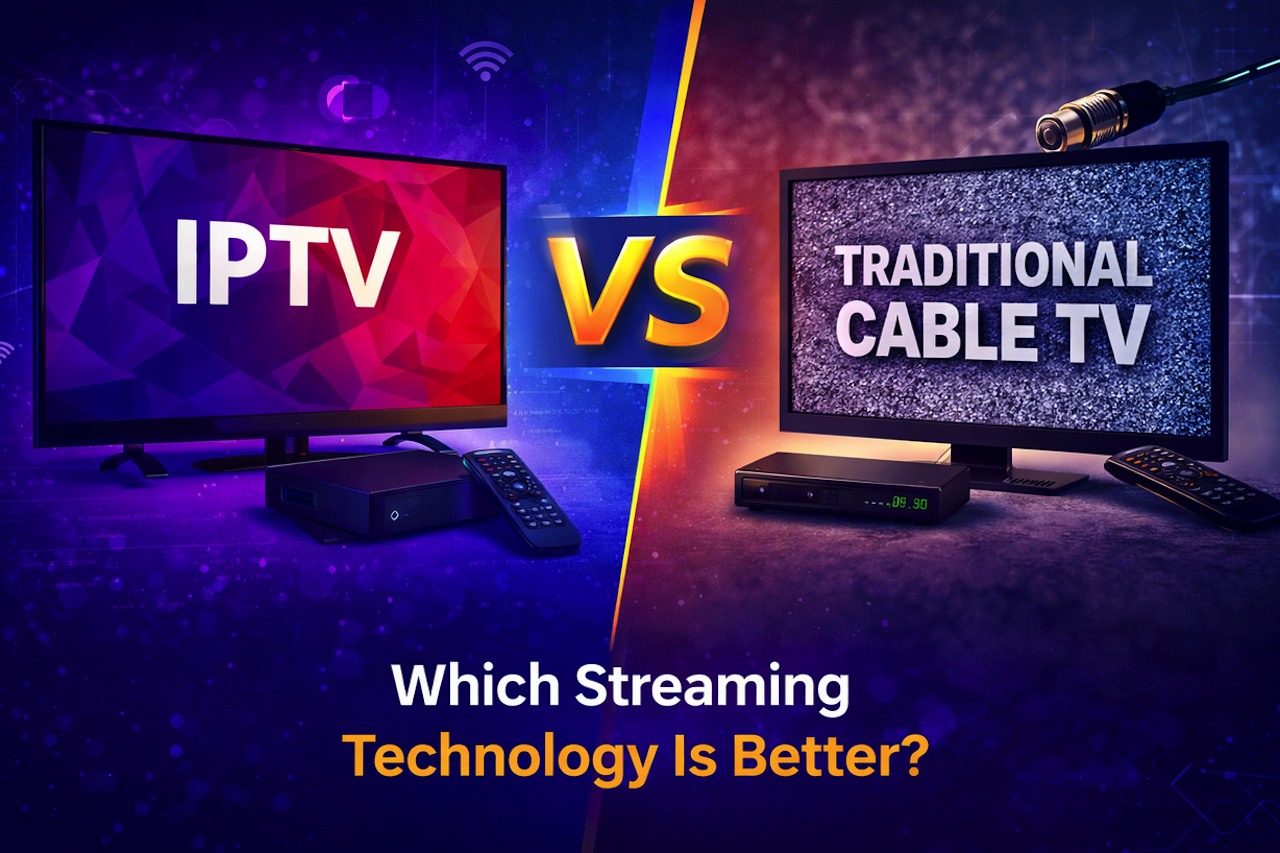
IPTV vs Traditional Cable TV: Which Streaming Technology Is Better?

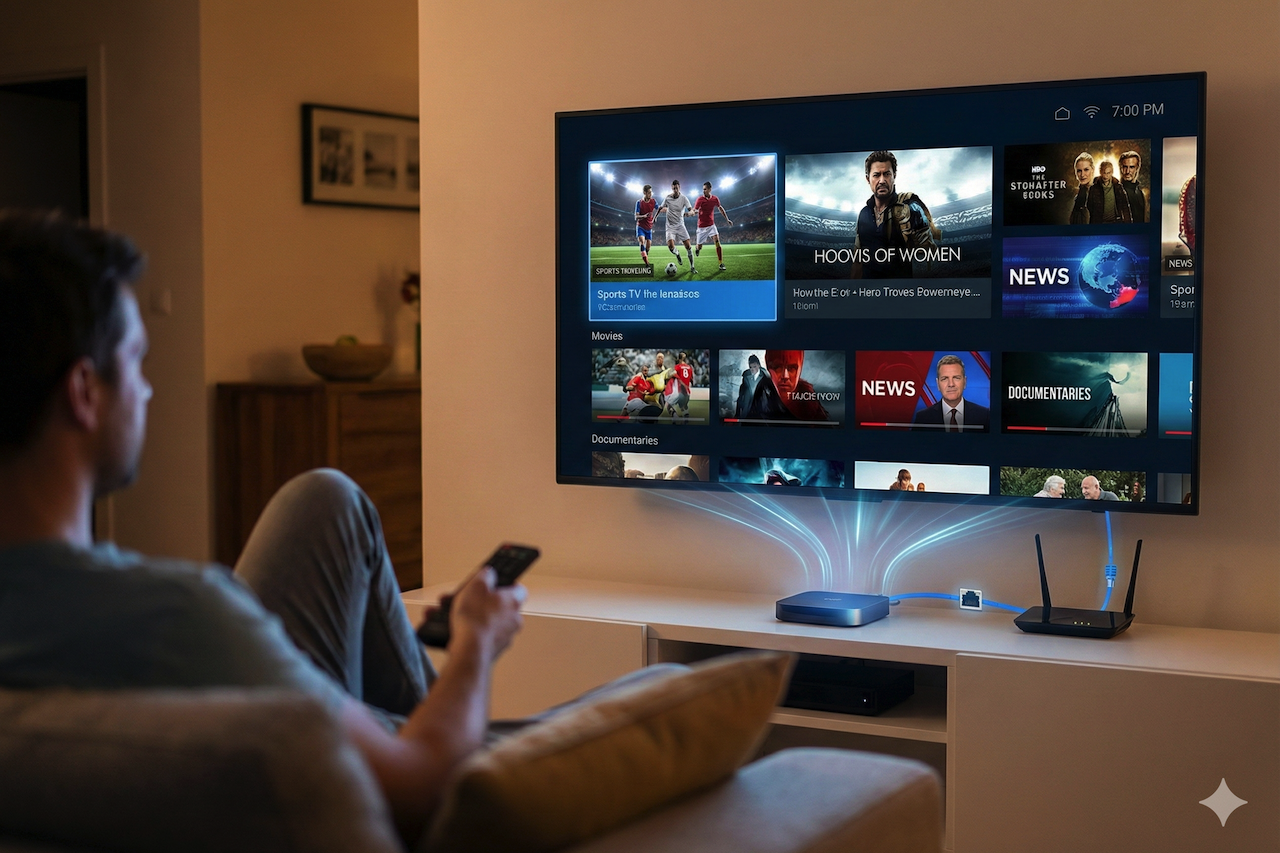
The way people watch television has changed dramatically over the last decade. For many years, traditional cable TV dominated the entertainment industry, delivering hundreds of channels through coaxial cable infrastructure. However, with the rise of high-speed internet and modern streaming technologies, a new method of delivering television content has emerged: IPTV (Internet Protocol Television).

IPTV

Let’s be honest: the way we watch TV has changed forever. The days of being tied to a bulky cable box with a long-term contract feel increasingly outdated. Today, most viewers are looking for more freedom, better variety, and stronger value. This shift is exactly why IPTV has moved from a niche option for tech enthusiasts to a widely discussed alternative across online communities, workplaces, and everyday conversations.

IPTV

Modern audiences have become early adopters of digital technology. From smart home devices to high-speed internet connections, households increasingly expect flexibility and control over how they consume entertainment. Traditional TV subscriptions—with rigid bundles, fixed schedules, and rising costs—are quickly becoming outdated. Today’s viewers want choice, which is why IPTV has evolved from a niche option for tech enthusiasts into a mainstream alternative for everyday streaming.

Mobile App Live TV

Mobile streaming applications have become a widely discussed way for users to access live television and entertainment content on smartphones and tablets. As digital consumption habits evolve, many people explore app-based platforms to watch news, sports highlights, music channels, and entertainment programming while on the go.

Video Downloader

In today’s digital world, entertainment follows us everywhere we go. Whether it’s a film on a flight, a tutorial during a commute, or music for a weekend getaway, offline viewing has become a necessity rather than a luxury. Modern video-downloading apps promise to make this process seamless but how usable are they in reality? From interface design to privacy controls, usability plays a major role in determining which apps deliver convenience and which frustrate their users.

IPTV

Over the last 10 years, there has been a significant change in the consumption of television in the United States. The old cable television is slowly losing its hold, and the use of IPTV (Internet Protocol Television) has become an adaptable, low-cost alternative. IPTV provider enables users to stream real-time TV stations, films, and on-demand media on the internet at a fraction of the cost of cable subscriptions. There are hundreds of licensed and unlicensed IPTV providers, and in such a scenario, it is difficult to select the appropriate one. We will provide details in this guide on the best IPTV providers in the USA in the year 2025, how the IPTV system operates, the legal aspects of the same, and how you can safely purchase IPTV.

IPTV

Searching for the best possible IPTV services that will not frustrate you with a frozen screen when you want to see the game on your display? It has happened to us all, whether it is spinning wheels, buffering, or the dreadful no signal message. The great aspect about it is that you could find many IPTV providers on the market that will offer crystal-clear picture quality and stable and smooth (without lag) transmission of the live broadcast.

Streaming a movie

Watching films is a favorite way to relax, but many viewers face buffering, high data consumption, or compatibility issues with certain devices. While major services such as Netflix and Showmax dominate the market, Android users often explore alternatives that are lighter on data and easier to run across different devices. One example is ElephTV, which is designed to provide smoother playback and broader compatibility compared to some mainstream platforms.

Escape Room

The entertainment industry is evolving at breakneck speed, and escape rooms are no exception. What began as simple puzzle games have now become high-tech adventures, immersing players in worlds where innovation and interactivity reign supreme. Driving this evolution is tech-driven design — a game-changer that reshapes how players interact with physical spaces, storylines, and real-time feedback.