
Slides are not just creative projects. They are tools for decisions.
Workplace tools that signal availability, such as a busy light, can serve as practical instruments for enforcing cognitive boundaries in environments characterized by constant stimuli. In contemporary offices and remote setups, sustained attention is no longer a default condition but a managed resource. Structured workplace technologies and workflow strategies help convert abstract focus principles into practical control mechanisms.
If you think too much screen time is the only cause for digital overwhelm, think again. In reality, it's the build-up of inputs, decisions, alerts, and incomplete tasks that quietly erodes your mood, concentration, and productivity. To reboot, you don’t need another digital detox weekend. You need a deliberate approach that changes how your brain responds to the online world you are connected to.
In today’s highly connected business environment, whether meetings are held in person, online, or in a hybrid format, meetings are a critical part of executing strategy. Inefficient meetings do not just waste time and resources; they can also slow down overall project progress.
Have you ever tried searching for specific information in a PDF only to find that nothing happens when you press Ctrl+F? This frustrating situation occurs when you're working with a non-searchable PDF, which is essentially just an image of text rather than actual text that your computer can read. These files often come from scanned documents or photos saved as PDFs.
Hiring people sounds simple on paper. A role opens up, resumes arrive, interviews happen, and someone joins. In reality, the process is often messy and time-consuming. Work deadlines do not wait, projects need hands on the ground, and internal teams are already stretched thin. Seasonal demand, urgent initiatives, and compliance requirements add even more pressure.
Live chat is now the top way customers like to get help from businesses. Good chat skills help turn basic conversations into great customer experiences.
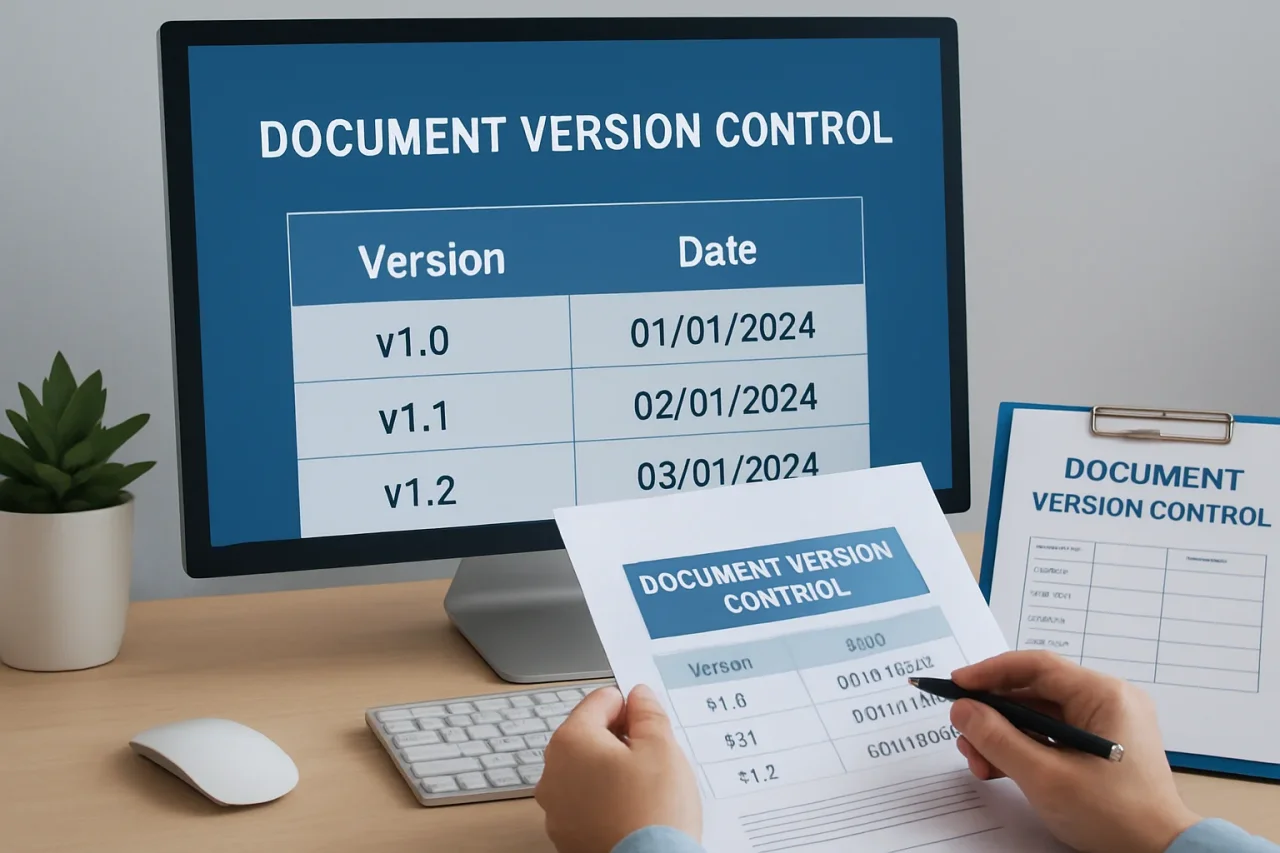
Three people are simultaneously editing a proposal. Two more leaving comments. Someone made changes nobody approved. Another person is working off yesterday's version because they didn't refresh. By the time the document reaches final review, nobody's entirely sure what changed, when, or whether all feedback was addressed.
A task drifts for a day because no one knew who would make the next move. A teammate goes quiet for an afternoon, not because they’re checked out but because they’re juggling too many tools and can’t find the files they need. These delays feel harmless in the moment until they stack up and slow everything down.
Communication is not a soft skill in the fast-paced product development world; it is the backbone of successful product management. Tremendous technical knowledge, strong business skills, and a clear product vision may never reach their full potential without a solid understanding of effective communication. Even the brightest ideas can fail without it. Communication shapes how smoothly a product moves from concept to launch, influencing stakeholders and aligning cross-functional teams throughout the process.