June 19, 2026
by Olivia

The phone buzzes. Unknown number. An area code you'd swear you've never seen. You let it ring out, but the question's already stuck in your head. Who is this? And where are they even calling from?
June 9, 2026
by Ethan David
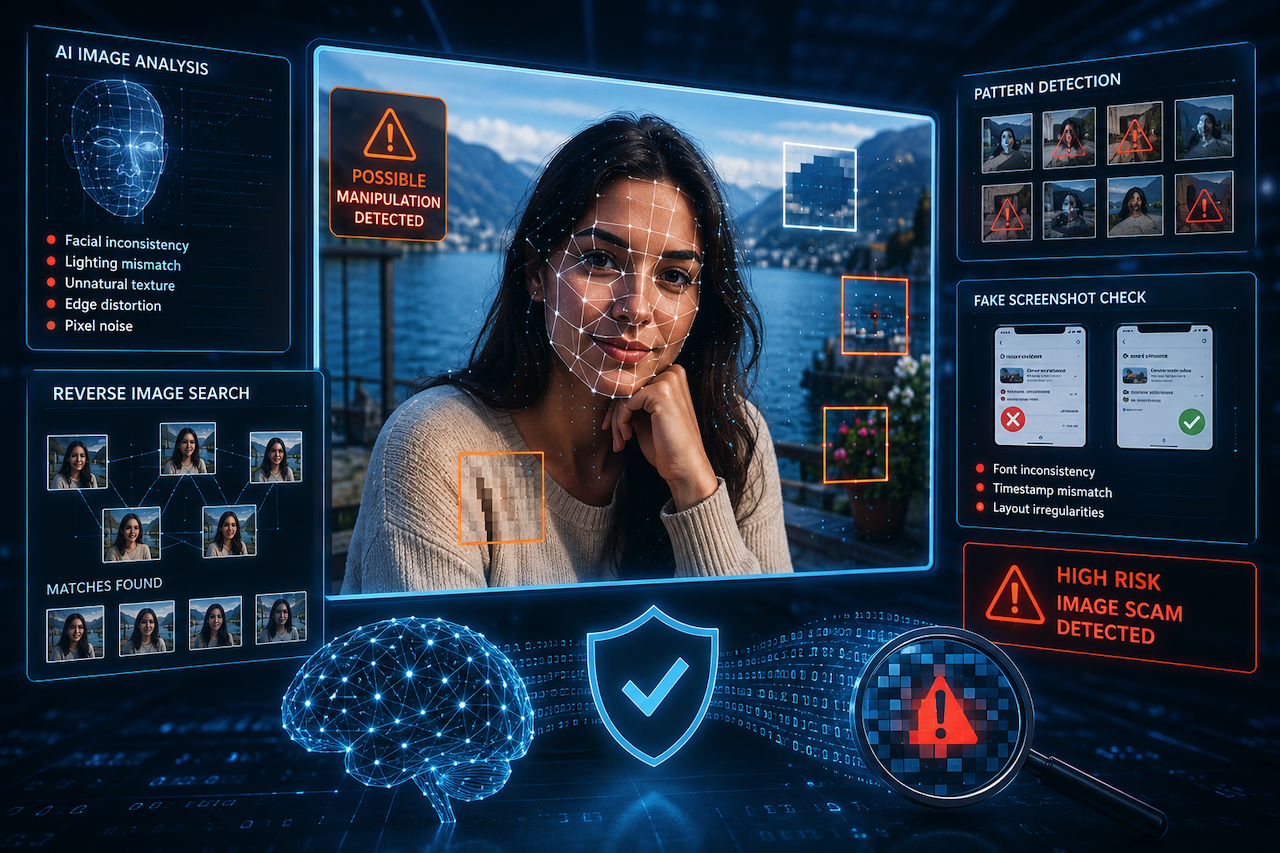
Image scams nowadays are more common than you might imagine.
May 29, 2026
by IP Location

Identity theft is no longer a distant threat that happens to someone
else. It has become one of the most pervasive and financially damaging
crimes facing American consumers. As criminals gain access to more
personal information through data breaches, phishing attacks, and online
scams, the process of recovering from identity theft has become
increa...
May 29, 2026
by Jana Radojcic
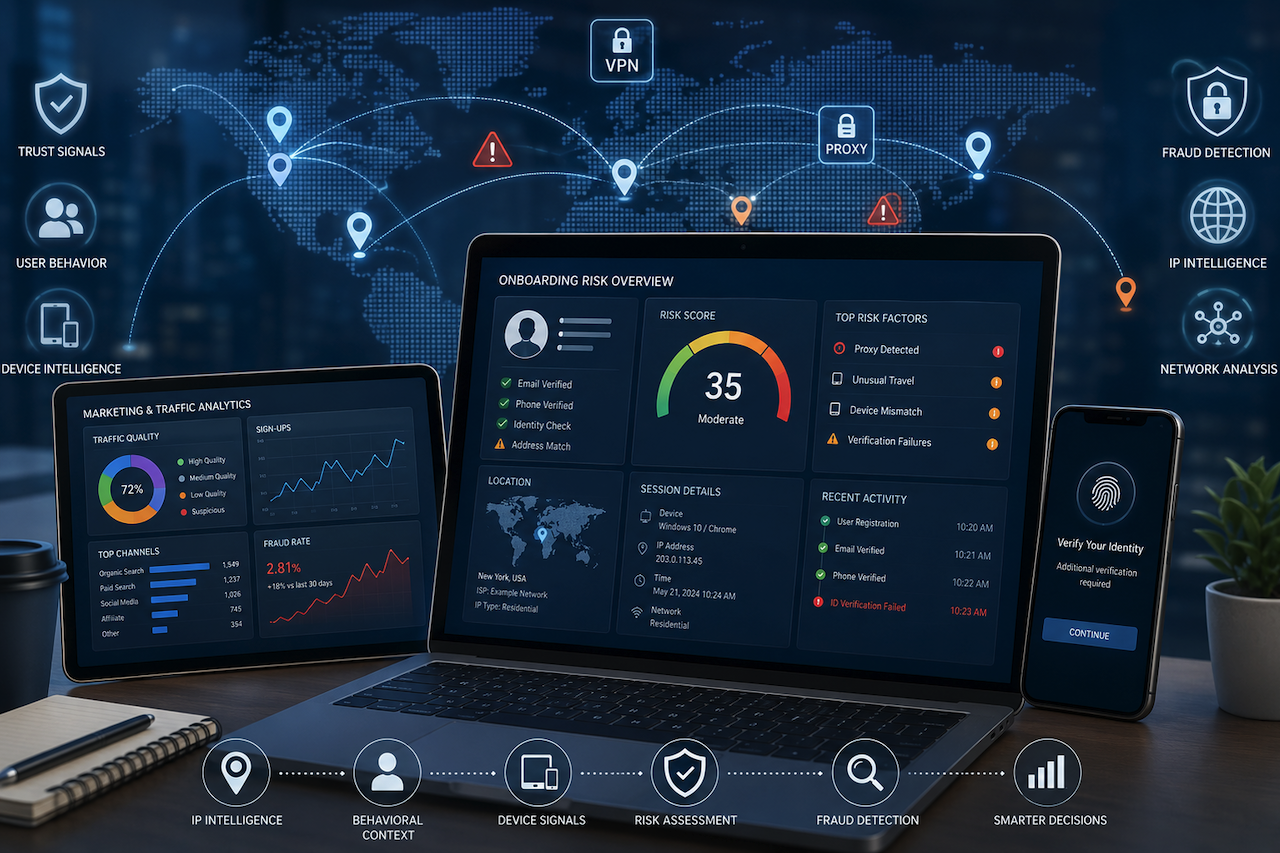
Strong fraud controls, accurate marketing data, efficient onboarding,
and clear customer journeys are all important, but each additional
verification step can introduce friction for legitimate users. Because
of this challenge, IP intelligence, combined with behavioral context,
device signals, and risk-based decision-making, has become a valuable
to...
May 8, 2026
by IP Location
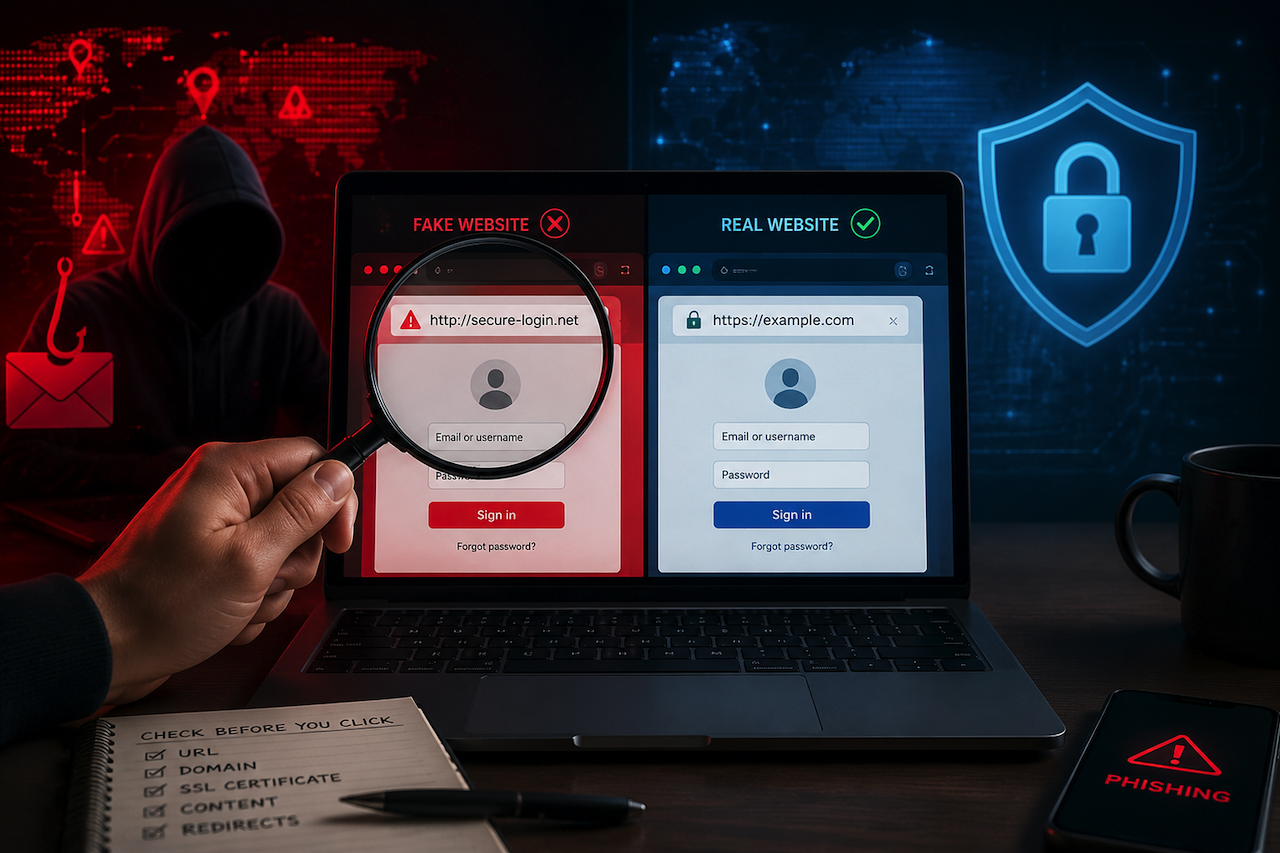
When you land on a login page that looks exactly like your bank, your email provider, or your company's internal portal, your instinct is to trust it. The logo is right, the colors match, and there is even a padlock in the address bar. That instinct is precisely what modern phishing attacks are designed to exploit.
May 4, 2026
by Abdulrehman Khan

Most people know the basic email safety rules. Do not click on unknown
links. Do not download unexpected attachments. Do not share your
password with anyone. These are solid habits, and they work well until
the email arrives in a language you do not understand.
April 9, 2026
by IP Location

Online scams have never been more sophisticated. In 2026, cybercriminals are no longer relying on poorly written emails and obvious phishing pages. They are using deepfake technology, AI-generated voices, and highly personalized social engineering tactics that can fool even the most tech-savvy individuals. The result is a digital landscape where the line bet...
April 7, 2026
by Ioana Wilkinson
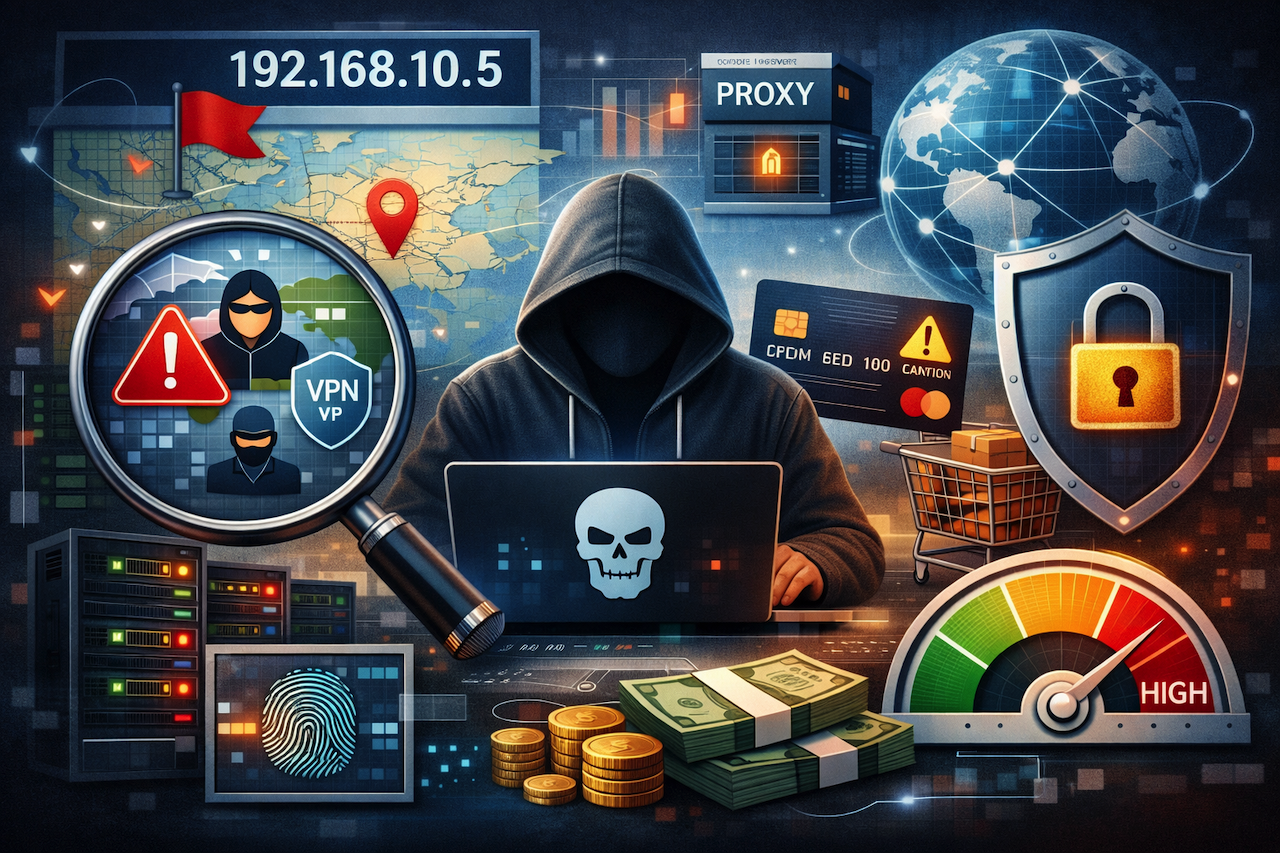
Fraud doesn’t look obvious anymore. It hides behind VPNs, residential proxies, and bot traffic that behaves like real users.
April 1, 2026
by John Roberts

The internet in 2026 serves as the most widely used platform. The platform provides us with multiple functions, which include shopping, socializing, working, and learning. The online world offers users various advantages, but it also poses the danger of online scams. Cybercriminals continually develop new methods to deceive people into revealing their privat...
March 12, 2026
by Rick Scheiber

A flashy landing page, a ticking countdown timer, and a bright banner
shouting "70% off today only" can make a platform feel legitimate in a
matter of seconds. It happens to the best of us. We see a slick app
store listing, a promo code shared by a creator we like, or a ticket
site that pops up exactly when a major event is trending, and our brain...

