
Blog Category


Data-driven web design and SEO analytics dashboard

The relationship between digital aesthetics and search engine optimization has fundamentally shifted. For years, web design was largely subjective, driven by creative intuition and visual trends that looked great but often ignored functionality. Today, search algorithms and consumer expectations demand a much more rigorous approach. With privacy regulations tightening and user attention spans shrinking, brands are discovering that data-driven web design is no longer just a best practice. It is a necessary foundation for strong SEO, higher conversion rates, and sustainable user engagement across all digital platforms.

Responsive web design across desktop, tablet, and mobile devices

No business can really afford to overlook user experience in today’s digital-first marketplace. Consumers expect websites to load quickly, function smoothly, and feel intuitive to use regardless of screen size. This is where responsive web design plays an important role. By automatically adapting layouts, content, and functionality to different devices, websites can deliver a consistent experience whether visitors are using a smartphone, tablet, laptop, or desktop computer.

Responsive web design workspace with desktop, tablet, and mobile layouts

First impressions in the digital world are nearly instantaneous. For small businesses, your website serves as your primary storefront, customer service representative, and sales team all rolled into one. If the visual appeal or usability is lacking, potential customers will look elsewhere. In fact, recent industry analysis collated by HubSpot shows that up to 38% of users will disengage if the layout or content is unattractive. This striking statistic underscores a simple truth. Good design is not merely about making things look pretty. It is a fundamental requirement for establishing consumer trust and setting the stage for long-term business growth. When visitors arrive at a landing page, they make snap judgments about the company's legitimacy and credibility based almost entirely on aesthetics and ease of use.

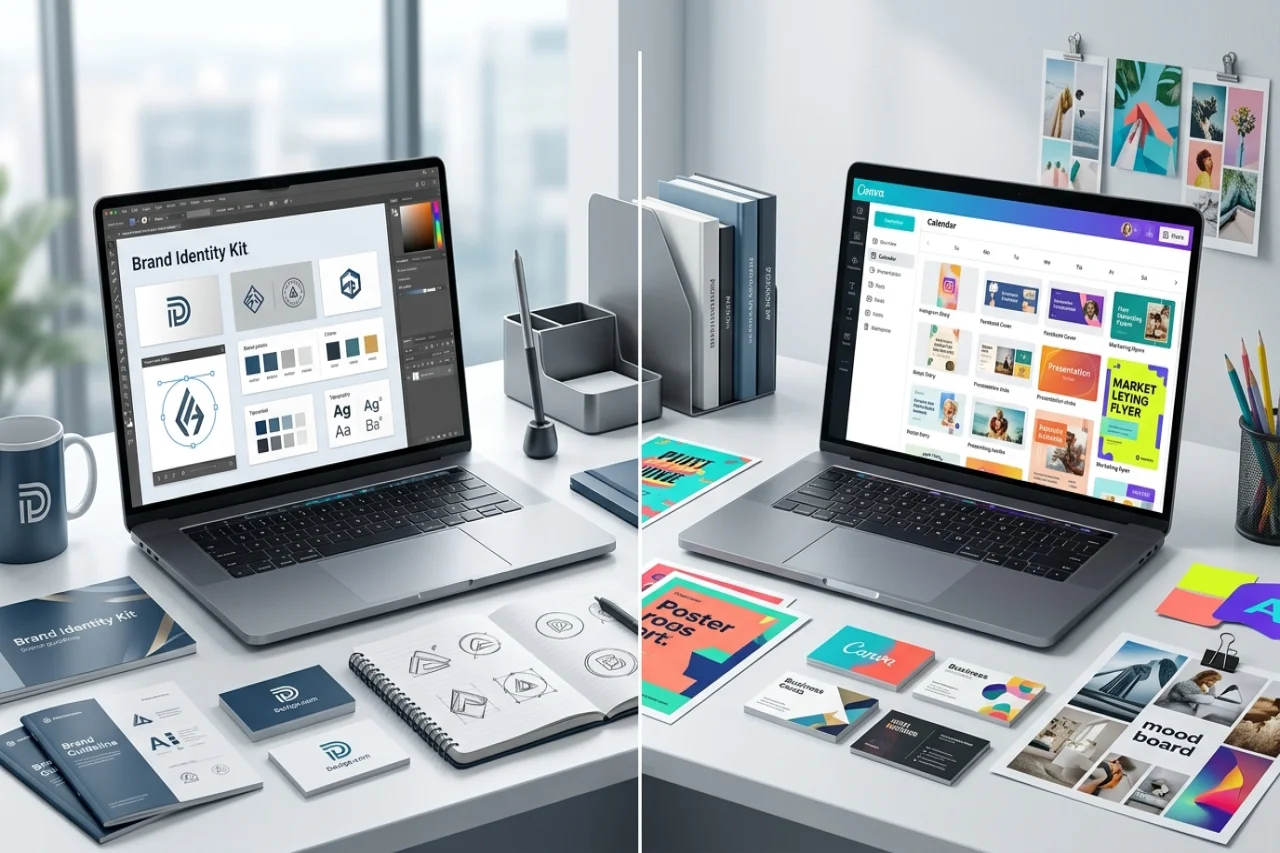
5 Best Design Inspiration Sites Every Designer Should Know

Finding good design inspiration sounds easy until a designer actually needs it. Someone staring at a blank Figma file at 11 p.m., three days before a client presentation, knows the difference between a gallery that looks nice and one that actually moves the work forward. The sites below serve different purposes at different stages of a project, and that distinction matters more than most people think.

UI/UX Design

The insurance sector faces many persistent challenges in 2026, and the question usually boils down to increasing an app’s acceptance, trust, and adoption among users. With this key concern in mind, many leaders brainstorm how this digital paradox can be re-evaluated and improved.

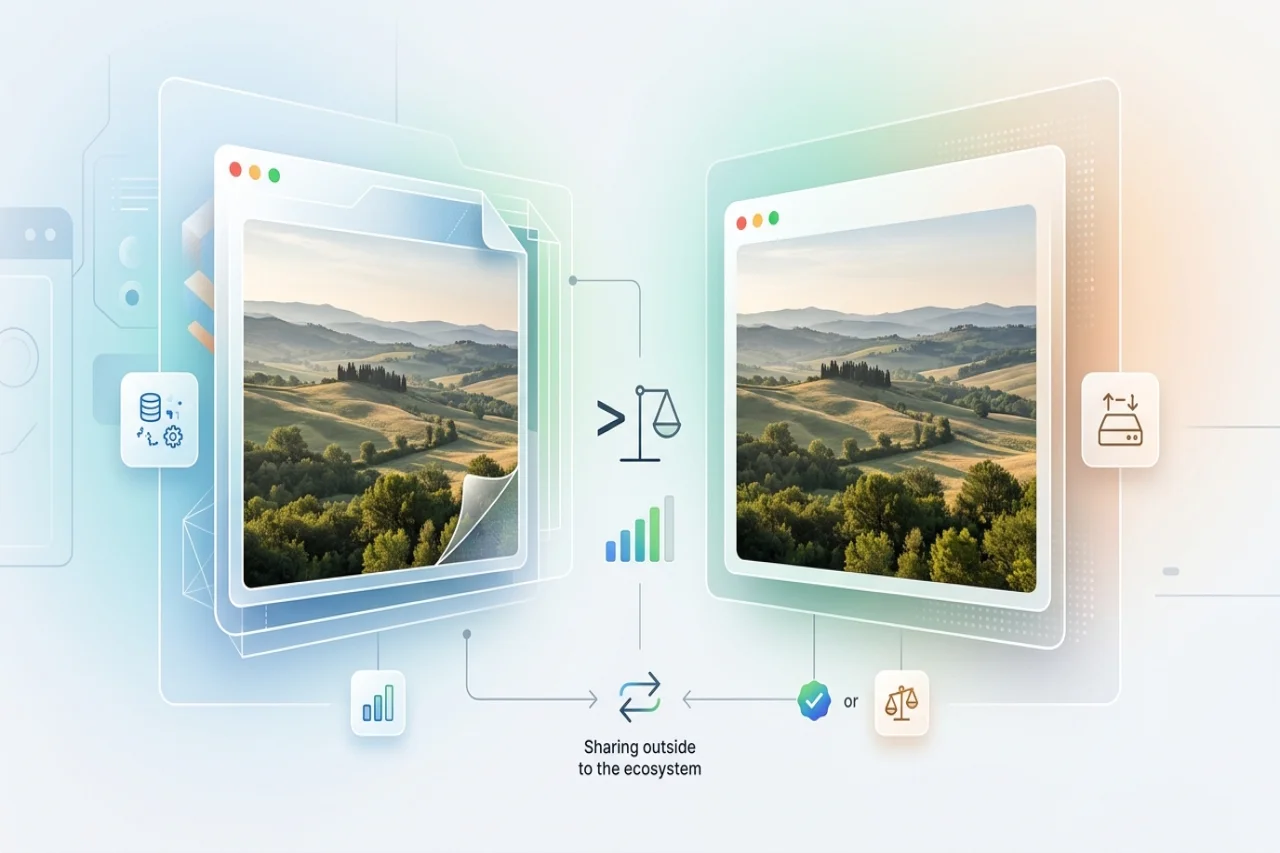
Selecting the Correct Image File Format: How to Go About It

Focusing on and finally choosing the correct image file format is a quiet decision that might have an outsized impact on the website's performance. The images impact visual clarity, load speed, search visibility, and branding consistency. A stable, solid website can balance visual appeal with image optimization and technical effectiveness at the intersection.

Why Web Design Matters

When you own a small business, the first thing people often see is your website. Many visitors check a site before calling, visiting a store, or sending an email. Like it or not, people make snap judgments. If a website looks outdated, loads slowly, or is difficult to navigate, potential customers may leave without ever learning how good the business actually is.