
Blog Category


Design Complexity on Customer Manufacturing

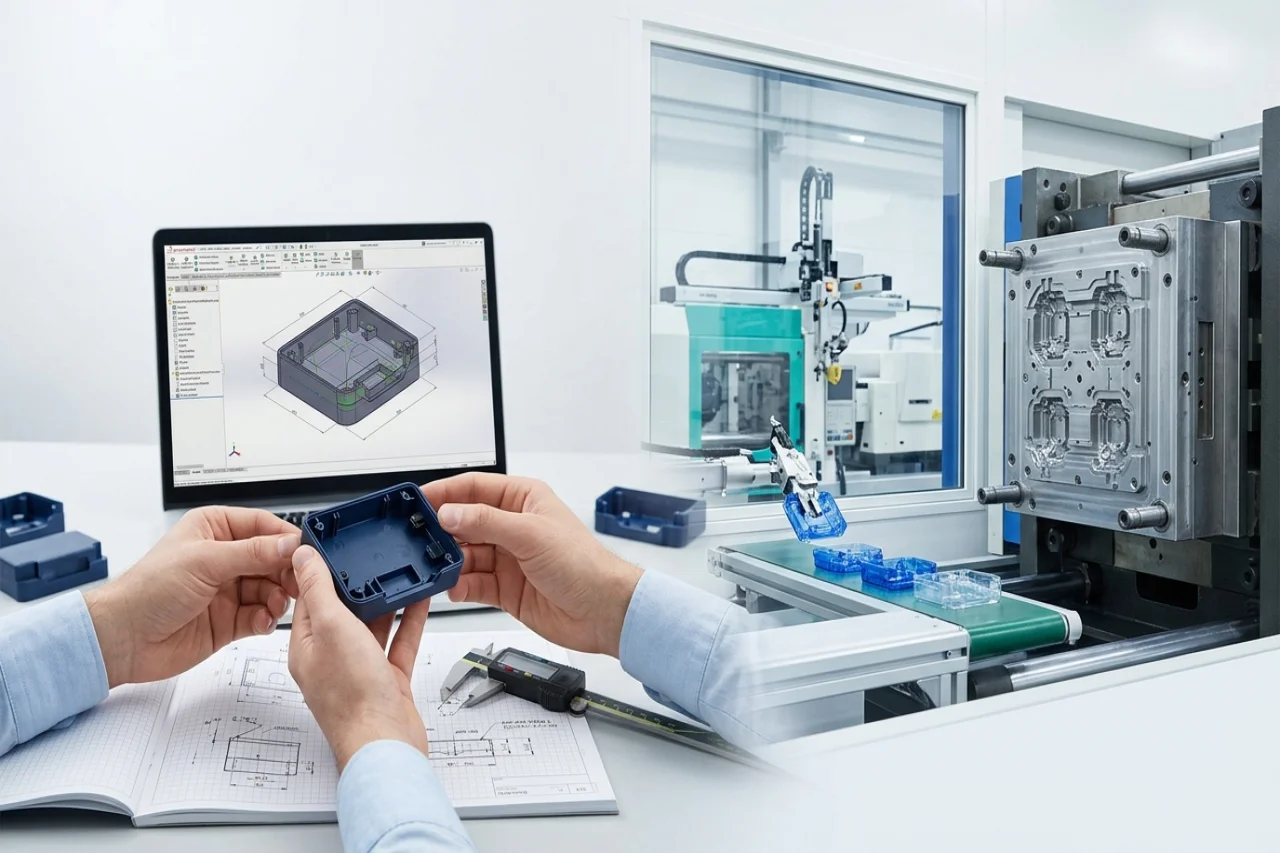
Design plays a big role in how a product turns out, especially in custom manufacturing. The more complex a design is, the more it can affect cost, time, and quality. Small details can either improve performance or create challenges during production. That’s why it’s important to find the right balance between creativity and practicality.

RHT Burners

In modern industrial plants, process heat is no longer just a technical variable to manage; it is a strategic factor that affects costs, product quality, production flexibility, and sustainability. In this context, traditional combustion technologies are struggling to meet the demands for responsiveness, fine control, and emissions reduction required by markets and regulations.

The ROI of CMMS

Maintenance is no longer a team that you call when something goes wrong with the machine. In current industrial activities, it serves as a central catalyst to total profitability. The industry is undergoing a colossal transformation, moving away from reactive, run-to-failure design and toward a proactive, data-driven approach to reliability. The key to this transformation is the Computerized Maintenance Management System (CMMS) technology that helps facilities forecast, plan, and optimize their operations.

Plastic Extrusion Machine

Extrusion is a manufacturing process widely used in the plastics industry, although it is also used in other sectors (such as the food industry). It is a highly advanced technology in which, through various stages, thermoplastic polymers are transformed into finished products with shapes and properties that vary according to the materials used and the end-use sectors.

Precision Fabrication Tools

In semiconductor manufacturing, success is measured in microns. The slightest variation will affect performance, reliability, and ultimately output. With new geometries being scaled down, along with increasingly complex architectures, precision equipment in the manufacturing process has become necessary.

Modern Printing Technology

Printing technology has advanced significantly in recent years, enabling businesses to produce customized products faster, more accurately, and with greater flexibility. As demand for personalized apparel and promotional items continues to rise, production workflows must adapt to meet higher expectations for quality and consistency. One of the key factors behind this evolution is the development of specialized printing materials designed for modern transfer-based processes. This article explores how contemporary printing technologies are improving production efficiency and supporting scalable workflows across various industries.

Handheld Laser Welder vs Traditional Welding: Which Is Better

Welding is at the heart of modern manufacturing, from automotive and aerospace to construction and medical devices. For decades, traditional processes such as MIG, TIG, stick, gas welding, and resistance welding have dominated the shop floor. Today, the rise of the handheld laser welder is changing how engineers think about speed, precision, and automation. This article compares a handheld laser welder with traditional welding methods so you can decide which option is better for your projects.