Blog Category


HL7 and Healthcare Regulations

The healthcare industry is heavily reliant on the efficient exchange of data between disparate systems—whether it's between electronic health records (EHRs), laboratories, pharmacies, or medical devices. However, such widespread data exchange also comes with significant risks, especially when it involves the handling of patient data, which is inherently sensitive and protected under various laws. Ensuring the privacy and security of this data is therefore paramount.

AI-Powered SaaS

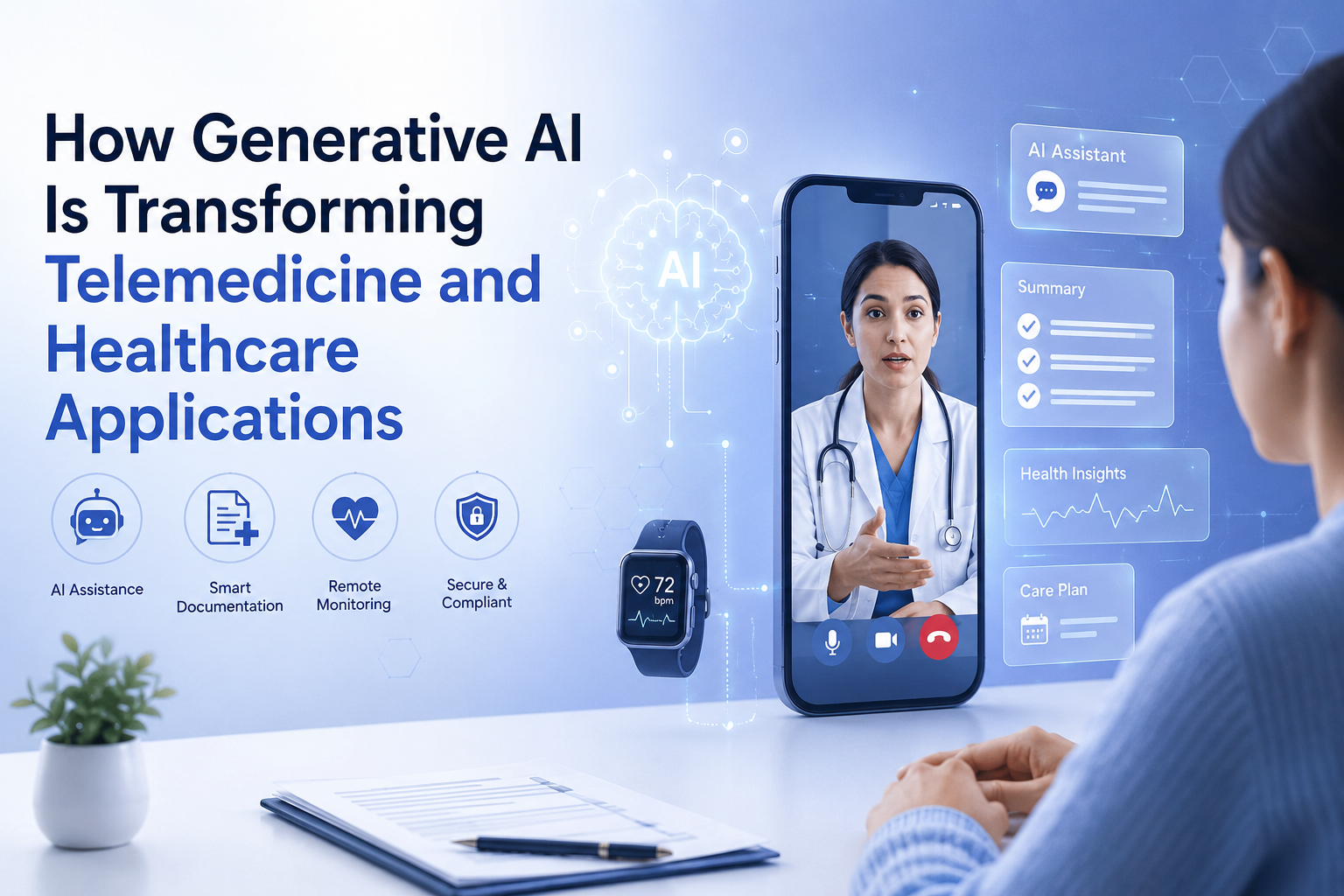
Imagine a hospital or clinic where doctors no longer spend hours reviewing patient notes or completing documentation. Instead, they can have natural conversations while AI listens, summarizes, and updates records in real time. Patients using telehealth platforms may interact with intelligent digital companions that track symptoms, forecast potential issues, and guide them toward appropriate care.

Modern Pharmacy Workflows

Modern, digitally supported pharmacy workflows play a key role in enhancing efficiency within the hospital environment. By automating medication-related processes, hospitals can improve inventory accuracy, reduce manual errors, and help clinical teams work more smoothly. These improvements support better patient safety, data-driven decision-making, and overall productivity in healthcare settings. With real-time insights and streamlined processes, hospitals are better positioned to deliver faster, more reliable, and cost-effective care while maintaining high standards of operation.

Geolocation for Healthcare

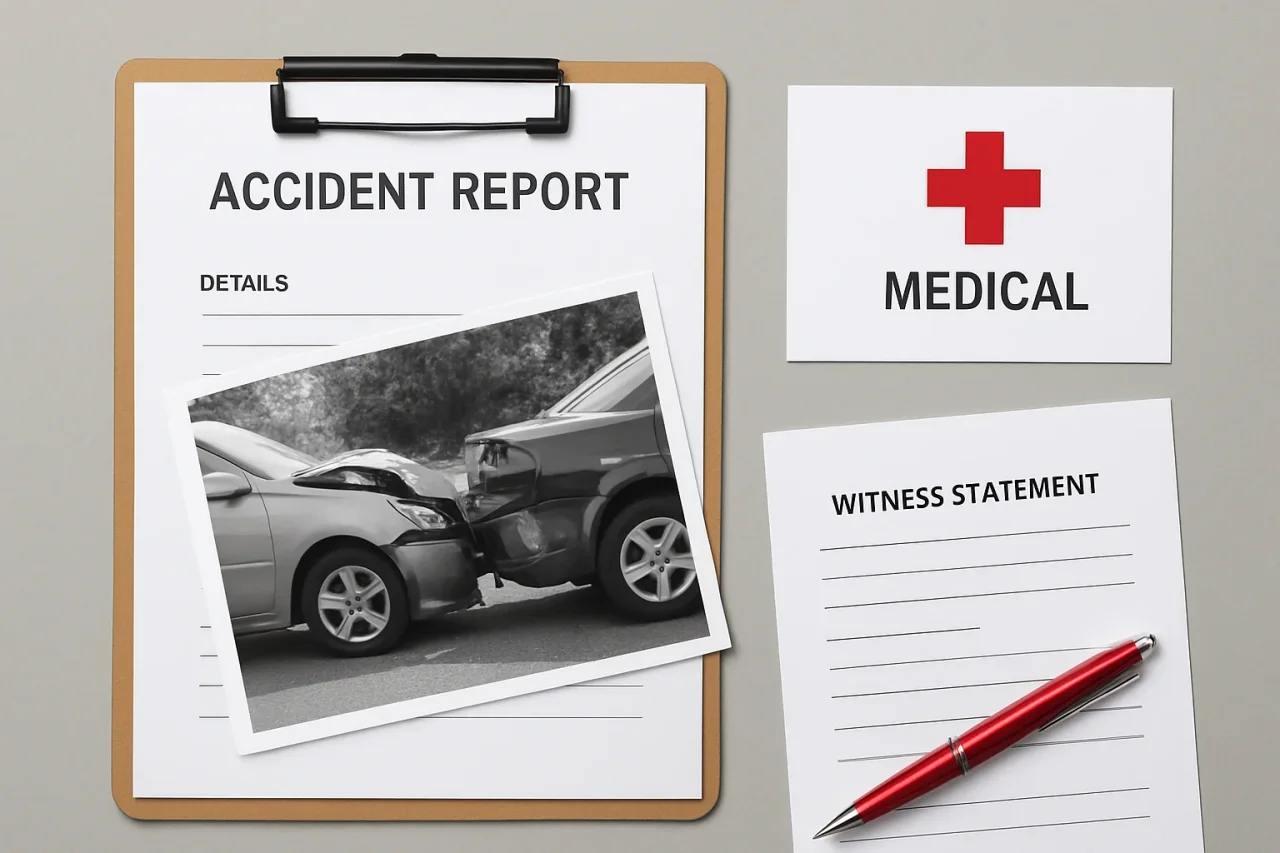
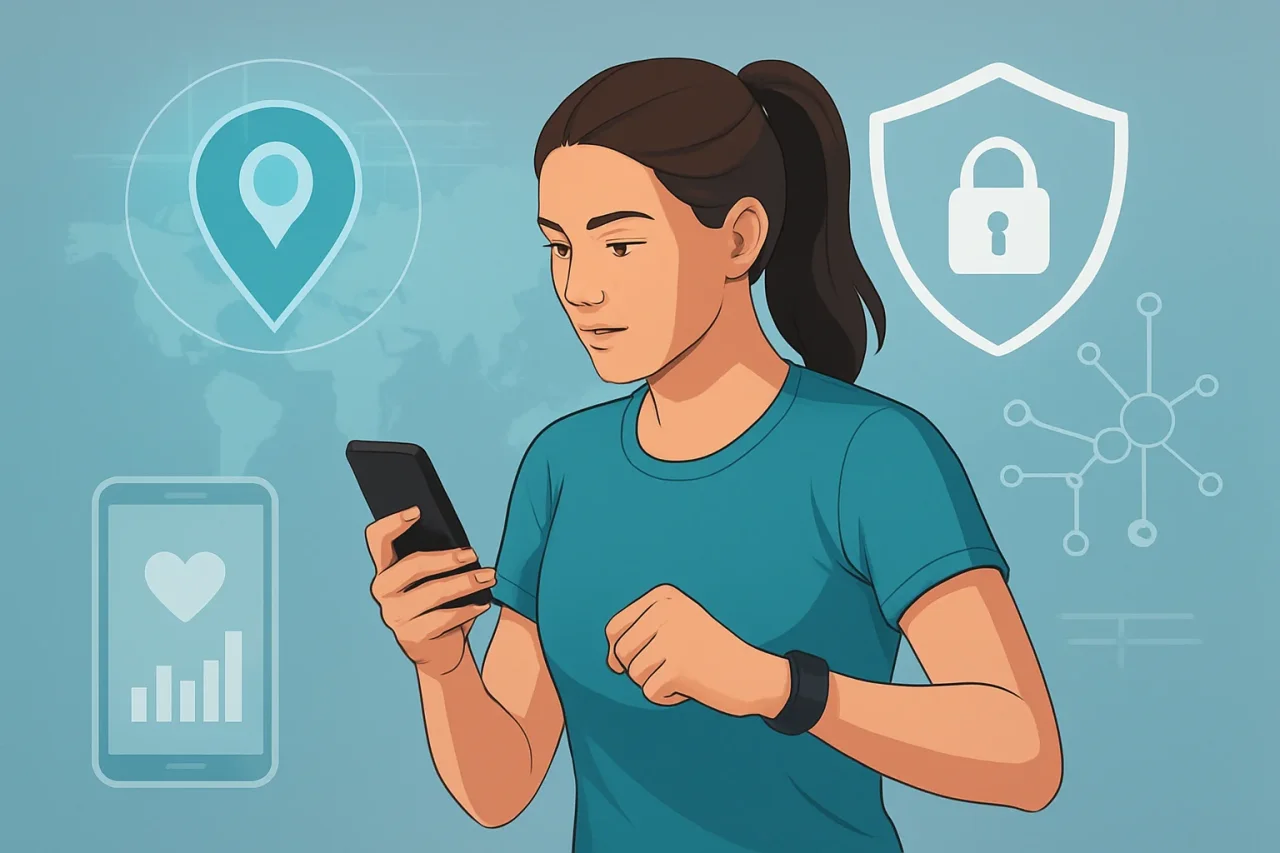
Time is an unreplenished resource during a medical emergency. It could be a cardiac arrest, a car accident, or a highway crash, but the time spent getting the patient's assistance is frequently the largest determinant of survival. However, most of the delays in emergency medical services (EMS) do not concern medical proficiency or ambulance access! Their root cause lies in something much more basic: failure to find the patient fast and precisely.

Man using ipad

Managing the constant flow of Protected Health Information (PHI) is one of the most significant challenges facing healthcare providers today. This responsibility is not just a matter of patient trust; it is a legal mandate with severe consequences for failure. The healthcare industry continues to suffer the highest data breach costs of any sector, with the average incident costing an astounding $10.93 million. In this high-stakes environment, a secure document workflow is not merely a best practice but a fundamental pillar of operational and financial stability.

Home Nursing

When it comes to maintaining health and comfort at home, having trusted medical support makes all the difference. From post-surgery recovery to elderly care, professional home nursing allows patients to receive personalized medical attention in a familiar, stress-free environment. With Dubai’s growing demand for quality healthcare delivered at home, Vesta Care has become one of the city’s most trusted names in professional, compassionate home-based care.

LMS

In today’s fast-paced medical field, continuous learning is essential. New treatments emerge rapidly, technologies evolve, and regulations change every year. Doctors, nurses, and healthcare staff must constantly update their knowledge and skills. Traditional classroom-based education simply can’t keep up with this pace. That’s where Learning Management Systems (LMS) come in, providing flexible, efficient, and easily accessible ongoing education.

BPD

Borderline Personality Disorder (BPD) affects 2.7% of the world population. This rate, though, is arguable as some research suggests that BPD prevalence may be as high as 6%. This complex mental health condition is distinguished by emotional instability, difficulties with self-image, and intense but fragile relationships.