
Blog Category


AI in Software Development

Telemedicine is at the core of the enormous revolution taking place in the healthcare sector. Telemedicine structures have proven imperative as more patients seek remote care and healthcare professionals seek effective ways to deliver services. However, artificial intelligence (AI) is what makes those structures better in reality.

The Real Decision Framework

A custom software solution is technology developed specifically for a company’s unique needs, allowing organizations to optimize workflows, integrate systems seamlessly, and build capabilities that directly support their competitive strategy. When growth, differentiation, or operational complexity outpaces what off-the-shelf tools can handle, companies inevitably face a critical choice: build or buy?

FinTech App Development

The process of developing FinTech applications differs from creating standard mobile and web applications. Financial platforms handle highly confidential personal information while conducting instant financial operations and adhering to comprehensive regulatory frameworks. The infrastructure within an organization often becomes the fundamental factor that determines whether a product succeeds or fails in the market.

Legacy system modernization concept

Most enterprises are not truly digital. They operate on decades-old systems patched together to keep pace with modern demands. As organizations push for AI, cloud agility, and real-time data, legacy architecture has become the biggest barrier to innovation. In 2026, modernization is no longer optional. It is a strategic necessity that enables speed, resilience, and competitive advantage. This article examines the top legacy modernization companies leading enterprise rebuilds, based on engineering depth, execution discipline, and measurable outcomes.

Software Product Design

Most software doesn’t fail loudly. It ships on time. It looks polished. Then adoption slows. Users hesitate during onboarding. Features sit untouched. At that point, teams often realize the issue wasn’t engineering velocity; it was product clarity. That’s where software product design matters most: at the intersection of usability, strategy, and sustainable growth.

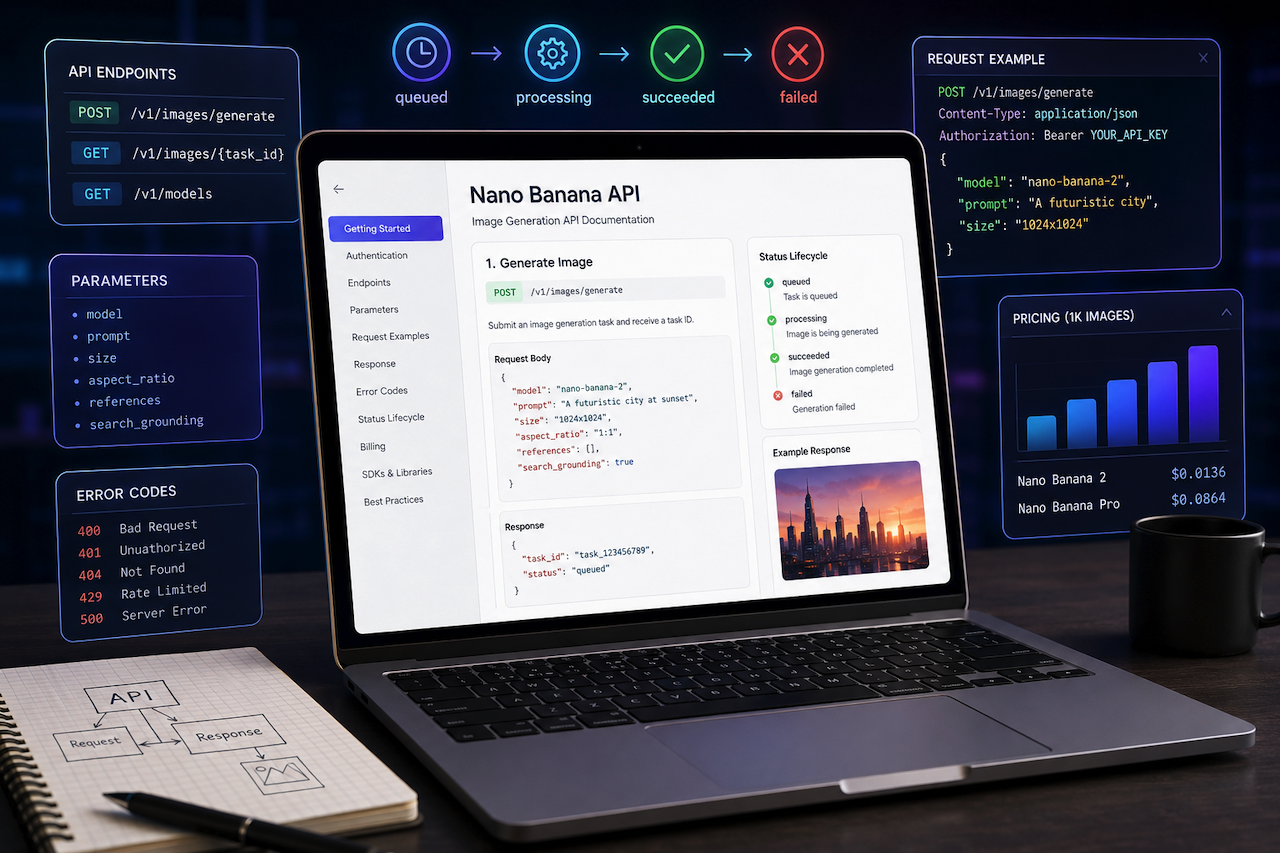
How APIs Improve Flexibility in Mobile and Web Applications

Today’s apps no longer operate as standalone systems. Industry data shows that more than four out of five digital products rely on APIs to deliver features users expect. Payments, maps, logins, notifications, and almost everything run through APIs today. This dependency is especially visible in APIs for mobile app development and modern web apps, where real-time data and integrations are essential.