
Blog Category


2026 privacy law compliance and data protection

As we approach 2026, businesses worldwide are bracing for a new wave of privacy regulations designed to enhance consumer data protection. These laws, while crucial for safeguarding personal information, bring a complex set of compliance challenges that vary across regions and industries. For organizations operating in the B2B sector, the key question is how to adapt to these changes without sacrificing operational efficiency or innovation.

Smart City Infrastructure Handling Liability Assessments

Cities are getting smarter, faster than most people realize. Traffic sensors, connected cameras, IoT crosswalks — all quietly logging data around the clock. When accidents happen inside these environments, that data doesn't just sit there. It gets subpoenaed. And it's changing how liability is established, challenged, and sometimes completely rewritten.

Fast Business Growth

Many modern companies spend their early months focused on the visible parts of the business. The product has to work. The pitch has to sound sharp. The brand has to feel current enough to earn attention in a noisy market. Teams move quickly because they feel they have to. Momentum becomes part of the culture, and in many cases, that pace helps. It gets ideas in front of real users faster. It forces the company to learn from the market rather than hide in internal planning. But fast growth has a habit of exposing weak structure long before a business feels ready to admit it. What looked manageable in a small team can become much heavier once partners, customers, outside capital, or cross-border activity enter the picture.

Human Rights Act

Something feels off… but you can’t quite prove it. Your manager crosses a line, your landlord pushes boundaries, or a public authority brushes you aside. You’re left wondering, is this even allowed? That’s exactly where having a clear human rights act overview becomes essential, because most people sense unfairness long before they understand their legal position.

Co-Parenting Harassment

If you're dealing with unknown numbers popping up on your phone from your co-parent, it's natural to wonder if those calls or texts have crossed the line into harassment under California law. When messages are frequent, threatening, or clearly meant to control or upset you, they might count as harassment—especially if you can show a pattern and there's no real parenting reason behind it. Let's dig into how California actually defines this stuff and what you can do to protect yourself (and your kid) if things get out of hand.

Spam Texts

So, you’ve started getting weird text messages after your accident, and now you’re left wondering—are these legit, or just someone trying to take advantage? If they’re asking for personal info, pushing you to act fast, or dangling quick cash, it’s probably spam. Don’t bite—report it to California authorities and your phone company.

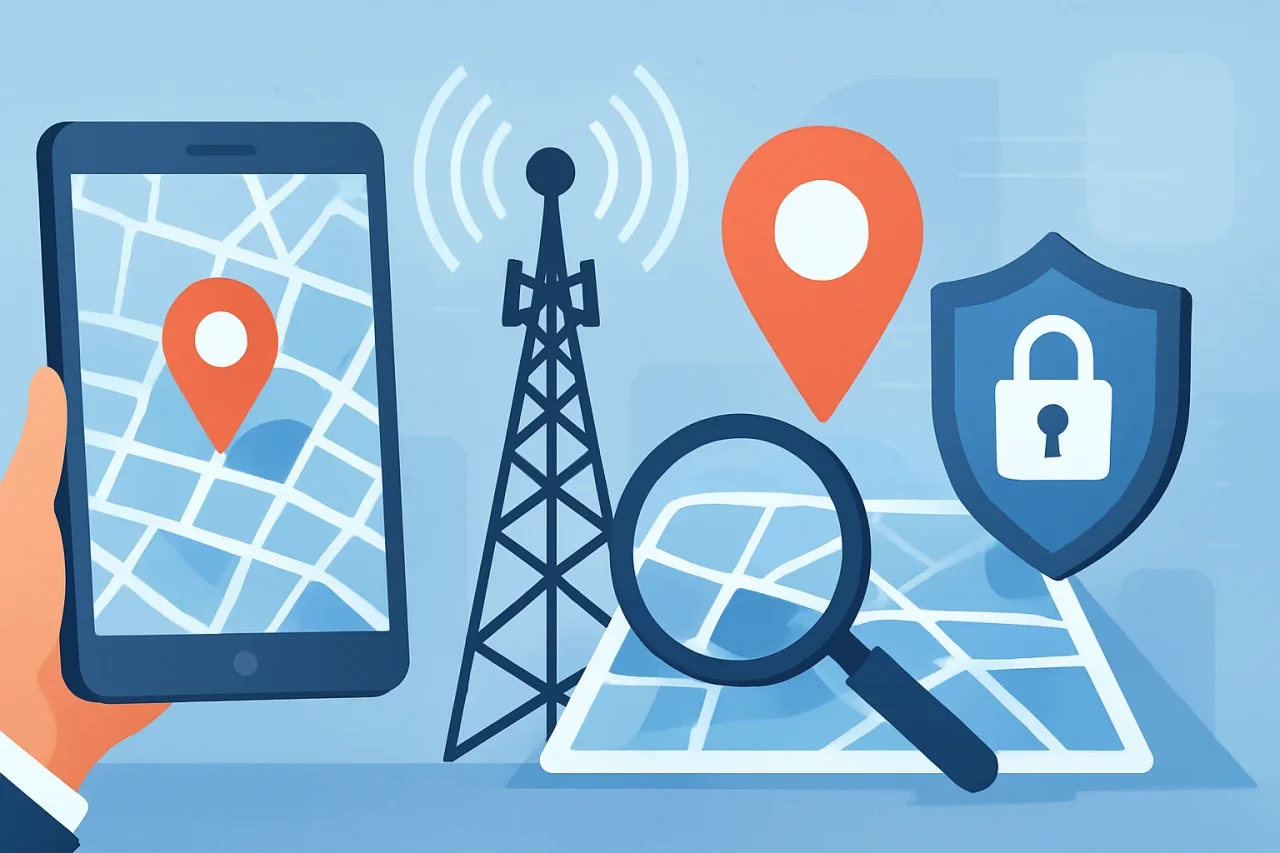
IP geolocation tracking data on a smartphone showing a multi-vehicle accident location

Imagine a common argument after a car crash. One driver says the other sped through a yellow light. The other insists they were past the intersection when the accident happened, and the plaintiff wasn’t even there. The whole case comes down to a ten-minute window. Then someone points to a phone and says, "The account was logged in from somewhere else, so it couldn’t have been at the scene."