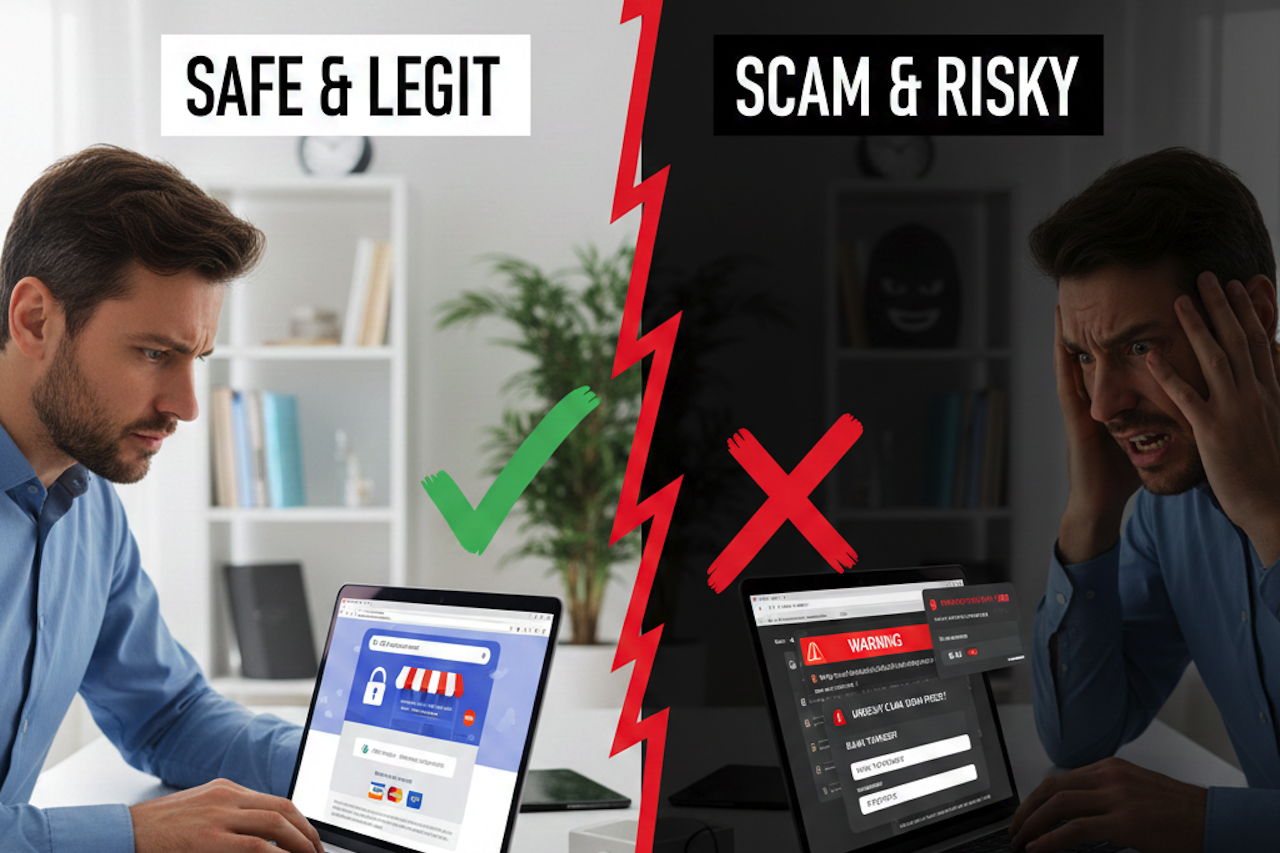
While shopping for a vehicle online is a time saver, it also exposes you to listings that originally seem promising but deteriorate substantially before you reach the verification stage.
Buying an engagement ring is one of the most meaningful purchases you’ll ever make. It’s not just a piece of jewelry; it’s a symbol of love, commitment, and the beginning of a new chapter. But when you’re shopping online, the stakes feel even higher. You want the perfect ring, but you also want to avoid falling into the trap of misleading listings, fake stones, or shady sellers.
Claiming your artist profile should feel exciting, not risky. But phishing schemes keep getting smarter, targeting musicians with emails that look real and links that seem safe.
For a long time, we have known one thing. People are the weak link in online safety. Bad guys use tricks to fool people. This is how they get in. It is a simple trick that works well.
Online fraud is no longer a rare occurrence — today it is a daily risk for companies in e-commerce, iGaming, online banking, delivery, and other digital services. Fraudsters use various schemes: from account takeover and bonus abuse to transaction duplication and affiliate program fraud. All this directly damages businesses and undermines user trust.
Every second, anywhere in the digital sea of the internet, someone’s data is being stolen, a fake transaction is slipping through the cracks, or a cybercriminal is attempting to take advantage of a system's vulnerability.
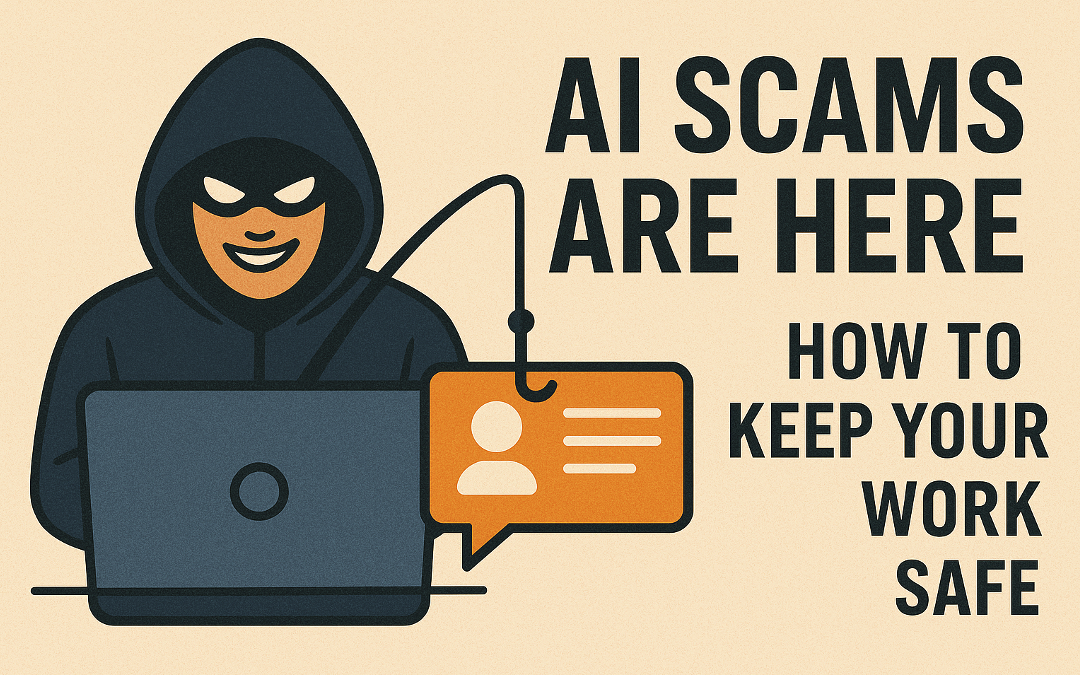
Online scams are on the rise, with fraudsters increasingly targeting unsuspecting website owners to exploit their platforms for financial gain. These scammers often impersonate representatives of reputable media brands, presenting enticing offers for guest posts, sponsored content, or backlinks to build trust and gain access.
We live in a digital age, where online communication is playing an increasingly important role in our lives. Whether it's a relationship of any kind, or perhaps online shopping, dating, etc. It's essential to know who you can trust and who you should avoid, as the internet is full of scammers and fake businesses. Whatever your purpose for meeting someone, it's always worth checking an unknown phone number. You've probably experienced being contacted from an unknown number and not knowing whether or not it's worth picking up the phone. Or you've picked up the phone and a company's customer service introduces itself, but something is still suspicious. It's familiar, right? A reliable tool like ClarityCheck phone lookup can help you quickly find out who's behind the call. You can also use the lookup to find out whether or not the phone number was reported as a scam, so you can easily understand if it's a spam phone call or not.
Fraud is a growing threat in today’s digital economy. From identity theft to financial scams, businesses face increasingly sophisticated fraudulent activities. Fraud detection software is essential for identifying and stopping these threats in real-time, protecting both companies and consumers.
Picture this: You are rushing into the airport while juggling the emails and managing the boarding passes when you receive a fraud alert on the phone.