

Beyond the IP: Why Your Mobile Number is the Missing Piece of Your Privacy Puzzle
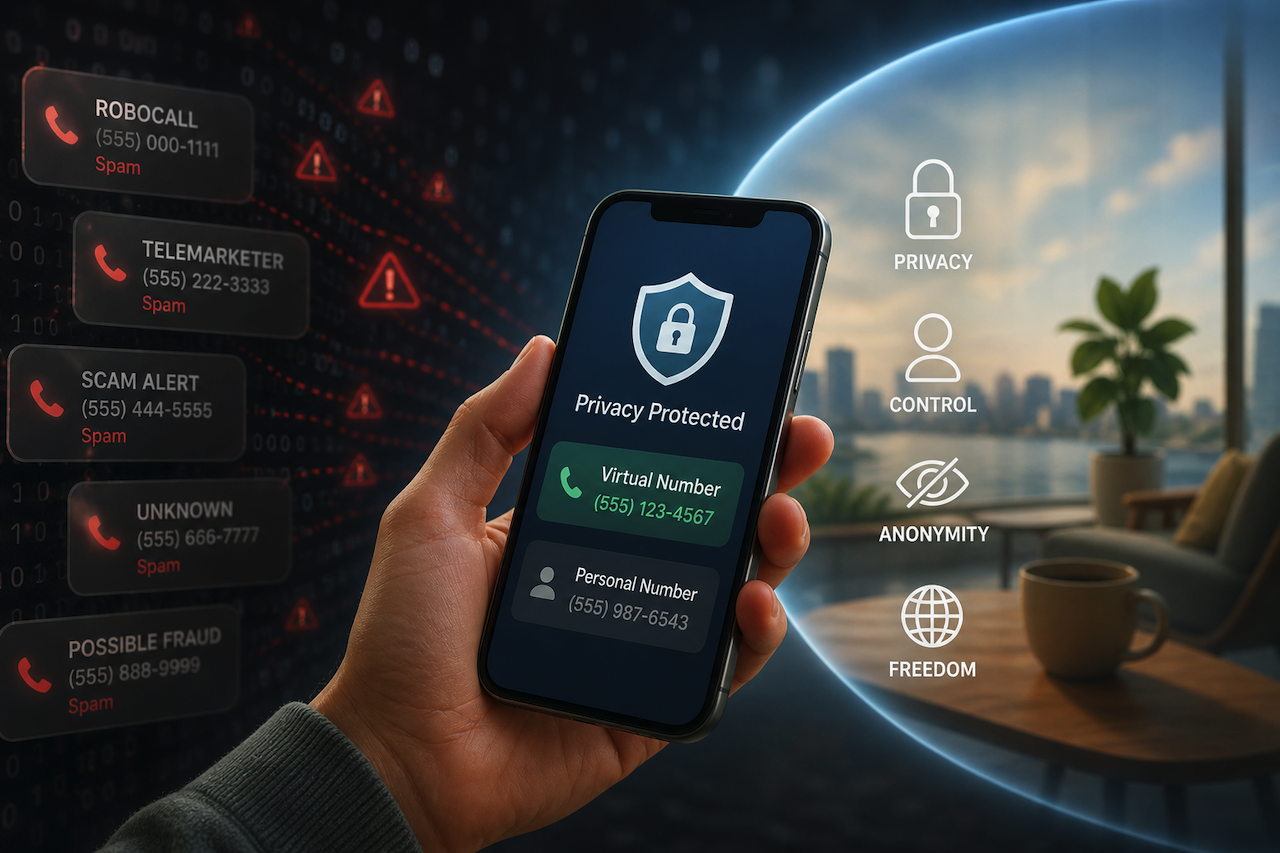
The way we navigate the internet has fundamentally changed over the last decade. We used to talk about the web as a destination we visited, but now, it’s an environment we live in. Every interaction we have, from signing up for a newsletter to making a purchase, leaves a digital footprint. As users of platforms like iplocation.net already know, our data is more visible than we often realize. Honestly, it’s a bit unsettling when you actually stop to think about it. Protecting that data isn’t just for the tech-savvy anymore. It’s a necessity for anyone who wants to keep a semblance of personal privacy in a hyper-connected world.
One of the most overlooked aspects of our digital identity is the humble phone number. For years, we treated our mobile numbers as static identifiers, much like a Social Security number.
We gave them to banks, retailers, and social media platforms without a second thought. But in an era of sophisticated data scraping and relentless telemarketing, our primary contact information has become a liability. And that’s the point. We've handed over the keys to our digital front door without even realizing it.
And sometimes, that door needs a better lock.
This shift in how we view connectivity has led many to explore the benefits of a virtual mobile number as a primary layer of defense.
The Problem with Static Identifiers
When you provide your primary phone number to a service, you’re doing more than just giving them a way to call you. You’re providing a key that can often be used to link disparate pieces of your online life. In the cybersecurity world, this is known as a pivot point. If a database is breached, your phone number can be the thread that allows a malicious actor to find your social accounts, your home address, and even your financial history.
But have you ever wondered how much of your personal life is actually accessible through a simple ten-digit string? It's scary, right?
The issue is that once your number is out there, you can’t simply take it back. It’s sold to lead generators and added to robocall lists that seem impossible to escape. For someone trying to maintain a clean digital slate, the constant intrusion is more than an annoyance. It’s a persistent reminder of how little control we actually have over our personal information once it enters the ecosystem, like that familiar buzz on your nightstand at 8:00 PM from a number you don’t recognize.
Creating a Buffer Between Public and Private
The solution isn’t to stop using digital services entirely. That isn’t practical in the modern economy. Instead, the goal should be to create a buffer. Think of it like using a secondary email address for junk mail or a PO Box for deliveries.
By utilizing a separate communication line, you’re effectively compartmentalizing your life.
Using a dedicated secondary line allows you to verify accounts and communicate with services without exposing your "inner circle" number. If a specific service starts spamming you or if you suspect a leak, you can simply silence or change that secondary line without the massive headache of updating your bank, your family, and your close friends on a new primary number.
This is the essence of digital hygiene. Honestly, I guess we all need a little more of that these days.
So, why do we continue to give out our most personal contact information to every website that asks for it? Maybe we're just tired of the friction.
The Role of Location and Connectivity
For users who frequently travel or work remotely, the stakes are even higher. We often rely on local services and temporary connections that require a point of contact. Giving out a permanent number in a foreign country or to a short-term service provider carries inherent risks. Beyond the risk of spam, there’s the risk of identity theft in regions where data protection laws aren’t as stringent.
This is where the flexibility of modern privacy tools truly shines. You can maintain a presence and a reliable way for people to reach you without being physically tied to a specific SIM card or a single geographic location. It provides a level of anonymity that’s rare in our current landscape.
It’s about freedom of movement without the digital tail.
By separating your phone's hardware from the software that identifies your contact, you gain a level of mobility and security previously reserved for high-level security professionals. You get to be the ghost in the machine, so to speak.
Practical Steps for Implementation
Improving your digital privacy doesn’t have to be an all-or-nothing endeavor. It starts with a few intentional choices—first, audit where your current number is listed. You might be surprised at how many old accounts still have your primary contact information on file. Second, begin migrating your public-facing interactions to a secondary line.
But when was the last time you actually checked your privacy settings on the apps you use every day? It’s probably been a while.
When you sign up for a new app or a retail clerk asks for your number to get a discount code, use your secondary line. This keeps your primary phone quiet and reserved for the people who actually matter. Over time, you’ll notice a significant decrease in the amount of "digital noise" reaching your pocket. You’ll also have the peace of mind that comes from knowing your primary identity is tucked away safely behind a layer of protection. It’s like finally silencing a room that’s been too loud for too long.
The Future of Personal Privacy
As we look toward the future, the integration of privacy tools into our daily lives will continue to grow. We are seeing a move toward decentralized identifiers and encrypted communication as standard practices. However, until those technologies are universally adopted, the burden of protection remains on the individual.
We have to be the architects of our own digital boundaries.
Ultimately, privacy is about autonomy. It’s about having the power to choose who can reach you and when. By taking small, proactive steps to guard your contact information, you’re reclaiming a piece of that autonomy. Whether you’re avoiding the next wave of robocalls or protecting your data from a potential breach, the goal is the same. You’re ensuring that your digital life serves you, rather than the other way around. And that's the point.
Protecting Your Sanctuary
Our homes and private lives should be sanctuaries from the constant demands of the world. By implementing a gatekeeper for your digital communications, you’re effectively building a wall around that sanctuary. It’s a simple, effective, and increasingly necessary strategy for the modern world. In a time when everything is tracked and everyone is reachable, the greatest luxury is the ability to be invisible when you want to be. I think we could all use a little more of that.
Featured Image generated by ChatGPT.
Related Articles
February 5, 2026
How IP Location Tracking Works and How to Protect Your Privacy Online
The internet feels anonymous, but in reality, every device connected to the web leaves digital traces. One of the most important signals is your IP address. Whether you’re brow...
Read More
October 29, 2025
7 Privacy Awareness Tactics Employees Remember
What is the cause of most privacy breaches? Human behavior. A misplaced file, an unchecked link, or a casual overshare often does more damage than a missing patch. In fact, you can...
Read More
April 28, 2025
What Are Macs Doing Differently for Privacy with Image Snippets?
In today's digital world, even the simplest actions—like taking a screenshot—can quietly expose more information than you realize. Apple’s latest macOS updates in 2025 show just ho...
Read More
Comments
Comments are available to signed-in users and are moderated to keep the discussion useful and respectful. Spam, automated submissions, and low-value promotional comments are removed. Outbound links may be approved when they are relevant and genuinely helpful to readers, but they are displayed as plain text rather than clickable hyperlinks.
No comments have been published yet.
Please sign in to submit a comment.