

How Digital Footage and Metadata Are Transforming Disputes
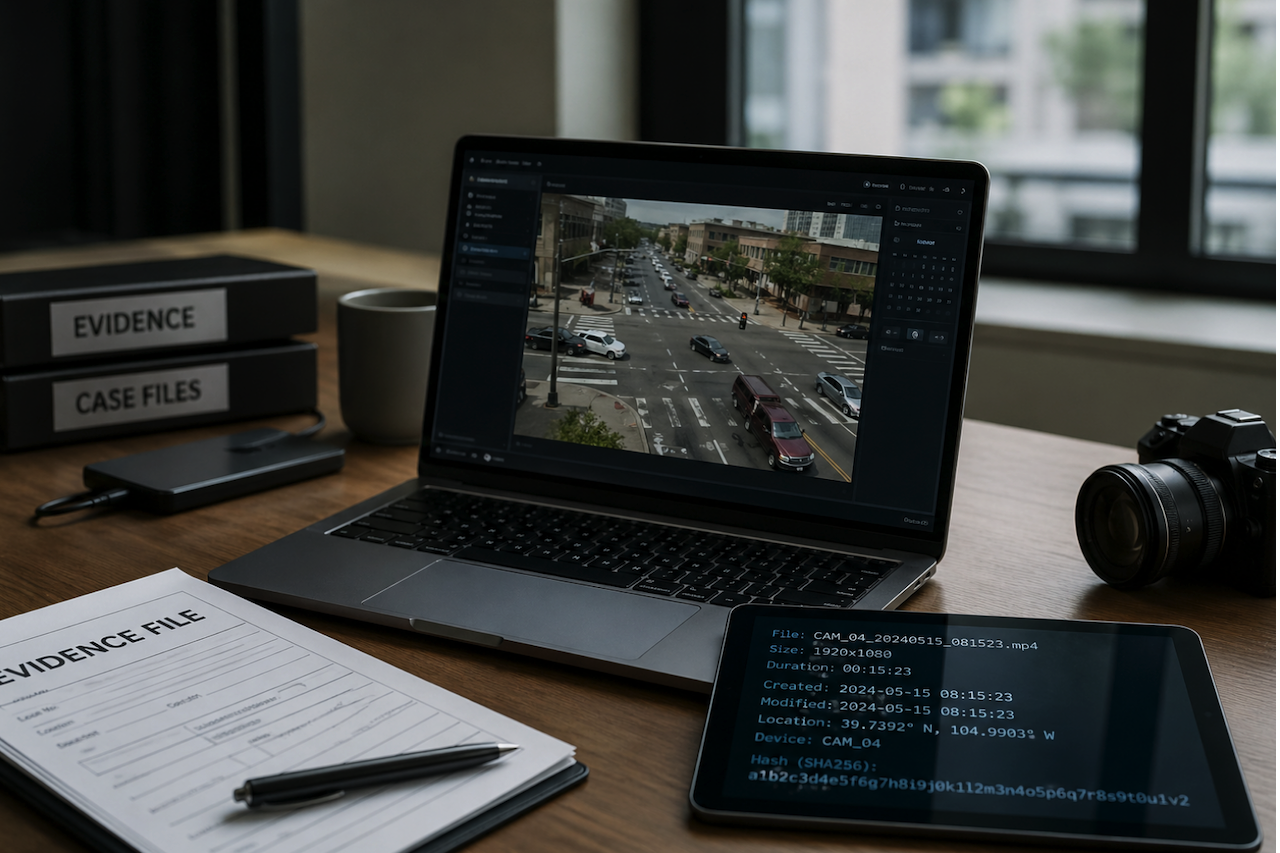
Digital disputes are no longer decided only by memory, statements, or written records. A single video file can now reveal what happened, while its metadata can prove when, where, how, and whether the footage can be trusted.
That shift is changing how disputes are investigated, argued, settled, and judged. Courts increasingly expect parties to authenticate digital evidence, not simply present a screenshot or video clip and ask everyone to trust it. Under U.S. evidence rules, digital material generally must be authenticated by showing it is what the party claims it is, often through witness testimony, technical records, metadata, or forensic analysis.
Why Digital Footage Has Become Central to Modern Disputes
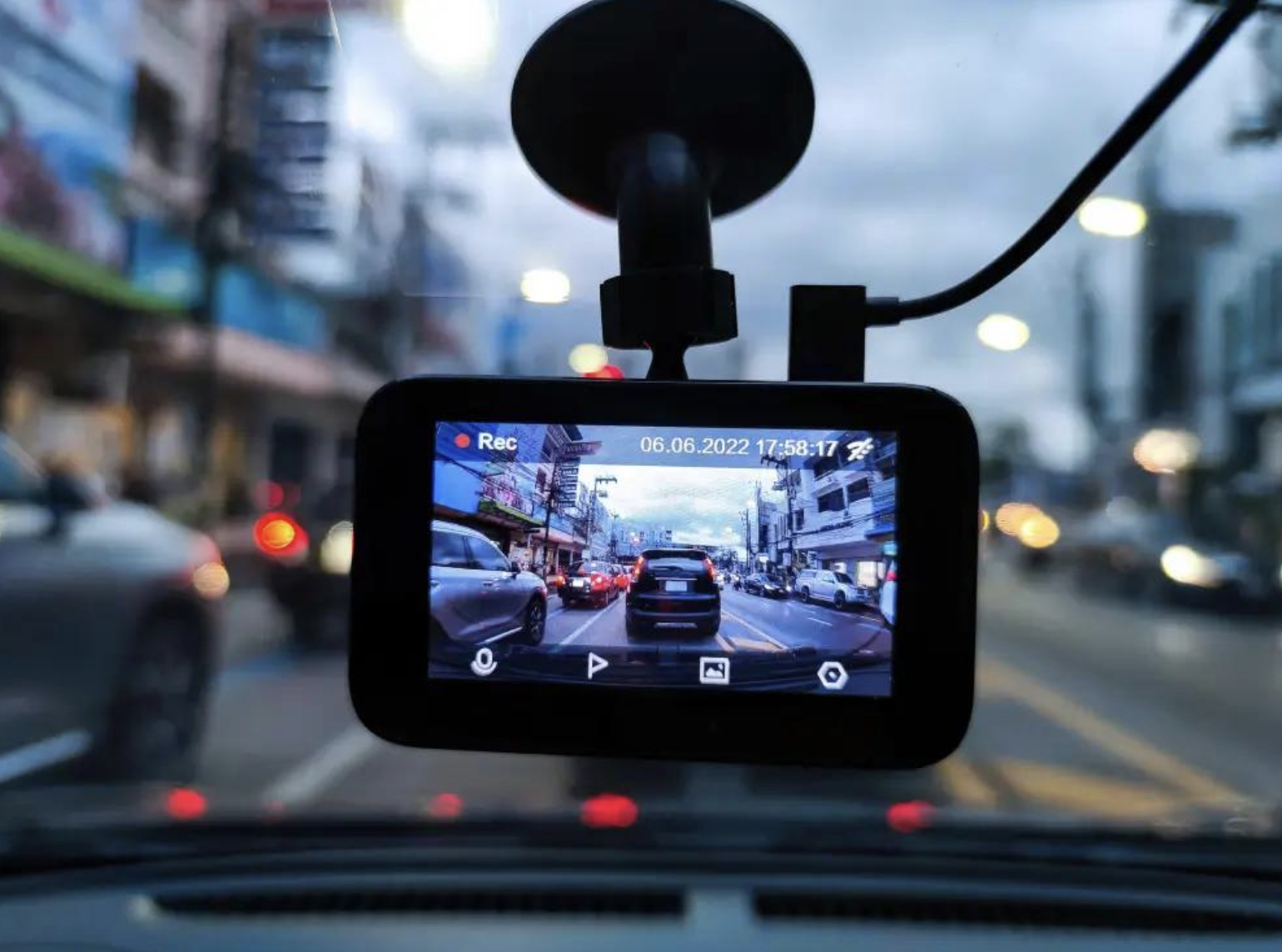
Digital footage has become powerful because it gives decision-makers something more concrete than competing narratives. A workplace accident, traffic collision, delivery dispute, property damage claim, customer altercation, or security incident can often be reconstructed through video before anyone gives a formal statement.
But the value of footage is not just in showing an event. Its real value comes from how it supports or challenges the timeline.
Important footage can come from:
- Smartphones and dashcams
- CCTV and workplace security systems
- Doorbell cameras and home surveillance devices
- Body-worn cameras
- Drones and traffic cameras
- Video conferencing platforms
- Social media uploads and messaging apps
This matters because modern disputes usually fail or succeed in sequence. Who arrived first? When did the impact happen? Was the person present at the location? Did the footage capture the full event or only a selected part of it?
A video clip may influence perception, but a verified digital file can influence liability.
The Footage Is Only Half the Evidence
Many people assume that if a video exists, the dispute is solved. In reality, footage often creates new questions. A camera can capture an incident while still leaving uncertainty about speed, distance, lighting, angle, sound, timing, and what happened outside the frame.
This is why digital footage must be examined as evidence, not just watched as content.
A strong review asks:
- Is this the original file or a copied version?
- Was the clip edited, cropped, compressed, or re-exported?
- Does the timestamp match other records?
- Was the recording device clock accurate?
- Is the video complete or only a short extract?
- Can the footage be connected to a specific device or system?
These questions are now essential because AI-generated and manipulated media have increased the need for authentication. Courts and investigators are placing more weight on original files, technical records, and forensic validation rather than trusting what appears visually convincing.
Metadata Is Becoming the Hidden Witness
Metadata is the technical information attached to a digital file. It can include creation date, modification date, GPS location, device model, camera settings, file size, resolution, frame rate, software history, and export details.
In a dispute, metadata often answers questions that a witness cannot answer with certainty. A person may remember that an event happened “around 8 p.m.”, but metadata may show the file was created at 8:17:42 p.m. A person may claim a photo was taken at the scene, while location metadata may place the device somewhere else.
| Dispute Question | What Metadata Can Help Establish |
|---|---|
| When was the footage created? | Original creation timestamp, device time, system logs |
| Where was it recorded? | GPS coordinates, device location, network or system records |
| Was the file changed? | Modification date, export history, editing software traces |
| What device captured it? | Phone model, camera ID, recorder name, system source |
| Is the file original? | File hash, native format, storage path, chain-of-custody data |
| Does the timeline match the claim? | Comparison with calls, messages, GPS, app logs, or access records |
This is why metadata is so valuable in personal injury, employment, insurance, commercial, criminal, and property disputes. A personal injury attorney handling a contested incident, for example, may need to evaluate not only what the footage shows but whether the file’s metadata supports the claimed time, place, and sequence of events.
Digital Evidence Is Becoming a Multi-Source Timeline
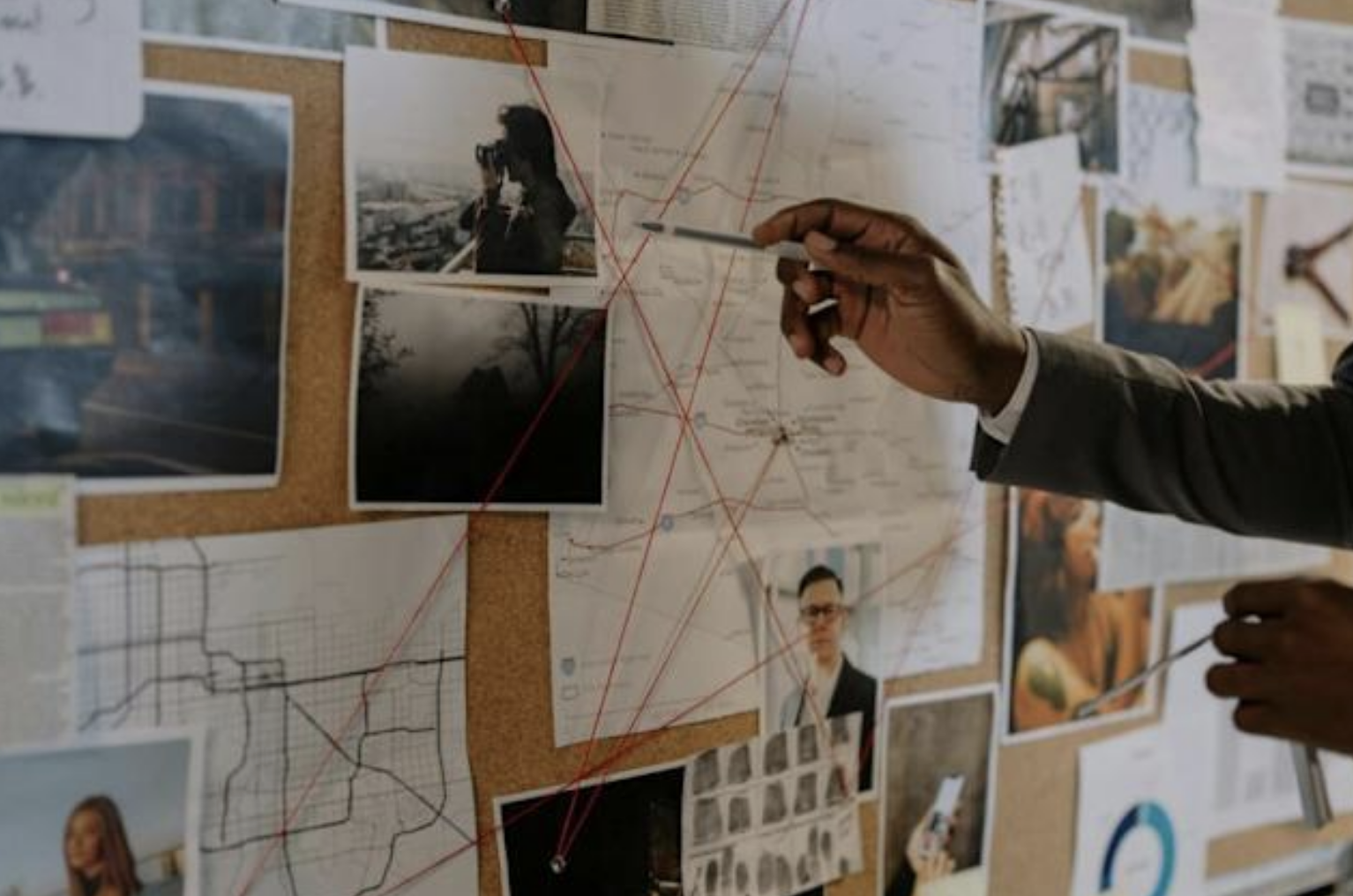
The strongest disputes are no longer built around one file. They are built around several pieces of digital evidence that either support or contradict each other.
A road collision may involve dashcam footage, phone GPS data, 911 call logs, traffic camera footage, vehicle telematics, medical records, and repair timestamps. A workplace dispute may include CCTV footage, access badge records, emails, Slack messages, system login data, and HR reports. A commercial dispute may involve meeting recordings, contract versions, file edit logs, payment records, and email headers.
The value comes from correlation. When different sources tell the same story, the evidence becomes harder to dismiss.
| Type of Digital Evidence | What It Adds to the Dispute |
|---|---|
| Video footage | Visual sequence of the event |
| Metadata | Technical proof of time, source, and file history |
| GPS data | Location verification |
| Call and message logs | Communication timeline |
| Access logs | Who entered, opened, viewed, or changed something |
| Cloud records | Upload, download, sharing, and edit history |
| Device logs | Activity from phones, laptops, vehicles, or recording systems |
A dispute becomes stronger when these records align. It becomes weaker when the footage says one thing and the metadata, location data, or system logs say another.
Chain of Custody Is Now a Technical Requirement
In traditional evidence handling, the chain of custody meant documenting who collected, stored, and transferred physical evidence. With digital evidence, that process is more technical and more fragile.
A digital file can be duplicated, renamed, compressed, clipped, uploaded, downloaded, or altered without obvious visual signs. Even routine handling, such as sending a video through a messaging app, can strip metadata and reduce evidentiary value.
A proper digital chain of custody should show:
- Who collected the file
- When and where it was collected
- Whether the original file was preserved
- How copies were created
- Who accessed the evidence
- Whether the file hash remained unchanged
- What software or system handled the file
Forensic guidance emphasizes that digital evidence must be acquired and analyzed through credible, reproducible, and verifiable processes so that courts can trust the results.
Why Original Files Matter More Than Screenshots
Screenshots are useful for quick reference, but they are weaker evidence than native files. A screenshot usually removes technical context. It may not preserve metadata, file history, audio, timestamps, frame data, or the original storage path.
The same issue applies to screen recordings and forwarded clips. Messaging apps, social platforms, and email clients may compress video, change file names, remove metadata, or alter timestamps. This does not always mean the evidence is fake, but it can make authentication harder.
| Evidence Format | Evidentiary Strength | Main Risk |
|---|---|---|
| Native original video | Strongest | Must be preserved securely |
| Forensic copy with hash | Strong | Requires proper documentation |
| Exported system clip | Moderate to strong | Export settings must be recorded |
| Forwarded video file | Moderate to weak | Metadata may be stripped or altered |
| Screenshot | Weak to moderate | Lacks full technical context |
| Screen recording | Weak | May not prove original source |
The best practice is simple: preserve the original first, then create working copies for review.
AI Has Raised the Standard for Digital Proof
Deepfakes, synthetic audio, AI-generated images, and manipulated video have changed how digital evidence is evaluated. A realistic-looking file is no longer enough. The file must be traceable.
This does not make footage less important. It makes authentication more important.
Courts and investigators now need to know whether the evidence can be linked to a real device, a real storage system, a real timestamp, and a reliable chain of custody. In high-profile cases, metadata analysis has already shown how a video described as “raw” may still have been processed, exported, or stitched together, creating questions about transparency and evidentiary reliability.
The key lesson is clear: visual realism is not the same as evidentiary reliability.
How Digital Footage Changes Settlement Strategy
Digital footage often changes the course of a dispute before it reaches court. Verified footage can push parties toward a settlement by reducing uncertainty. If the evidence clearly supports one version of events, the cost of denial increases.
But the opposite is also true. Poorly preserved footage can weaken a claim. If the original file is missing, the metadata is inconsistent, or the timeline cannot be verified, opposing parties may challenge the evidence instead of the facts shown in the video.
This is why early preservation matters. Many camera systems overwrite footage after a short retention period. Doorbell cameras, workplace CCTV systems, fleet cameras, and cloud platforms may delete or rotate files depending on storage settings.
| Action | Why It Matters |
|---|---|
| Preserve footage quickly | Prevents overwrite or deletion |
| Save native files | Maintains original metadata |
| Document collection steps | Supports chain of custody |
| Compare with other records | Strengthens timeline accuracy |
| Avoid unnecessary conversions | Reduces authenticity challenges |
| Restrict access | Prevents claims of tampering |
In modern disputes, the first few days after an incident can determine whether the strongest evidence survives.
Common Mistakes That Damage Digital Evidence
Many parties damage useful evidence without realizing it. They save a screenshot instead of the original file. They forward a video through WhatsApp or email. They crop a clip to make it easier to review. They rely on a timestamp without checking whether the recording system clock was accurate.
These actions may seem minor, but they create openings for challenge.
The most common mistakes include:
- Treating screenshots as substitutes for original files
- Sharing video through apps that compress or strip metadata
- Cropping footage before preserving the full recording
- Ignoring whether timestamps match other records
- Failing to document who handled the file
- Waiting too long to request CCTV or cloud footage
- Reviewing a clip without checking what happened before and after it
The safest approach is to collect broadly, preserve carefully, and analyze only after the evidence is secured.
What Businesses Need to Do Differently
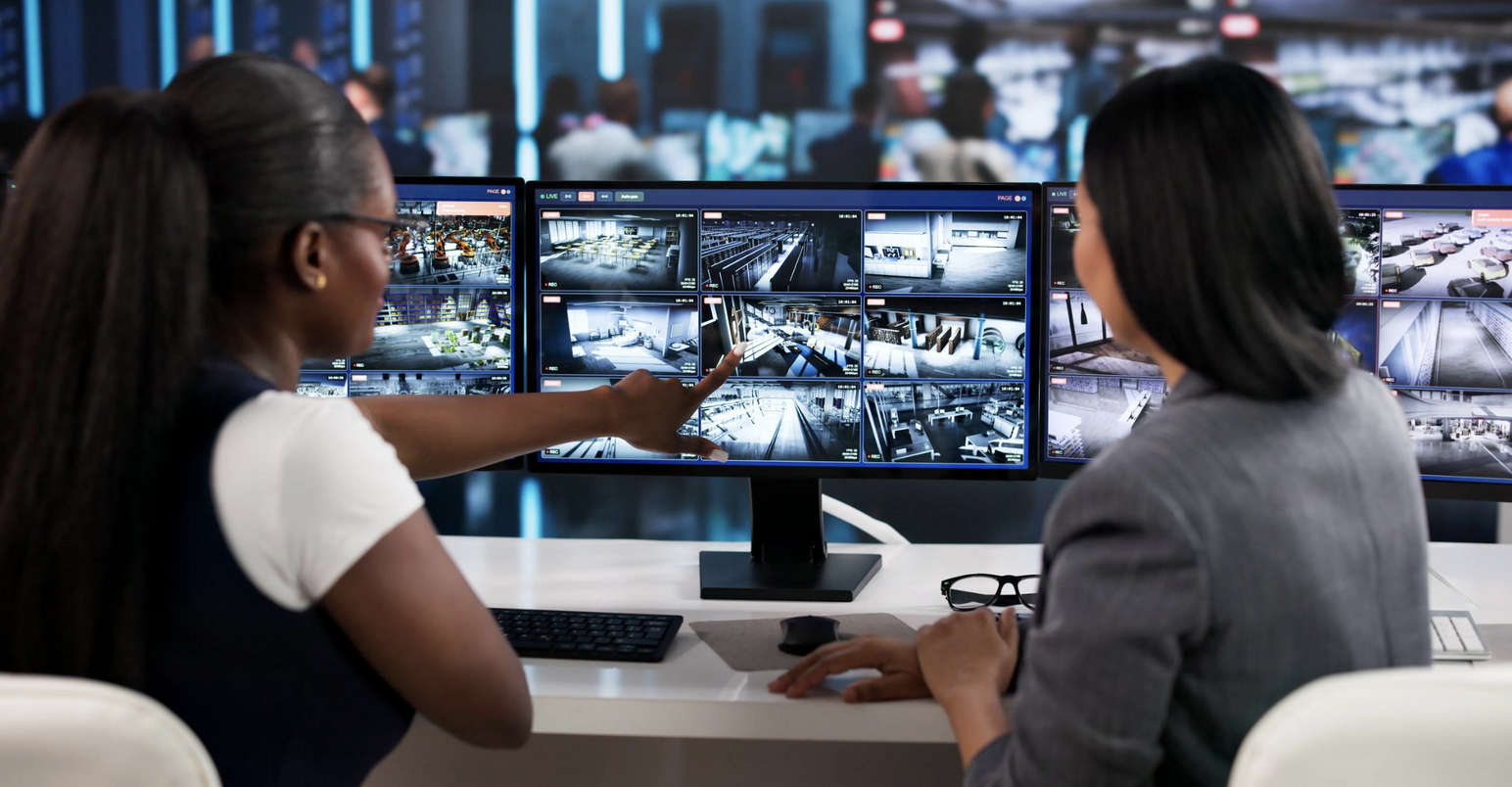
Businesses should no longer treat cameras as passive security tools. In a dispute-heavy environment, cameras, access systems, call recordings, delivery records, and device logs are part of evidence governance.
That means organizations need clear policies for retention, access, export, storage, and review. If footage exists but cannot be found, exported, authenticated, or explained, it may not help when a serious dispute arises.
A strong business evidence policy should define:
| Area | Practical Requirement |
|---|---|
| Retention | How long footage and logs are stored |
| Access | Who can view, export, or delete records |
| Export process | How evidence is copied without damaging metadata |
| Documentation | Who collected the file and when |
| Security | How evidence is protected from tampering |
| Review process | How footage is compared with other records |
| Legal hold | How deletion is paused after a dispute begins |
The global digital evidence management market is projected to grow from $8.79 billion in 2025 to $17.15 billion by 2031, reflecting the rapid pace at which organizations are investing in systems that can manage footage, metadata, documents, and forensic records in one place.
What Legal Teams Need to Ask Early
Legal teams should treat every modern dispute as a potential digital evidence case. Even when the dispute does not appear to be technology-related, relevant evidence may exist on phones, in cameras, in cloud systems, in vehicles, on workplace platforms, or in communication tools.
Early intake should include questions such as:
- Were there cameras near the incident?
- Did anyone record video or take photos?
- Are there phone location records?
- Did the event involve a vehicle, an app, an access system, or a workplace platform?
- Was anything uploaded, shared, deleted, or edited?
- Who controls the original files?
- Is there a risk that footage will be overwritten?
These questions should be asked early because digital evidence is time-sensitive. Once overwritten, compressed, deleted, or stripped of metadata, its value may be permanently reduced.
The Future of Disputes Will Be Evidence Architecture
The future of dispute resolution will not depend only on collecting more footage. It will depend on building a better evidence architecture.
That means connecting visual evidence with technical proof. A video should be tied to metadata. Metadata should be tied to device records. Device records should be tied to the chain of custody. The chain of custody should be tied to a clear timeline. The stronger the architecture, the harder the evidence is to dismiss.
Digital footage shows what may have happened. Metadata helps prove whether the footage can be trusted. Together, they are transforming disputes from battles of memory into tests of verification.
Conclusion
Digital footage has made disputes more visual, but metadata has made them more technical. The strongest evidence is no longer the most dramatic clip. It is the file that can be traced, authenticated, preserved, and matched against other records.
For businesses, legal teams, insurers, and individuals, the lesson is clear: preserve the original, protect the metadata, document the chain of custody, and build the timeline from multiple sources. In modern disputes, what matters is not only what the footage shows. What matters is whether the digital record behind it can prove the truth.
Disclaimer
This article is for informational purposes only and does not constitute legal advice. The discussion of digital footage, metadata, and evidence handling is intended to provide general awareness and should not be relied upon as a substitute for professional legal or forensic guidance.
Digital evidence practices may vary depending on jurisdiction, case type, and specific circumstances. Readers should consult qualified legal professionals, forensic experts, or relevant authorities when dealing with actual disputes or evidence-related matters.
While efforts have been made to ensure accuracy, no guarantee is provided regarding the completeness, reliability, or timeliness of the information presented. The handling of digital files, metadata, and evidence carries inherent risks, including potential data loss, alteration, or misinterpretation.
iplocation.net is not liable for any actions taken based on this content, nor for any outcomes resulting from the use, misuse, or interpretation of the information provided. Additionally, iplocation.net is not responsible for the content, accuracy, or practices of any third-party tools, services, or websites mentioned in this article.
Related Articles
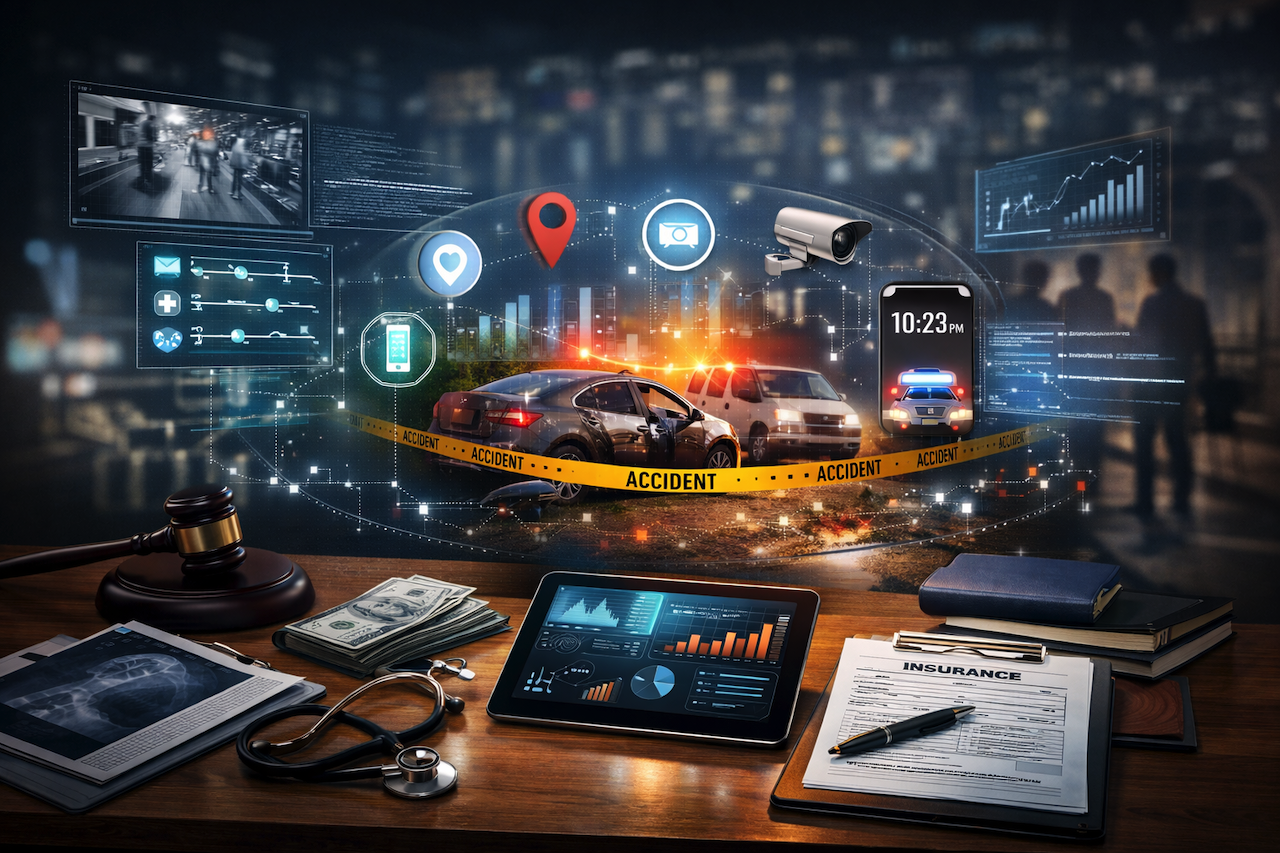
April 6, 2026
How Technology Is Transforming the Way Injury Cases Are Handled
In many situations, an injury case effectively begins before anyone files anything. Data is already being generated—sometimes seconds after an incident:
Read More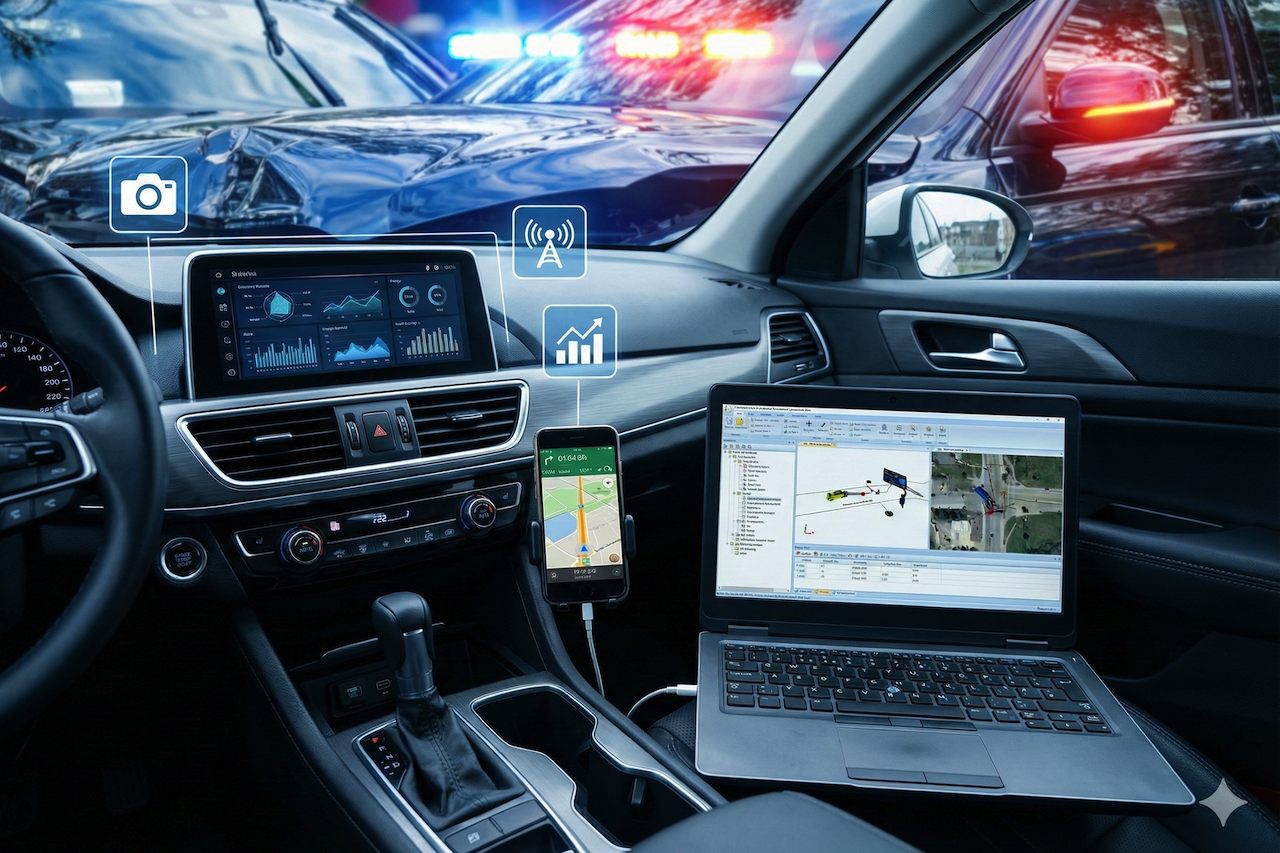
February 3, 2026
Crash Claim Basics: How Digital Evidence Supports Fault and Damages
After a vehicle collision, one of the most important questions is how fault is established and how injuries and losses are proven. Increasingly, digital records—such as dash ca...
Read More
November 24, 2025
5 Steps to Secure Digital Evidence After a Crash
A crash doesn’t give you time to think. One moment you’re driving, the next you’re surrounded by noise, confusion, and adrenaline. While the scene may feel chaotic, the devices you...
Read More
Comments
Comments are available to signed-in users and are moderated to keep the discussion useful and respectful. Spam, automated submissions, and low-value promotional comments are removed. Outbound links may be approved when they are relevant and genuinely helpful to readers, but they are displayed as plain text rather than clickable hyperlinks.
No comments have been published yet.
Please sign in to submit a comment.