
The world of web development is changing rapidly. In 2026, the JavaScript and Node.js ecosystem offers a multitude of modern solutions. Among them are the high-performance Fastify, the architecturally rigorous NestJS, and new runtimes like Bun and Deno. Against this backdrop, Express.js may seem like an industry veteran. This raises a question for businesses and CTOs: Is this framework still relevant today, or should it be retired? The answer is clear: the technology is still going strong. In this article, we will analyze Express.js in 2026, examine its advantages over competitors, and identify commercial scenarios where it remains the optimal choice.
When businesses plan a website overhaul, the conversation usually jumps straight to wireframes, keyword mapping, and server response times. While these technical elements are undeniably vital, they often fail to deliver meaningful results if the core foundation is weak. That foundation is not a sophisticated codebase or a complex search algorithm. It is the brand architecture. The way a company organizes its products, services, and corporate identity in the real world must directly and logically translate into the digital realm. If the overarching brand story is disorganized or contradictory, the website navigation will inevitably be confusing, too. Without a solid brand blueprint, even the most visually appealing websites end up forcing visitors to dig through cluttered menus to find basic information.
There are few things more universally employable than project management. Planning and delivering work in a structured way is a skill required for anything from software development and construction to marketing. Because of the high demand for the skill, project management certifications are among the most effective ways to pay to have it verified. This guide ranks the certifications with the greatest career impact in 2026 and explains their purposes.
There is a standard reassurance that circulates whenever IP addresses come up in privacy discussions: your IP does not reveal your identity. Technically, that is true. Your IP address, on its own, does not contain your name, email address, or home address. What it does contain, however, is far more useful to the people who collect it than that framing suggests.
In the fast-paced world of e-commerce and social media content creation,
editing images is a daily necessity. You might need to erase a
distracting mark from a product photo, remove a stray price tag from a
screenshot, or clean up unwanted text overlays from a banner. AI-powered
eraser tools make object removal surprisingly easy, but they often
leave behind a frustrating side effect: the area where text or objects
were removed can look soft, pixelated, or blurry compared to the
surrounding image.
Modern organizations increasingly depend on interconnected digital
ecosystems to operate efficiently and remain competitive. Cloud
platforms, SaaS applications, APIs, and third-party tools enable
businesses to automate workflows, share data seamlessly, and scale
operations with minimal friction. Customer relationship management
systems connect with marketing automation platforms, financial tools
integrate with analytics dashboards, and internal applications
communicate with external vendors in real time. This level of
integration has become not just an advantage, but a necessity.
Modern businesses rely on smooth, efficient workflows to stay
competitive and organized. Custom software has become a powerful tool
for automating repetitive tasks and reducing manual effort across
departments. It is designed specifically to match unique operational
needs, ensuring every process runs with precision and clarity.
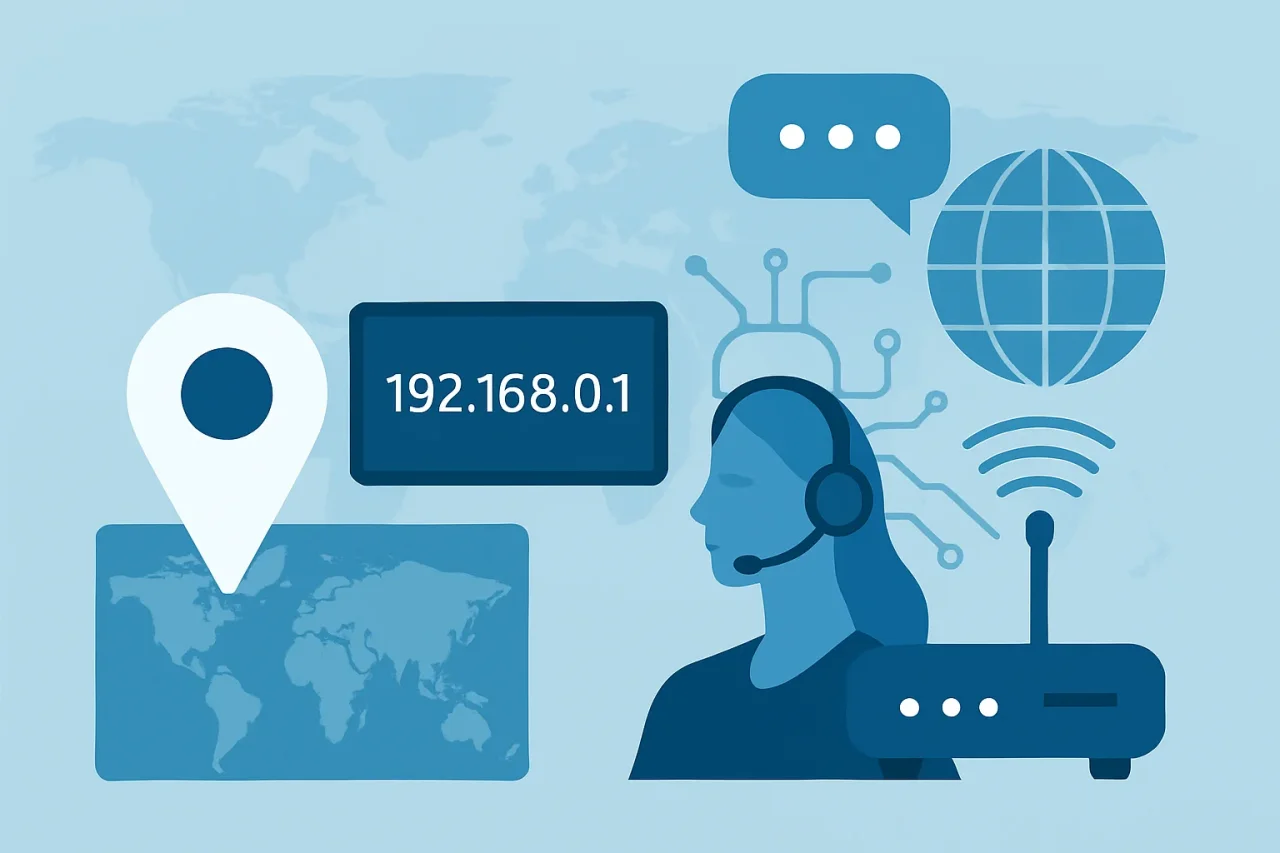
Every visit to your website leaves a digital footprint. Among the most
useful — and most misunderstood — pieces of that data is the visitor's
IP address. It's more than just a string of numbers; it's a window into
where your audience is coming from, how they're connecting, and
occasionally, whether something suspicious is going on.
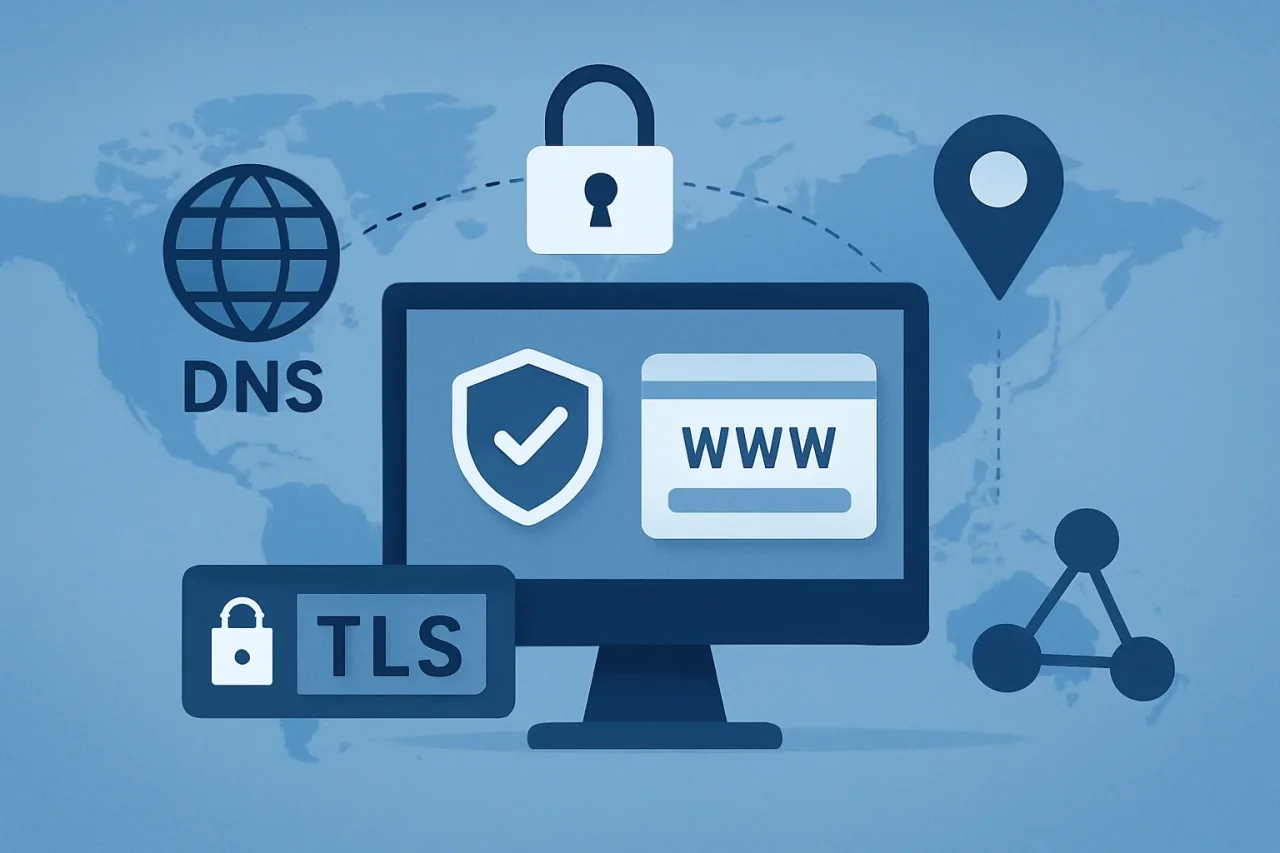
The way we navigate the internet has fundamentally changed over the last
decade. We used to talk about the web as a destination we visited, but
now, it’s an environment we live in. Every interaction we have, from
signing up for a newsletter to making a purchase, leaves a digital
footprint. As users of platforms like iplocation.net already know, our
data is more visible than we often realize. Honestly, it’s a bit
unsettling when you actually stop to think about it. Protecting that
data isn’t just for the tech-savvy anymore. It’s a necessity for anyone
who wants to keep a semblance of personal privacy in a hyper-connected
world.
At IPLocation.net, we prioritize the privacy and security of our visitors. We want you to feel confident and comfortable when browsing our website. That's why we want to assure you that we do not sell or share any personal information collected from our website.
Your trust is important to us. Whether you're browsing our site for information, or engaging with our content, rest assured that any data you provide remains strictly confidential. We adhere to stringent privacy policies and comply with all relevant regulations to safeguard your information.
Your privacy matters, and we are committed to maintaining the highest standards of data protection. If you have any questions or concerns regarding our privacy practices, please don't hesitate to reach out to us.