January 26, 2026
by IP Location

When you own a small business, the first thing people often see is your
website. Many visitors check a site before calling, visiting a store, or
sending an email. Like it or not, people make snap judgments. If a
website looks outdated, loads slowly, or is difficult to navigate,
potential customers may leave without ever learning how good the
busine...
January 26, 2026
by IP Location

There was a time, not so long ago, when the local bank branch was the
center of our financial lives. You knew the person behind the counter,
and honestly, they likely knew your name too. It was a physical
relationship defined by marble floors, heavy doors, and those
particular, limited business hours. Today, that physical footprint is
shrinking. A...
January 24, 2026
by IP Location

IP intelligence used to be one of those “backend” things most teams only thought about when something broke. A bad login spike. A sudden wave of bots. A market expansion that triggered privacy questions.
January 24, 2026
by IP Location

Healthcare organizations worldwide are under increasing financial
pressure. Rising patient volumes, complex payer rules, workforce
shortages, and administrative burdens are stretching revenue cycle
management (RCM) teams to their limits. The existing automation tools
provide some assistance to businesses, but their operational functions
remain phys...
January 23, 2026
by IP Location
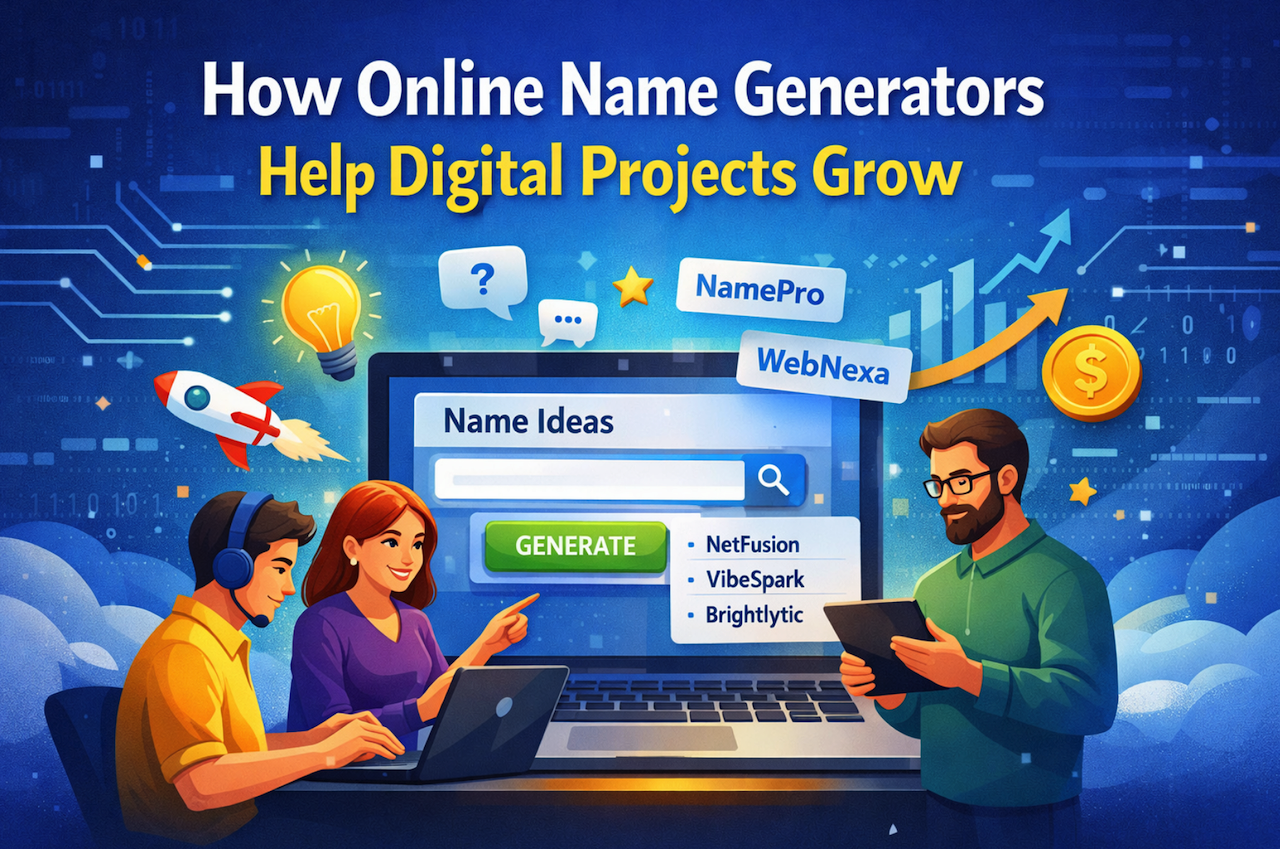
It’s that time when you are starting a digital project, and it is
exciting, right? You have this great idea, but one tiny step can throw
it all off course: choosing the correct name. A name creates an image,
forms a first impression, fosters credibility, and triggers memory
recall. Here’s where online name generators quietly help make a
difference.
January 23, 2026
by Liam Campbell

Deciding on a domain name is no longer just an advertising strategy. For
individuals in professions such as website security, cybersecurity,
intellectual property, and domain name management, getting the right
domain name has become a matter of legal and security balance. Opting
for an inappropriate name may jeopardize future legal and security
con...
January 23, 2026
by IP Location

Open source software is the foundation of modern engineering. It allows
startups to build like giants and giants to innovate like startups. But
beneath the surface of free code lies a legal minefield that many
development teams walk through blindfolded.
January 22, 2026
by Dheeraj Manghnani
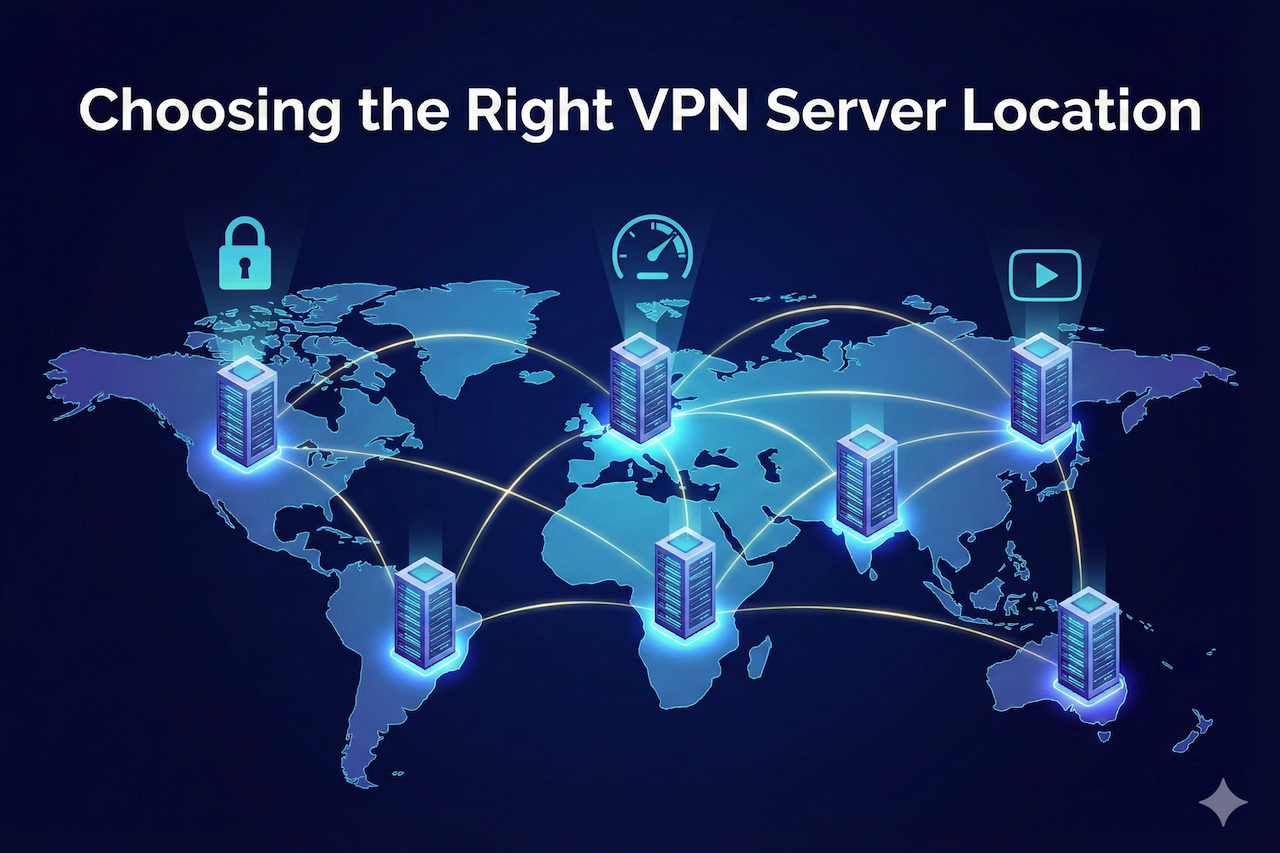
As the digital world becomes more integrated into everyday life,
protecting online privacy has become increasingly important. One
commonly used approach for enhancing privacy and managing online access
is connecting through a Virtual Private Network (VPN). However, the
effectiveness of a VPN connection depends not only on the service
itself, but al...
January 21, 2026
by IP Location

In semiconductor manufacturing, success is measured in microns. The slightest variation will affect performance, reliability, and ultimately output. With new geometries being scaled down, along with increasingly complex architectures, precision equipment in the manufacturing process has become necessary.
January 21, 2026
by IP Location
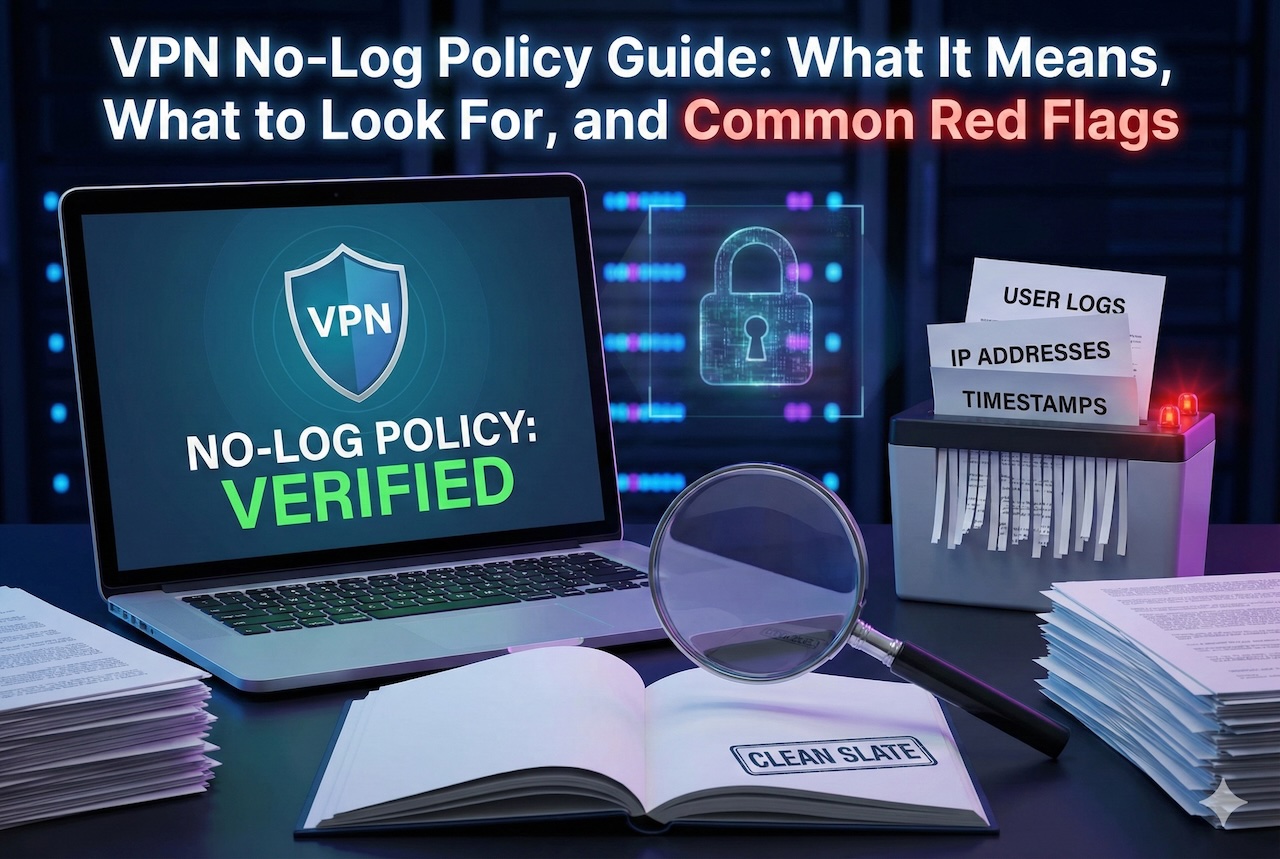
A “no-log” VPN can be a strong privacy tool, but the phrase is often used loosely. Some providers mean they do not record
your browsing activity, while still collecting connection metadata. Others avoid storing identifiable data entirely, or
keep only minimal operational data for short periods. This guide explains what a VPN no-log policy typically...