March 4, 2026
by IP Location

In the early days of the internet, a click was just a click. Today,
every interaction on your network carries a massive amount of metadata.
If you aren't paying attention to that data, you are likely leaving your
marketing budget vulnerable. For those managing affiliate networks or
large-scale digital campaigns, the shift from "growth at all costs" t...
March 4, 2026
by Noor M
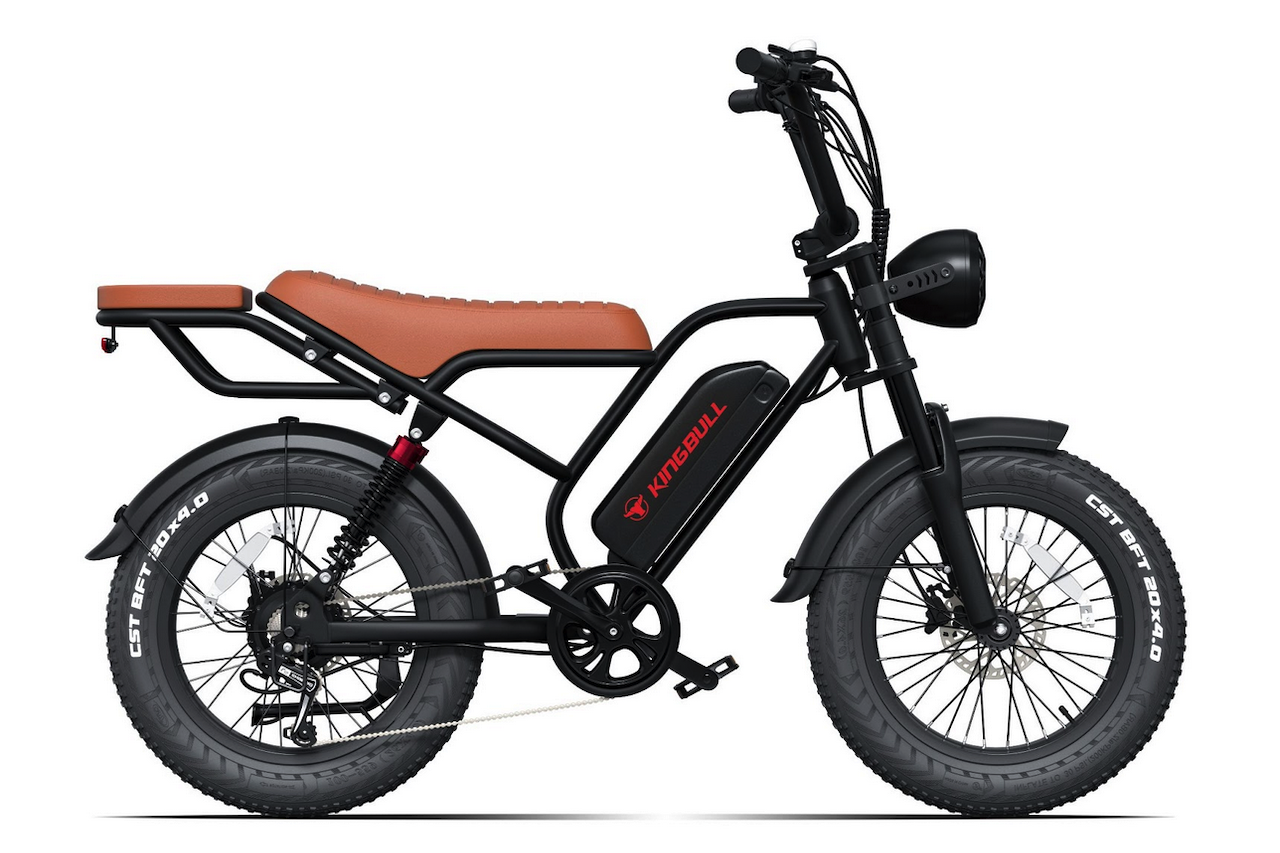
The Kingbull Ranger enters the fat-tire e-bike category with a highly aggressive value proposition: 1500W peak output, dual suspension, 80-mile claimed range, and motorcycle-inspired styling—all positioned in the $700 early launch range via Kingbull.
March 4, 2026
by Omkar Deo

Privileged session recording tools sit at the uncomfortable intersection of trust and verification. They allow security teams to observe, audit, and, when necessary, interrupt high-risk administrative activity across cloud, on-prem, and hybrid environments. In 2026, modern Privileged Access Management (PAM) platforms are not just recording screens. They comb...
March 4, 2026
by Peter Basil

When you travel internationally, your digital identity shifts in ways that most people never think about. Your IP address, the numerical label that identifies your device on the internet, changes the moment you connect to a foreign network. This has implications for everything from the content you can access to the accuracy with which geolocation databases c...
March 4, 2026
by Emily Carter
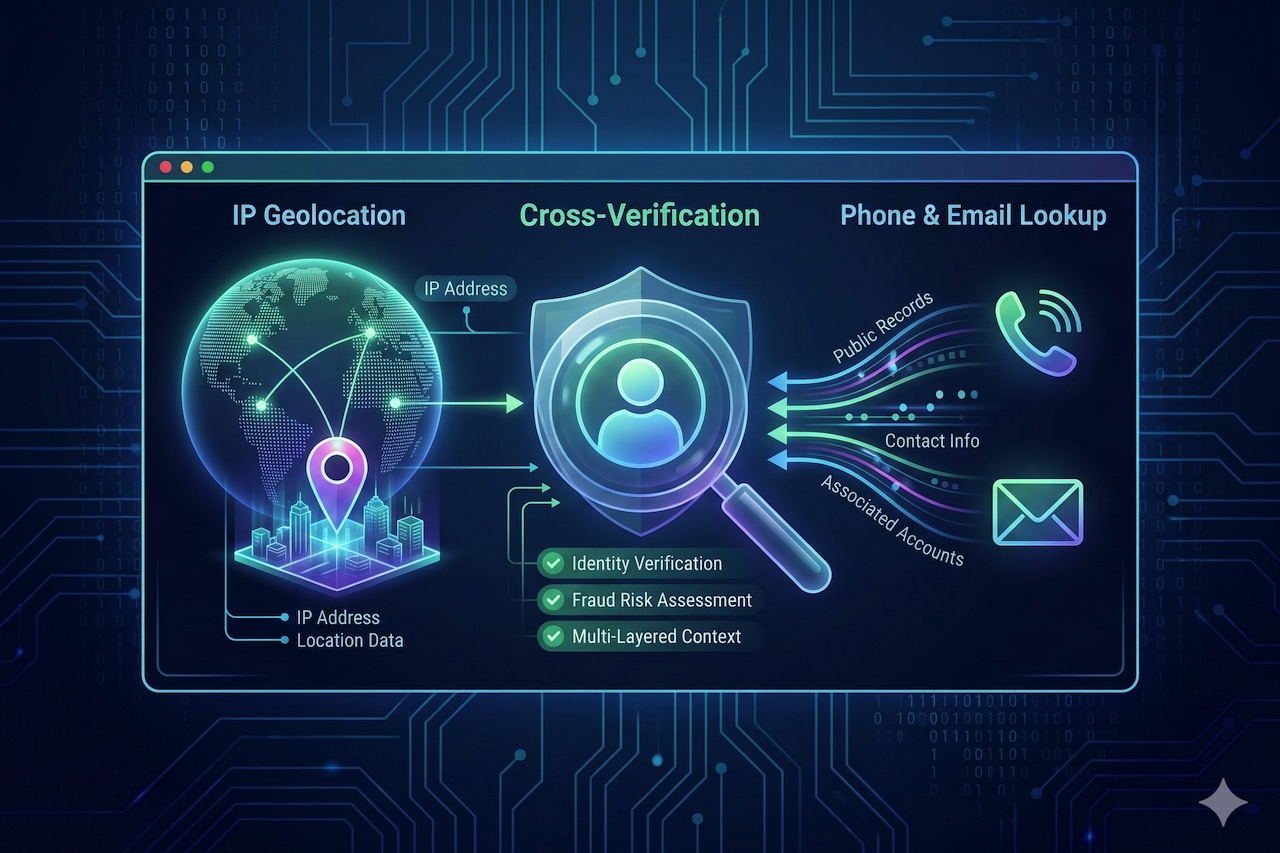
In today’s interconnected digital environment, understanding who may be
behind a phone number, email address, or IP connection has become
increasingly important. From cybersecurity professionals to everyday
users, people often rely on various tools to verify identities and
reduce online risks.
March 3, 2026
by Matt Willis

IT companies face mounting pressure to deliver instant, accurate tech
support while managing complex infrastructure queries and
troubleshooting requests. Traditional support models struggle to keep
pace with the volume and technical depth required. AI-powered chatbots
have emerged as essential tools, automating routine troubleshooting,
intelligentl...
March 3, 2026
by IP Location
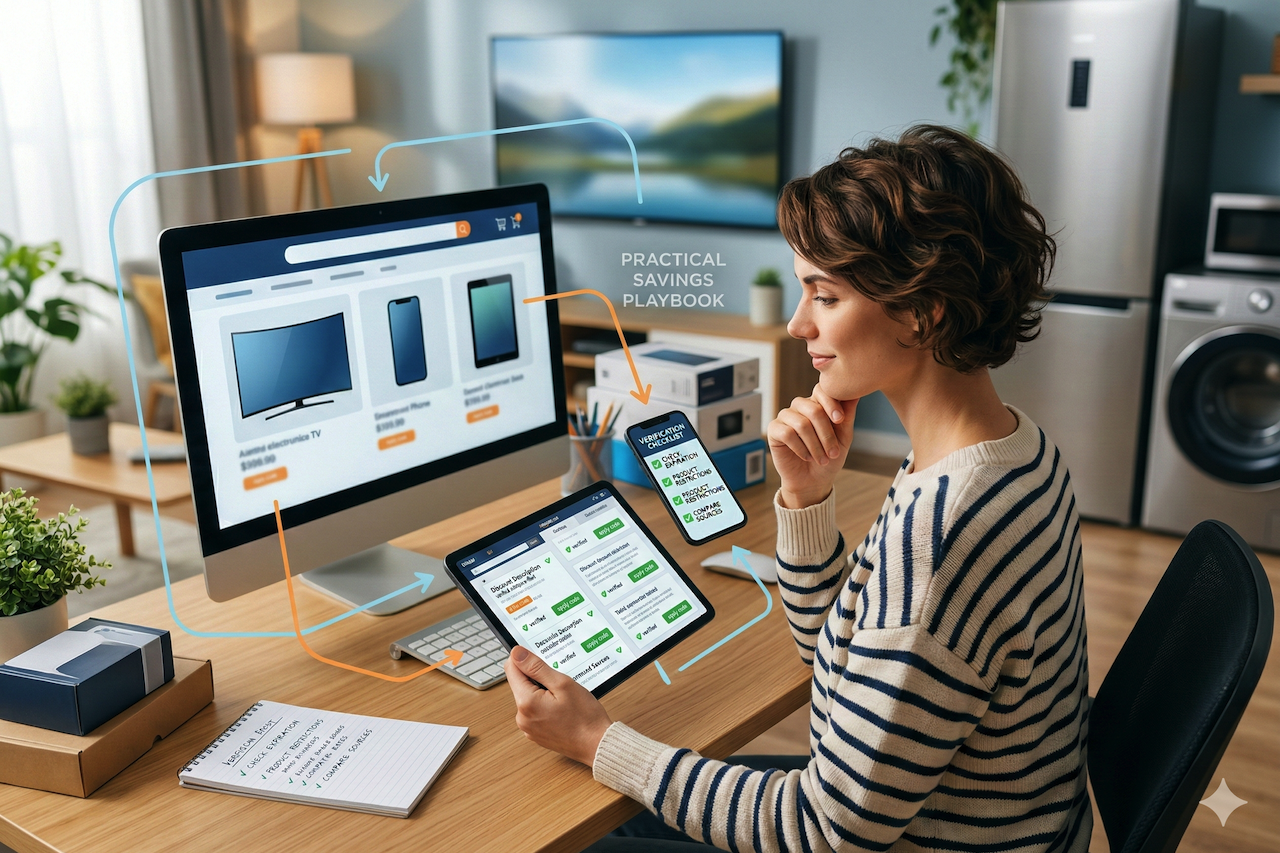
Saving money on Samsung products matters because these devices often sit
at the premium end of consumer electronics pricing. Whether upgrading
to a new Galaxy smartphone, purchasing a tablet, investing in a
large-screen television, or adding smart appliances and accessories to
our homes, the total cost can escalate quickly.
March 3, 2026
by IP Location
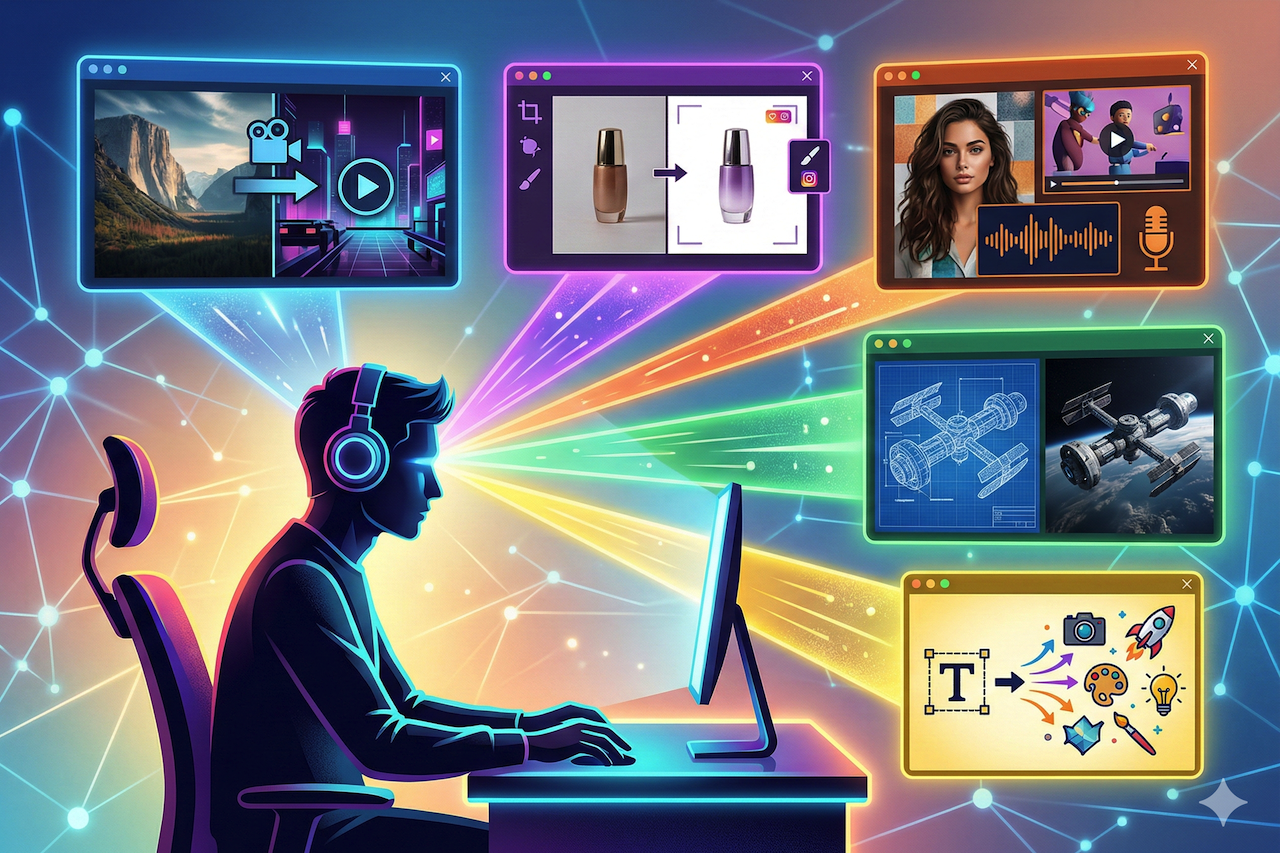
AI has completely changed how visual content is created. What once
required professional design software, stock photo subscriptions, and
hours of editing can now be done in minutes using AI image generators.
March 3, 2026
by IP Location

In 2026, Message Queuing Telemetry Transport (MQTT) is the unsung hero keeping IoT devices chatting smoothly, from smart factories to city sensors and self-driving cars. But as hackers get smarter, using AI and new tech, leaving your data streams unprotected is like leaving your front door wide open. Here's straightforward advice to lock things down: focus o...
March 3, 2026
by IP Location

If you think too much screen time is the only cause for digital
overwhelm, think again. In reality, it's the build-up of inputs,
decisions, alerts, and incomplete tasks that quietly erodes your mood,
concentration, and productivity. To reboot, you don’t need another
digital detox weekend. You need a deliberate approach that changes how
your brain r...