Blog Category


Mask IP on Windows

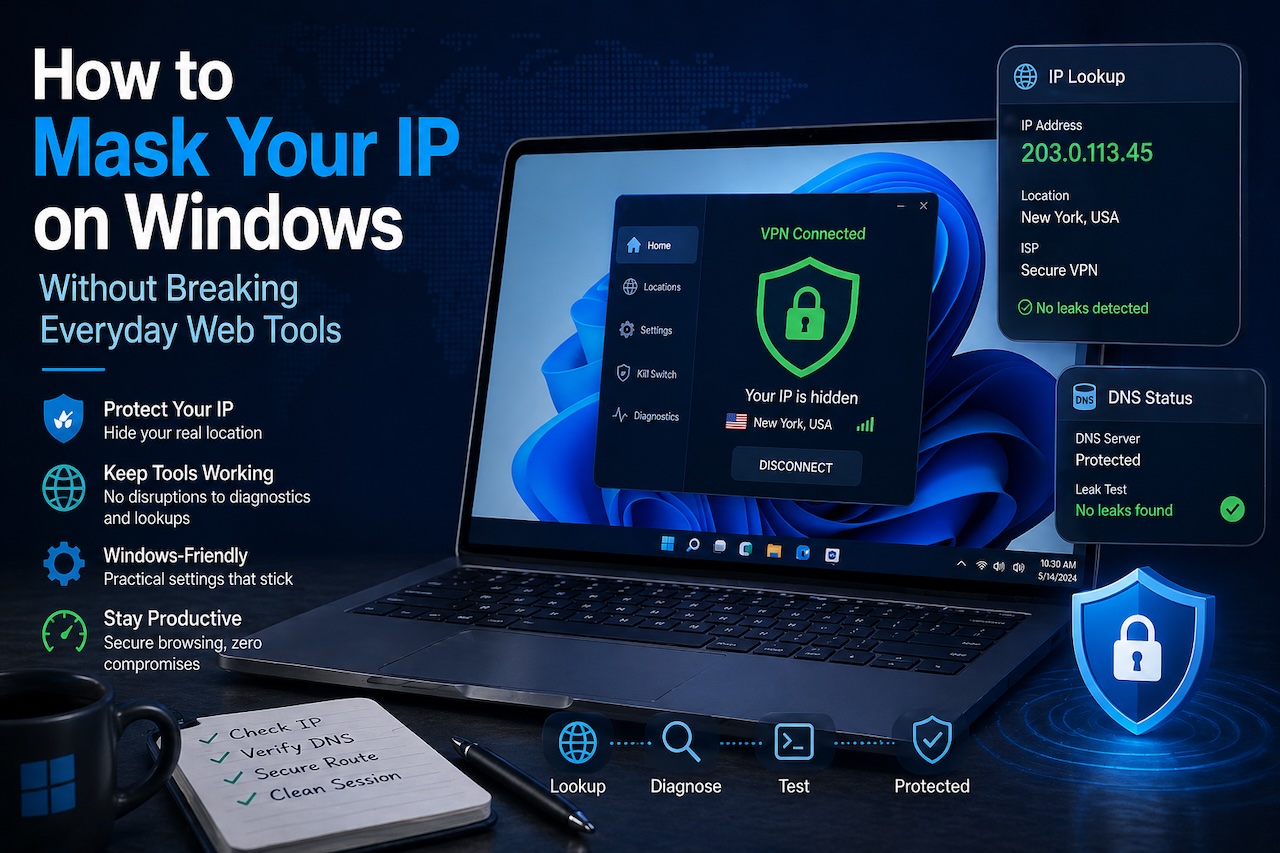
People who live in IP tools usually know too much to trust slogans and too little time to babysit every session. That is why this section matters. In IP lookups, DNS tooling, and web diagnostics, separate visibility problems before you try to fix them is less about theory and more about how people behave when the connection looks good enough and the task feels urgent. For people who use network utilities and still need normal browsing to work, the weak spot is usually repetition rather than drama. A stale profile. A trusted hotspot that should not be trusted. A session reused because reopening it feels annoying. I think that is why generic privacy advice keeps sounding smarter than it is useful. It assumes stable context, clean attention, and users who always notice drift before it matters. Real life is messier. A Windows setup only earns trust when it still works on rushed days, on tired days, and on days when the network conditions shift halfway through the job. So the standard here is not perfection. It is durable behavior under normal pressure.

IP Intelligence Detecting Attacks

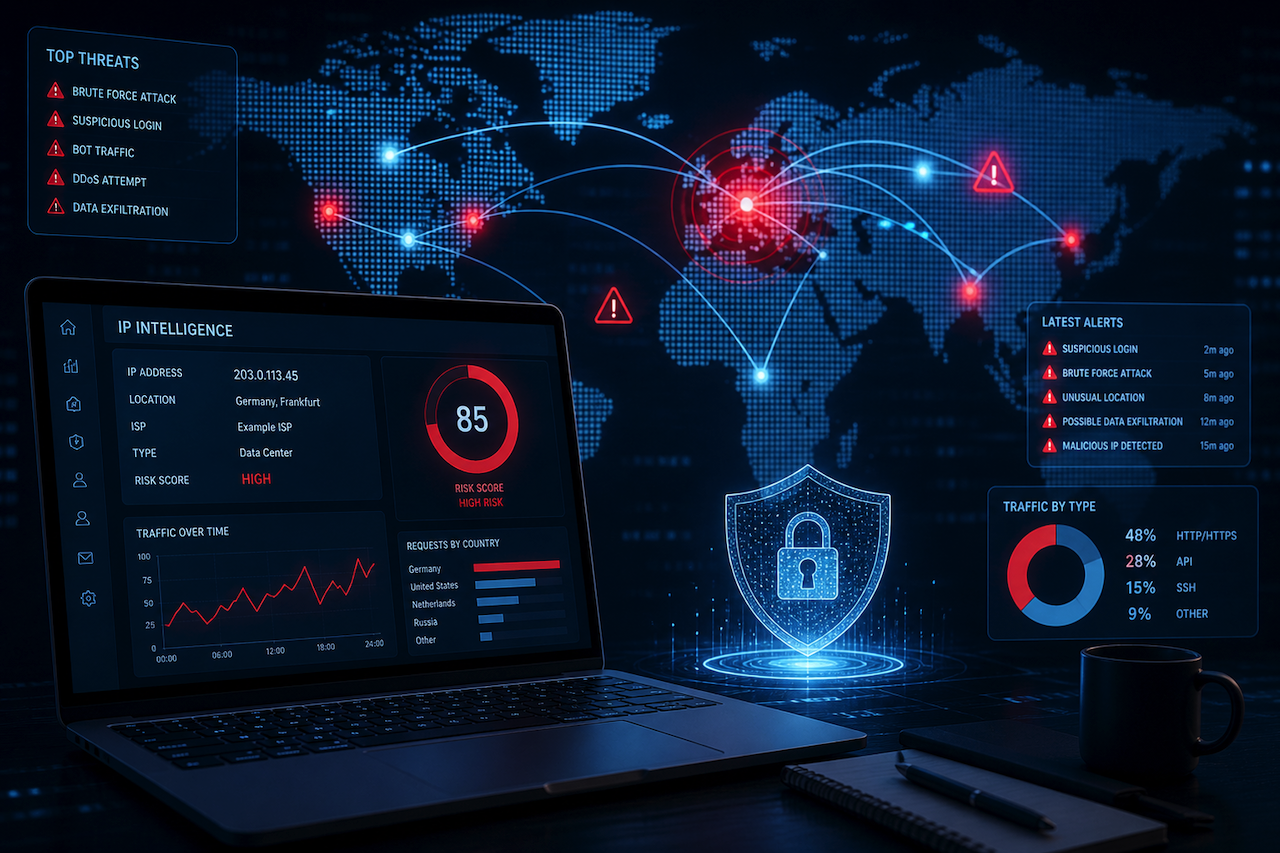
Credential stuffing has become one of the most prevalent threats in modern cybersecurity. Unlike traditional brute-force attacks, credential stuffing doesn't rely on guessing passwords. It uses stolen username-and-password pairs from previous data breaches to attempt access on entirely different platforms. The approach is disturbingly effective because people reuse passwords across multiple accounts, turning one breach into a skeleton key for dozens of services. The pattern is ever-evolving too.

Factors to Choose trusted IP Broker

The IPv4 address market has entered a pivotal chapter. With prices at historic lows and available supply shrinking every quarter, the window for strategic acquisition is wide open — but it will not stay that way. Choosing the right broker is no longer a nice-to-have; it is the single most consequential infrastructure decision a growing network can make.

AI IP Enhancements

In today’s data-driven digital environment, understanding where users come from is more important than ever. IP location technology has long been used to identify geographic information based on IP addresses, supporting cybersecurity, marketing, fraud prevention, and content personalization. However, traditional IP lookup tools often provide raw data without deeper context. This is where artificial intelligence is beginning to redefine the landscape.

IP Address

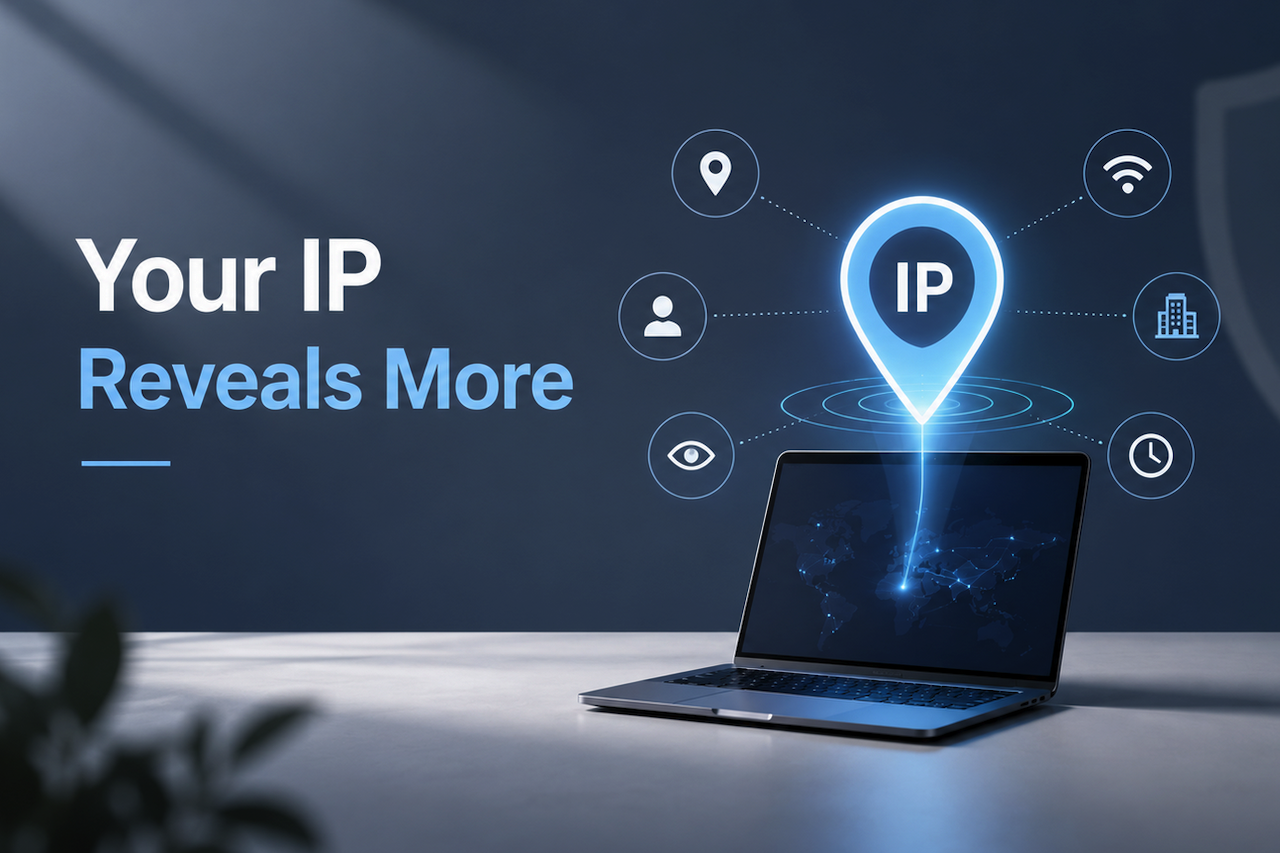
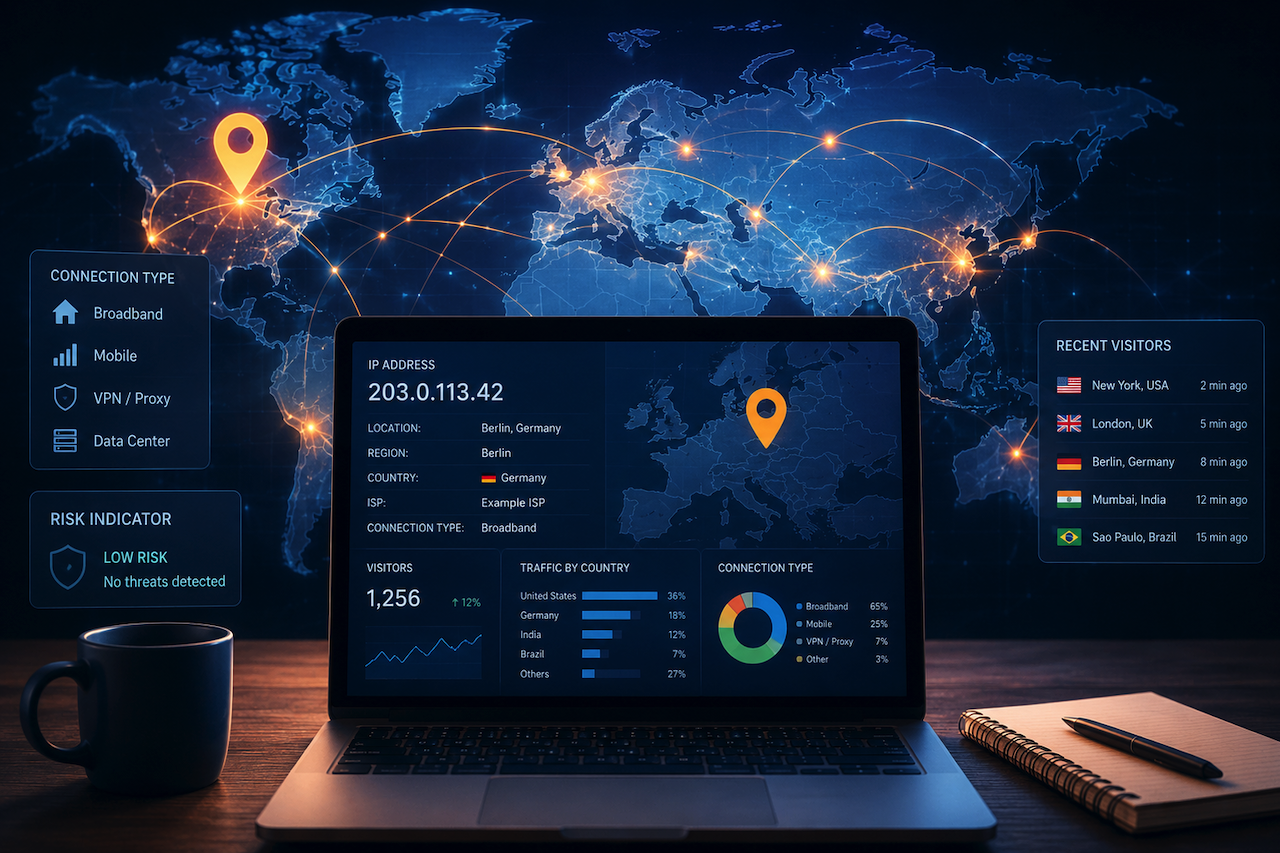
Each device connected to the internet is assigned a distinct numerical label. This label, commonly known as an IP address and automatically assigned by your network, serves as a return address that accompanies all data you send and receive online, ensuring that information travels back to the correct device. Most people rarely give this seemingly mundane string of numbers any thought, yet it carries significant weight in shaping and defining the core of your digital identity online. From the websites you visit to the online services you use daily, your IP address quietly reveals details about your geographic location, your internet service provider, and sometimes even your personal browsing habits. Understanding how this identifier functions is not merely a matter of technical curiosity but rather a practical necessity for anyone who genuinely values their personal privacy and online safety in an increasingly connected world during 2026.

IPv4 Brokers

The global pool of IPv4 addresses has been officially exhausted for over a decade. Since IANA distributed its last free blocks in 2011, businesses have been forced to turn to the secondary market to acquire the IP addresses they need. And in 2026, with AI infrastructure, cloud expansion, and broadband initiatives like BEAD funding driving demand higher than ever, choosing the right IPv4 broker has never been more important.

IP Location Paradox

It is estimated that only 1% of the world’s habitable land is considered urban. Rural areas represent most of the total land area in the world hosting 40-43% of the global population according to Phys.org. These areas present a unique set of challenges that are caused by a low local population and geographic isolation. The digital divide is one of the biggest hurdles for rural development making it difficult to undertake rural property assessment. Specifically, internet protocol (IP) addresses are often viewed as digital footprints that help verify a property’s location. Unfortunately, these can become traps for inaccurate valuations.

IP Reputation

Most security decisions are made automatically before a user logs in to the website. Long before a click, scroll, or form submission, a connection already carries technical signals that describe how a user may behave, where traffic comes from, and more. These underlying signals often provide additional context that complements early on-site behavior.