Blog Category


TV streaming

Every time you connect to the internet, whether from a computer, smartphone, or smart TV, your device receives a unique identifier known as an IP address. This digital tag not only helps websites recognize your device but can also reveal your general location, such as your city or country. This process, called IP geolocation, plays a major role in how streaming platforms and online services tailor content for viewers.

IP location

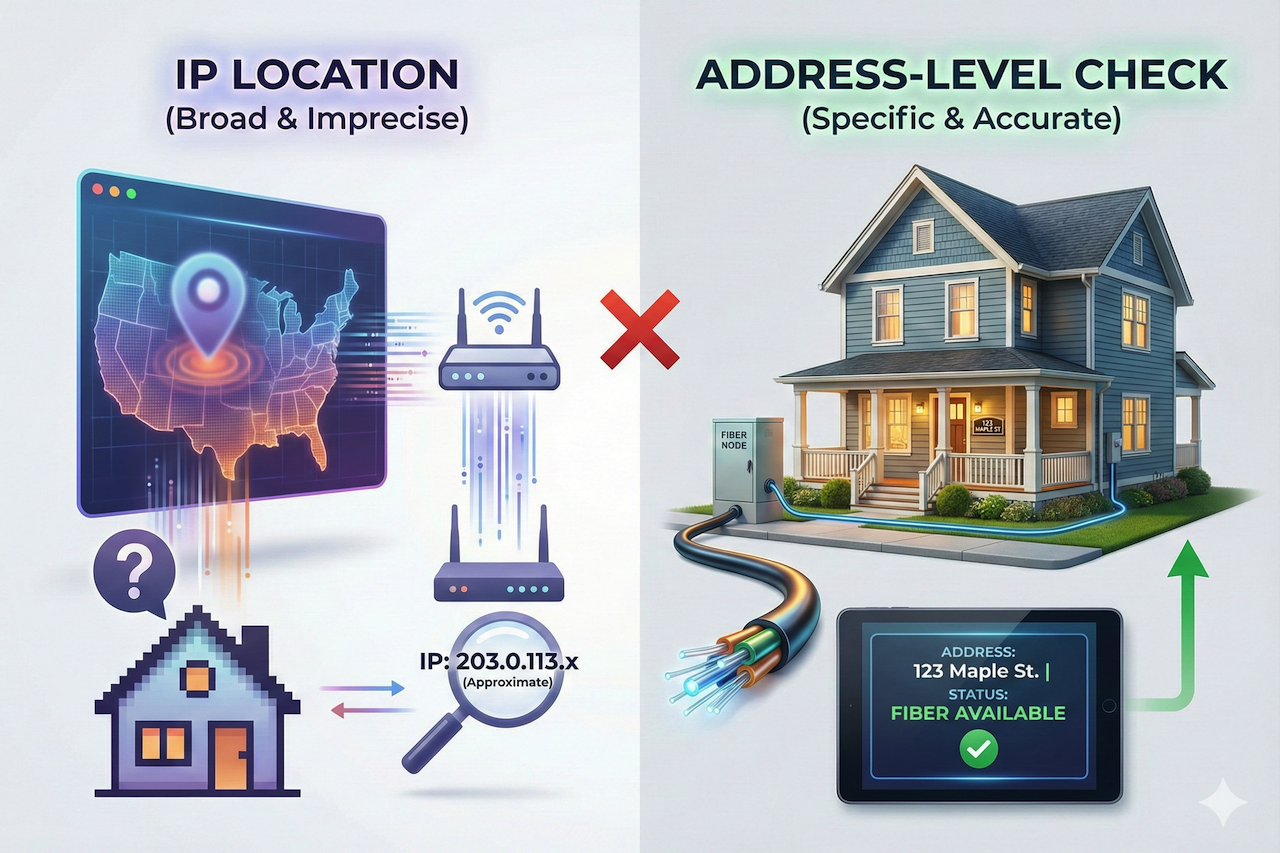
In our digital world, every device connected to the internet has an IP address — a unique string of numbers that identifies your device on the network. But did you know that this IP address also reveals the geographical location of your device? This is called IP Location, and it plays a big role in how websites, services, and apps deliver content to you.

5 Things You Should Know Before Changing Your IP Address

Ever wondered if changing your IP address will make you completely anonymous online? While it's true that switching your IP can give you a fresh digital identity, there's more to the story. Many people jump into IP-changing tools expecting total privacy or access to restricted content—but without understanding the full picture, they might expose themselves to risks or disappointments. Before you take any steps, it's important to know what changing your IP address can and can’t do. In this article, we’ll walk you through five key things you should understand so you can make smart, informed decisions—no tech skills required.

Real-Time Alerts

Tracking an IP address can reveal far more than just the device behind it. A request for time right now may seem simple, yet location data and alerting systems ensure responses adapt to where a user actually is. Even something as ordinary as setting an online alarm clock relies on accurate IP detection to provide context-aware timing.

Cybersecurity

An IP address is a unique number assigned to every device connected to the internet, and every single online action, like sending an email or visiting a website, involves it. We can view IP address data as digital fingerprints that can help identify threats and track suspicious behavior before it causes any significant harm.

Digital Footprint

In the vast and interconnected world of the internet, every action we take leaves behind a digital trace. Whether it's visiting a website, sending an email, or using an app, most online activity is tagged with one thing: your IP address. For most users, it's just a technical string of numbers but it holds more value and risk than many realize.

Random IP Address

If you’re wondering how to get a random IP address for your mobile phone, personal computer, or tablet, you’ve come to the right place! Whether you’re looking to protect your privacy, bypass restrictions, or just explore the web freely, having a random IP address can be super helpful. It’s not as complicated as it sounds, and the process can be broken down step by step.

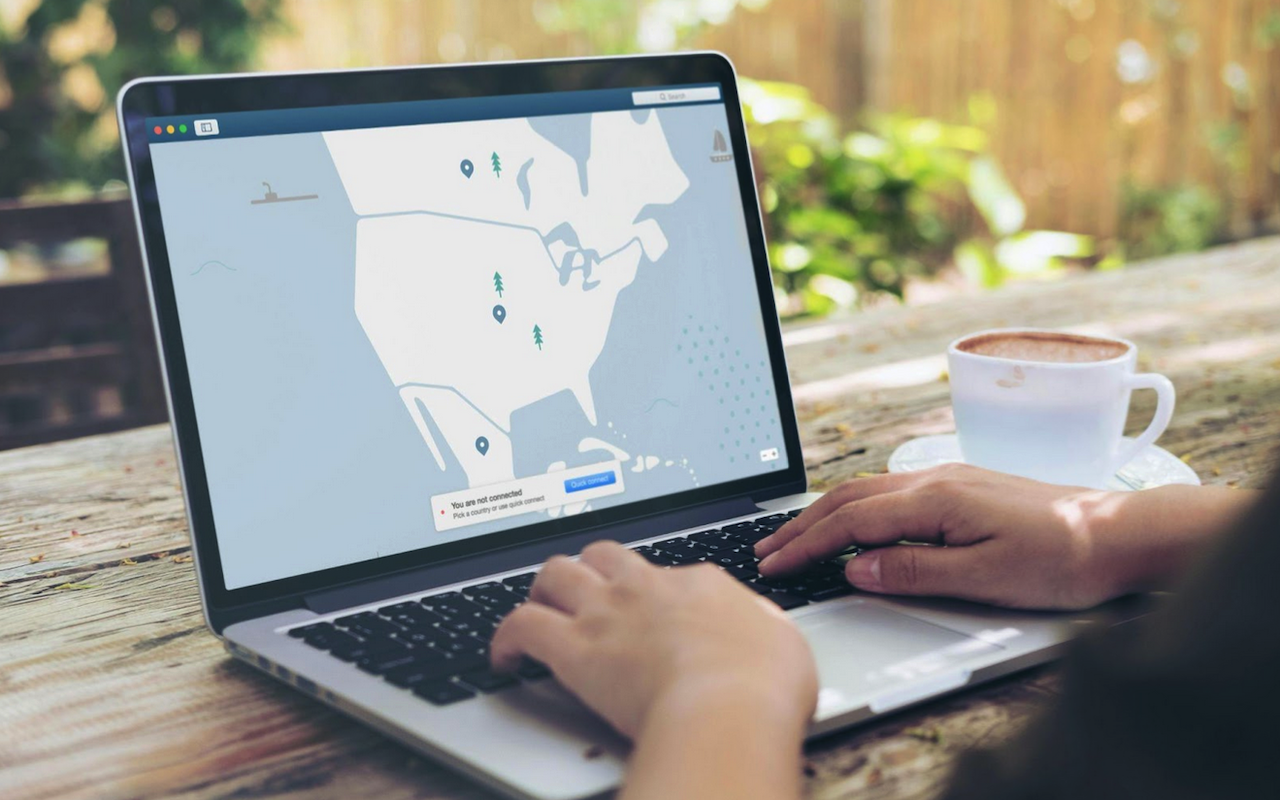
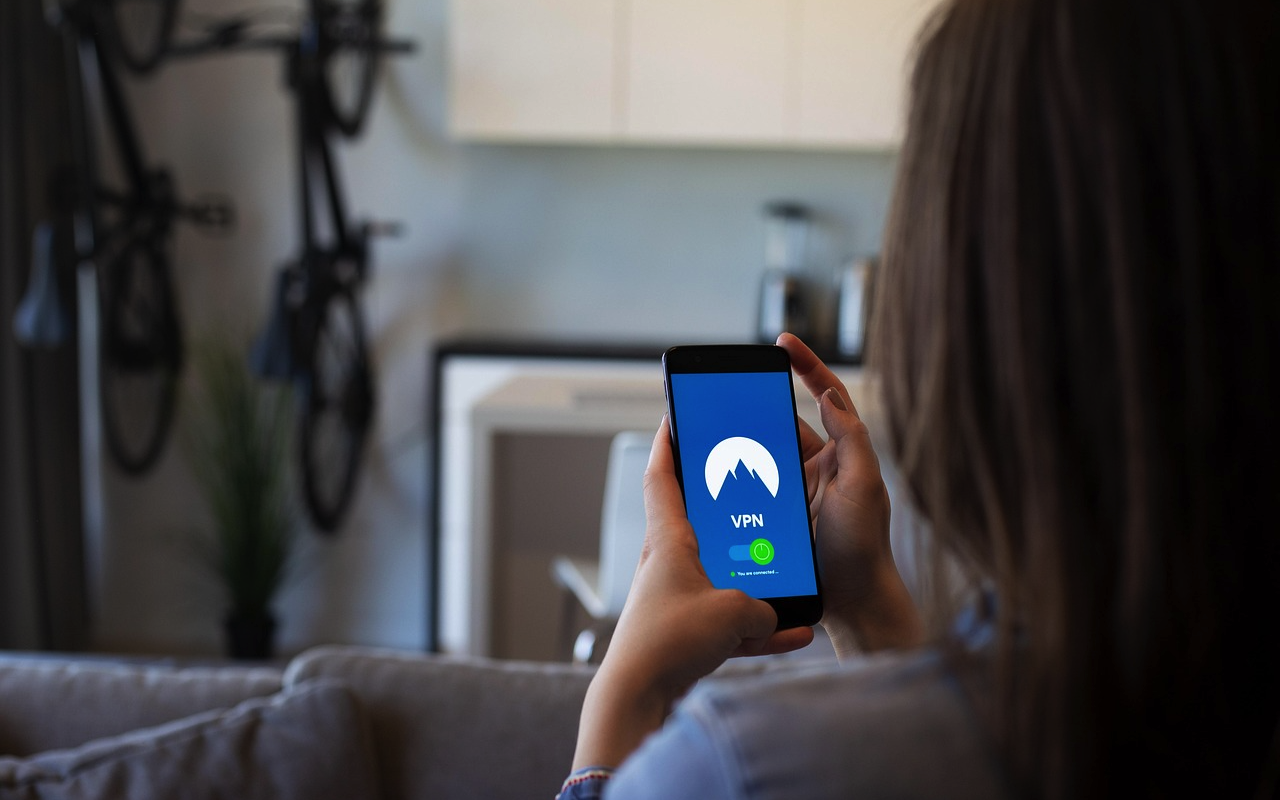
VPN on laptop screen

Cryptocurrency trading is growing, which means more exposure to crime and fraud. Traders need to pay closer attention to privacy, security, and how their online activity can be traced. One often overlooked factor is IP location, which is your device’s digital address that reveals where you're connecting from. While it seems like a small detail, your IP location can affect everything from account access to cybercrime risks, especially in a market that prizes anonymity and speed.

IP Masking

In today’s fast-paced digital world, more people are looking to buy crypto online in the USA as cryptocurrencies become a household name in the financial landscape. Platforms like CEX.io make it easier than ever to enter the market, offering a streamlined way to purchase and trade digital assets. Whether driven by the allure of decentralization, the promise of high returns, or the simple desire for autonomy, the world of digital assets is growing by leaps and bounds. However, with greater adoption comes increased scrutiny, and what many initially believed to be a private way to transact is, in fact, more transparent than it seems. Like leaving footprints in wet cement, crypto transactions, if left unguarded, can trace back to your identity. That’s where IP masking comes into play, offering a layer of protection against prying eyes.