August 13, 2025
by IP Location

Modern organizations face a dual challenge. Compliance standards grow increasingly complex, and cyber threats advance in sophistication. To remain secure and accountable, businesses are turning to automation. By combining Red Teaming as a Service (RTaaS) with SOC 2 compliance automation platforms, enterprises can merge offensive security testing with structu...
August 11, 2025
by Hassan Rafiq
In the vast and interconnected world of the internet, every action we take leaves behind a digital trace. Whether it's visiting a website, sending an email, or using an app, most online activity is tagged with one thing: your IP address. For most users, it's just a technical string of numbers but it holds more value and risk than many realize.
August 5, 2025
by IP Location
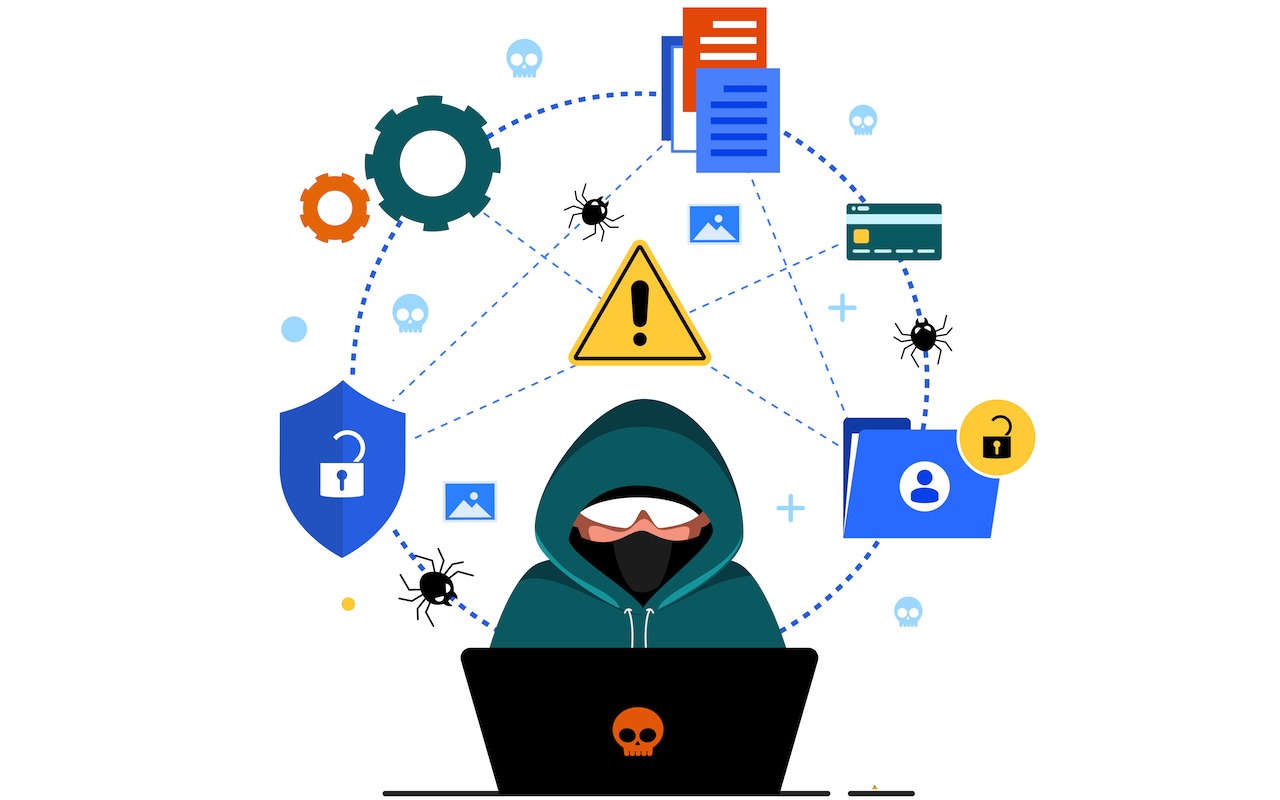
Today's students are used to living and learning online, but it's not
always easy to stay safe. Smart cyber hygiene, also known as digital
hygiene, refers to the practice of keeping devices and online identities
clean and secure through consistent daily habits. Students can reduce
risks like hacking, phishing, or data loss by following clear
instru...
August 4, 2025
by IP Location
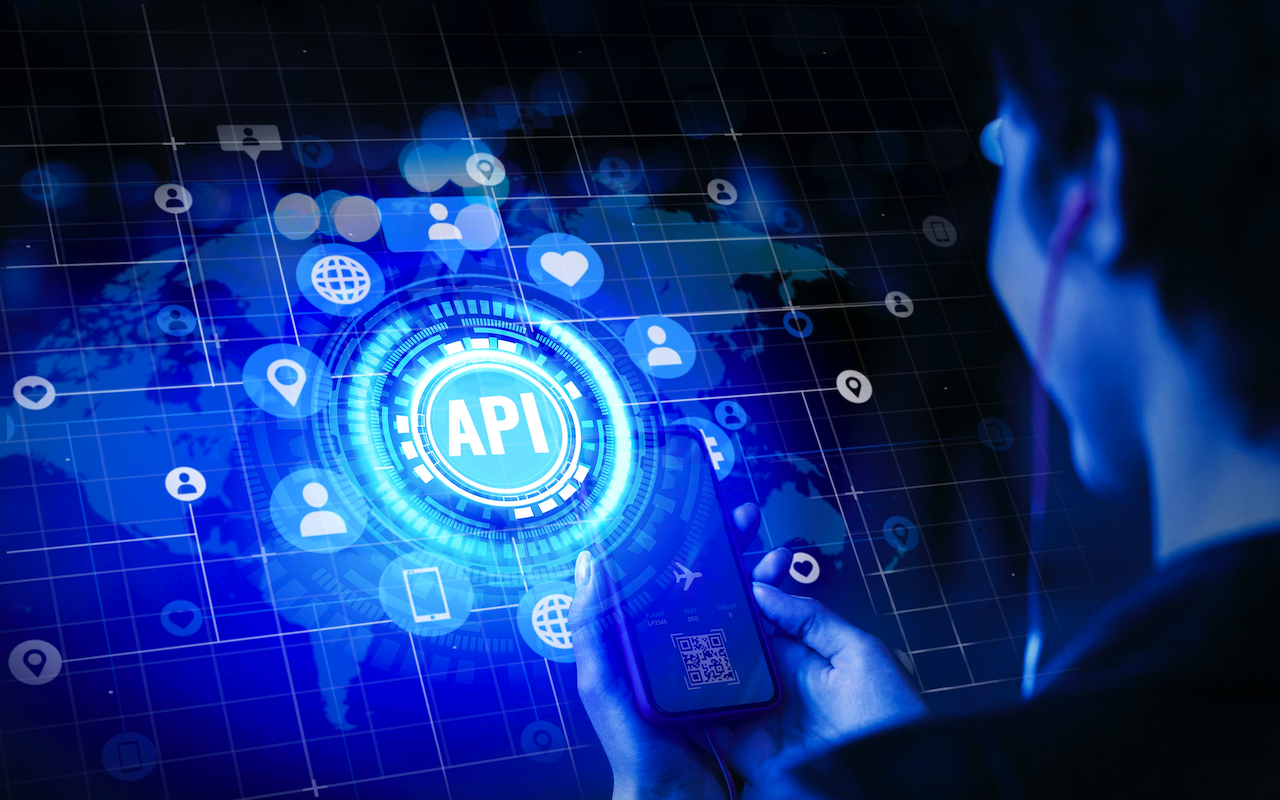
APIs, or Application Programming Interfaces, open doors — sometimes too many. When third-party applications communicate with an API, they do so via endpoints, specific URLs that locate the data being requested. These endpoints are designed to be predictable and stable, often incorporating versioning. However, their static nature also makes them prime targets...
August 4, 2025
by IP Location

In the digital age, ensuring the security of data during online collaborations is crucial. IP-based threat detection plays a vital role in identifying and mitigating cyber threats, offering a robust security solution for file sharing networks.
August 2, 2025
by IP Location

So, you’ve got your VPN running, your browser’s in incognito mode, and you’re thinking: finally, I’m invisible online. Hate to break it to you, but no, you’re not. You’ve just scratched the surface of what it takes to stay private on the internet. And if your only line of defence is masking your IP address, you’re still playing a losing game.
July 31, 2025
by IP Location

Hackers aren’t picking locks; they’re logging in. That’s the reality of
modern cyber threats. Today’s attacks often start with compromised
credentials or misused access, not flashy malware. And yet, many teams
still focus on the outer layers while leaving identity exposures wide
open. It’s like locking the front door but leaving the windows open.
July 29, 2025
by Alisa Nemova
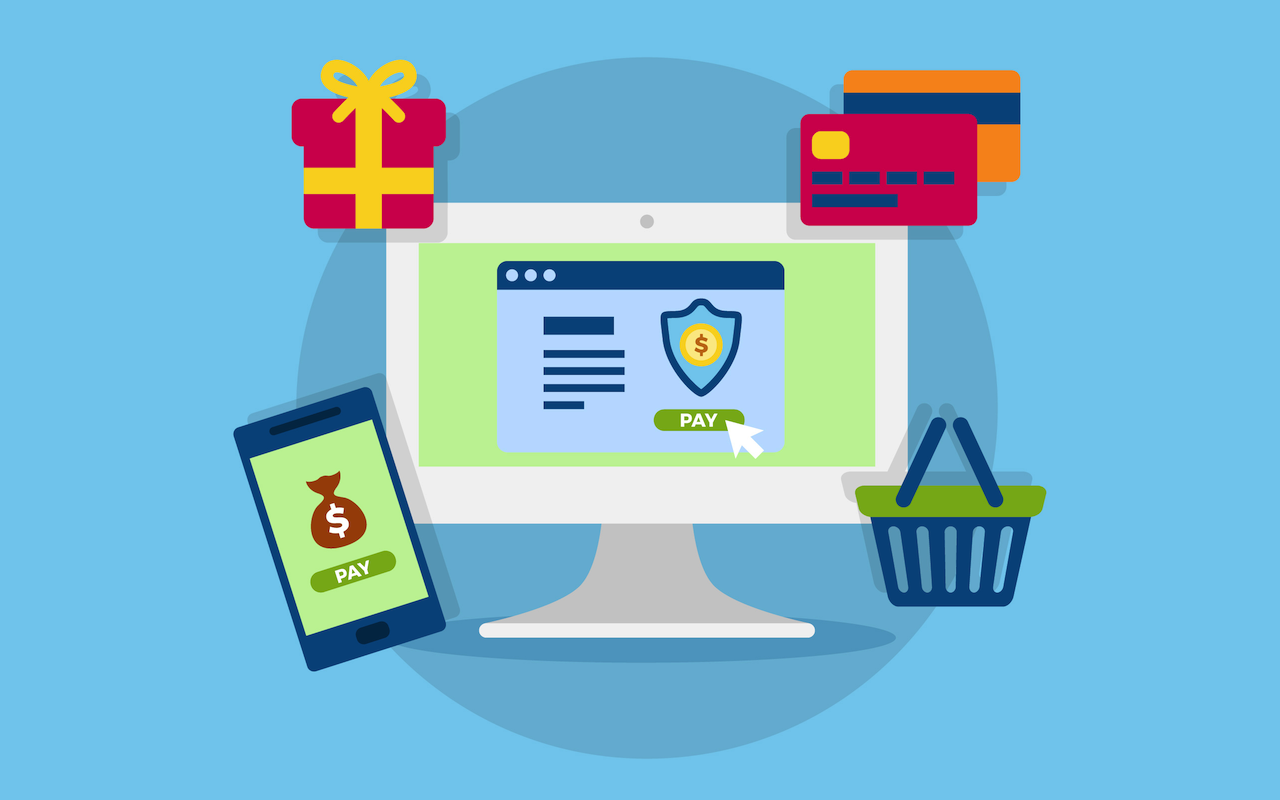
Cyberattacks on eCommerce platforms are becoming more frequent and sophisticated. From brute-force login attempts to DDoS floods and API scraping, online stores face constant threats that can compromise data, disrupt operations, and undermine customer trust. As a result, strong cybersecurity is no longer optional; it's a competitive advantage.
July 28, 2025
by IP Location
How relieved would you feel if your organization could anticipate threats before they even happen?
July 24, 2025
by IP Location

Cybersecurity might seem like a separate world from system administration, networking, or web infrastructure. But if you understand how IP traffic flows, how DNS works, or how to interpret traceroute output, you’re already halfway into the field.