October 2, 2023
by IP Location
With the digitization of everything that’s taking place today, cybersecurity is a pivotal concern irrespective of industry or business size.
This is especially true for organizations that need to handle global payroll management, where critical personal and financial data are dealt with daily.
September 21, 2023
by Erika Balla
In a world that is becoming increasingly digital, the significance of cybersecurity cannot be overstated. As we navigate this digital era, staying one step ahead of potential threats is vital. Let's journey through the evolving landscape of cybersecurity and discover the trends that will shape our digital safety in the coming years.
September 15, 2023
by IP Location
As the world becomes more digital and people have less control over how their data is collected and shared, the risk of identity theft is increasing alongside the incidence of it happening. Data leaks make the headlines on an almost daily basis, with sensitive information making its way to the black market.
September 7, 2023
by Scott Seong

In today's interconnected digital world, the Internet is rife with cyber threats that can jeopardize the security of organizations and their reputation. Cyberattacks are on the rise, becoming increasingly advanced, and leaving a trail of financial damage in their wake. In this perilous environment, the importance of cybersecurity awareness training for emplo...
August 28, 2023
by IP Location
In today’s world, everything is on the web – from banking, company information, to business data. Though everything has become accessible, maximizing web security has become imperative to avoid data breaches. And one effective solution is using PKI tools. PKI or Public Key Infrastructure ensures your data remains encrypted at its base. It is the core of any...
August 1, 2023
by IP Location
Sending money online used to be scary. Most people didn’t have credit cards and those who did fear that someone would steal their hard-earned cash. That might seem like it happened in the distant past, but it’s quite recent.
Companies like Amazon struggled with it. Jeff Bezos mentioned how people from Bulgaria sent money for their orders by sticking cash...
July 31, 2023
by IP Location
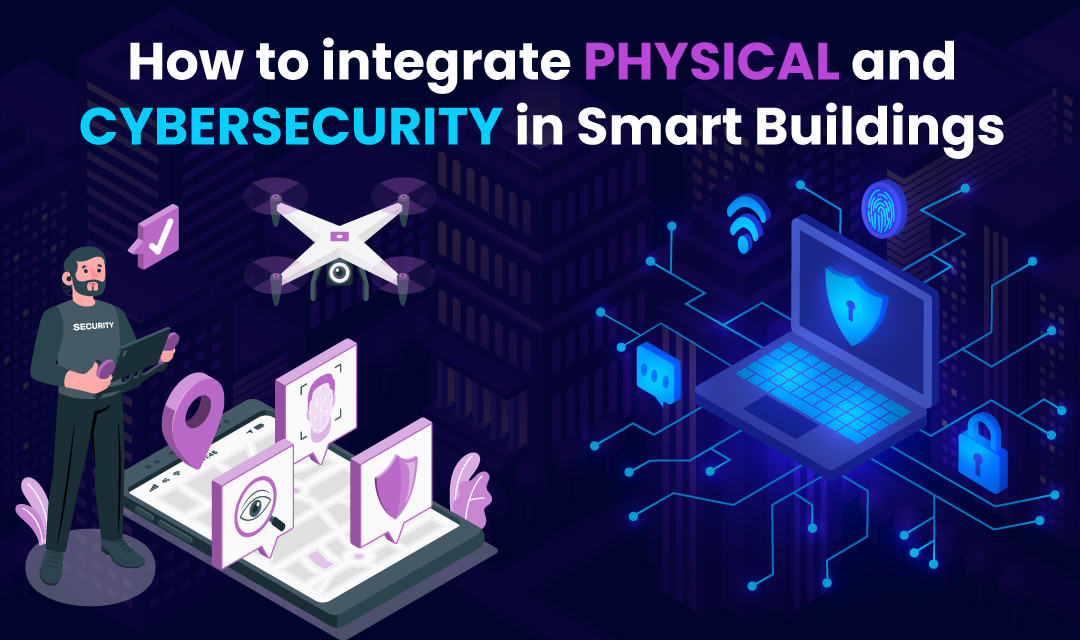
Physical and digital security are equally important. As technology advances, the importance of integrating physical and cybersecurity in smart buildings has become increasingly apparent.
In this article, we'll explore the key areas of smart building security, including understanding risks, implementing effective security measures, and staying ahead of pot...
July 20, 2023
by Scott Seong
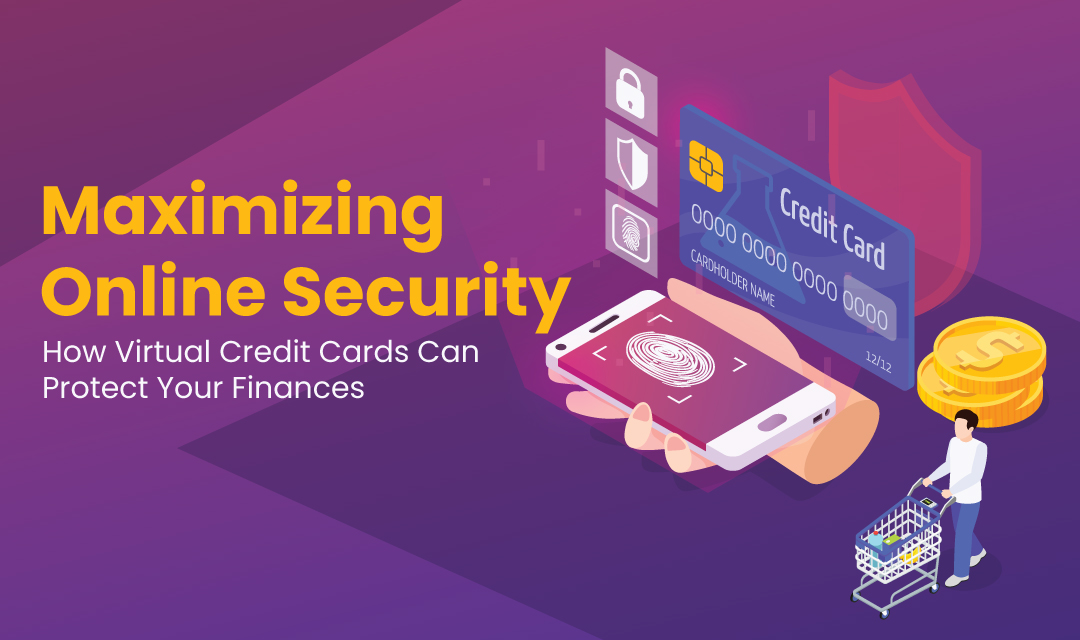
You found an online retailer on Google that offers a fantastic selection of products at attractive prices. While the retailer appears legitimate and has positive reviews, you're unsure about its security measures and the possibility of data breaches. You decided to make a purchase, and as a first-time shopper at this website, you would like to take extra pre...
July 17, 2023
by IP Location
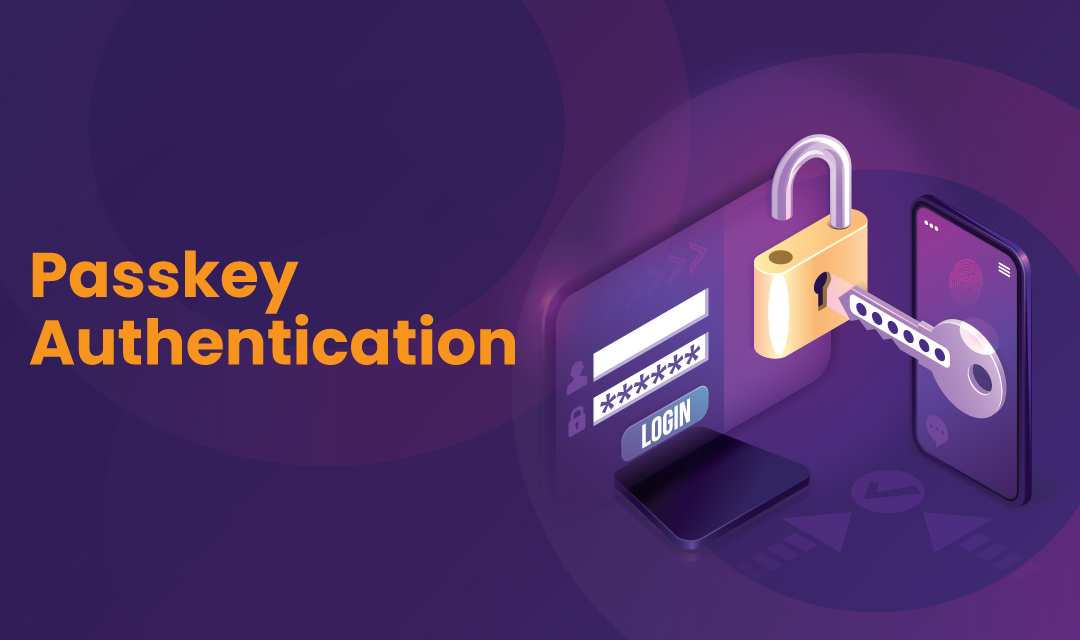
Passwords have long been the way how users are authenticated in the digital world. However, with the increasing number of data breaches and phishing attacks, it's becoming evident that relying solely on passwords is no longer sufficient to protect our digital identity. Thankfully, there is a promising alternative on the horizon: passkey authentication. In th...
June 15, 2023
by IP Location

Many people rely on public WiFi networks when they are on the go, whether it's at a café, airport, or hotel. These networks offer convenience and accessibility, allowing us to stay connected and get work done or browse the internet. However, it's essential to be aware of the potential risks that come with using public WiFi. This public network can be a hot s...