
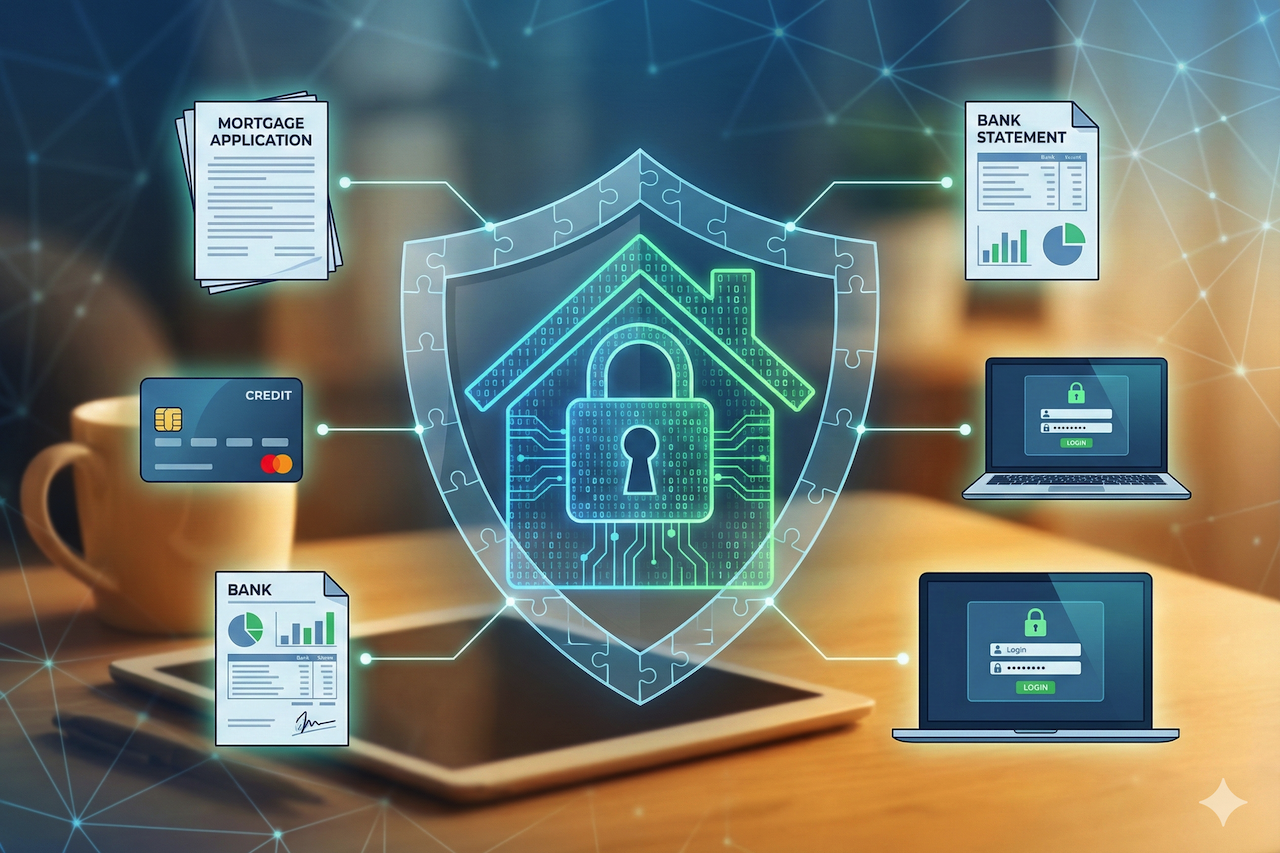
There’s no shortage of advice for first‑time homebuyers. But cybersecurity is often the last thing people think about during a mortgage application. This guide changes that.
You’ll receive clear, actionable tips on securing your documents, avoiding scams, and protecting your personal information throughout the loan process. So, if you’re looking for a straightforward breakdown of what actually works, you’re in the right place.
Why Cybersecurity Matters in the Mortgage Process
Whether you’re applying for a mortgage through a traditional process or pursuing a bank statement loan offered by lenders such as Griffin Funding, it’s important not to overlook cybersecurity.
Mortgage applications include some of the most sensitive information you’ll ever share online. From Social Security numbers to income records and bank statements, there’s plenty for cybercriminals to target.
Scams that target homebuyers have become more sophisticated. They include phishing emails, fake wire‑transfer instructions, and websites designed to look identical to lender portals.
According to research by First American, many modern real‑estate scams mimic routine lender messages so convincingly that applicants often don’t notice anything is off until it’s too late.
And criminals often time their attacks during the busiest parts of the mortgage process. That’s when applicants are more distracted.
Cybersecurity isn’t optional in today’s mortgage world. It’s something to think about from the moment you start gathering your documents.

Tip 1: Protect Your Devices Before You Apply
Make sure the devices you’ll use for your application are secure. Cybercriminals often exploit outdated software or unprotected systems.
So, make sure you:
- Update your operating system and apps
- Turn on automatic updates
- Install trusted antivirus software
These steps help lock down weak points and prevent common malware attacks.
Tip 2: Create Strong, Unique Passwords for Every Account
You may create several new logins during the mortgage process. That means strong passwords are essential.
Avoid reusing old passwords, use long, complex passwords, and consider using a secure password manager. This makes it much harder for attackers to gain access to lender portals or financial accounts.
Tip 3: Enable Two‑Factor Authentication When It’s Offered
Two‑factor authentication adds a second verification step to your login process. Even if someone gets your password, they still can’t access your account without this second code.
Multi‑layered security measures are becoming more common as mortgage technology evolves. And they play a significant role in reducing fraud.
Tip 4: Use Secure Wi‑Fi for All Mortgage‑Related Tasks
Public Wi‑Fi networks are convenient, but they’re risky for financial activity. Attackers can intercept information you send over unsecured networks.
Stick to private Wi‑Fi at home. Or use a virtual private network if you need to work on your application in a public setting.
Tip 5: Beware of Phishing and Imposter Messages
Scammers often use emails or texts that appear to be official messages from your lender. These can request personal information, direct you to harmful websites, or pressure you to act quickly.
Red flags include:
- Unexpected document requests
- Slightly misspelled sender addresses
- Urgent or threatening language
If something feels off, call your lender using a verified phone number. Never click links or reply directly to suspicious messages.
Tip 6: Confirm All Wire‑Transfer Instructions by Phone
Wire‑fraud scams can lead to devastating financial losses. Criminals often intercept email threads and send fake transfer instructions right before closing.
Always confirm instructions by phone with your lender or title company. Even a quick call can protect you from losing thousands of dollars.
Tip 7: Secure and Limit Digital Copies of Your Documents
Mortgage applicants often store PDFs of tax returns, pay stubs, and bank statements on their devices. These files need protection.
Encrypt sensitive documents when possible, store them in secure folders, and delete them once they're no longer needed. Reducing the number of stored files reduces the amount of information a criminal could access.
Tip 8: Upload Documents Only Through Verified Lender Portals
Never upload documents through links received by email unless you’re sure they're legitimate. Bookmark your lender’s official portal and use that to sign in.
Fake lender websites are becoming more common as cybercriminals refine their tactics. Verifying the correct site before uploading anything can save you from major issues.
Tip 9: Monitor Your Financial Accounts Throughout the Process
Keep an eye on your bank and credit‑card transactions, especially while you’re actively applying for a mortgage. Fraud often starts with small, easily overlooked charges.
To catch unusual activity early, set up alerts for:
- New logins
- Purchases
- Withdrawals
Tip 10: Ask Your Lender About Their Security Practices
A reliable lender should be able to explain how they protect your data. Don’t hesitate to ask about encryption, file‑transfer practices, or how they verify identity.
Understanding their security measures helps you feel more confident. It also allows you to follow their recommended best practices.
Tip 11: Stay Updated on Mortgage and Cybersecurity Trends
Cyberthreats evolve quickly, and new tools are constantly emerging. Staying informed makes you a more informed and confident applicant.
AI‑driven mortgage tools are expanding rapidly. That means applicants should expect new security features but also new risks.
Staying current helps you spot vulnerabilities and build safer digital habits.
Making Your Mortgage Journey More Secure
Taking a few simple steps can make your mortgage application far safer and smoother. Prioritizing secure devices, strong passwords, verified websites, and careful communication helps protect your personal data as you navigate the home‑buying process.
These habits not only safeguard your mortgage application but also help protect your digital identity long after you’ve closed on your new home.
It’s also important to stay informed about current cybersecurity best practices, as cybercriminals continue to develop more sophisticated techniques.
Featured Image generated by Google Gemini.
Share this post
Author

Read the latest articles from Harry Wolf
Can Your IP Address Identify You During Legal Cases?
February 3, 2026
Yes, an IP address can be used in court. However, it often doesn’t identify a specific person on its own. Courts typically treat it as a starting point rather than proof.
Learn moreLeave a comment
All comments are moderated. Spammy and bot submitted comments are deleted. Please submit the comments that are helpful to others, and we'll approve your comments. A comment that includes outbound link will only be approved if the content is relevant to the topic, and has some value to our readers.
Comments (0)
No comment