April 30, 2026
by IP Location
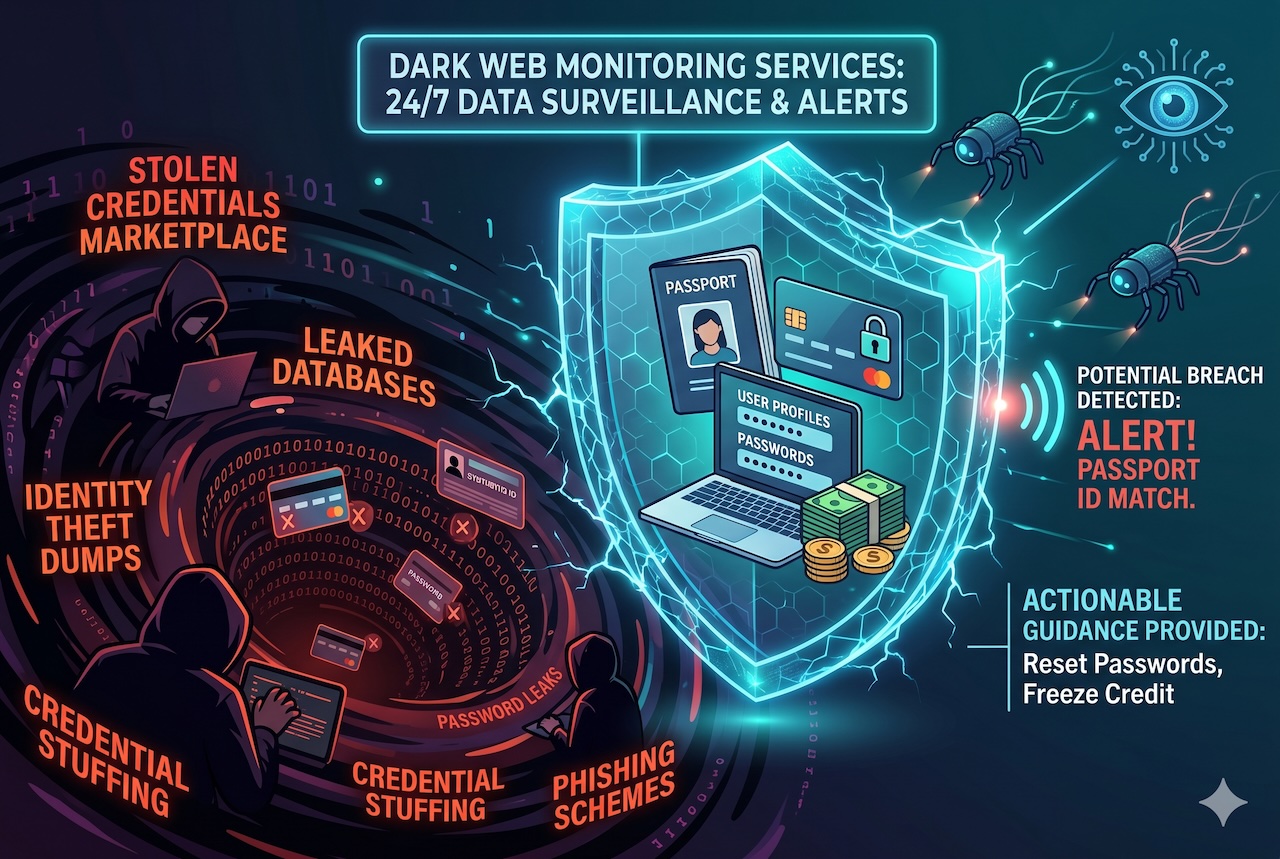
Billions of records get exposed in data breaches every year, and the numbers keep climbing. Stolen credentials, financial details, and personal information find their way into hidden marketplaces that most people will never stumble across. And the scary part? Many victims have no idea until the damage is already done. Fortunately, there are dedicated protect...
April 30, 2026
by IP Location
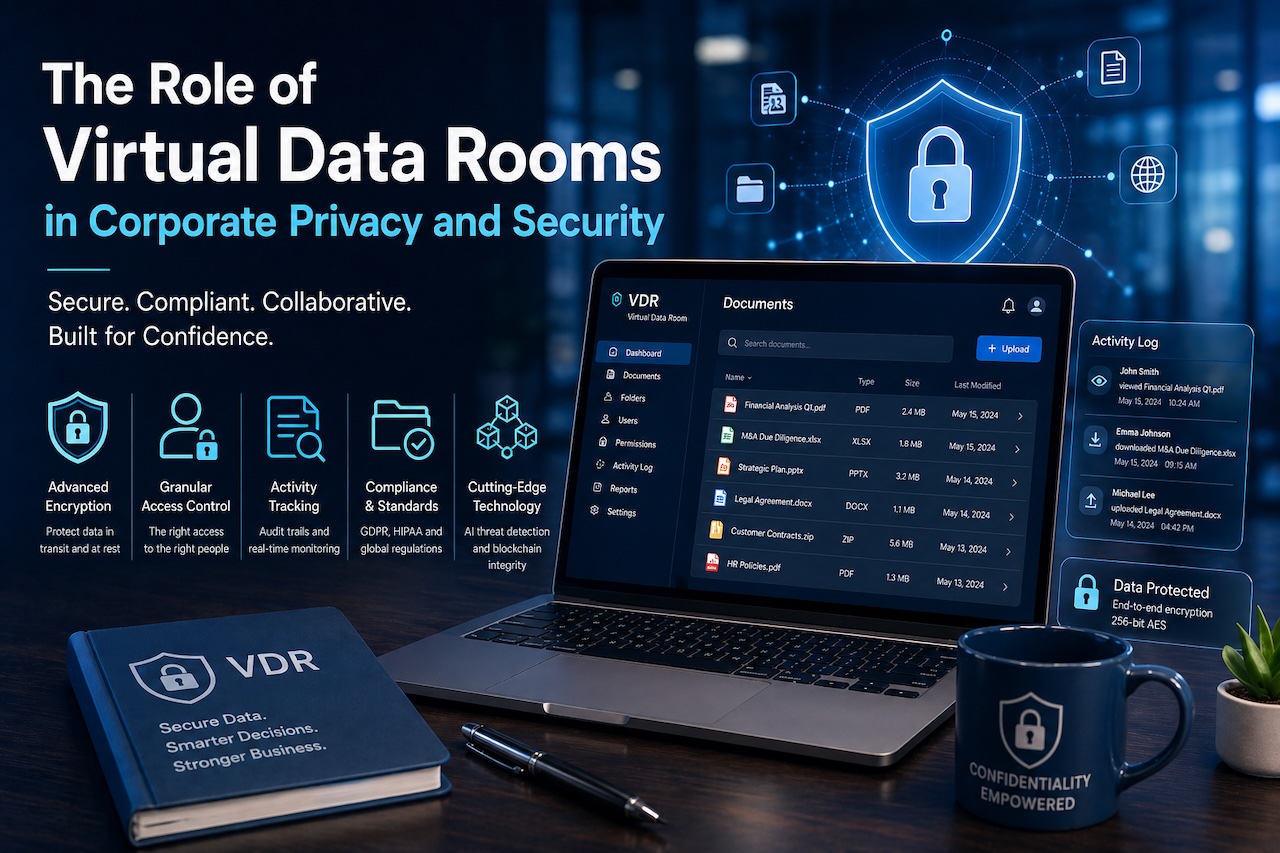
In the current digital era, protecting sensitive data is crucial for companies in every industry. Standard ways to manage document exchange and storage are becoming less and less effective as data volume increases massively. Virtual Data Rooms have become a safe and effective way to manage sensitive data in response to this difficulty. Read our virtual data...
April 30, 2026
by IP Location
The 2025–2026 empirical picture is sharper than most security roadmaps assume. Device counts have exploded, fleets have fragmented across vendors, and the line between enterprise IT and operational technology has dissolved. Three structural asymmetries separate the programs that work from the ones that burn budget.
April 29, 2026
by Elena Voss
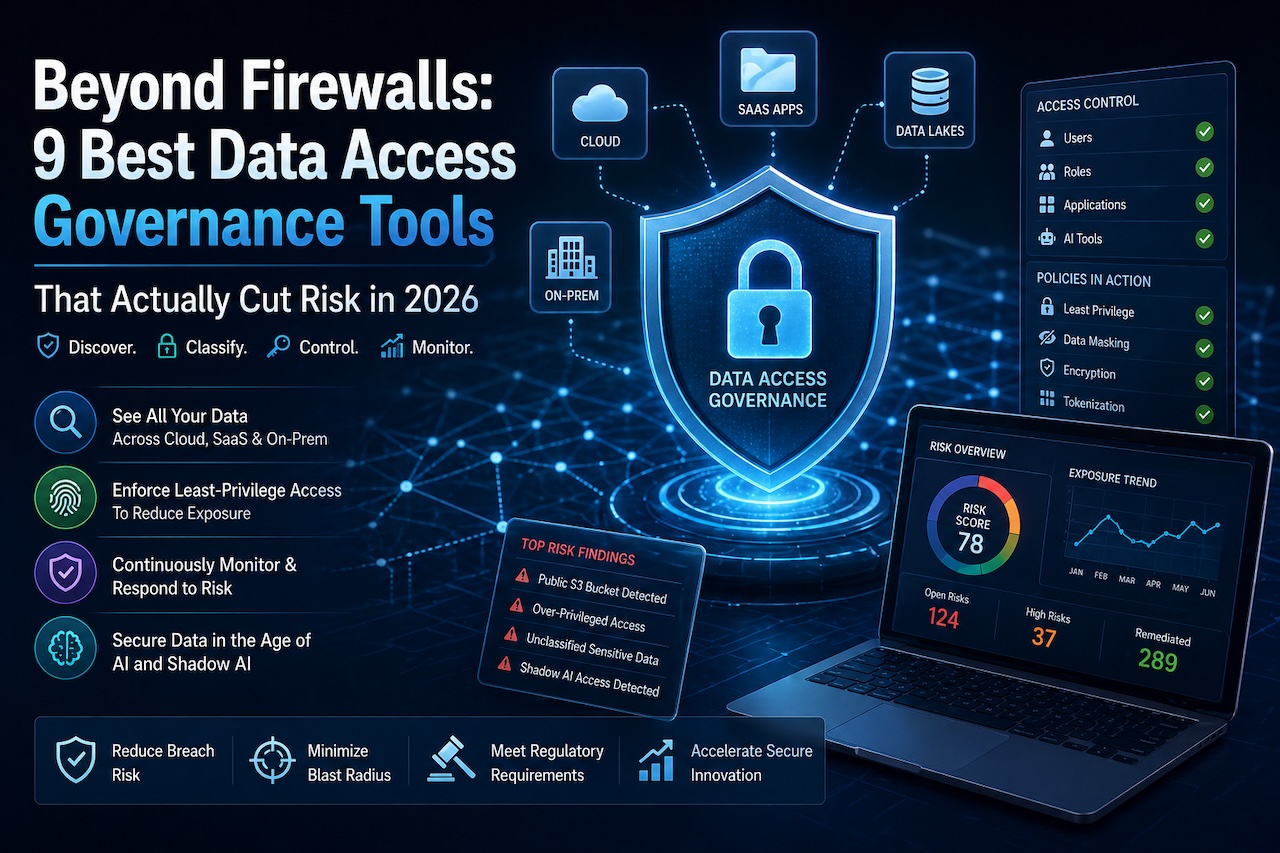
When most companies picture “security,” they still imagine concentric rings of firewalls, VPNs, and endpoint agents. Yet 2026 reality looks very different: sensitive data lives in dozens of SaaS apps, petabyte-scale data lakes, and AI model repositories that employees connect to from anywhere.
April 29, 2026
by IP Location
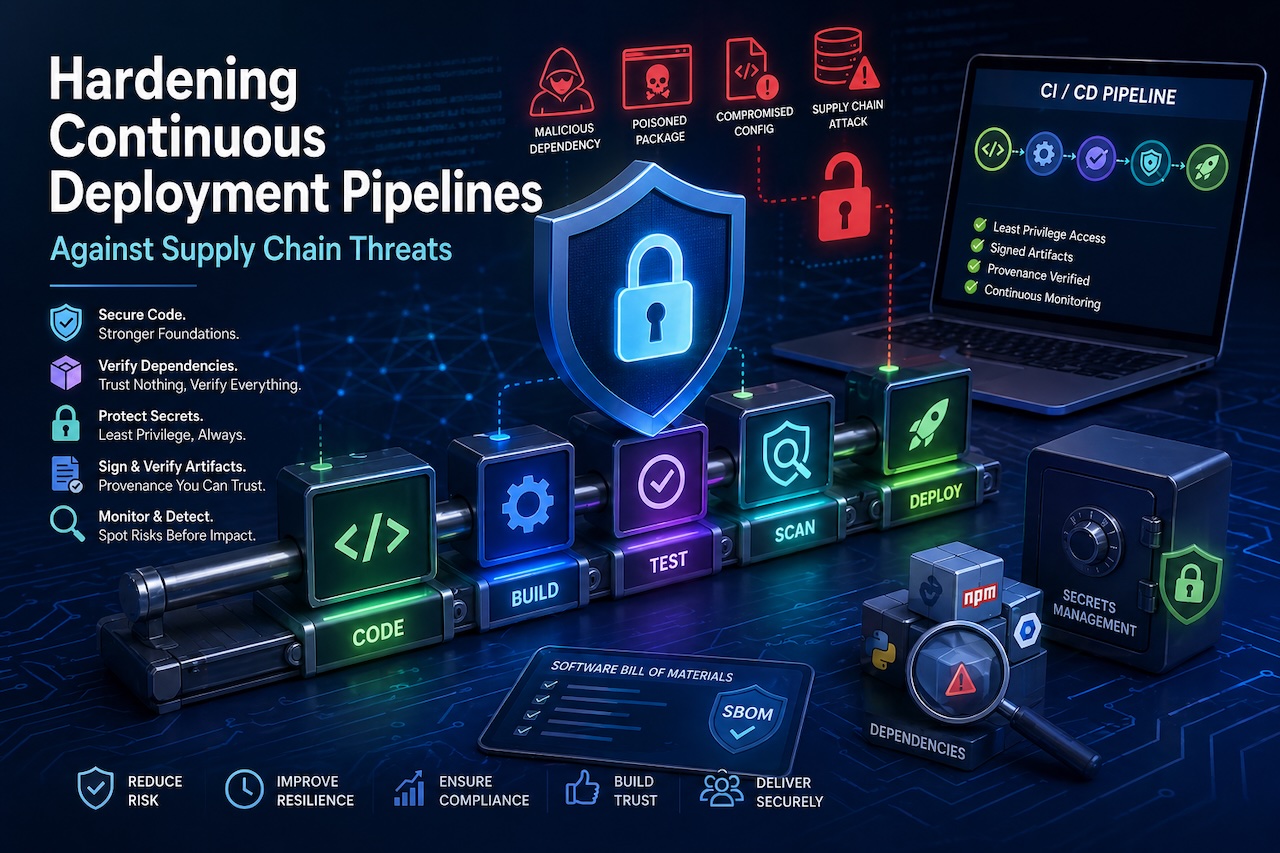
When it comes to cybersecurity planning, software supply chain risk has been receiving more attention in recent years, especially as attackers look for ways into trusted development and delivery workflows. In the EU’s 2025 threat landscape report, supply chain threats accounted for 10.6% of assessed threats. More attacks now move through dependencies, vendor...
April 28, 2026

Industrial operations look nothing like they did ten years ago. Smart sensors, cloud-connected controllers, and real-time analytics have swept through manufacturing floors, energy grids, and water treatment plants, replacing the isolated, air-gapped systems that once defined the sector. That's a meaningful leap forward. But here's the tension nobody likes ta...
April 27, 2026
by IP Location
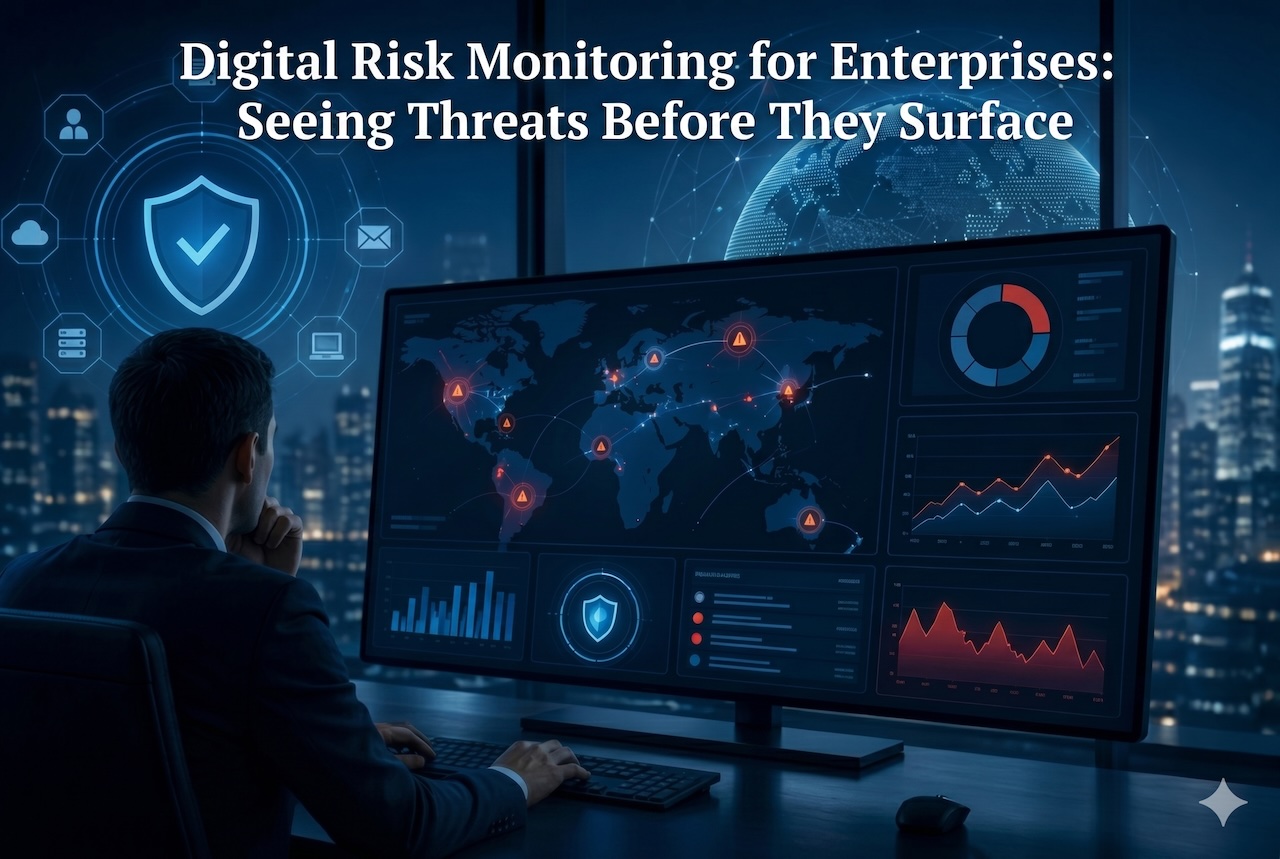
Cybersecurity incidents rarely begin with a loud alarm. More often, they start as faint signals scattered across the internet — a leaked credential, a suspicious domain, a forgotten asset quietly exposed. These fragments may seem insignificant in isolation, but together they often mark the earliest stages of a potential breach. For modern enterprises, the ch...
April 22, 2026
by IP Location
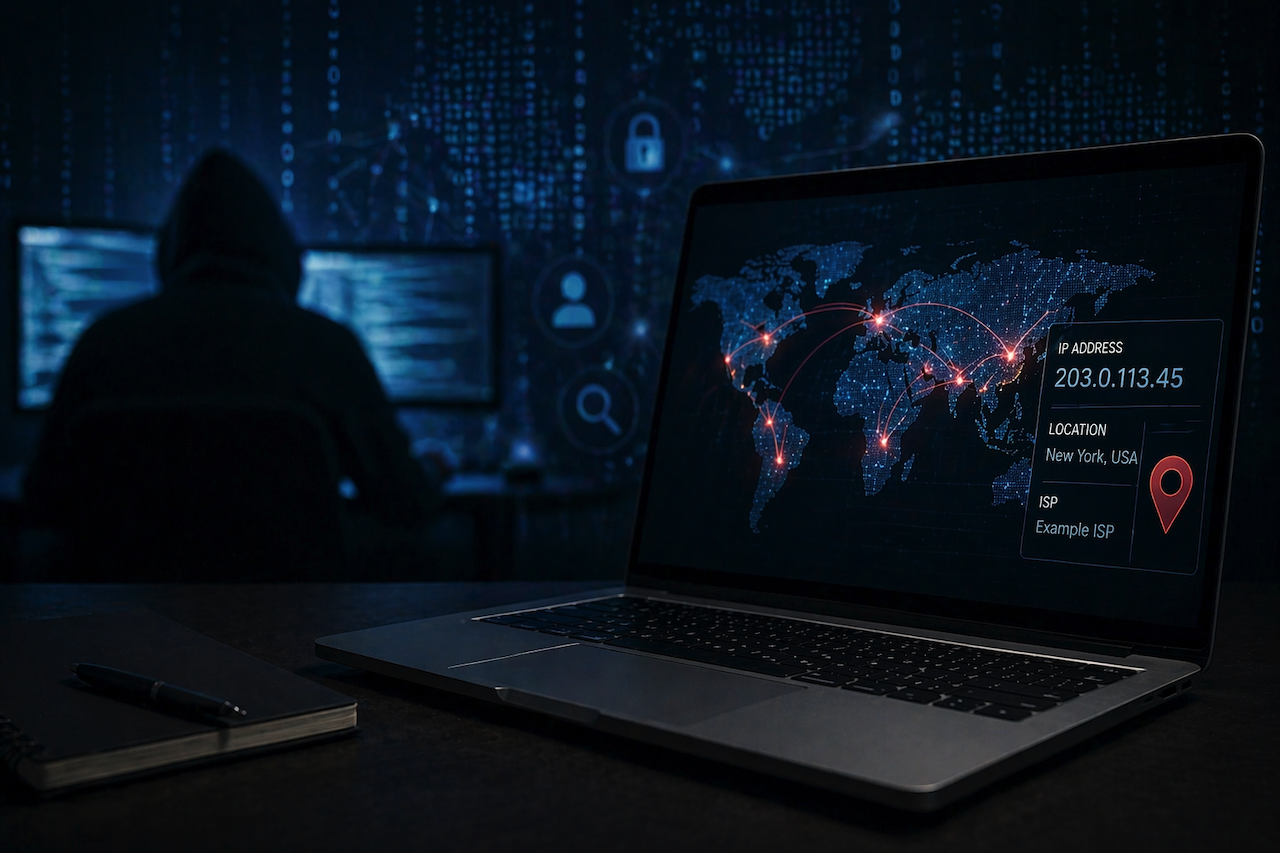
The internet has been transformative in our lives across pretty much everything we do, from the way we communicate to how we work, how we access information, and much more. Which means it’s also reshaped more problematic areas of life, too, including the global drug trade.
April 15, 2026
by IP Location
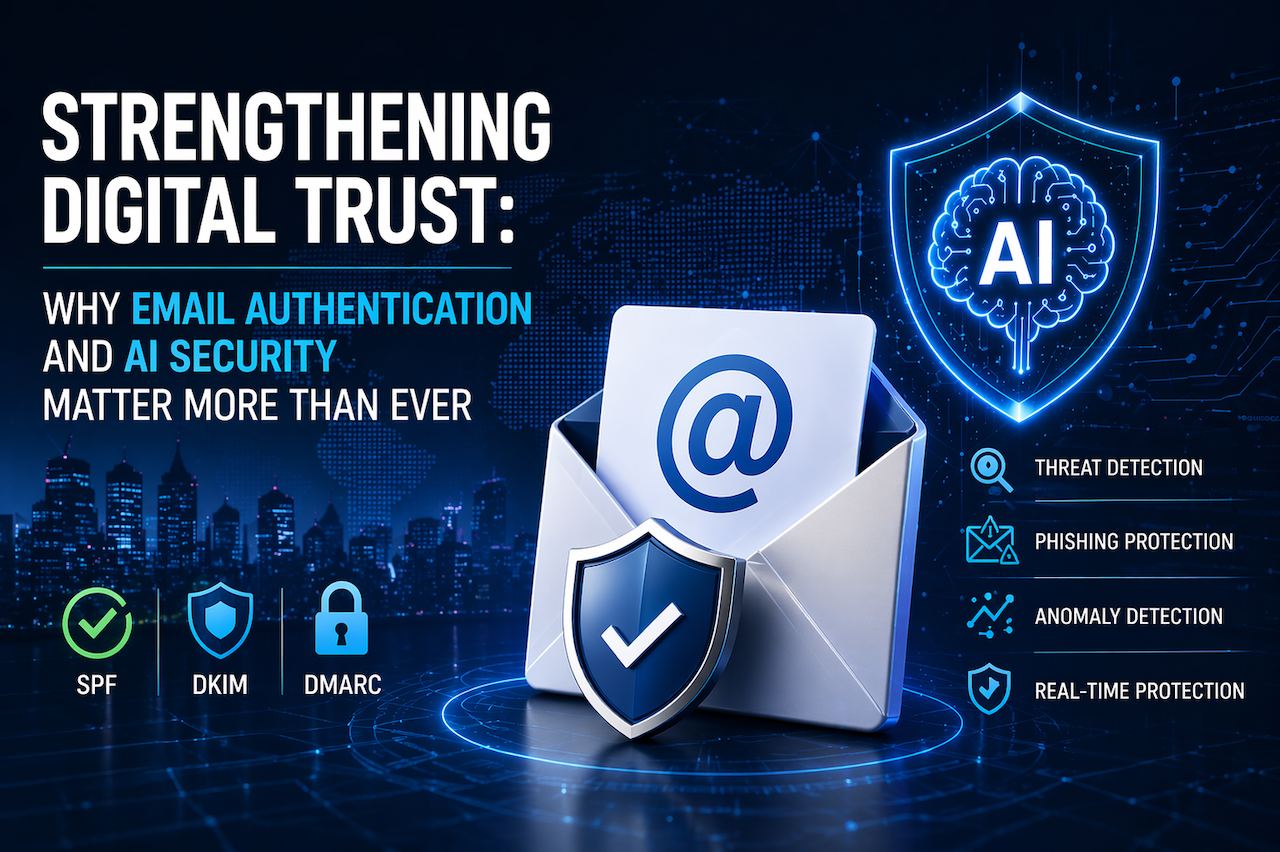
In today’s hyper-connected digital landscape, businesses face an ever-growing range of cyber threats. From phishing attacks to sophisticated AI-driven exploits, the risks are no longer limited to large enterprises—small and mid-sized organizations are equally vulnerable. As a result, companies must adopt a proactive approach to cybersecurity, combining found...
April 14, 2026
by IP Location
Modern web hosting is a constant battle for bandwidth. The moment a
website goes live, it is immediately bombarded by automated traffic.
While some of this traffic is essential for business growth, such as
legitimate search engine spiders indexing your pages, a significant
portion is entirely malicious. Bad bots are constantly probing for
vulnerabi...