
Most professional workflows are a patchwork of insecure habits. To move a project forward, you probably use a combination of email, SMS, and generic cloud storage. You assume that because these tools are popular and common, they are secure. They are not.
Sharing sensitive data across multiple unencrypted platforms isn't just work; it's creating a trail of digital breadcrumbs for anyone to follow. This "scattered workflow" is the main reason for modern data leaks and lost reputations. The solution isn't to overhaul your entire office. Rather, you need to consolidate the "bridge" between you and your clients. This is where a secure client portal like Qaxa becomes essential.
Why Email, SMS, and the Cloud Are the Weakest Links
Let’s look at the tools you use every Monday morning.
Email remains the most common vector for data theft. It was designed to be open, not secure. Sending a tax return or a legal strategy via email is mathematically equivalent to sending it on a postcard. It passes through multiple servers, and it is stored in "plain text" on both ends.
SMS is equally thin. Unless you and your client are both using a hardened, encrypted messenger like Signal, your text messages are intercepted with ease. They are stored by service providers and can be viewed by anyone with access to those logs.
Google Docs and Generic Cloud Storage offer convenience, but at a cost. Most of these free platforms use encryption "at rest," but they hold the keys. If the provider is subpoenaed or compromised, your data will be handed over even without your knowledge. They are "walled gardens," but the owner of the garden has a master key.
The Risk of the Scattered Workflow
The hard truth about communicating with clients is that security always starts to fail when things become complicated. If a client sends a sensitive PDF via email, asks a question via SMS, and then uploads a corrected version to a shared Drive folder, your data is now in three different places. And none of them are end-to-end encrypted (E2EE).
This fragmentation creates a massive surface area for an attack. You cannot defend what you cannot track and what you don’t own. A scattered workflow is not just inefficient; it is a liability that increases with every new app you add to the chain.
You Need the Secure Bridge, Not the Replacement
The purpose of a secure client portal is not to replace the tools your internal team uses. You don't need to change how you draft documents or manage your staff. What needs to change is how you share this information with your clients.
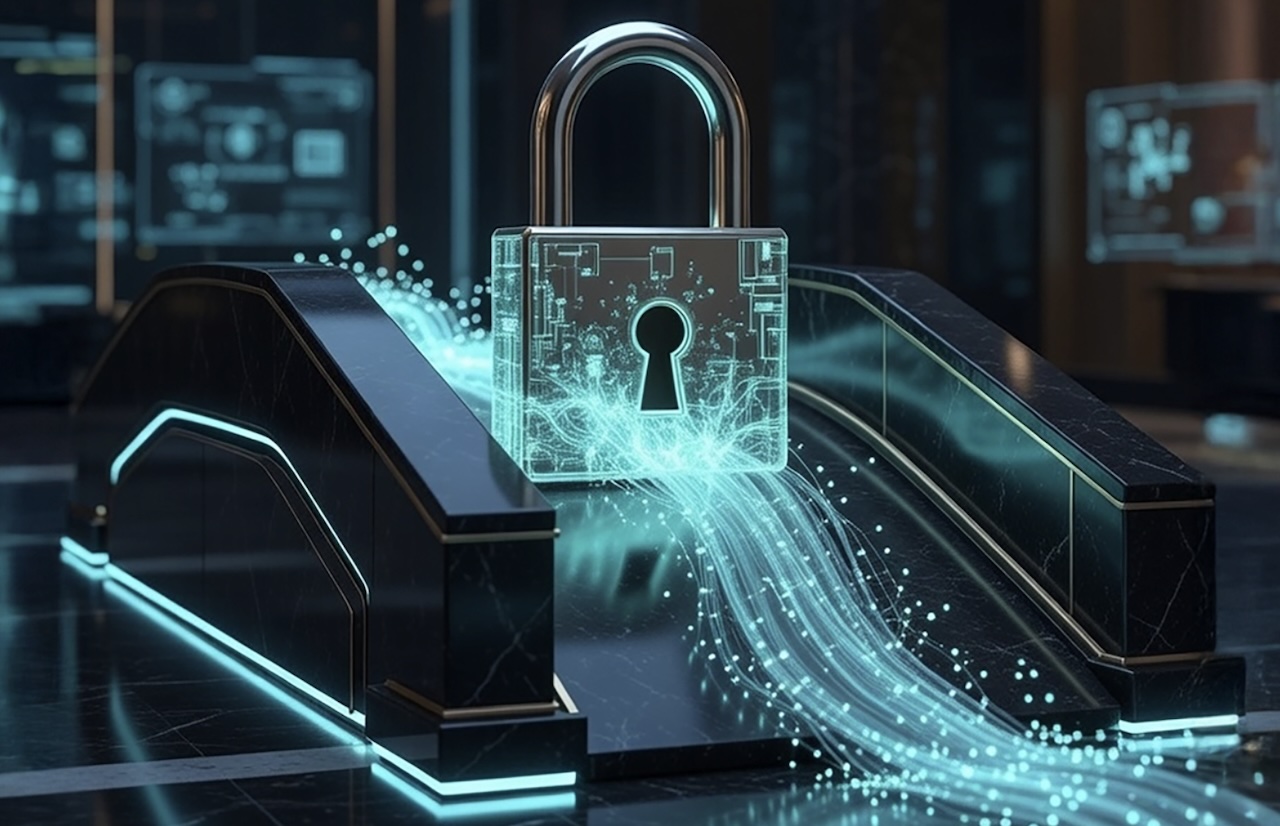
An E2EE portal is the secure bridge between you and the outside world. Think of it as a secure virtual lobby. Your internal work happens in your private office. But when it is time to meet the client—to share the final contract, the sensitive tip, or the financial statement—you step into the encrypted lobby.
Branding and the "Virtual Lobby"
When a client uses some generic link, they feel like a number in a database. But when they enter a secure client portal, they see your brand. This “encrypted virtual lobby" serves two purposes:
- Professionalism: It signals that you are a high-tier firm that invests in client experience.
- Security: It provides a single, E2EE point of contact.
Some modern secure collaboration platforms illustrate how zero-knowledge architecture works in practice. For example, a platform such as Qaxa demonstrates a model where tools inside a digital workspace—such as end-to-end encrypted (E2EE) messaging, file sharing, and task coordination—operate within a zero-knowledge environment. In this design, encryption occurs directly on the user’s device, meaning the service provider does not have access to the encryption keys. As a result, the provider cannot view user content or recover passwords. Similar to a cryptocurrency wallet, if a user loses their private key or recovery seed, the encrypted data becomes inaccessible to anyone.
Some platforms following this model also allow organizations to invite external collaborators or clients into encrypted workspaces without requiring them to pay for access. This allows teams to create secure collaboration environments while controlling who can enter the workspace.
What Changes on Monday Morning?
When organizations adopt a secure client portal built on zero-knowledge and end-to-end encryption principles, everyday workflows can change significantly. Instead of relying on scattered communication channels, teams interact within a single protected environment.
- Legal professionals can reduce the risk of sensitive conversations being exposed through unsecured email chains.
- Journalists may provide a dedicated secure submission channel for sources instead of relying on messaging apps.
- Consultants can centralize documents, conversations, and tasks in one encrypted workspace rather than distributing them across multiple platforms.
- Privacy-focused professionals can exchange confidential information without relying on third-party intermediaries.
Many widely used cloud collaboration tools rely on centralized data processing models. In some cases, stored information may be reviewed by service providers for compliance purposes or used in aggregate datasets that support artificial intelligence development. This raises concerns for organizations handling highly confidential data.
Zero-knowledge E2EE systems aim to address this issue by ensuring that encryption keys remain solely with the user. In systems designed this way—including platforms like Qaxa used as an example—the provider cannot read stored files or conversations because they never possess the decryption keys. This architectural approach is intended to give organizations greater control over sensitive information and reduce the exposure of proprietary data.
Conclusion
Stop relying on a patchwork of insecure apps. Every time you send an unencrypted file, you are gambling with your reputation. An E2EE client portal creates a secure, branded bridge that protects your data without disrupting your work. It is the practical, professional choice for a world that is no longer private by default. Consolidate your workflow. Secure your bridge.
Share this post
Leave a comment
All comments are moderated. Spammy and bot submitted comments are deleted. Please submit the comments that are helpful to others, and we'll approve your comments. A comment that includes outbound link will only be approved if the content is relevant to the topic, and has some value to our readers.
Comments (0)
No comment