Blog Category


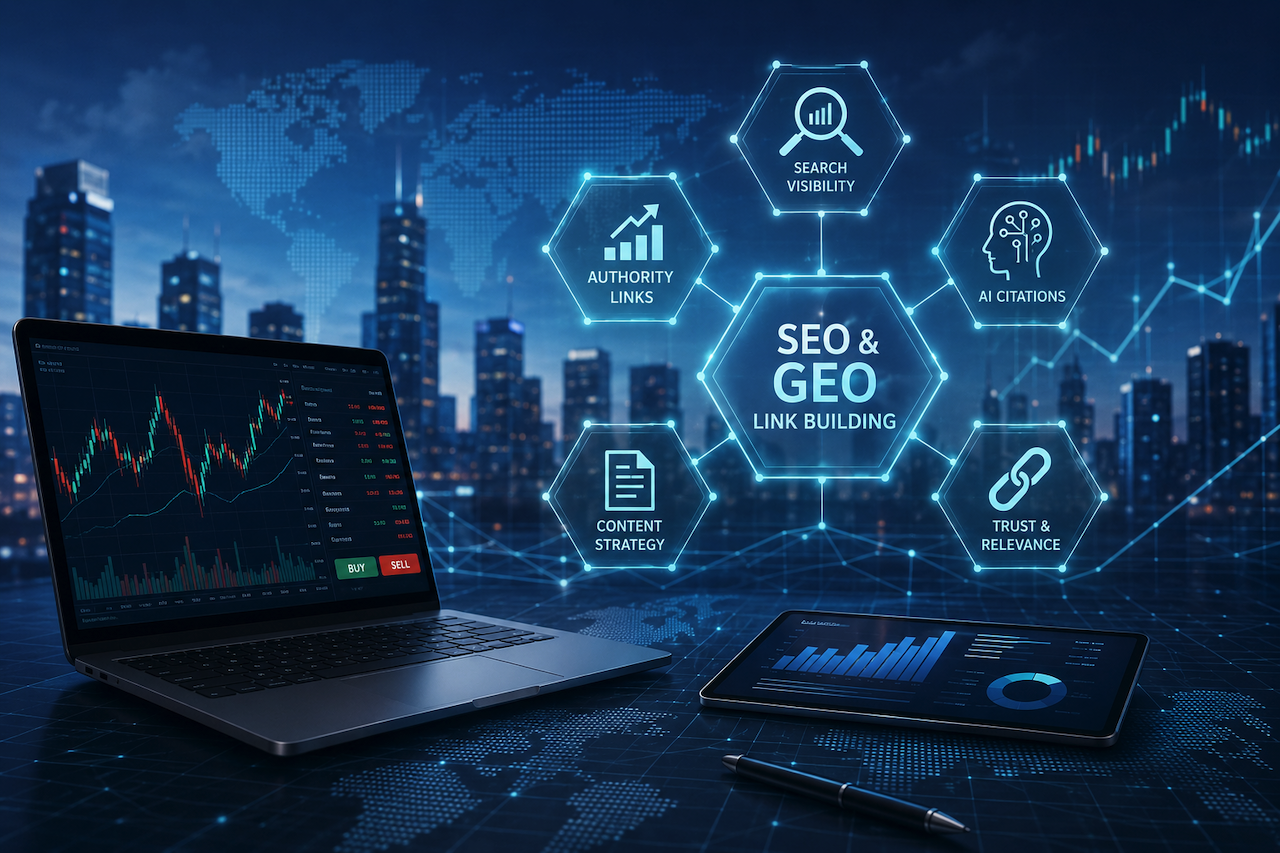
SEO and GEO analytics dashboard

Trading and investment platforms operate in highly competitive and regulated search environments, where both traditional SEO visibility and AI-generated citation visibility is becoming increasingly important. We reviewed agencies with experience in financial verticals based on factors such as link-building quality, GEO capabilities, AI citation visibility, and transparency of results. This guide compares four agencies offering SEO and GEO services for trading and investment platforms in 2026.
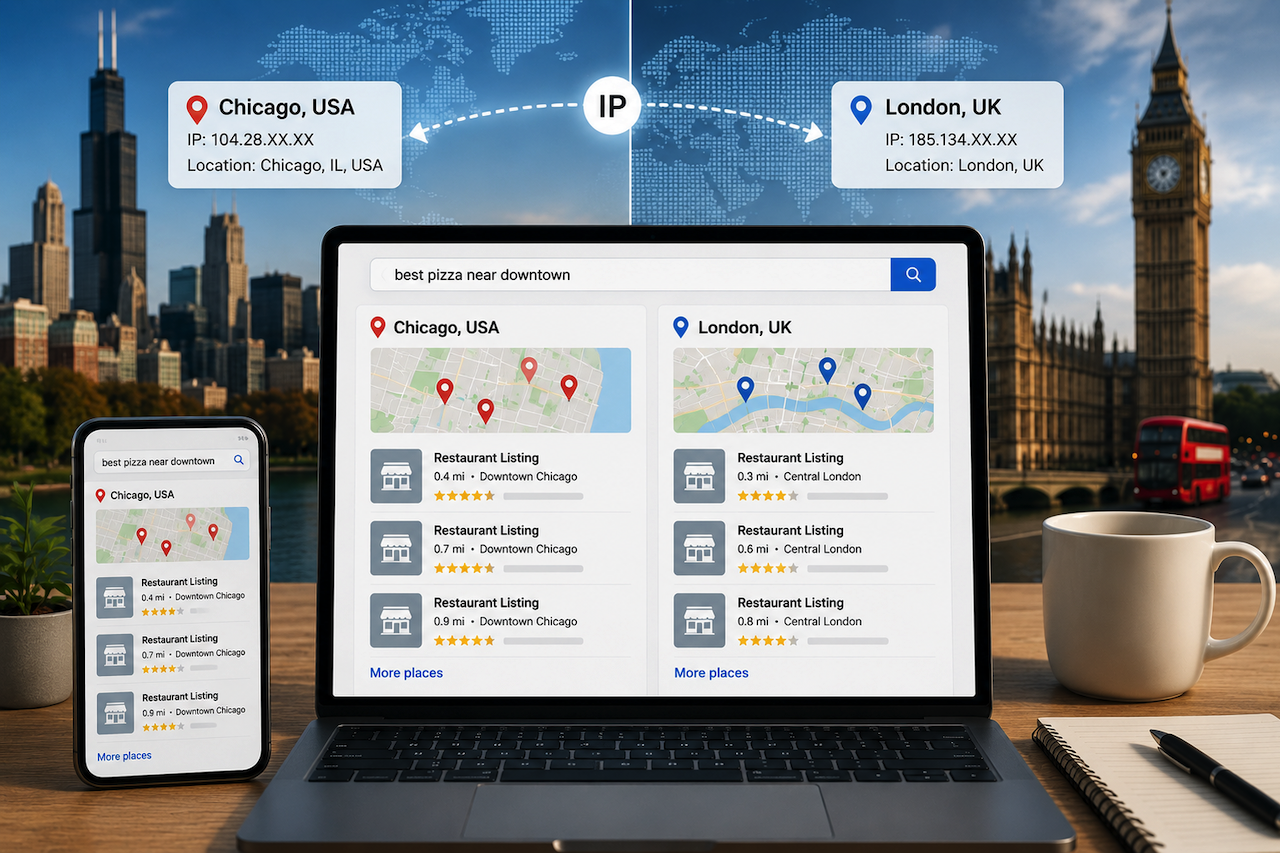
Devices displaying location-based Google search results for different cities using IP-based geolocation

Type the same keyword into Google from two different cities, and you may get two completely different sets of results. The pages that rank in the top three in one location might not appear at all in another. This isn't a glitch. It's how Google is designed to work. And for anyone trying to understand, monitor, or compete in search rankings, it's one of the most important technical realities.

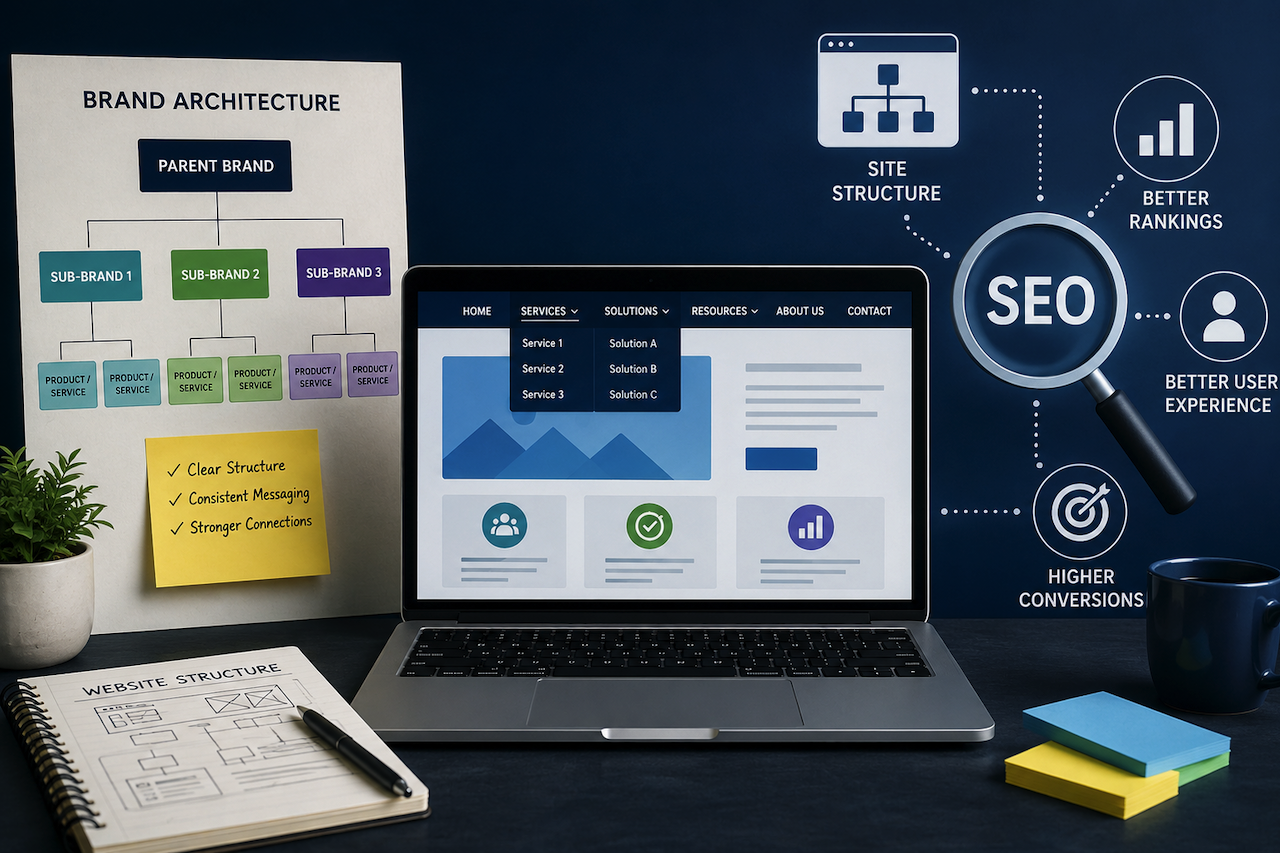
Website brand architecture and SEO strategy illustration

When businesses plan a website overhaul, the conversation usually jumps straight to wireframes, keyword mapping, and server response times. While these technical elements are undeniably vital, they often fail to deliver meaningful results if the core foundation is weak. That foundation is not a sophisticated codebase or a complex search algorithm. It is the brand architecture. The way a company organizes its products, services, and corporate identity in the real world must directly and logically translate into the digital realm. If the overarching brand story is disorganized or contradictory, the website navigation will inevitably be confusing, too. Without a solid brand blueprint, even the most visually appealing websites end up forcing visitors to dig through cluttered menus to find basic information.

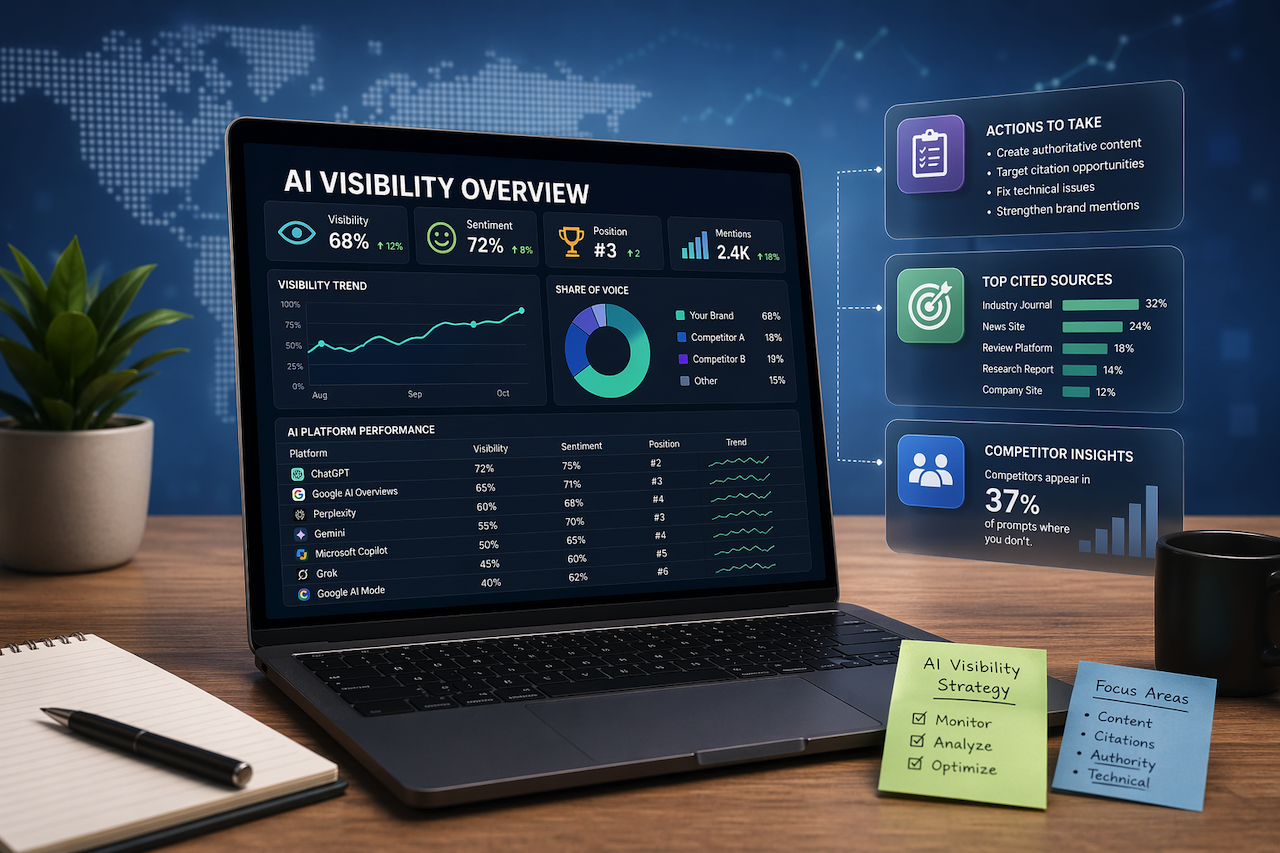
AI visibility dashboard for GEO platform comparison

Search your brand in ChatGPT and Perplexity right now. You will likely get two different answers. Generative Engine Optimization (GEO) tools track this systematically across thousands of prompts, giving marketing teams a clear picture of how AI search engines represent their brand, where competitors appear instead, and what to do about it. We tested seven platforms across LLM coverage, data authenticity, actionability, and pricing accessibility to identify which ones deliver real insight rather than vanity metrics. Whether you are an in-house marketer new to the category or an SEO professional adding a GEO layer to an existing stack, this ranking gives you a clear starting point.

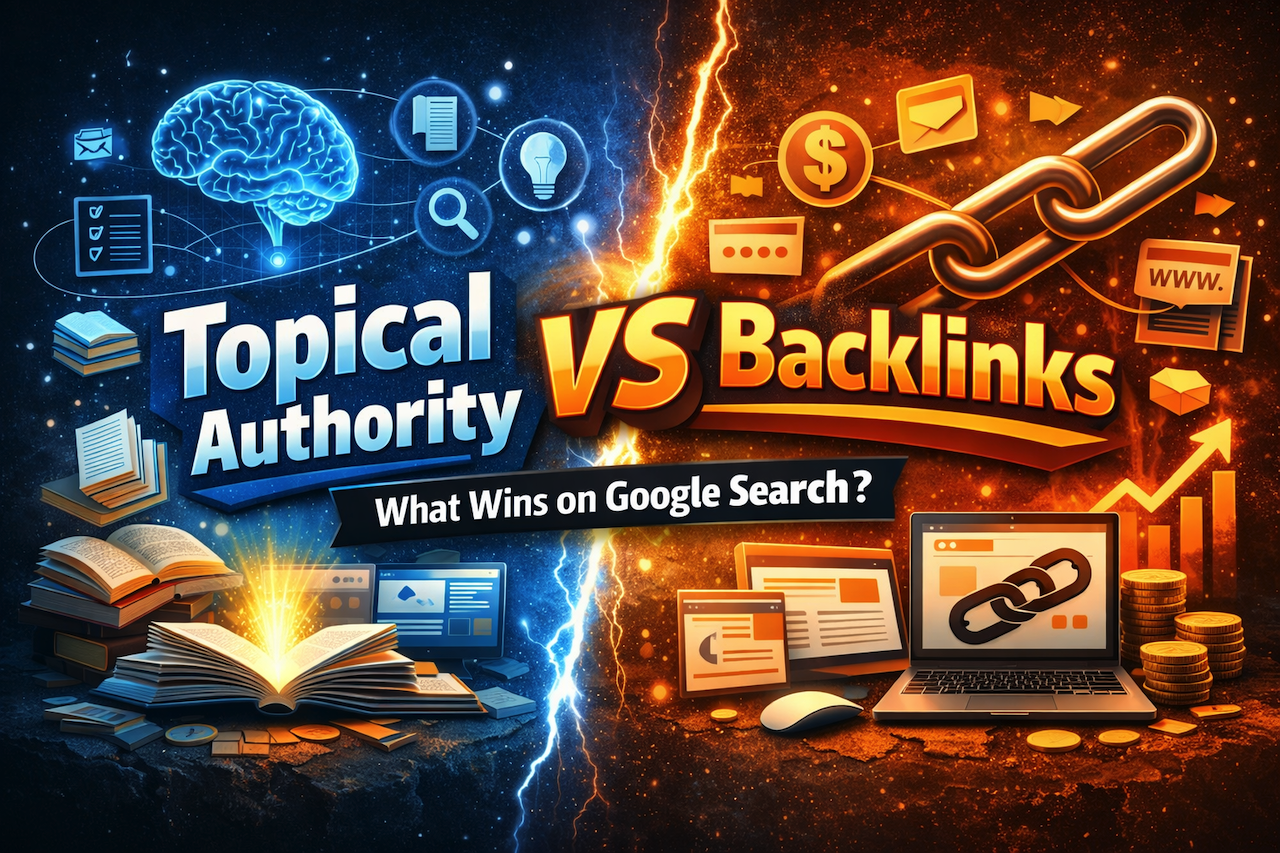
Topical Authority vs Backlinks

Over time, the SEO world has been governed by a simple gospel: more backlinks, higher rankings. Create links, gain links, purchase links (if you were willing to take that route), and watch your pages move up the search results. It was a straightforward, transactional relationship between effort and outcome. However, things are changing. Sites with smaller link profiles are now ranking above established authority domains. Content-rich sites with broad topical coverage are capturing SEO keywords they traditionally would not have ranked for under the old model. So what exactly is happening within Google’s ranking systems today, and what truly moves the needle?

Sticky Sessions vs IP Rotation

Search visibility is no longer just about ranking for a few keywords once a week. Modern SEO teams monitor local SERP changes, competitor movements, ad placements, featured snippets, and indexation patterns in near real time. That shift creates a technical challenge: how to collect accurate search data at scale without getting blocked, throttled, or served misleading results.

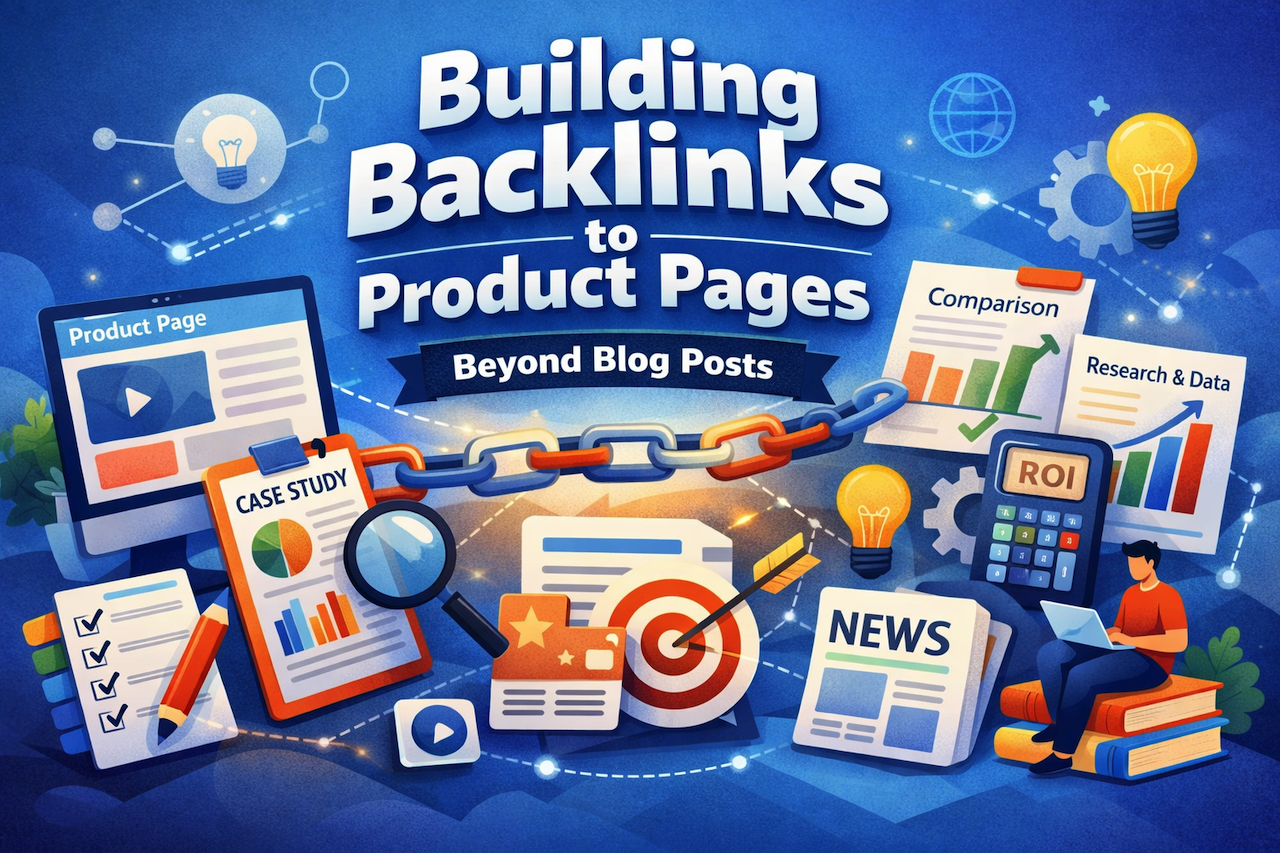
Building backlinks to product pages

Backlinks to product pages are built by creating supporting assets around those pages, earning digital PR mentions, using comparison and integration content, and passing authority through smart internal links. The trick is to stop treating product pages like sales brochures and start treating them like reference points buyers and writers want to cite.

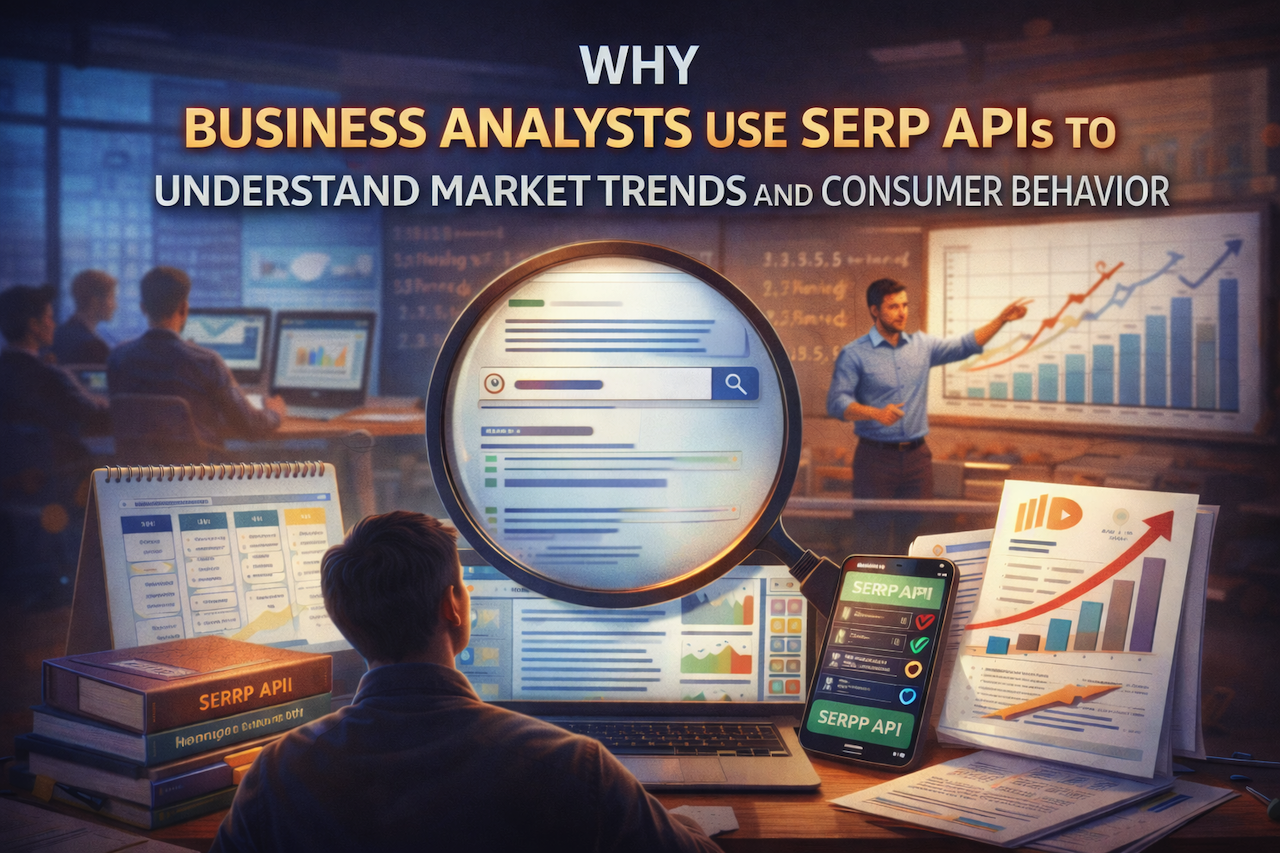
Business analyst analyzing market trends with data dashboards and magnifying glass in modern office

Business analysis often starts with a familiar problem: you need to explain what customers want, but you cannot interview an entire market. Surveys help, but they are slow and can be biased by how questions are phrased. Focus groups are useful, but they are small. Sales data is real, but it arrives late, after decisions have already been made.