
Teams new to organic growth often treat it as something that will sort itself out. Launch the app, fill in the store listing — then wait. But organic app growth doesn't work that way. Without consistent work on metadata, keywords, and search rankings, an app gets lost among thousands of similar products.
App store visibility is the result of ongoing effort: the right keyword semantics, relevant metadata, stable ratings, and a clear picture of what competitors are doing. The earlier a team starts this work, the less they end up spending on paid UA to compensate for weak organic performance.
Where App Launch Strategy Breaks Down
Most visibility problems are built in before launch. An app launch strategy without worked-through semantics is launching blind. Teams pick keywords by feel, don't check volumes, don't look at keyword difficulty. The title and short description end up filled with words that either nobody searches for or that are too competitive to rank on.
After launch, a different mistake takes over: metadata gets left alone. The algorithm changes, competitors update their listings — and what worked three months ago no longer holds the same positions. Without an app ranking tracker, this stays invisible until organic numbers drop noticeably.
The third problem is treating metadata work in isolation, without looking at what competitors are doing. Without knowing which queries similar apps are ranking on, it's hard to find an open niche or figure out where it's worth pushing harder. Mobile app SEO and SEO for apps aren't just about your own listing — they're about understanding what's happening around it.
For proper mobile app optimization, you need tools with real data. Mobile app optimization tools close this gap: keyword research, rank tracking, competitor analysis — without manual spreadsheets.
How App Optimization Platforms Fit into the Process
Platforms such as ASOMobile provide tools designed to support different stages of organic app optimization.
For example, during keyword research, tools may offer insights into search volume and keyword difficulty, helping teams prioritize terms with more realistic ranking potential. At the pre-launch stage, this can influence initial visibility by aligning metadata with actual user search behavior.
Ranking trackers can help monitor how positions change over time, particularly after metadata updates. This allows teams to evaluate which adjustments have had an impact and which have not, rather than relying on assumptions.
Competitor analysis features can provide visibility into which keywords similar apps are targeting and where they hold strong positions. This information can help identify areas where competition is lower or where additional optimization may be needed.
Some platforms also include localization support, enabling teams to adapt metadata for different markets based on local keyword usage rather than direct translation.
Organic Growth Requires Ongoing Effort
Increasing app downloads through organic channels is not the result of a single successful launch. Sustained growth typically depends on continuous refinement — updating keywords, monitoring rankings, and responding to changes in the competitive landscape.
Without this ongoing cycle, improvements in app visibility may be short-lived. Tools can assist in managing this process, but consistent analysis and iteration remain essential.
In practice, long-term visibility is built through steady, data-driven optimization rather than one-time efforts. Teams that continuously adapt their strategy are better positioned to maintain rankings, improve discoverability, and achieve sustainable organic growth.
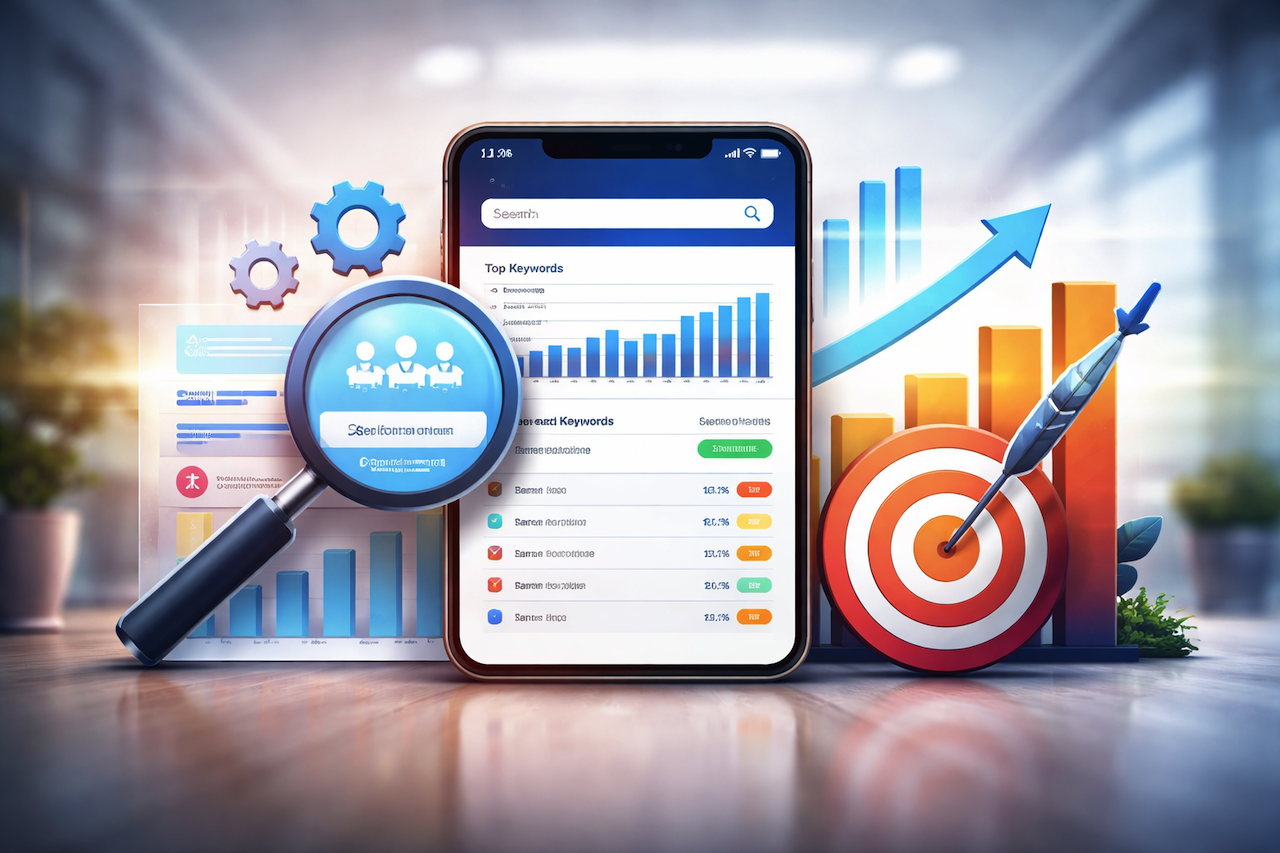
Featured Image generated by ChatGPT.
Share this post
Leave a comment
All comments are moderated. Spammy and bot submitted comments are deleted. Please submit the comments that are helpful to others, and we'll approve your comments. A comment that includes outbound link will only be approved if the content is relevant to the topic, and has some value to our readers.




Comments (0)
No comment