March 26, 2026
by Emily Carter
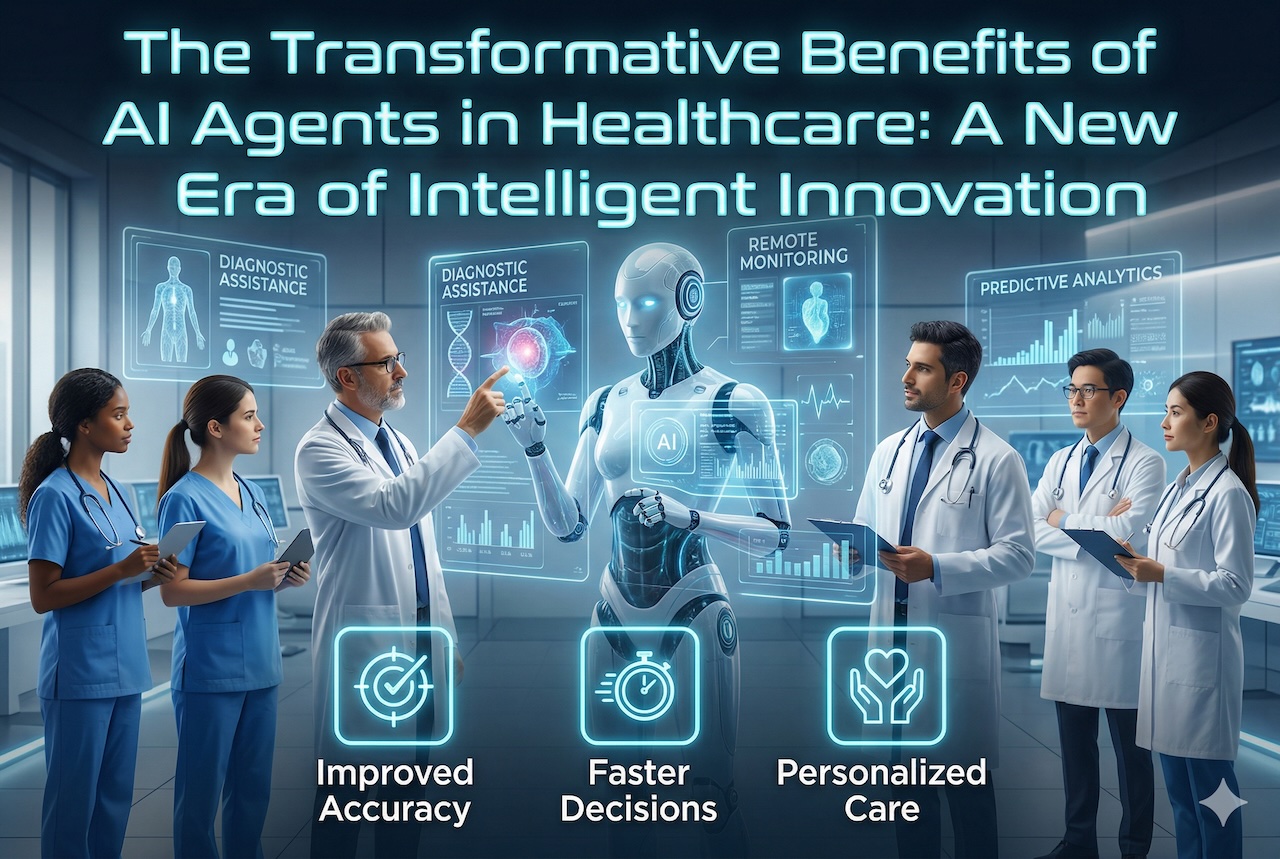
The healthcare sector changes dramatically, and most of the recent changes are driven by newly adopted AI-driven technologies. More and more organizations are partnering with AI software development companies to create intelligent solutions that improve operational efficiency, support better decision-making, and patient outcomes. As the demand for healthcare...
March 25, 2026
by IP Location

In the early days of the generative AI boom, the digital landscape was flooded with simple chat interfaces. While revolutionary, these standalone bots created a hidden burden for professionals: the “fragmentation tax.” Research shows that the average knowledge worker switches between apps and windows nearly 1,200 times a day. When using AI, this often looks...
March 24, 2026
by IP Location

Sales teams working in manufacturing and factory environments often face a familiar problem. The phone rings constantly with enquiries about pricing, stock availability, custom orders, technical specifications, and delivery timelines. Many of these calls are valuable, but not all of them are ready for a sales conversation.
March 24, 2026
by IP Location
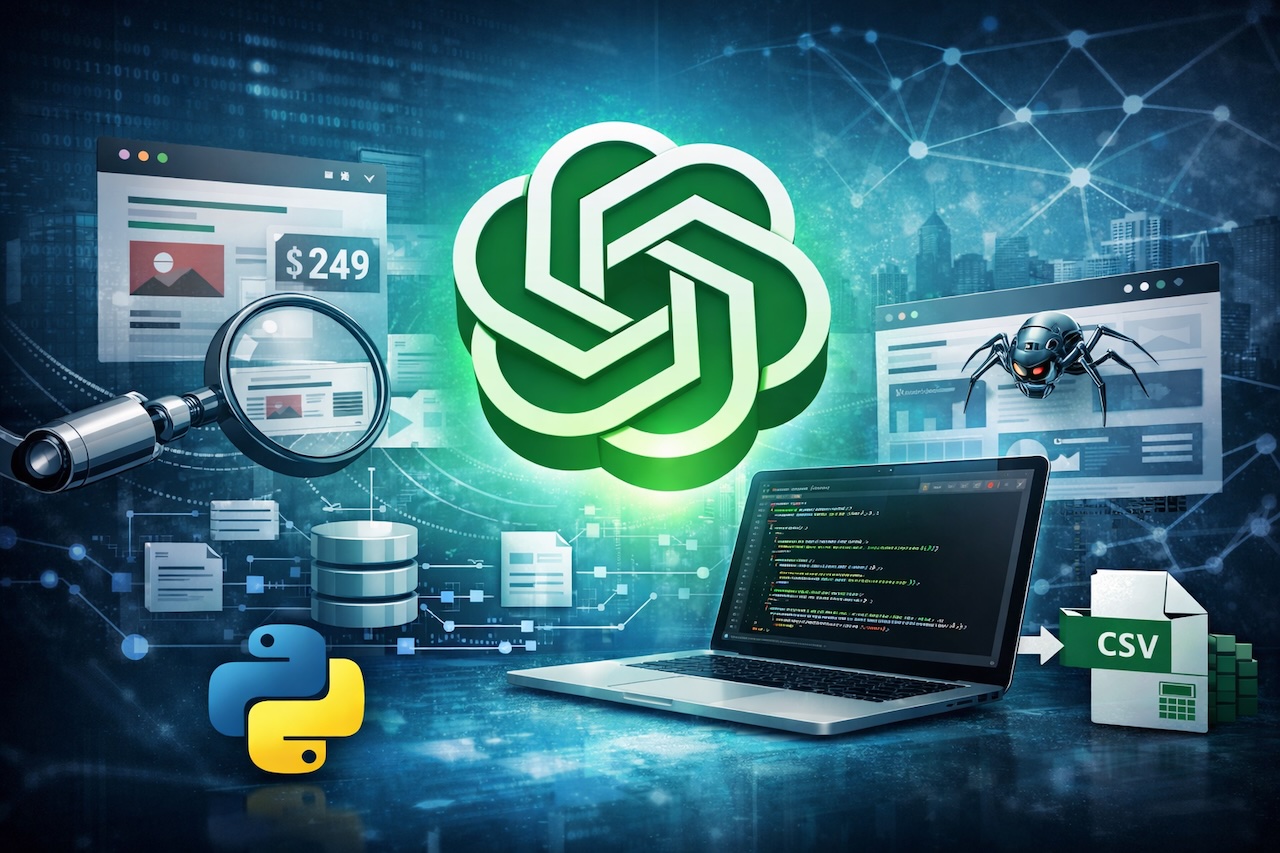
Several sectors are changing as a result of artificial intelligence, which is opening up new opportunities for efficiency and automation. ChatGPT, one of the top AI tools, can be particularly useful in the field of data collecting, where it is an effective ally for information extraction and parsing. Therefore, we offer a comprehensive how-to for using ChatG...
March 24, 2026
by IP Location
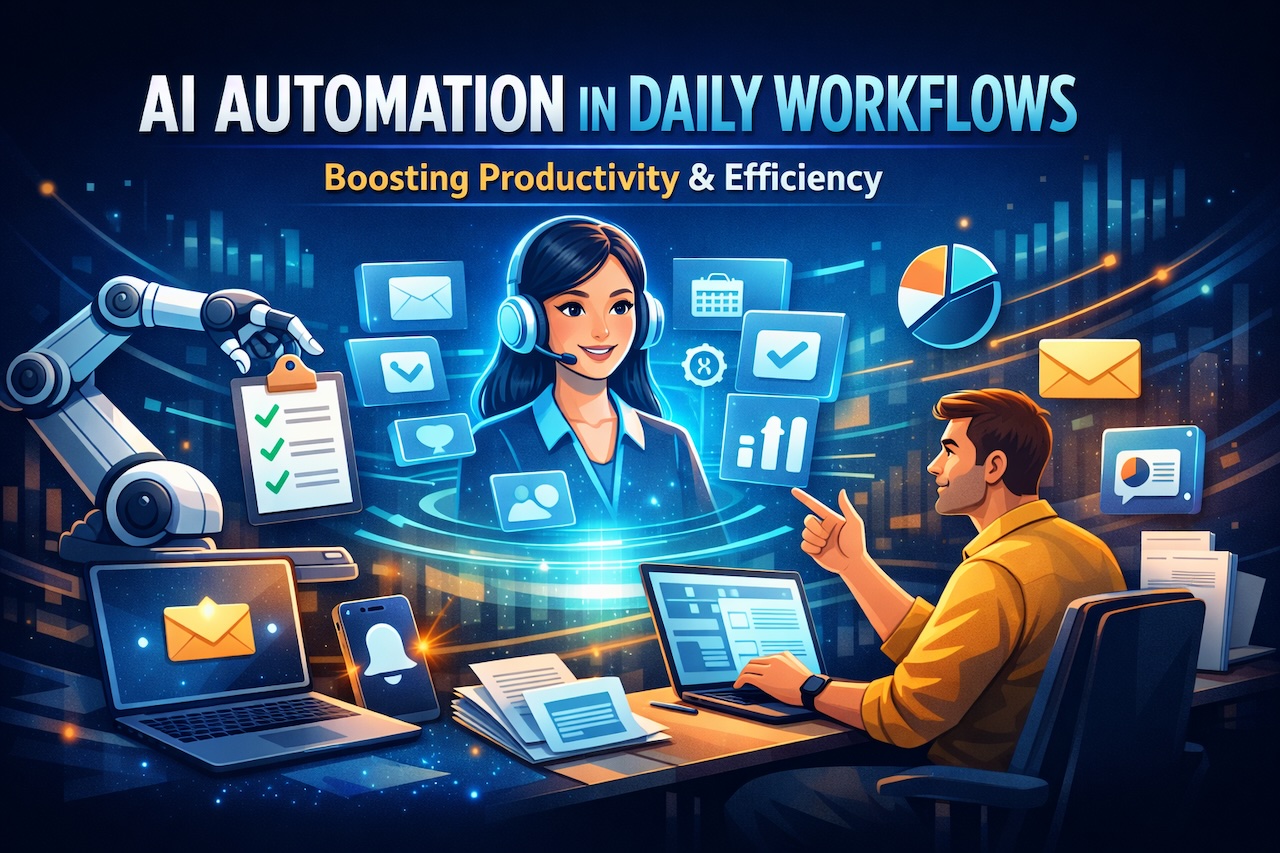
Artificial intelligence is gradually becoming part of everyday work. Instead of being limited to large systems or technical teams, AI is now used by individuals to manage tasks, organize information, and improve efficiency. One of the most practical developments is the use of AI agents and personal AI assistants.
March 20, 2026
by IP Location

For over a century, the line between still photography and moving
pictures was sharp and definitive. A photograph captured a single,
immutable slice of time—a frozen expression, a cresting wave, a fleeting
shadow. Video, conversely, captured the flow of time itself. To move
from the former to the latter required entirely different tools,
workflows,...
March 19, 2026
by Ali Eskandari

Visual content has changed fast. What worked five years ago now feels
outdated. Static images and generic videos no longer hold attention the
way they used to. Today, you are expected to create experiences, not
just visuals. Your viewers want content that reacts, adapts, and feels
personal. In fact, personalized content increases viewers' engagement...
March 17, 2026
by Vitarag Shah
Let's be honest — most conversations about AI agents start with a lot of
hype and very little substance. After nearly a decade of building and
auditing software systems, I've seen firsthand how quickly "intelligent
automation" becomes a liability when the underlying architecture isn't
properly thought through. The promise is real. The execution, ofte...
March 15, 2026
by IP Location
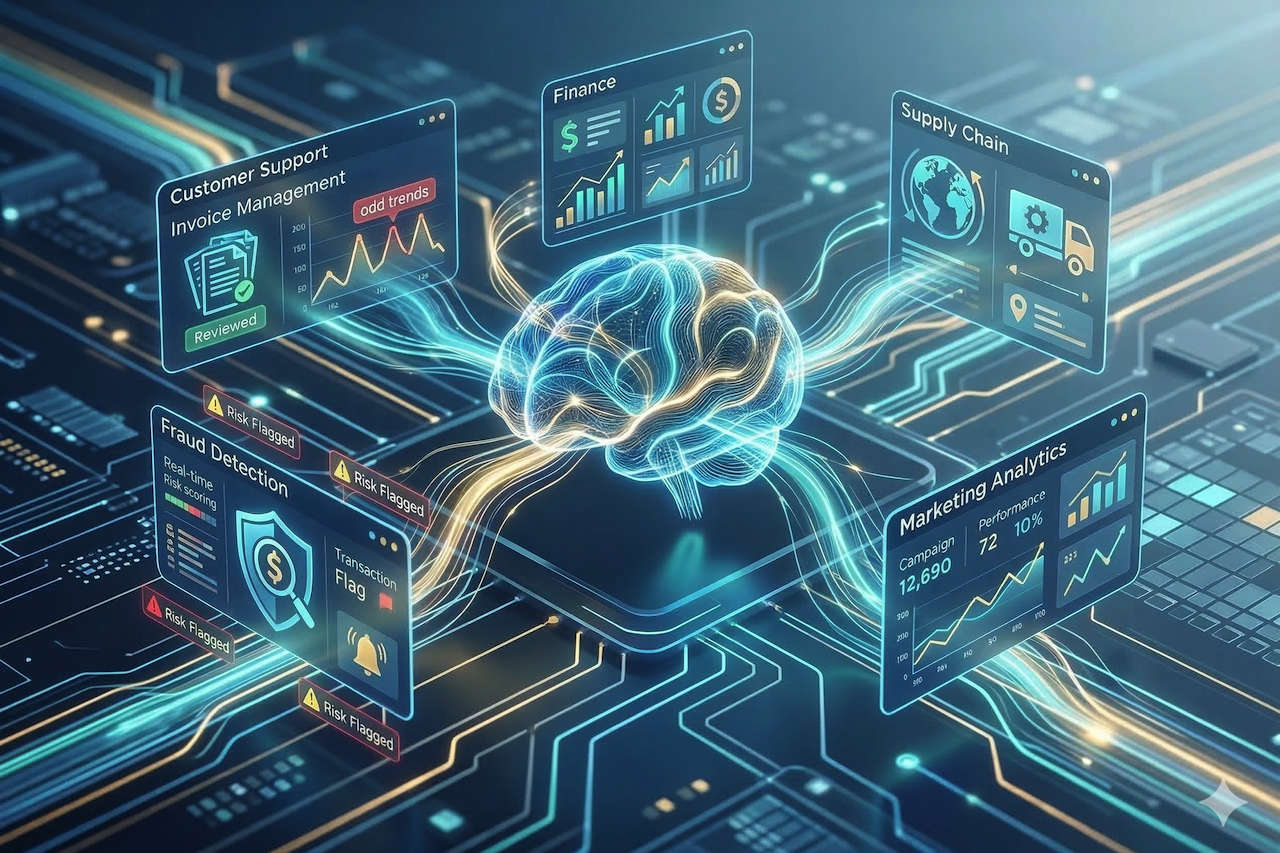
Every business has to deal with dozens of operational processes daily.
These include customer support, financial reports, supply chain updates,
marketing analytics, and more. Most of these processes involve
integrating multiple tools and departments. Manual processing can be
time-consuming, increase operational costs, and more.
March 13, 2026
by IP Location
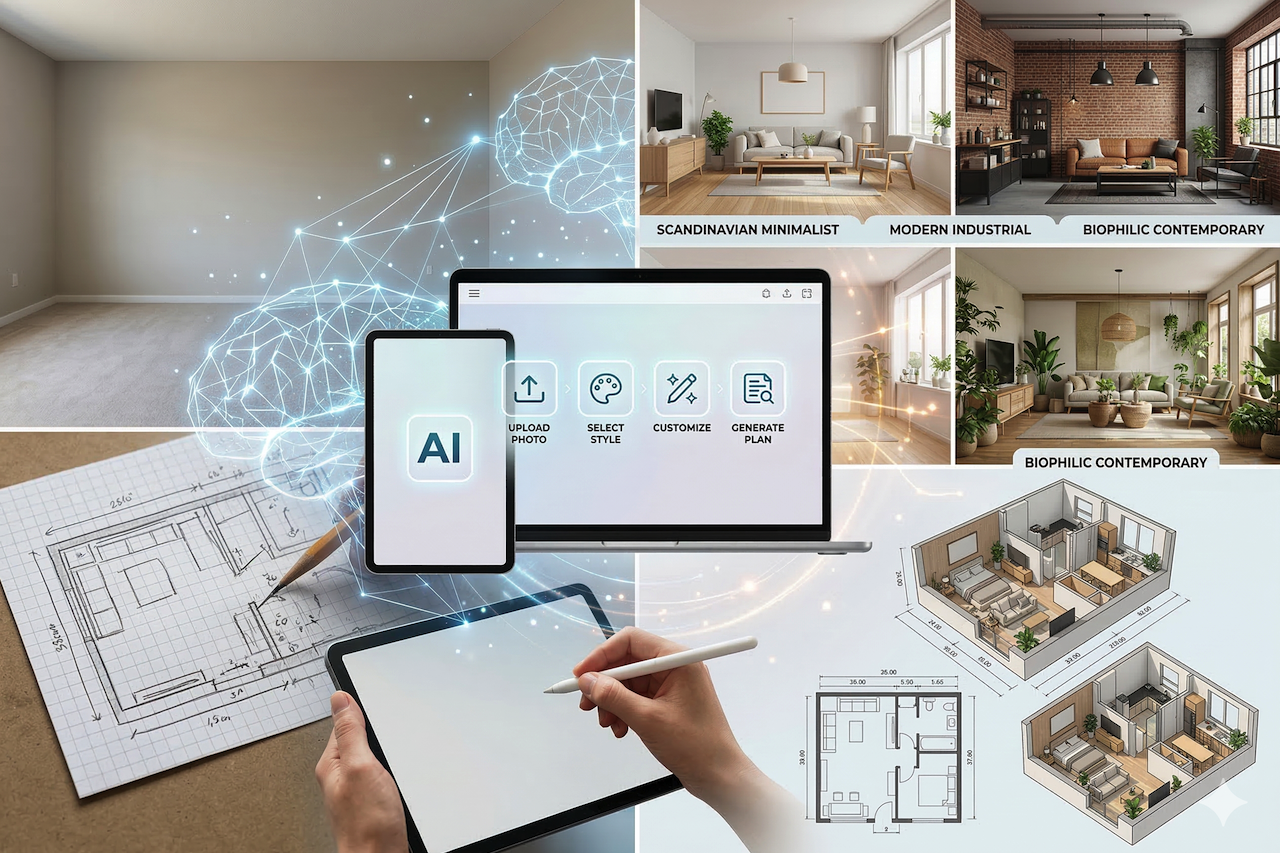
Creating a beautiful and functional home layout once required hours of
planning, sketching, and trial and error. Today, AI-powered room design
and floor plan tools have significantly changed the way interior design
projects are approached.