
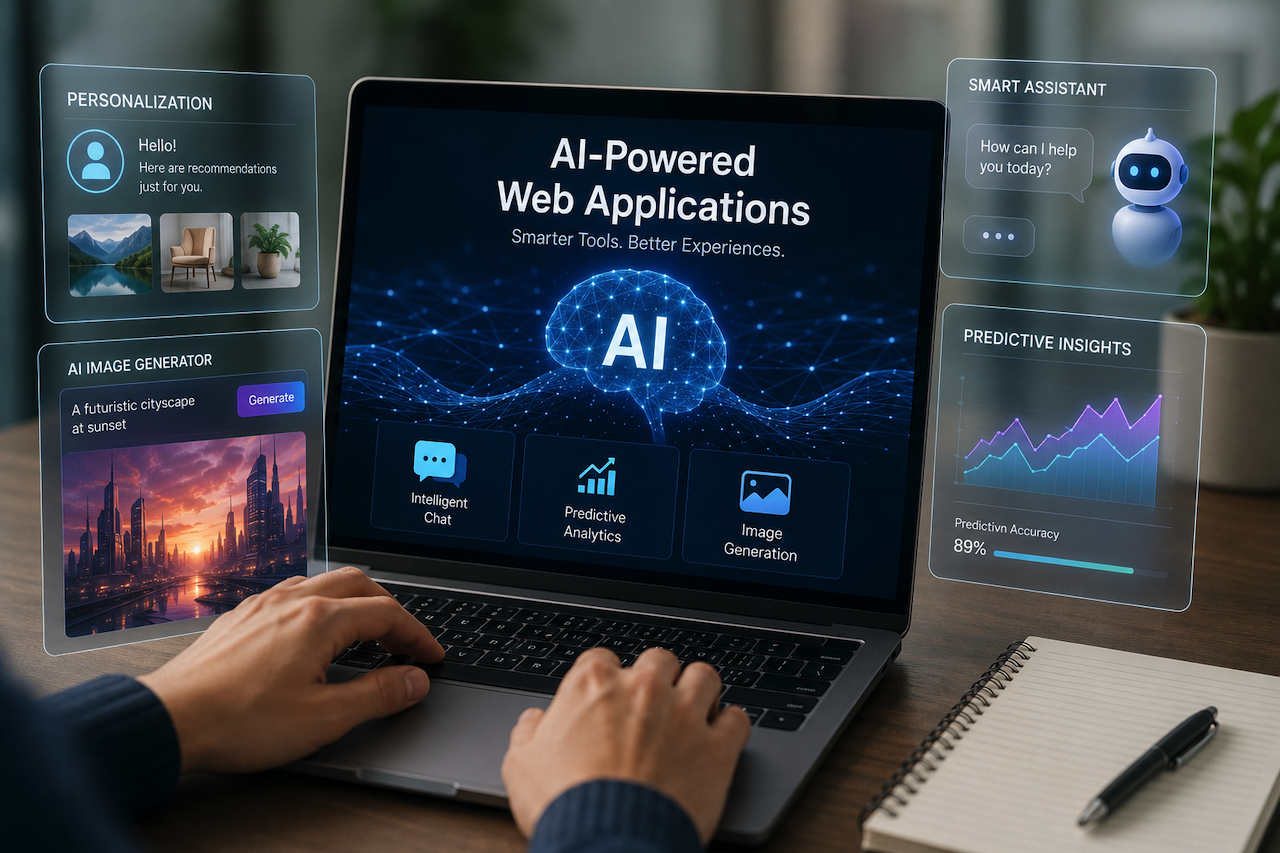
As more business solutions move to web-based platforms, the use of AI-powered web applications is growing rapidly. The evolution of the internet is increasingly driven by systems powered by artificial intelligence, giving users access to dynamic and personalized digital experiences across a wide range of online services.
Browser-based systems have made advanced AI tools more accessible to everyday users. Modern AI technologies can generate creative content, analyze data, and improve digital experiences through predictive analytics and automation. These technologies are now being integrated into many industries and online platforms to improve usability, efficiency, and personalization.
How Browser-Based AI Platforms Work
Modern browser-based AI solutions are built on cloud computing and predictive AI technologies. Unlike traditional applications that process information on local devices, these systems process large amounts of data on Internet servers powered by machine learning algorithms. This allows users to access fast, responsive AI-powered tools directly through a web browser.
One example is the AI Baby Generator platform, which demonstrates how browser-based AI applications can process uploaded images using AI-driven image analysis and predictive modeling. These systems analyze patterns, process user input, and generate personalized visual results in real time.
Because these processes run in the cloud, browser-based AI applications can be accessed from smartphones, tablets, laptops, and desktop computers without requiring specialized hardware or software installations.
The Rise of Personalized AI Experiences
There is a growing trend toward personalization tools across online platforms, as users increasingly expect individualized experiences and recommendations. Modern AI systems are designed to improve user engagement by analyzing preferences and adapting results based on user interactions.
Platforms like the Baby Name Generator demonstrate how personalized AI tools can create engaging user experiences by generating customized suggestions based on specific preferences and inputs. Predictive customization allows users to receive more relevant and interactive results tailored to individual interests.
Intelligent systems are also self-adaptive. As users interact with digital services, machine learning models continuously improve their recommendations and responses over time. This ongoing optimization helps create more accurate, efficient, and personalized online experiences.
Benefits of AI-Powered Online Services
AI-powered web applications provide benefits for both businesses and users. One of the main advantages is accessibility, as users can access advanced online tools directly through their browser without needing to install additional software.
Automation also improves efficiency across many digital processes. AI systems can analyze information, generate content, and perform repetitive tasks much faster than traditional manual workflows, helping improve productivity and streamline online experiences.
These intelligent web applications also support more interactive and adaptive digital environments. Personalized interfaces and AI-driven recommendations can increase user engagement, improve customer experiences, and support higher levels of satisfaction and retention.
Privacy and Ethical Considerations
As AI-powered online services continue to expand, privacy and data protection remain important considerations. Many machine learning systems rely on user data to improve personalization and predictive capabilities, making transparency and responsible data handling increasingly important.
Privacy protection and secure data management help build trust in intelligent web applications. Responsible AI development also encourages platforms to explain how user data is collected, processed, and used within their systems.
In addition to privacy concerns, discussions around algorithmic bias, misinformation, and AI-generated content continue to grow. Governments, researchers, and technology organizations are exploring ways to encourage fair, transparent, and accountable AI systems for online environments.
Future Trends in AI Web Technology
The future of machine learning platforms will likely focus on creating more intelligent and intuitive web experiences. Browser-based AI applications are expected to become faster, more responsive, and better at understanding user behavior and preferences.
AI systems may continue evolving into platforms capable of delivering highly personalized online experiences in real time. These systems can analyze user interactions, communication patterns, productivity habits, and browsing behavior to improve recommendations and digital workflows.
The continued development of real-time machine learning is also expected to expand interactive web capabilities. Future AI-powered web applications may support increasingly integrated forms of interaction, including text, images, voice, and other multimodal experiences.
Conclusion
AI-powered web applications are transforming how users interact with online platforms. Through browser-based accessibility, predictive systems, and personalized experiences, intelligent web technologies are continuing to reshape digital environments.
As personalization technology continues to evolve, AI-powered applications are expected to become even more accessible and widely adopted across industries. These technologies may continue influencing communication, creativity, entertainment, productivity, and many other aspects of the online experience.
Disclaimer
This article is for informational and educational purposes only. The external tools and platforms mentioned are provided as examples of AI-powered web applications and do not constitute endorsements or guarantees by IPLocation.net. Users should independently review the privacy policies, terms of service, and data handling practices of any third-party platform before use. IPLocation.net is not liable for any damages, losses, privacy issues, or outcomes resulting from the use of third-party websites, tools, or AI-generated content referenced in this article.
Featured Image generated by ChatGPT.
Share this post
Author

Leave a comment
All comments are moderated. Spammy and bot submitted comments are deleted. Please submit the comments that are helpful to others, and we'll approve your comments. A comment that includes outbound link will only be approved if the content is relevant to the topic, and has some value to our readers.
Comments (0)
No comment