Blog Category


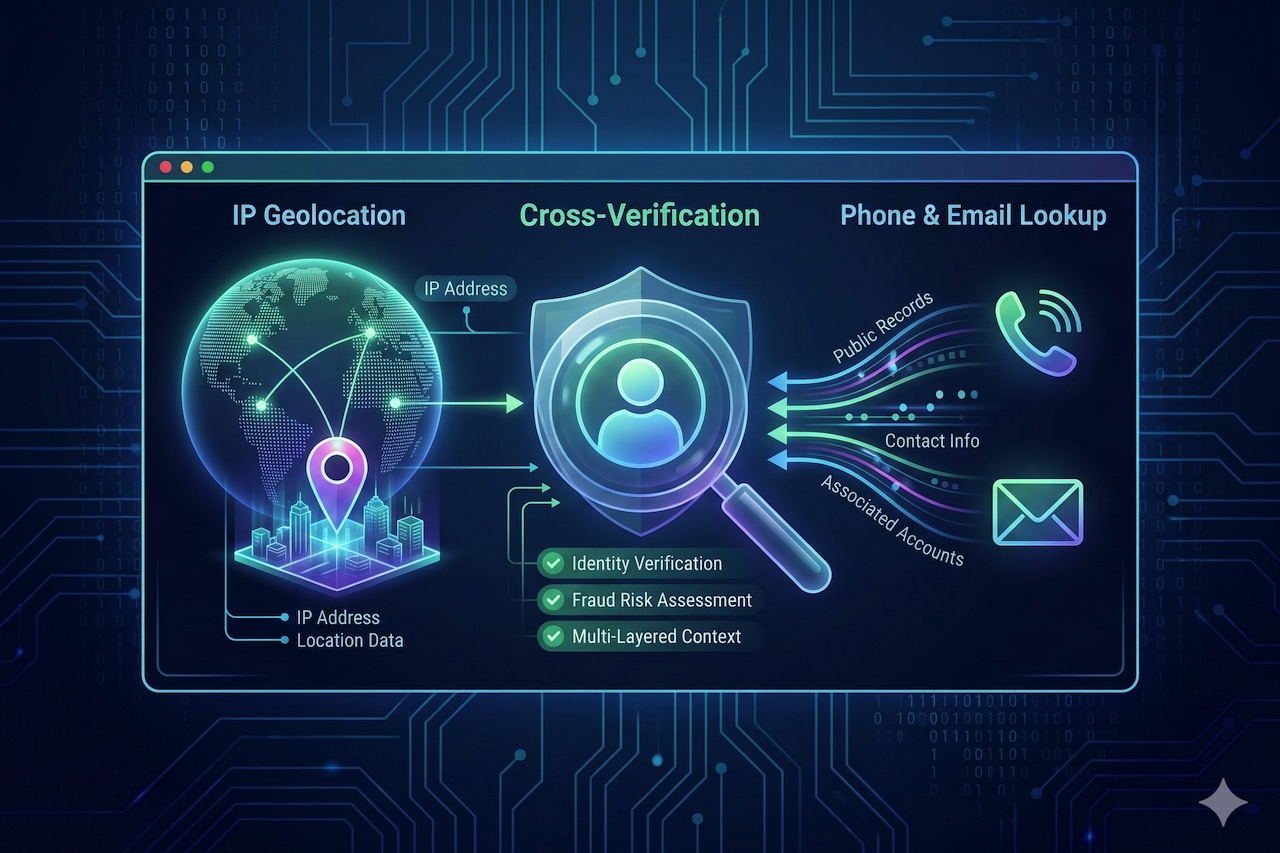
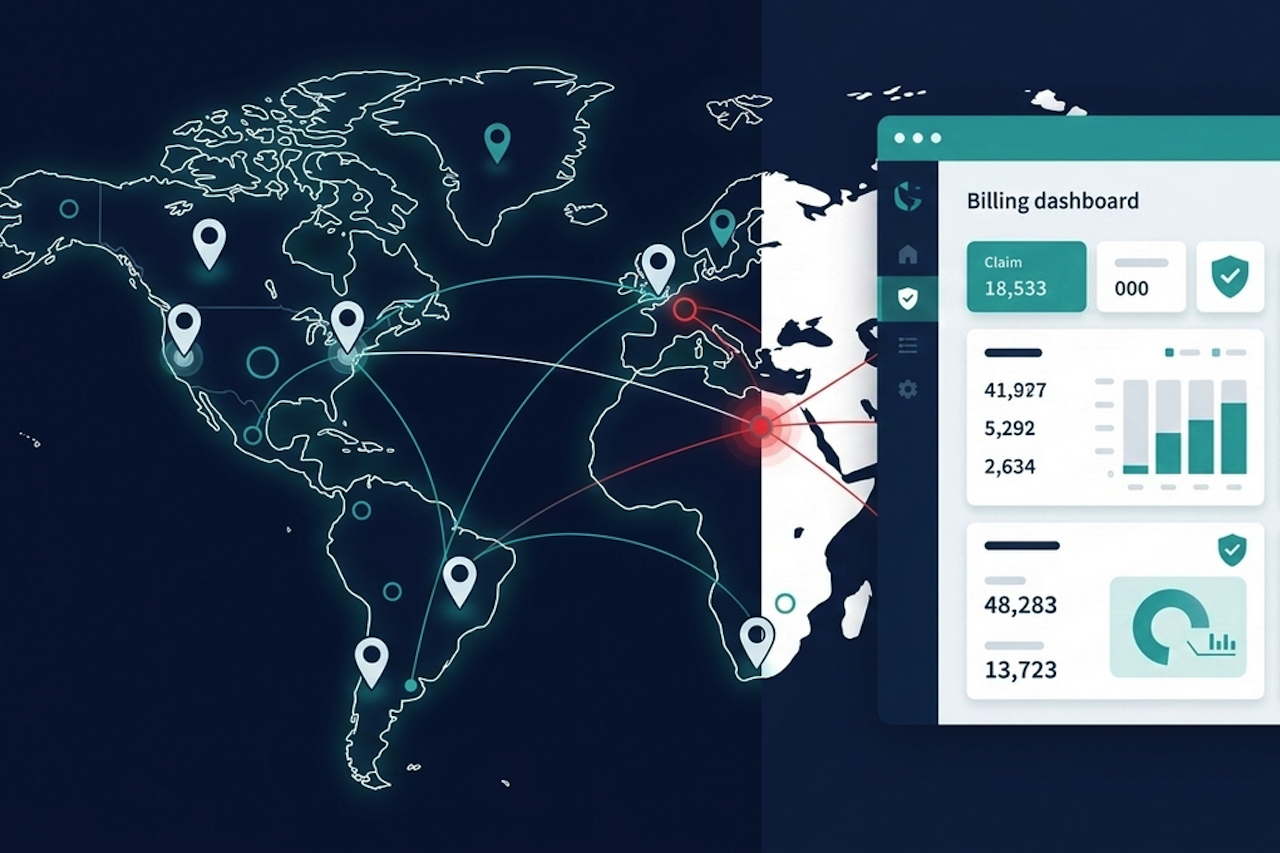
Cybersecurity professional reviewing IP geolocation data to detect healthcare billing fraud

Healthcare billing fraud costs the U.S. healthcare system an estimated $100 billion every year. Behind every fraudulent claim is a chain of overlooked data signals, mismatched IP addresses, unverified provider identities, and billing patterns that fall outside normal parameters. For healthcare organizations navigating an increasingly complex billing environment, the answer may already exist in the cybersecurity tools many IT teams use daily.
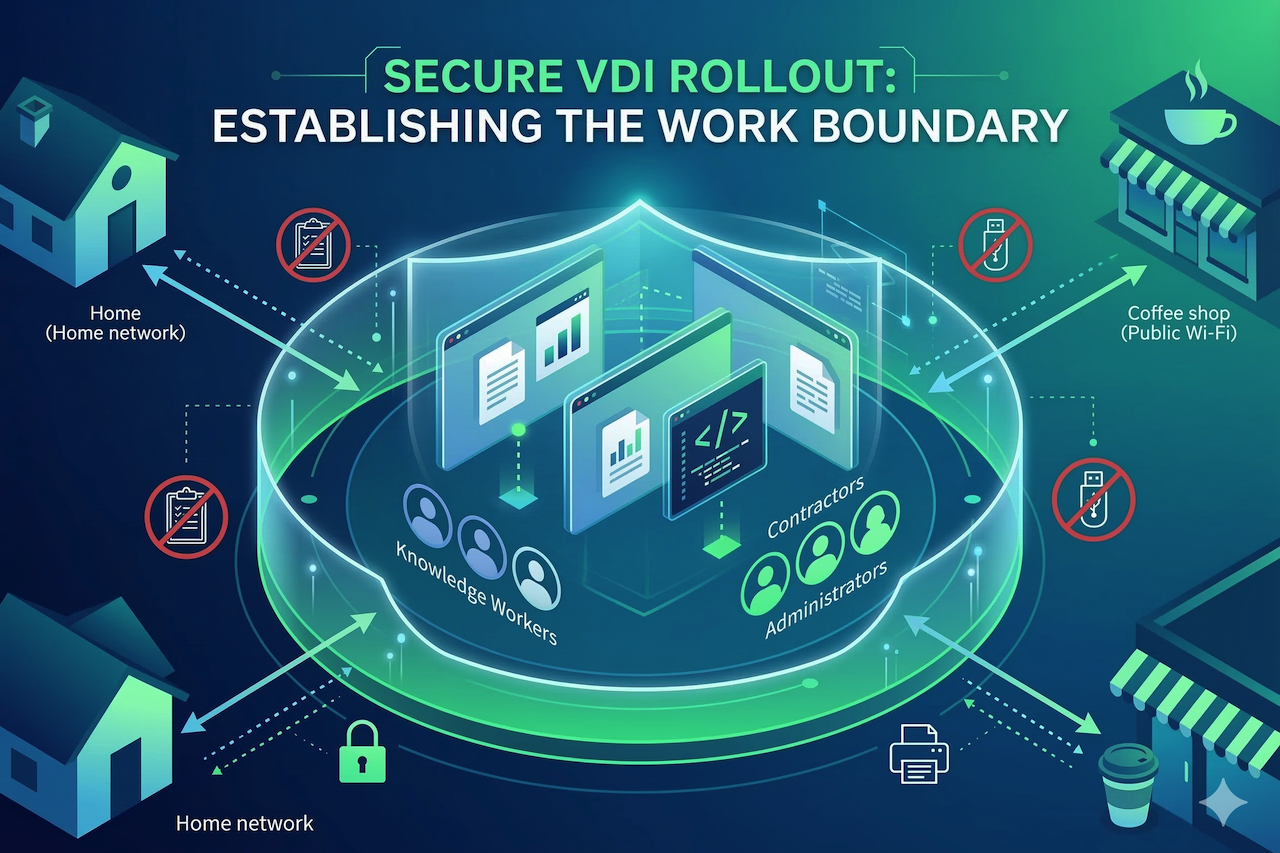
Secure VDI rollout: Establishing the work boundary

Hybrid work is now routine, and that shift changes where corporate work actually happens, across home networks, personal devices, and third-party connections. A recent OECD EU7 benchmark found that 63% of employees work remotely at least occasionally, and 43% do so weekly. In this environment, virtual desktop infrastructure (VDI) is no longer just a convenience layer but a means of enforcing consistent controls across sessions originating from inconsistent networks and devices.

Cybersecurity Padlock

Most professional workflows are a patchwork of insecure habits. To move a project forward, you probably use a combination of email, SMS, and generic cloud storage. You assume that because these tools are popular and common, they are secure. They are not.

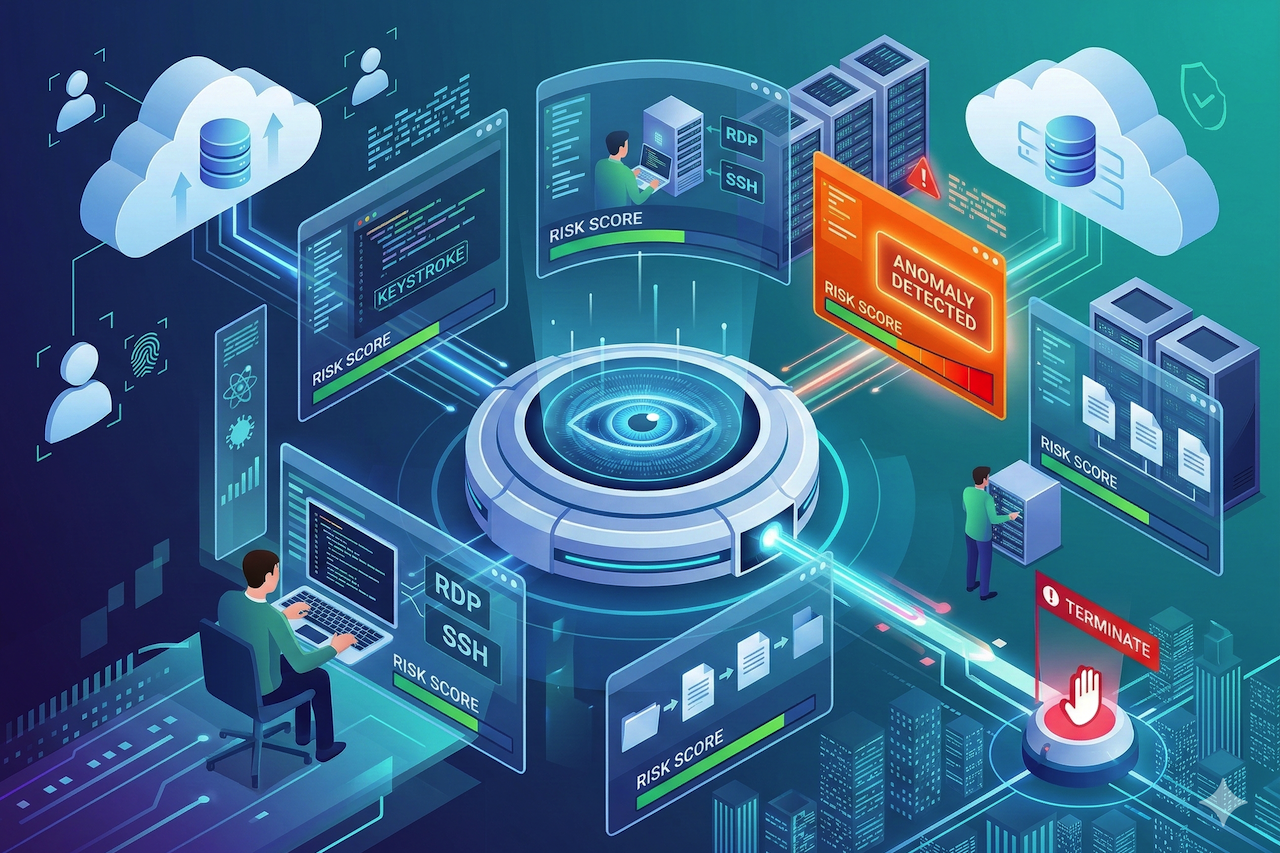
Privileged Session Monitoring

Privileged session recording tools sit at the uncomfortable intersection of trust and verification. They allow security teams to observe, audit, and, when necessary, interrupt high-risk administrative activity across cloud, on-prem, and hybrid environments. In 2026, modern Privileged Access Management (PAM) platforms are not just recording screens. They combine video capture, keystroke indexing, AI-driven anomaly detection, and real-time termination to reduce insider and third-party risk before damage spreads.

MQTT Security

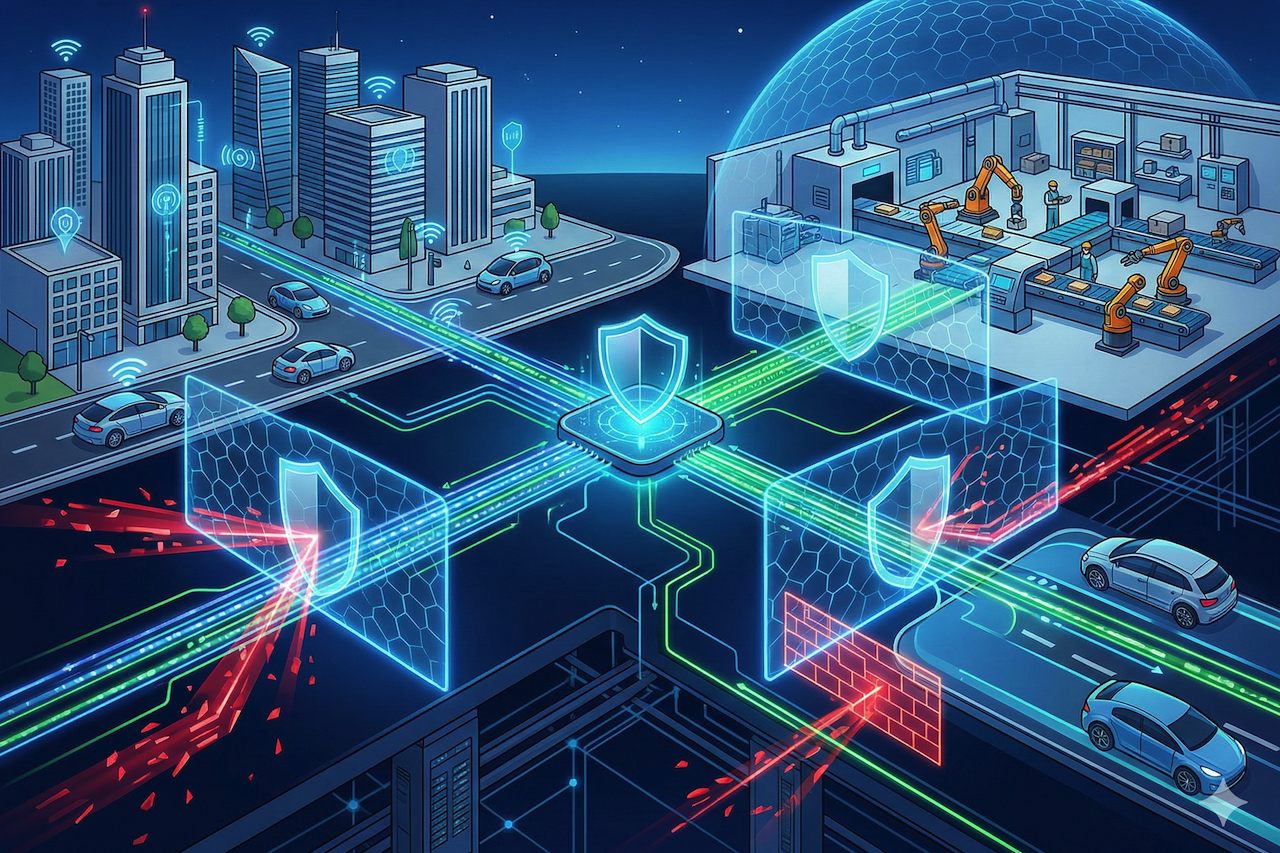
In 2026, Message Queuing Telemetry Transport (MQTT) is the unsung hero keeping IoT devices chatting smoothly, from smart factories to city sensors and self-driving cars. But as hackers get smarter, using AI and new tech, leaving your data streams unprotected is like leaving your front door wide open. Here's straightforward advice to lock things down: focus on encryption, smart access rules, sturdy setups, and constant watchfulness to keep your operations running safely.

Cybersecurity shield protecting IP address

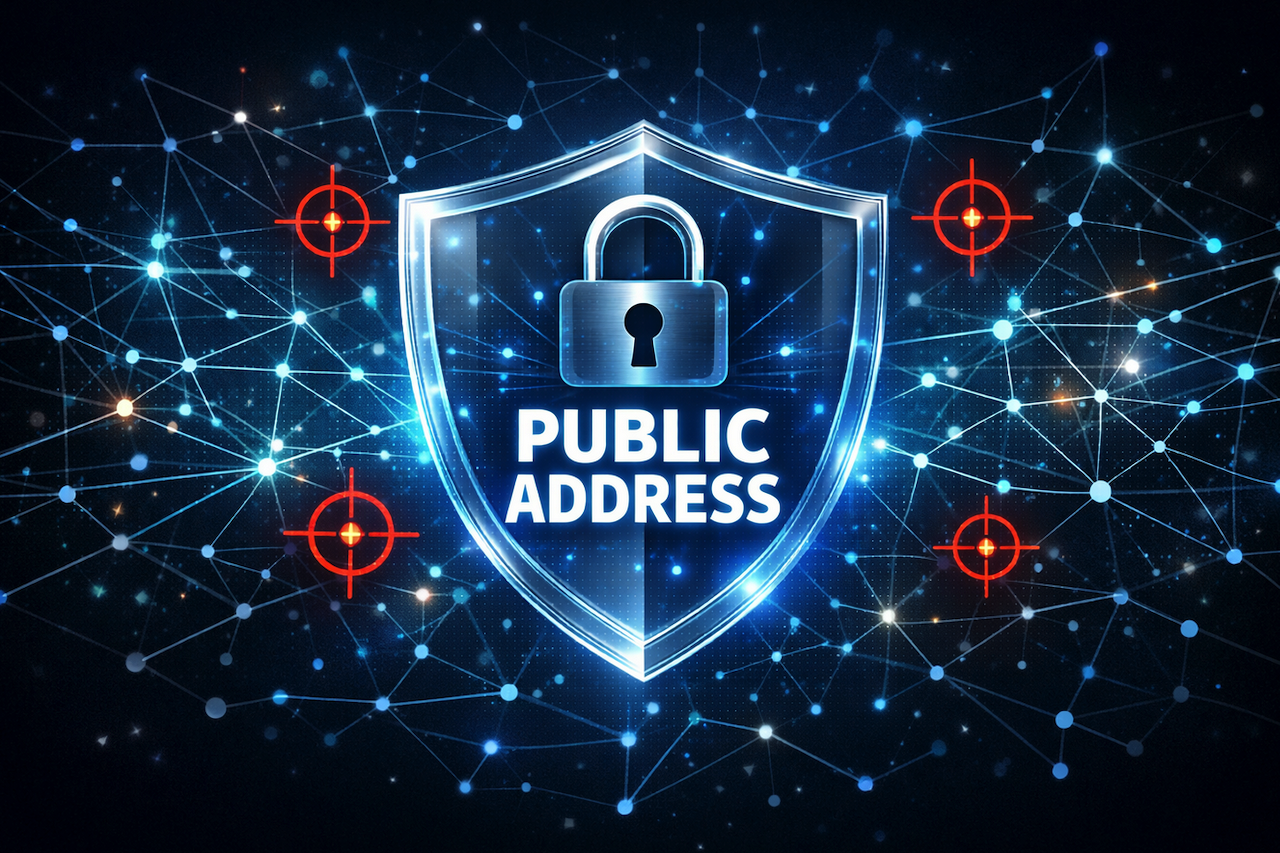
Every time you load a webpage, stream a video, or send an email, your device tosses out a unique numerical label: your internet address. To most people, this is just boring background info. But to attackers, it's as interesting as a treasure map. That address is often the starting point for snooping, intrusion attempts, and targeted abuse. Getting a handle on how those attacks go down is about the most practical thing you can do to protect yourself.