For years, brand visibility meant one thing: Google rankings. If you were on page one, you were winning. If not, you were invisible.
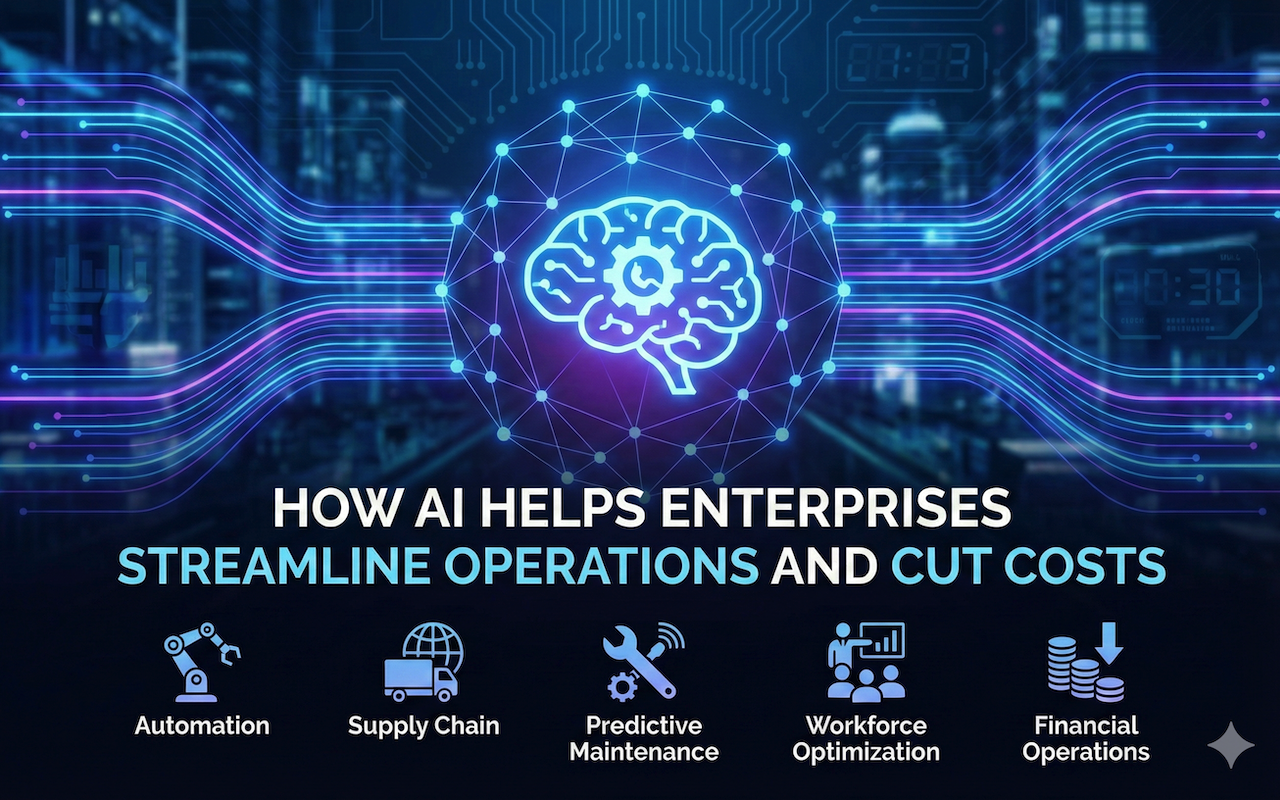
Enterprise operations are under steady pressure to do more with less. Rising costs, complex supply chains, workforce challenges, and growing customer expectations have made efficiency a top priority. This is where AI in operations is proving to be a game changer. No longer limited to experimentation or innovation labs, AI is now embedded in day-to-day enterprise operations, streamlining workflows, reducing waste, and unlocking measurable cost savings.
Lately, automation has really changed how teams get things done online. But the significant shift occurred when automation combined with two essential components: AI behavior and intelligent proxy control. Together, these features create a totally new kind of helper: the AI agent. Just think of it as a super-worker that lives in your internet browser, taking care of tasks like a champ.
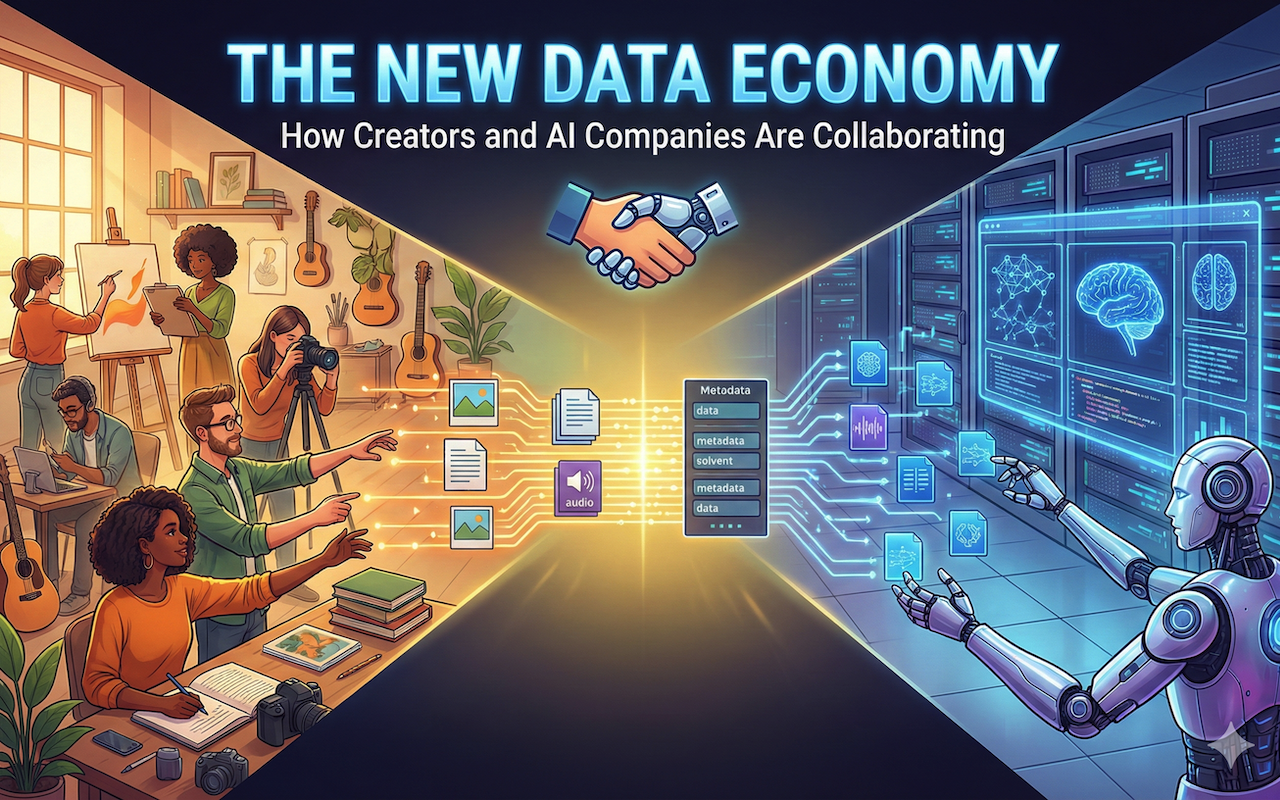
For the last three years, the generative AI boom has felt like a smash-and-grab. Large language models vacuumed up the open internet without asking permission. But the dust is settling, and we are witnessing the end of the wild west of scraping the web.
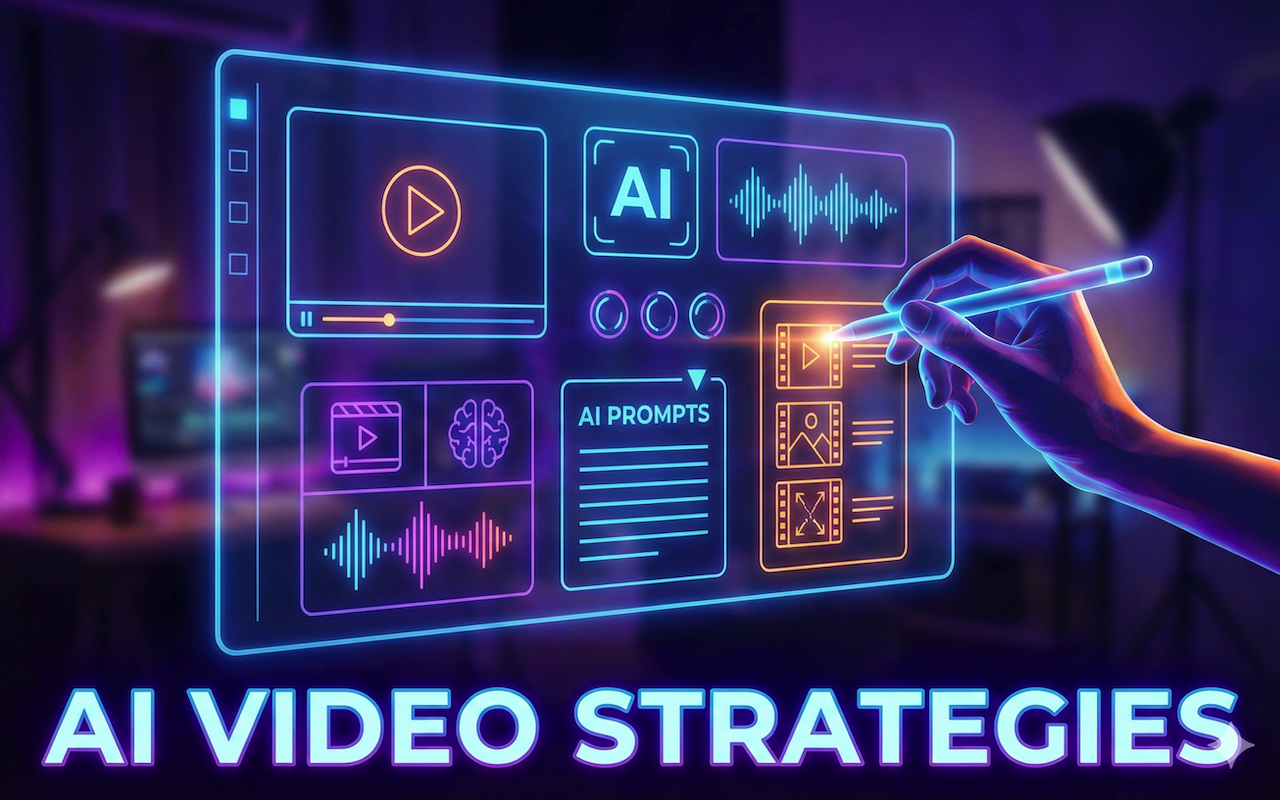
AI video technology revolutionizes content production by turning ideas into polished visuals with remarkable speed and efficiency.
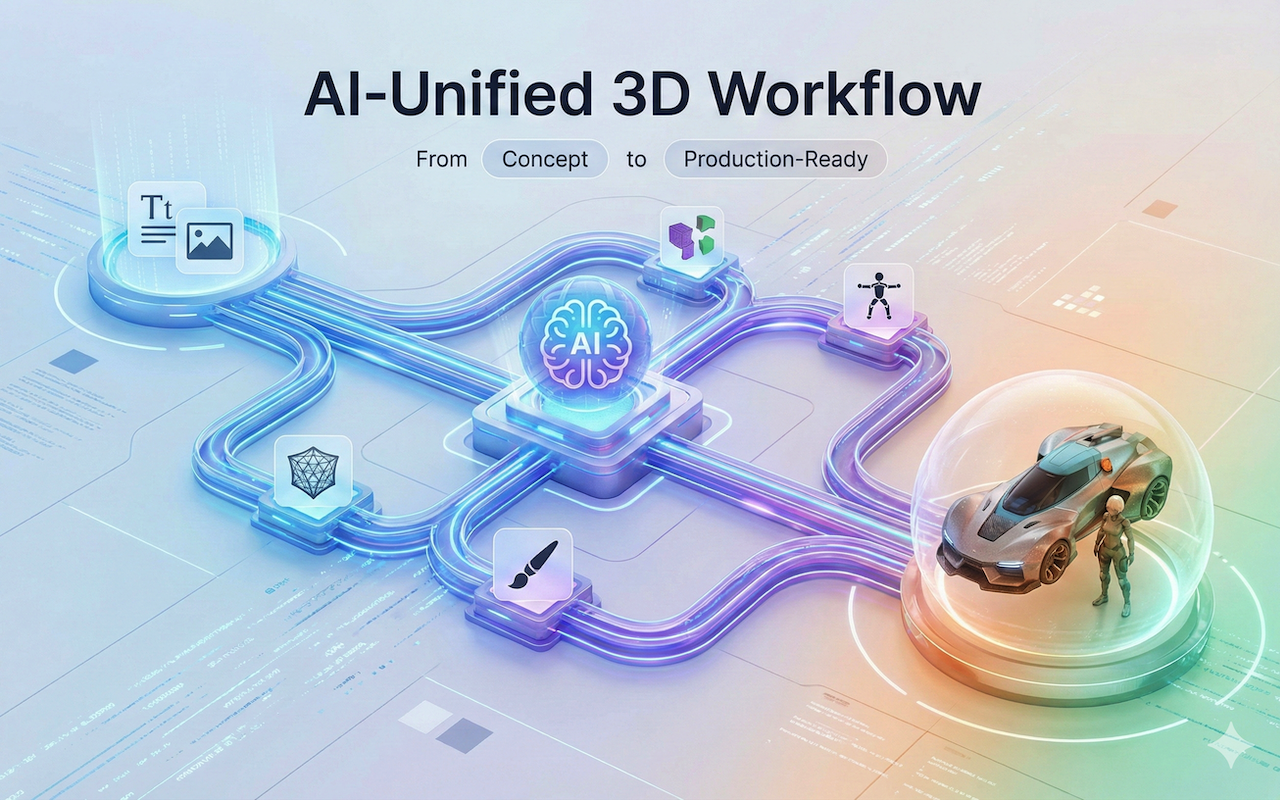
The demand for 3D content is exploding across industries, from game development and film to product design and e-commerce. However, traditional 3D model creation remains fragmented, requiring multiple specialized and complex software tools. This technical barrier has long stifled creativity and slowed production pipelines.
Many businesses view AI as their secret weapon. It makes all processes and campaigns run more smoothly, supports intelligent decision-making, and sparks new ideas. AI really lets companies set aside tedious tasks, catch valuable data, and adapt to market changes fast. Plus, you'll stay secure and compliant.
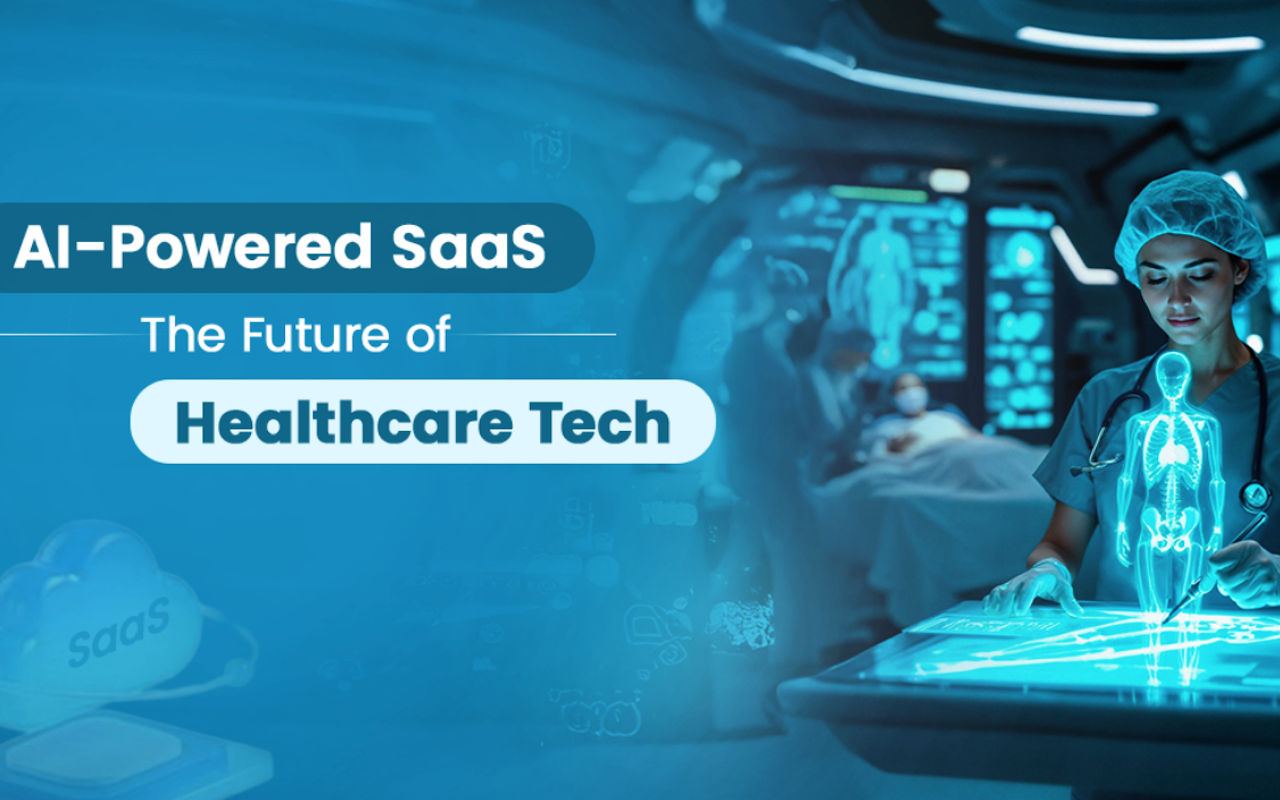
Imagine a hospital or clinic where doctors no longer spend hours reviewing patient notes or completing documentation. Instead, they can have natural conversations while AI listens, summarizes, and updates records in real time. Patients using telehealth platforms may interact with intelligent digital companions that track symptoms, forecast potential issues, and guide them toward appropriate care.
The beat of visual storytelling is emotional flow. It takes the audience up and down throughout the story, creating a dynamic rhythm that keeps viewers engaged. Stable emotional pacing is what makes audiences stay connected, and tools that visually model these emotional shifts make the creative process far easier. Modern AI-based storyboard platforms now provide intuitive ways for creators to map emotional beats, helping them design stories that resonate—without relying on tedious manual scene breakdowns.
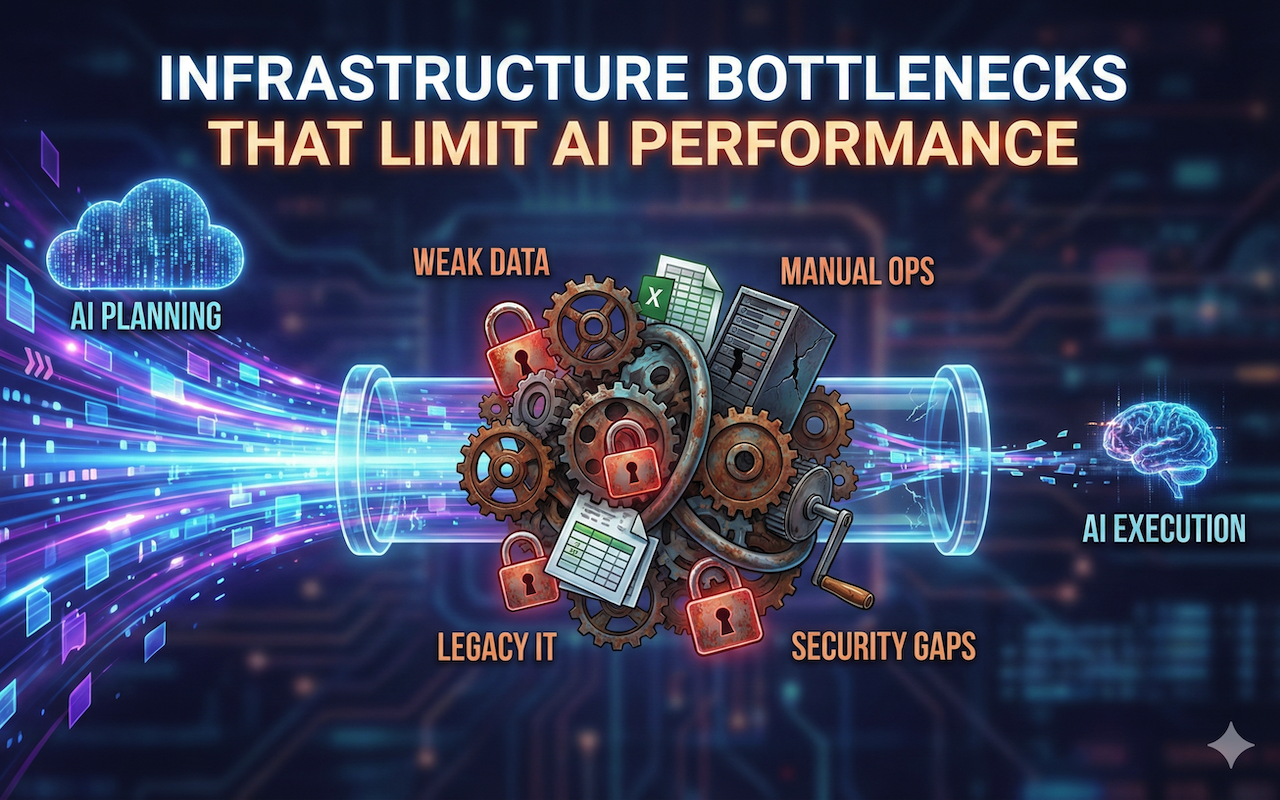
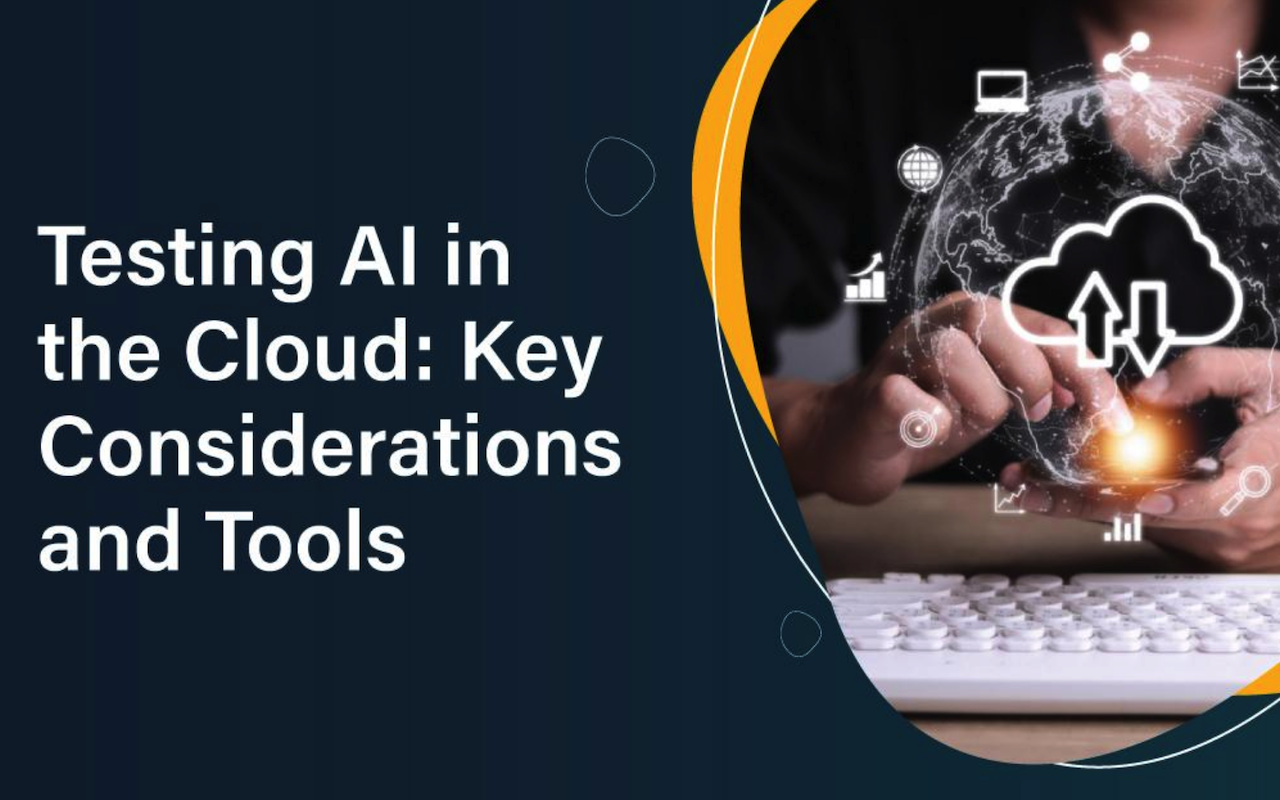
Artificial intelligence is now an essential element of contemporary businesses. AI applies to all areas of companies: recommendation engines, fraud detection, customer service, automation, prediction, and so on. Simultaneously, cloud computing has entirely transformed how teams build, test, and deploy AI models. Development is faster, scalable, and cheaper when combined with AI and cloud platforms, but it becomes more complex as layers are added. That is why well-designed AI testing strategies and organized validation processes are more relevant than ever.