
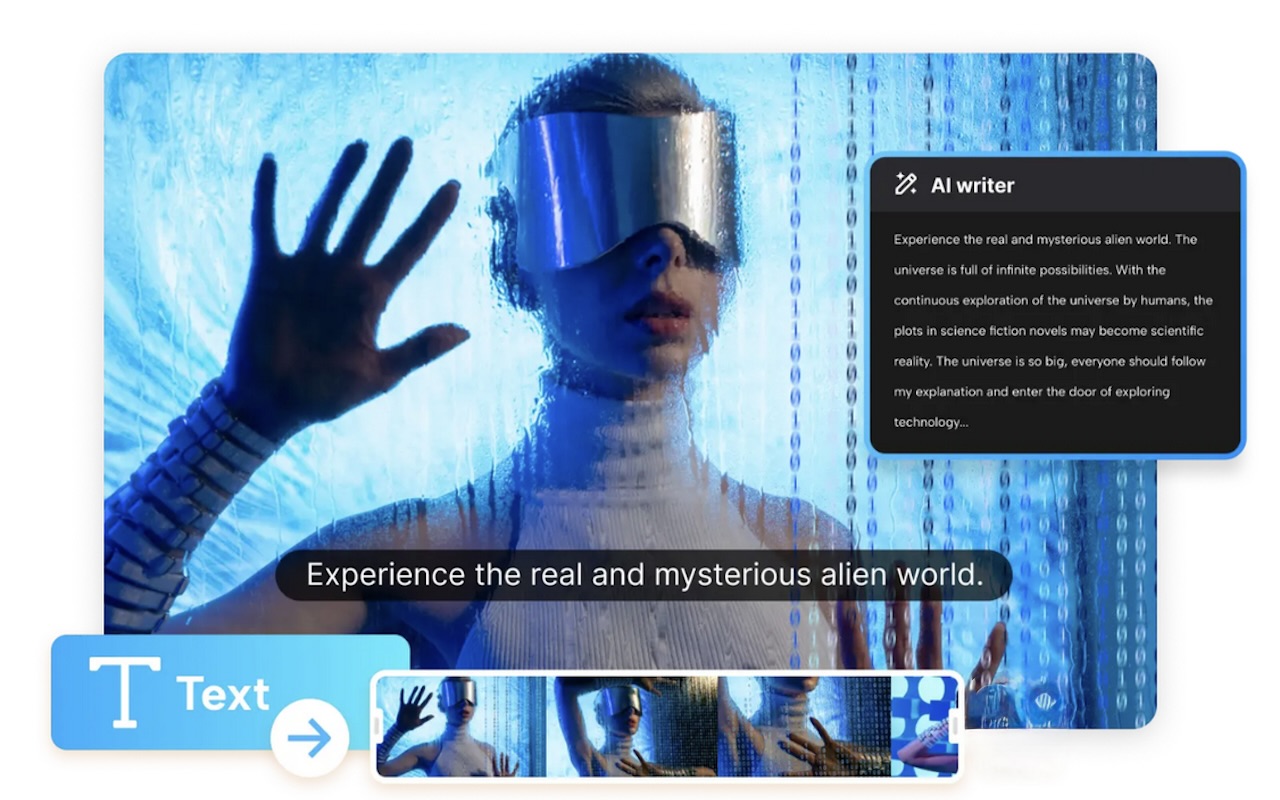
The beat of visual storytelling is emotional flow. It takes the audience up and down throughout the story, creating a dynamic rhythm that keeps viewers engaged. Stable emotional pacing is what makes audiences stay connected, and tools that visually model these emotional shifts make the creative process far easier. Modern AI-based storyboard platforms now provide intuitive ways for creators to map emotional beats, helping them design stories that resonate—without relying on tedious manual scene breakdowns.
Learning About Emotional Flow and Scene Rhythm
Emotional flow is the progression of feelings throughout a story. Every scene contributes to a rhythmic pattern that shapes how viewers react. A consistent emotional rhythm prevents the audience from becoming bored, while sudden, poorly-timed shifts can cause confusion or disengagement.
Scene transitions act as emotional cues, emphasizing moments of climax, tension, or relief. Intense segments build suspense, while lighter scenes give viewers room to reflect. Identifying and balancing these emotional peaks and valleys is essential for natural, compelling storytelling. It ensures the narrative breathes at the right moments without distracting the audience.
AI Applications in Emotional Rhythm Mapping
Artificial intelligence is transforming how creators manage emotional pacing. By analyzing tone, dialogue, and visual descriptions, AI can detect the emotional trajectory of a story. These systems can suggest adjustments to timing, transitions, and scene flow—smoothing the movement between emotional highs and lows.
An AI writer can also convert rough ideas into structured outlines or scene lists instantly. This reduces the guesswork involved in organizing the story and allows creators to focus more on narrative quality rather than manual sequencing. Effective rhythm mapping becomes quicker, more intuitive, and results in a more polished final product.
How AI Tools Improve the Structuring of Emotional Scenes
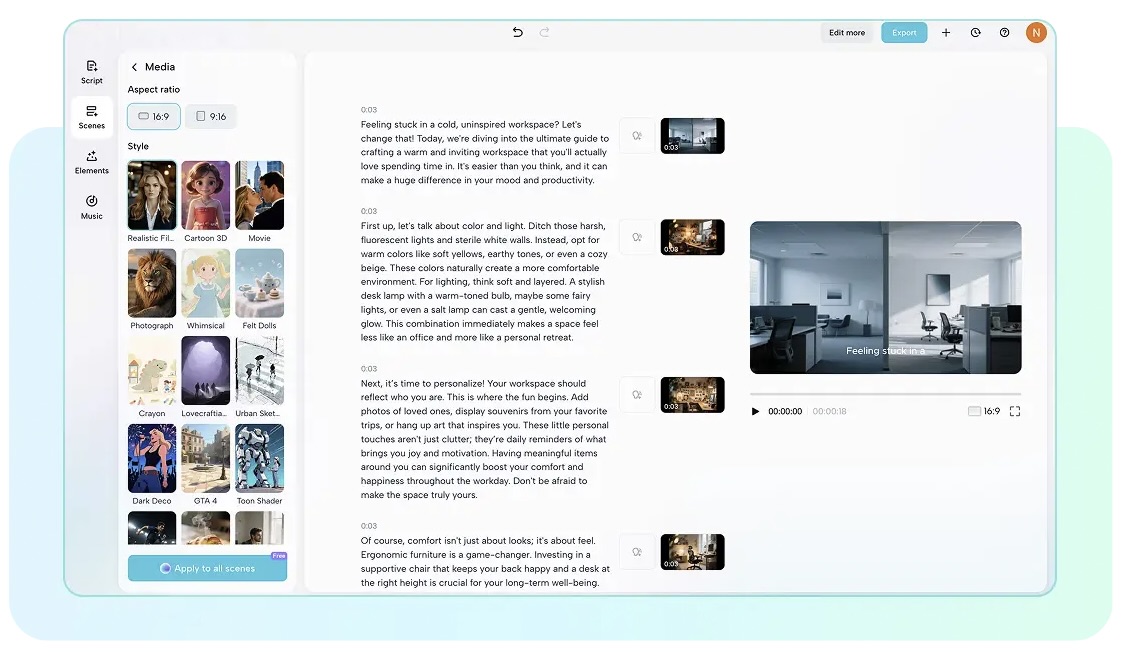
AI storyboard and video-planning platforms streamline emotional scene design by turning scripts into visual sequences. These tools automatically break down scenes, highlight emotional beats, and indicate where tension, relief, or narrative emphasis should occur. Built-in cues can help creators adjust captions, transitions, and scene lengths to maintain emotional consistency.
Some tools allow real-time previewing of pacing adjustments, enabling creators to refine the narrative without performing time-consuming manual edits. This accessibility empowers both beginners and experienced storytellers to manage emotional complexity with greater ease.

Steps to Map Emotional Flow Easily Using AI Storyboard Scene Rhythm
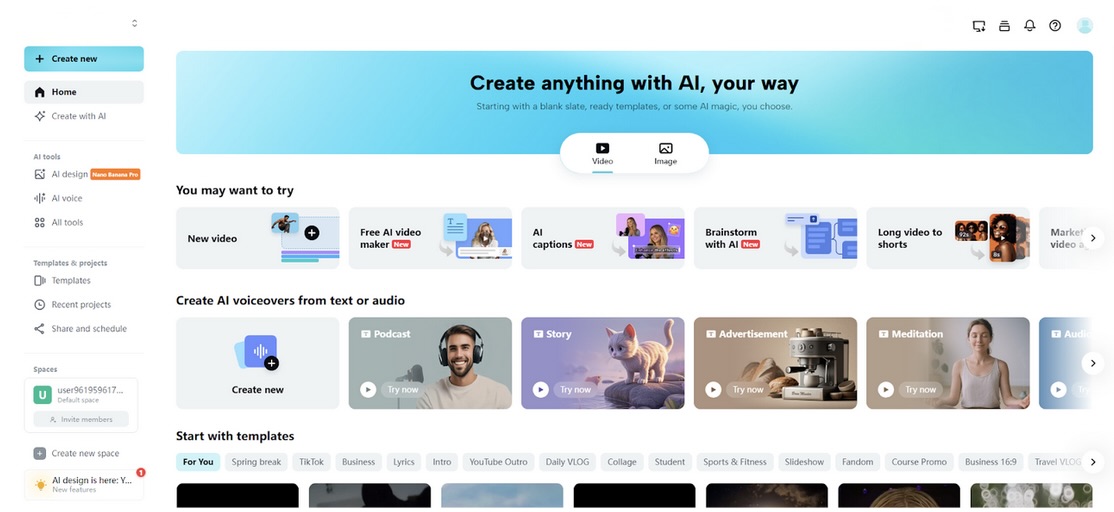
Step 1: Access an AI Storyboarding Workspace
Open your preferred AI video editor or storyboard creator. Choose an option such as “AI video maker” or “AI storyboard generator” to begin working with automated scene-planning tools.
Step 2: Build Emotional Script Flow
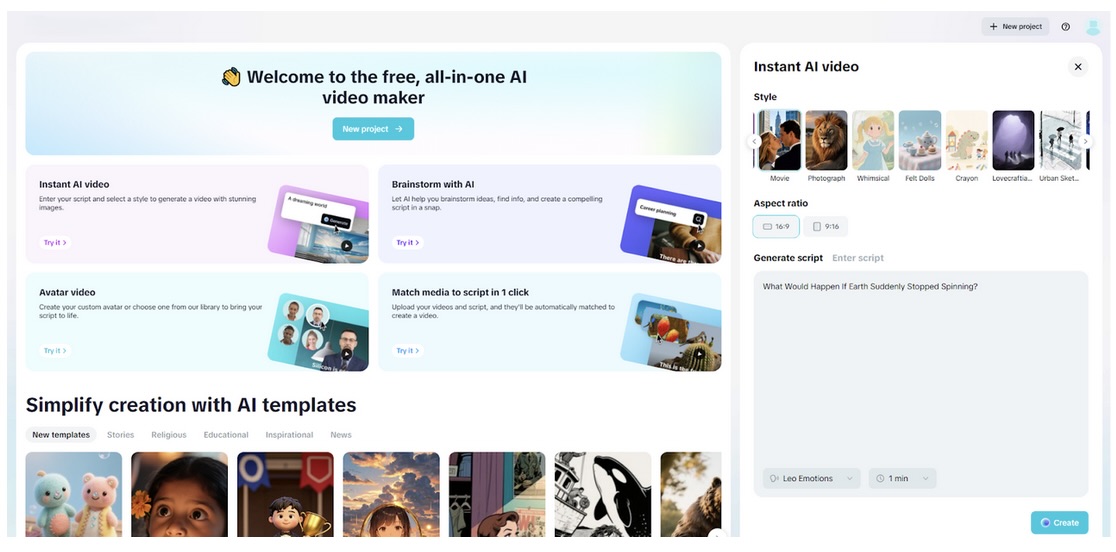
Select a visual style that matches the emotional tone of your project. Enter your concept into a script box or use an integrated AI writer to generate a structured outline. Choose your aspect ratio, storyboard length, and narration tone. Generate the storyboard to view an emotion-guided layout with clear scene structure.
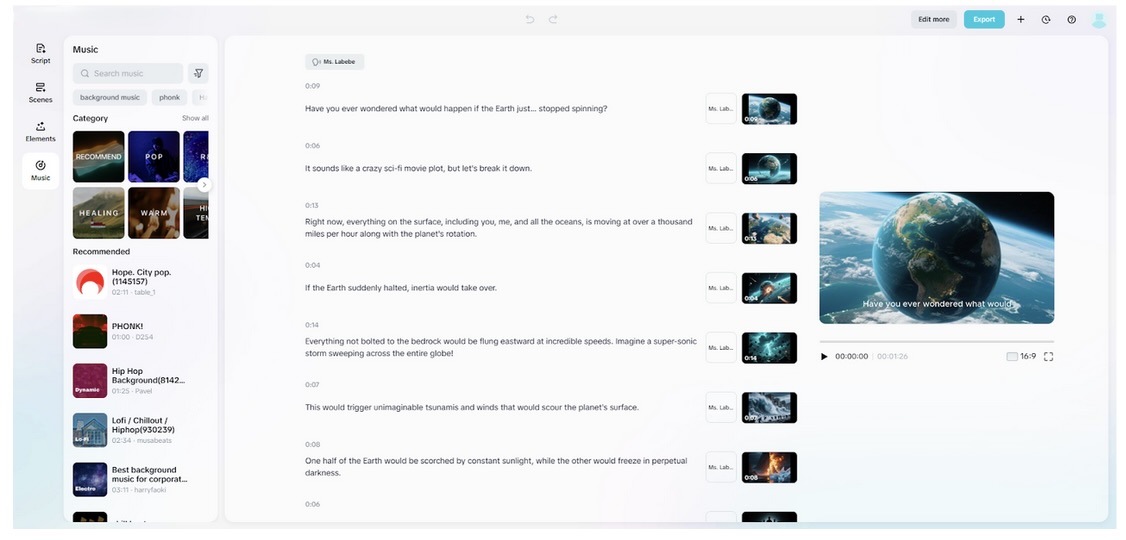
Step 3: Shape Rhythm with Music and Captions
Finalize your storyboard and refine emotional timing. Add background music that supports the intended mood and apply captions or text elements that enhance emotional clarity. These components help strengthen the rhythm across scenes.
Step 4: Export the Emotional Timeline
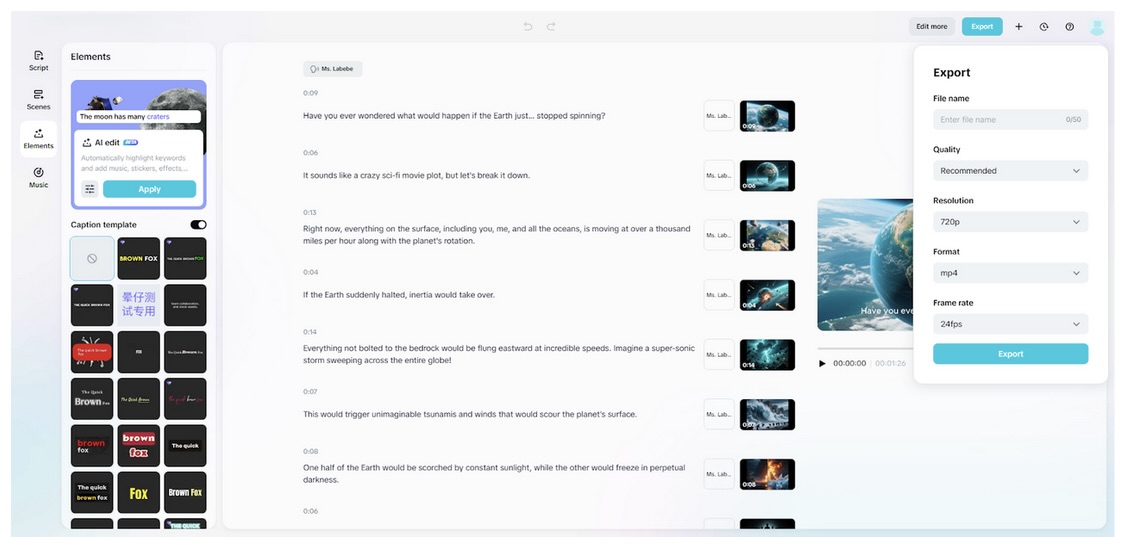
When the emotional pacing feels balanced, export your video or storyboard. Select the resolution, format, and frame rate suitable for your project, then save the final output to your device.
Emotional Storyboard Visual Strategies
Visual elements significantly influence how audiences perceive emotional flow. Color palettes can set the mood, while motion or camera cues can heighten or soften tension. AI storyboarding tools allow creators to adjust atmospheric and stylistic details for each scene.
Soundtrack choices also shape emotional pacing—music can elevate critical moments or introduce calm when needed. Even captions play a subtle but important role in shaping audience perception. By aligning visuals, audio, and text, creators can produce a cohesive and impactful emotional experience.
Balancing Intensity and Calm with AI
Good storytelling alternates between intensity and calm. Excessive high-energy scenes can overwhelm viewers, while too many quiet moments can make a story feel flat. AI-powered analysis can detect emotional imbalances within a storyboard and recommend adjustments.
Creators can refine the emotional curve by modifying scene duration, transition timing, or sound design. Gradual rises and intentional relief points help maintain viewer engagement and satisfaction. Proper balance keeps narratives dynamic without causing fatigue or disinterest.
Tuning Scene Rhythm to Different Genres
Each genre follows its own emotional rhythm. Comedy depends on fast shifts and brief pauses. Drama requires carefully controlled tension and emotional peaks. Action stories rely on rapid sequences punctuated by short recovery scenes. Documentaries often aim for steady, informative pacing.
AI storyboard tools allow creators to adapt their scenes to these genre-specific patterns. Scene structure, timing, and visual cues can be customized to fit the narrative style and intended audience, ensuring the emotional flow matches the genre’s expectations.
Conclusion
Emotional rhythm mapping no longer needs to be manual or time-intensive. AI-powered storyboard and video-planning tools can read scripts, suggest pacing improvements, and generate structured visual outlines. By combining automated scene planning, emotional cues, and integrated audio and text strategies, creators can produce compelling narratives that convey the intended mood with clarity.
With these tools, storytelling becomes more natural, expressive, and efficient—empowering creators to craft polished emotional journeys that truly resonate with audiences.
Share this post
Leave a comment
All comments are moderated. Spammy and bot submitted comments are deleted. Please submit the comments that are helpful to others, and we'll approve your comments. A comment that includes outbound link will only be approved if the content is relevant to the topic, and has some value to our readers.
Comments (0)
No comment