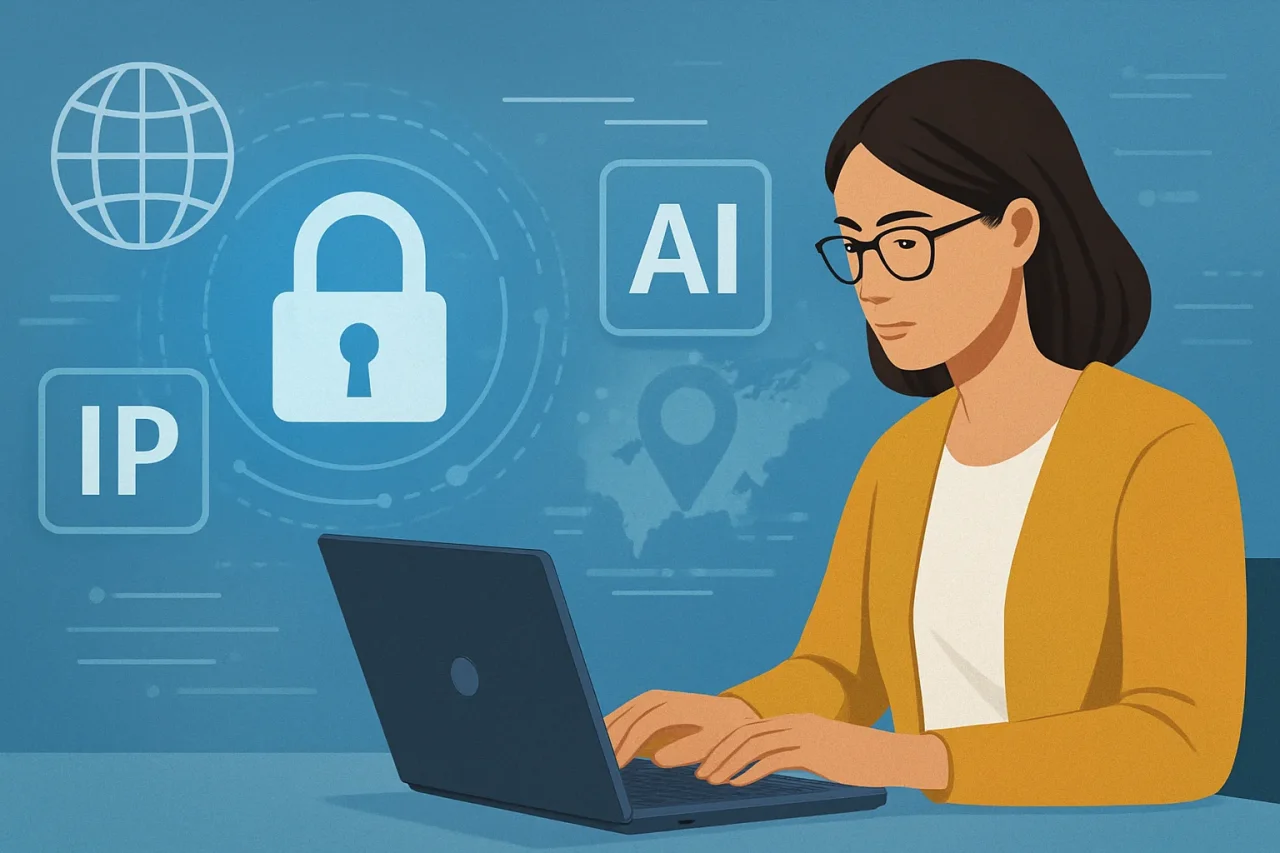

In the current global landscape, cybersecurity often takes center stage. Enterprises invest millions in high-end firewalls, sophisticated encryption, and real-time IP tracking to protect their virtual assets from remote threats. However, a critical vulnerability remains in many organizational strategies: the physical office layer.
In many police departments, paperwork piles up faster than anyone can keep track of it. Keeping firearms records accurate and up to date can feel like an endless chore. Modern law enforcement equipment tracking systems offer a way to manage weapons, gear, and training records without drowning in forms. These digital platforms make audits faster, accountability clearer, and daily operations smoother. By carefully embracing technology, agencies can remain compliant while protecting both officers and the public.
Have you ever wondered what happens to the important information your team shares in a personal chat app? How sure are you that your business data is secure in personal messaging apps?
The financial landscape is evolving rapidly, driven by the growing
demand for speed, flexibility, and convenience in managing money.
Traditional banking systems, once the cornerstone of financial services,
are now being complemented—and in some cases challenged—by modern
fintech solutions. Among these innovations, all-in-one financial apps
are emerging as tools that combine mobile banking, digital payments, and
cryptocurrency management into a single platform.
Many investors are now looking for opportunities beyond stocks and bonds. Alternative investments offer avenues to diversify your portfolio while uncovering growth opportunities. Understanding which assets qualify as alternative investments will help you make informed decisions regarding your finances. In this article, we will examine the various types of assets considered alternative investments and explain their characteristics.
Network engineering is one of the most resilient career paths in tech. While other IT roles have seen waves of layoffs and automation anxiety, the demand for professionals who understand how data moves across infrastructure has stayed consistently strong. Cloud computing, remote work infrastructure, and the expansion of 5G have all created new demand for network expertise.
As we navigate the deep waters of 2026, the cybersecurity landscape has undergone a radical transformation. Automated, AI-driven cyberattacks have become the baseline rather than the exception. In the past twelve months alone, network engineers have witnessed a staggering surge in localized Distributed Denial of Service (DDoS) attacks, highly sophisticated WebAuthn bypass attempts, and malicious proxy masking campaigns that execute in a matter of milliseconds.
When traffic leaves your usual connection and starts exiting through hosted infrastructure, IP geolocation stops reflecting your local access network and starts reflecting the network identity of the exit point. For readers who already know how IP lookups work at a high level, that shift is where the real story begins. A geolocation result is not a live GPS trace. It is a judgment about an IP address, its prefix, its hosting context, and the data signals that various databases have collected around it.
The streaming landscape is no longer just about content; it’s about the infrastructure that delivers it. As we move into 2026, the transition from 4K to 8K resolution has highlighted the massive technical gap between standard web services and dedicated high-performance streaming networks. For the end-user, achieving a true cinema-like experience at home now requires a deeper understanding of IP routing, server latency, and the specific technical requirements of next-generation digital providers. In an era where "buffering" is the ultimate enemy of the user experience, professional-grade technical setups have become the standard for enthusiasts worldwide.
When businesses commission custom software, the conversations tend to focus on features, timelines and cost. Security rarely gets the same airtime, and when it does, it is often treated as something to address once the core build is done. That is an understandable instinct, especially when budgets are tight and there is pressure to get something working quickly. It is also one of the more costly mistakes a business can make.
At IPLocation.net, we prioritize the privacy and security of our visitors. We want you to feel confident and comfortable when browsing our website. That's why we want to assure you that we do not sell or share any personal information collected from our website.
Your trust is important to us. Whether you're browsing our site for information, or engaging with our content, rest assured that any data you provide remains strictly confidential. We adhere to stringent privacy policies and comply with all relevant regulations to safeguard your information.
Your privacy matters, and we are committed to maintaining the highest standards of data protection. If you have any questions or concerns regarding our privacy practices, please don't hesitate to reach out to us.