
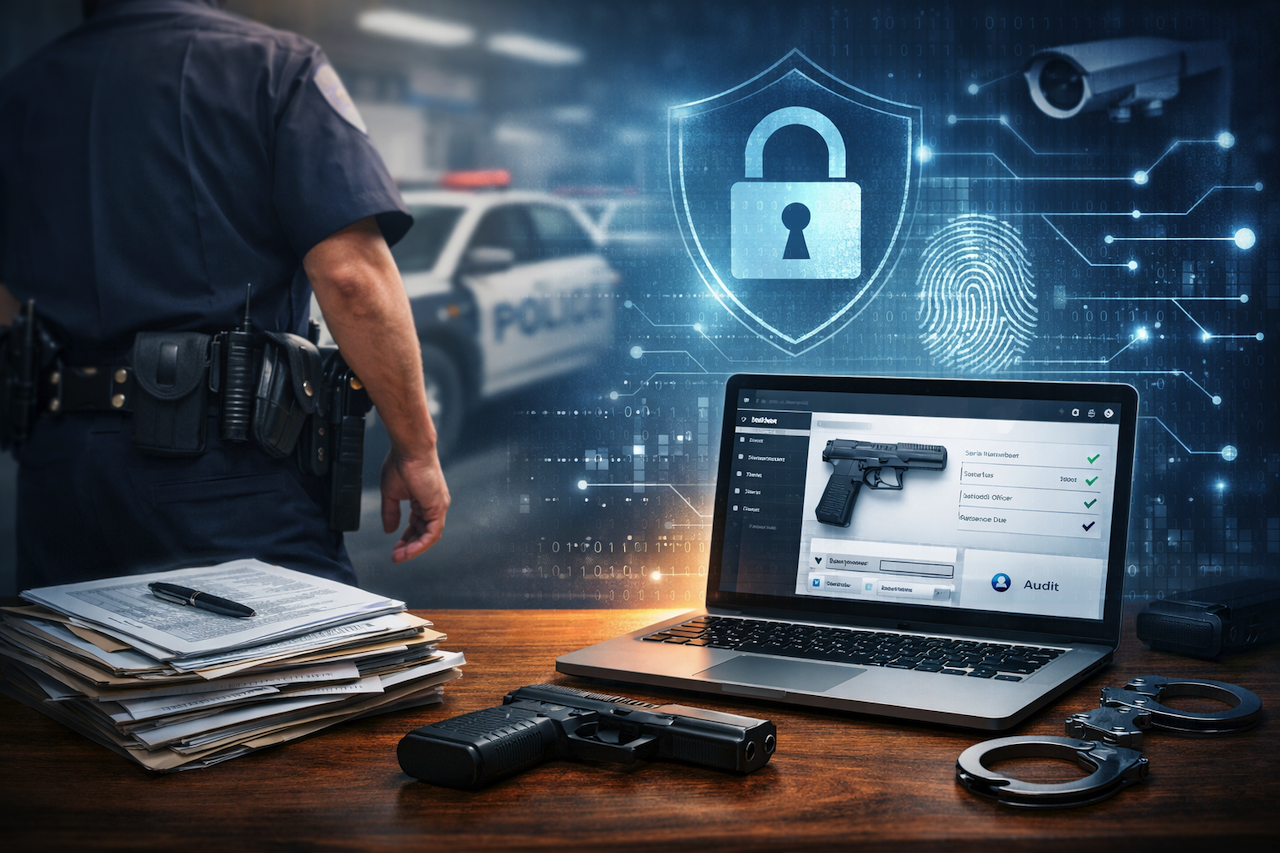
In many police departments, paperwork piles up faster than anyone can keep track of it. Keeping firearms records accurate and up to date can feel like an endless chore. Modern law enforcement equipment tracking systems offer a way to manage weapons, gear, and training records without drowning in forms. These digital platforms make audits faster, accountability clearer, and daily operations smoother. By carefully embracing technology, agencies can remain compliant while protecting both officers and the public.
The Limitations of Traditional Paper Trails
Relying on paper logs and spreadsheets can make tracking firearms and equipment slow and error-prone. Missing or unclear records create extra work and increase risk for officers and the agency. Audits become stressful when every document has to be manually checked for accuracy.
Moving to Digital Tracking Systems
Digital tracking systems make managing firearms and equipment faster and more reliable. With everything stored on a single secure platform, records are easy to update and access at any time. Officers and armorers can spend less time on paperwork and more time focusing on safety and training.
Keeping Cyber Risks in Check
Updating firearms compliance technology does not necessarily make your agency vulnerable to cyber threats or other online risks. If you do it right, digital tracking systems can be safe and dependable at the same time.
Choose Secure Platforms
Consider only those platforms that keep their data on encrypted servers and utilize secure cloud hosting. A reliable and safe platform will guarantee that sensitive information about guns and personnel is kept confidential and protected from any unauthorized disclosure.
Implement Strong Access Controls
Multi-factor authentication and role-based access help make sure only authorized staff can view or update records. This reduces the chance of accidental changes or malicious activity while keeping accountability clear.
Regular Updates and Monitoring
The most recent software versions always come with the latest security patches. In addition, by supervising how the system is accessed and usage patterns, one can ensure a higher level of security not only for the hardware but also for the data.
Training and Adoption
Even the best digital tracking system will not be effective without proper training and adoption. Making sure officers and armorers feel confident with new tools is key to a smooth transition.
Start with Hands-On Training
Organize practical sessions and learning modules in which employees can use the system under real-world conditions. This way, they become familiar with the operations, equipment handling, and data recording, thus not feeling stressed or scared.
Roll Out in Phases
Introduce the platform gradually rather than switching everything at once. A phased approach allows staff to adapt comfortably and helps identify challenges before full implementation.
Offer Ongoing Support
Keep a support team or help desk available for questions and troubleshooting. Continuous guidance reduces frustration and encourages consistent use of the system.
Encourage Feedback from Users
Be open and considerate toward their suggestions for improving processes or simplifying tasks. The way you incorporate their comments on the system will determine how willing they are to cooperate with you, which will eventually make the system a more effective tool for daily operations. If they give you more feedback, it simply means they are really using the system!
Balancing Compliance, Accountability, and Usability
A great system keeps law enforcement agencies compliant while making the daily work of officers and armorers easier. Getting the right balance is key, enabling the platform to be used effectively by everyone without causing stress.
Simplify Record Keeping
For example, digital platforms can automatically track firearms, training, compliance records, and maintenance, thereby reducing manual work. Intuitive, easy-to-read dashboards enable staff to quickly identify which areas need their attention, saving time and preventing errors.
Maintain Accountability
Every action, from issuing equipment to logging training scores, can be linked to the responsible officer. This creates a transparent trail that protects both staff and the agency from errors or disputes.
Prioritize User-Friendly Design
A system is only as good as the staff can operate it confidently. Intuitive interfaces and simple workflows make adoption easier and reduce resistance to using new technology, thus focusing on solutions and efficiency.
Integrate Flexibility
Look for platforms that adapt to different agency sizes and policies. Flexibility allows teams to maintain compliance while using features that fit their daily routines and specific needs.
Modernization as a Practical Step Forward
Modernizing firearms compliance does not have to be complicated or risky. With the right tools, law enforcement equipment tracking can be accurate, secure, and easy for officers to use.
By thoughtfully embracing digital platforms, agencies can reduce paperwork, strengthen accountability, and maintain control over sensitive data without increasing cyber risk. The result is a more efficient system that supports both compliance requirements and day-to-day operations.
As expectations around transparency and security continue to grow, transitioning from paper-based processes to secure digital systems is not just an improvement; it is a necessary step toward safer, more reliable law enforcement operations.
Featured Image generated by ChatGPT.
Share this post
Leave a comment
All comments are moderated. Spammy and bot submitted comments are deleted. Please submit the comments that are helpful to others, and we'll approve your comments. A comment that includes outbound link will only be approved if the content is relevant to the topic, and has some value to our readers.
Comments (0)
No comment