June 16, 2026
by Ritesh Sharma
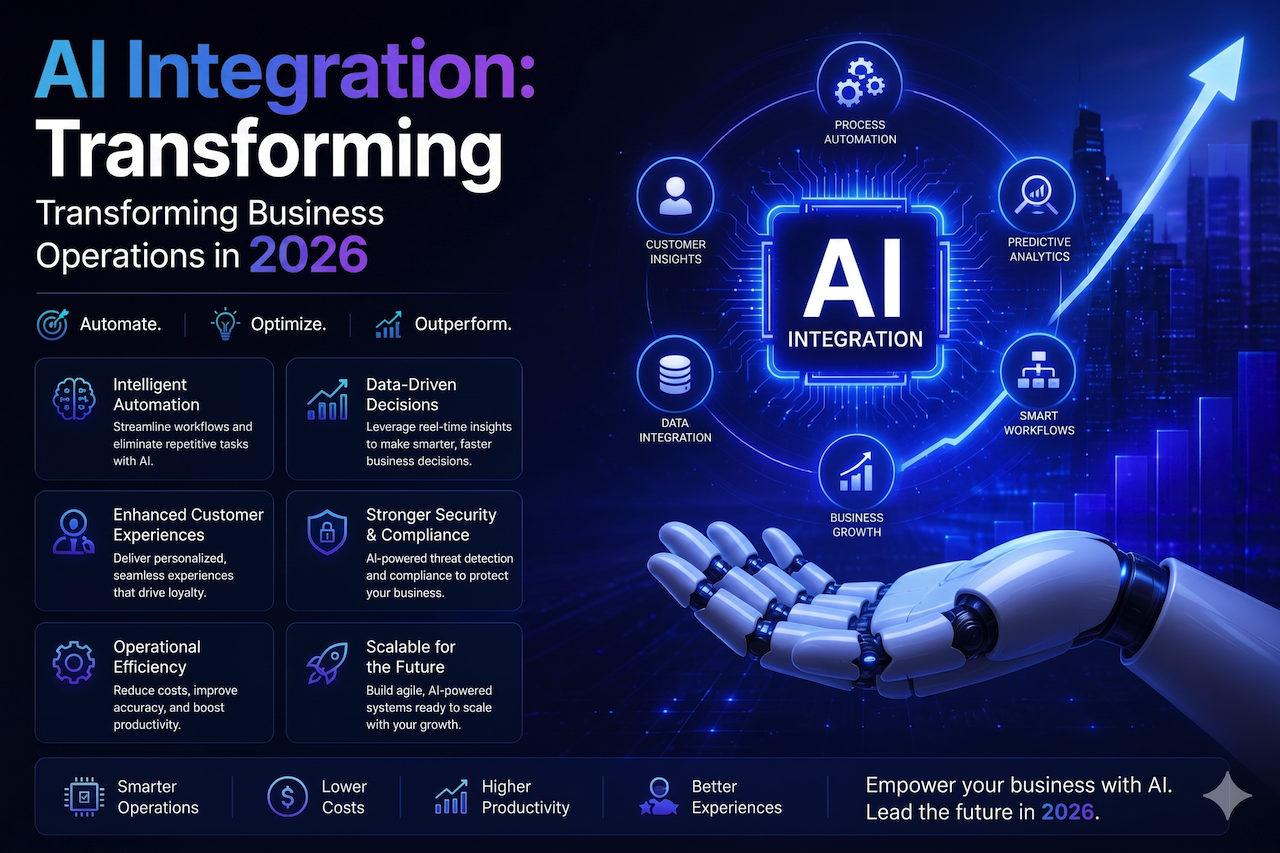
Artificial intelligence is an important asset for businesses now. It is not something that might happen in the future. In 2026, companies are using it to make their work easier, make customers happy, save money, and outperform competitors.
June 16, 2026
by Patt Henry
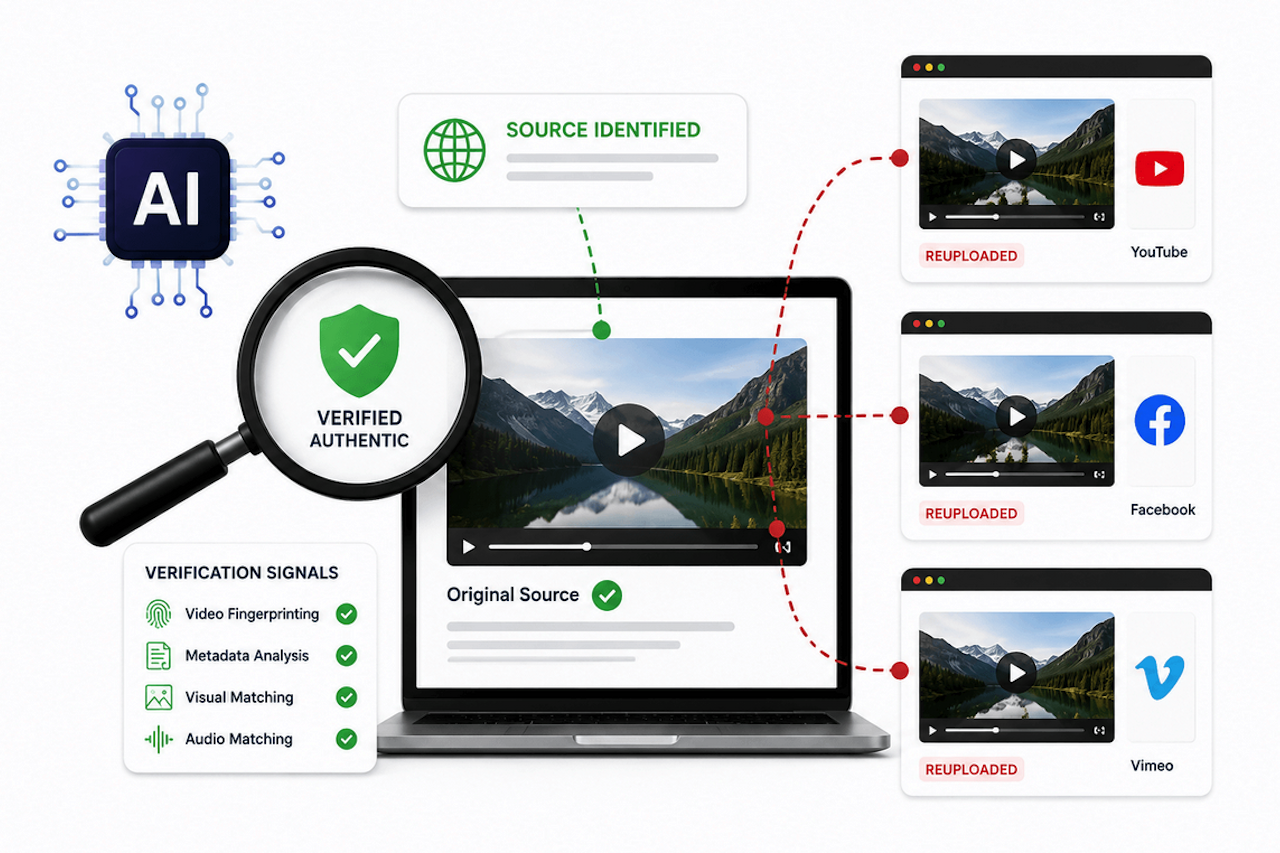
The growth of online video consumption and sharing has affected how information spreads on the internet. Platforms related to social media, streaming, and messaging allow users to upload and distribute video content instantly.
June 16, 2026
by Isha Andhariya
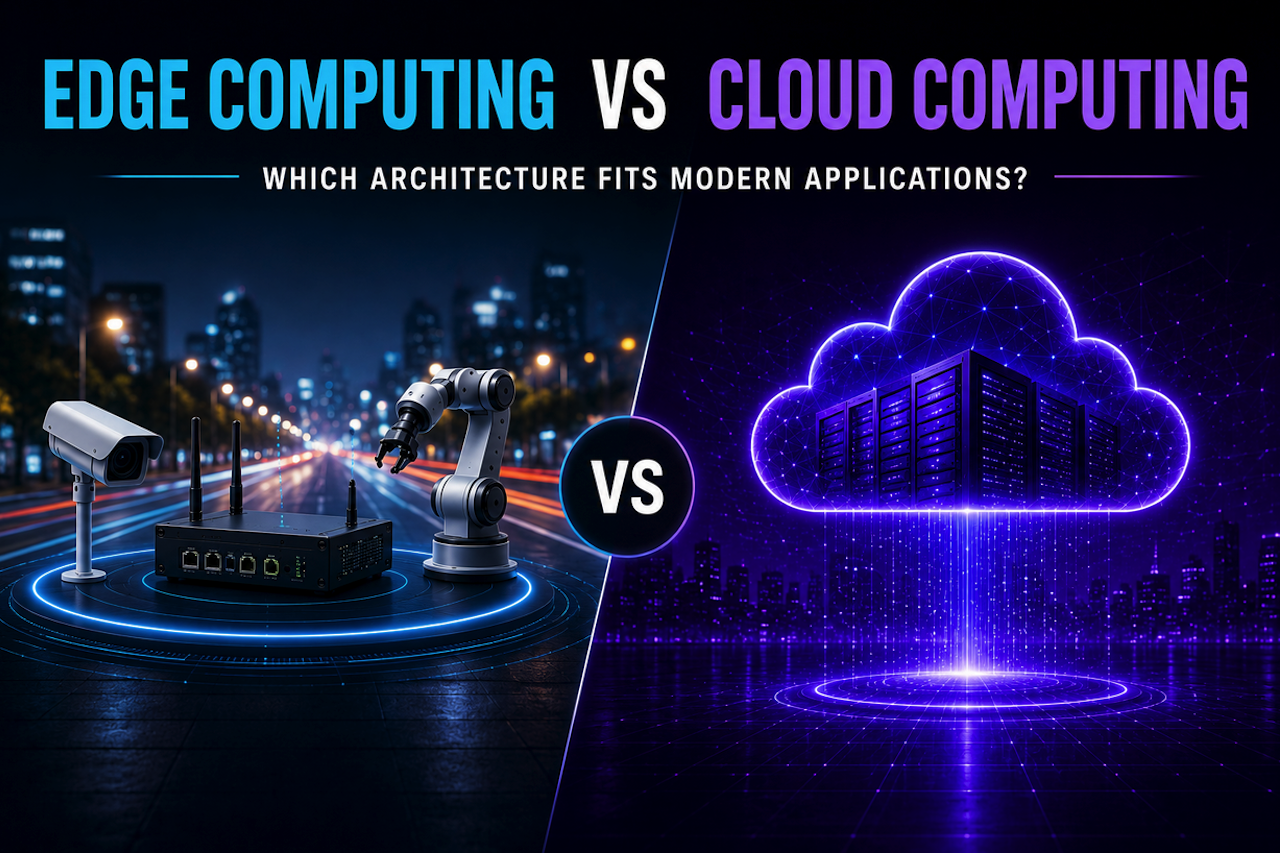
Your autonomous vehicle needs to brake in 50 milliseconds. Your factory
floor sensor just detected an anomaly. Your hospital's patient
monitoring system just flagged something important. None of these can
afford a round trip to a data center thousands of miles away.
June 16, 2026
by Atif Sharif

Traditional security measures such as firewalls, antivirus software, and basic security policies are no longer sufficient to protect organizations from modern cyber threats. Today's threat landscape includes ransomware groups, nation-state attackers, and zero-day vulnerabilities that can compromise systems before security teams have time to react.
June 16, 2026
by IP Location

Electronic signatures have become a standard part of modern business operations. From employment agreements and sales contracts to vendor approvals and compliance documentation, organizations increasingly rely on digital signing solutions to reduce paperwork and accelerate document workflows.
June 16, 2026
by IP Location
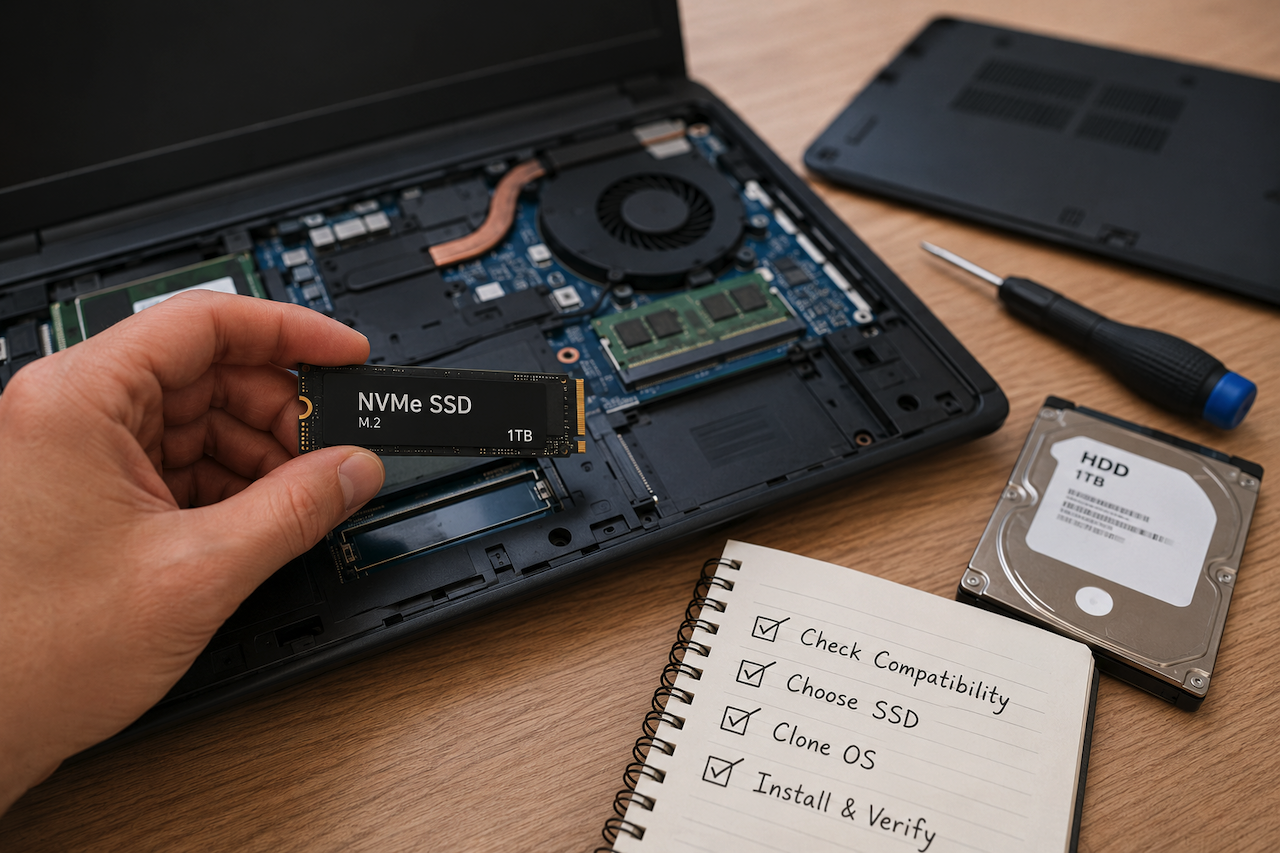
For most everyday users, upgrading to a DRAM-cache SSD can often provide
a noticeable improvement in responsiveness compared with purchasing a
budget replacement laptop, because storage latency, not CPU clock speed,
is what determines how responsive a machine actually feels.
June 16, 2026
by IP Location
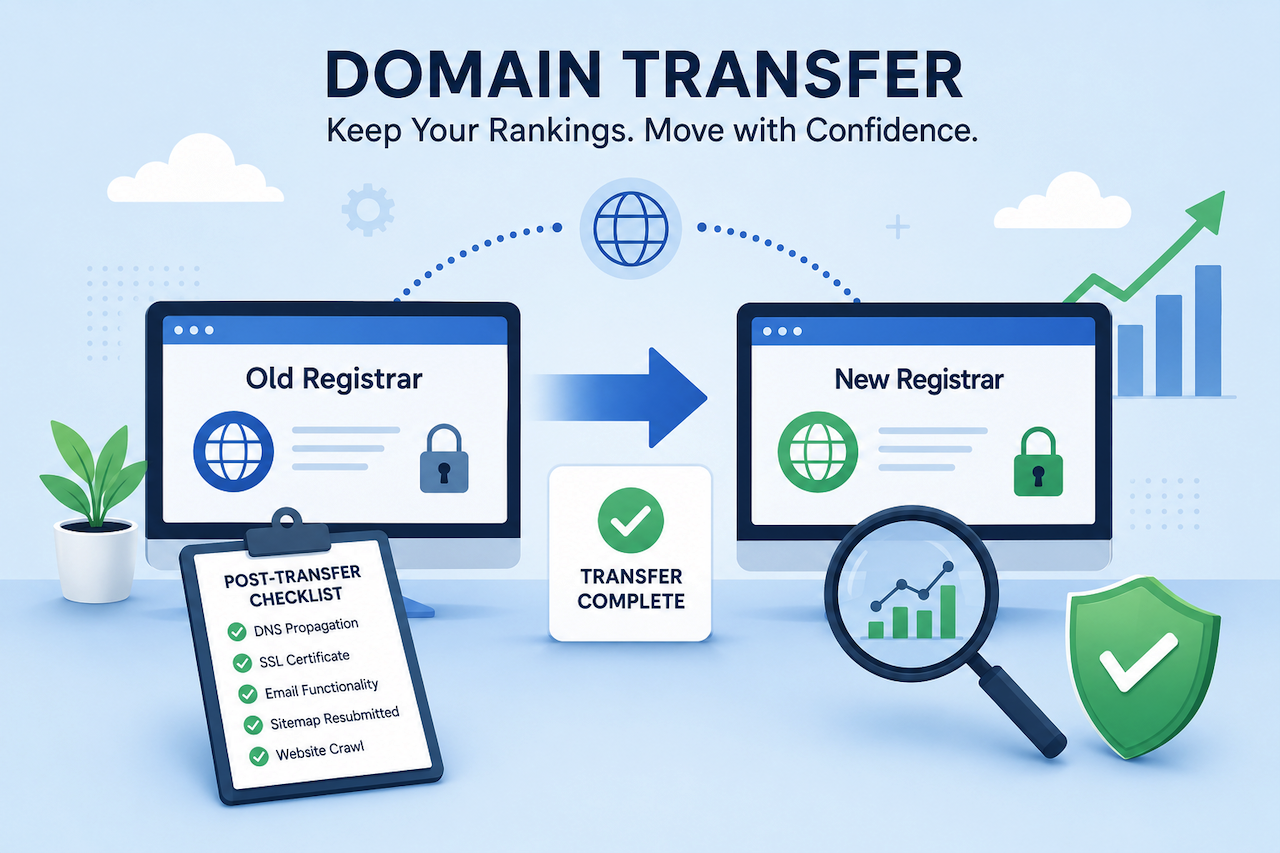
There's a fear that stops a lot of business owners from switching registrars: the worry that moving your domain will wipe out the search rankings you worked so hard to build. It feels risky, like pulling a brick out of the bottom of a tower. So you stay put, even when a better home for your domain is right there.
June 16, 2026
by IP Location
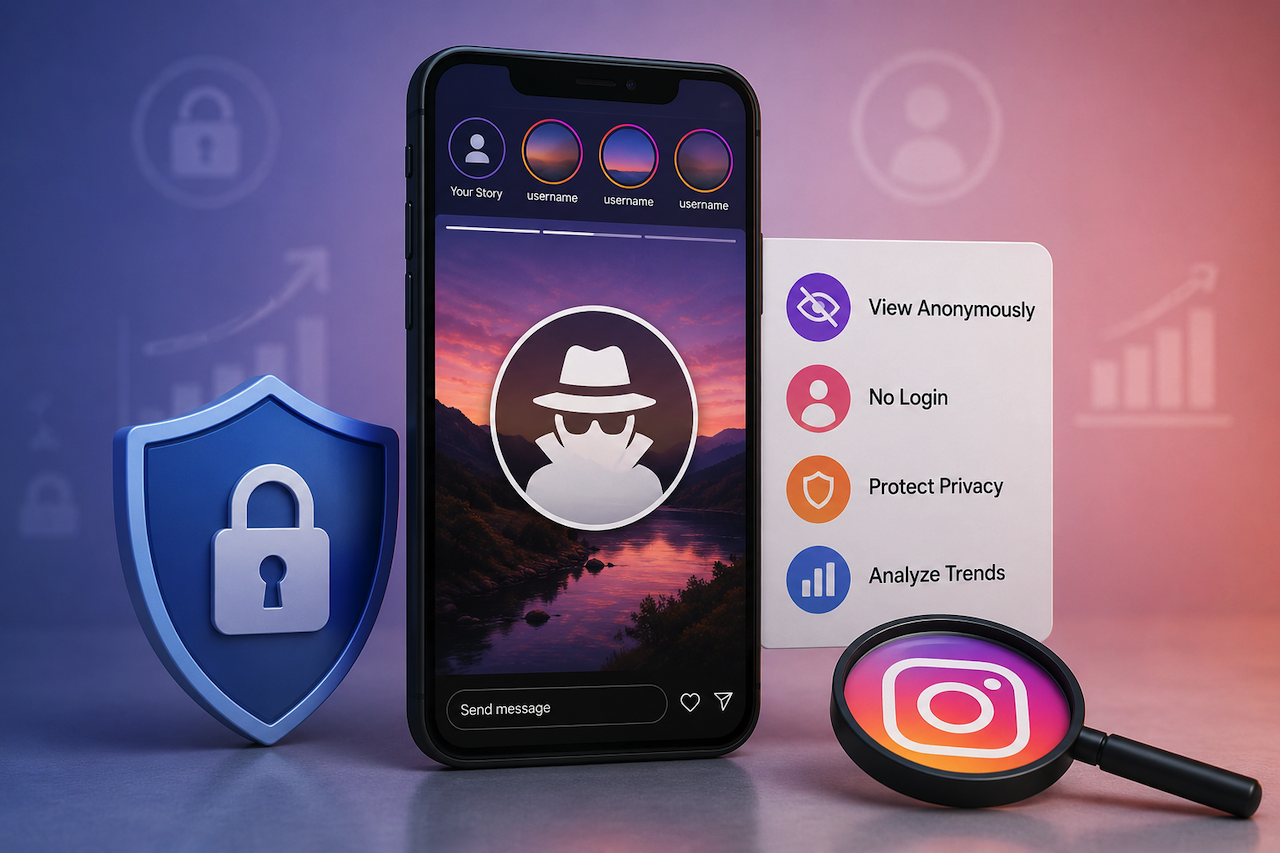
Incognito IG story viewer tools have certainly become super popular in
recent years and it's not hard to see why. They make it a breeze to view
public Instagram content without logging in or messing around with
profiles directly.
June 16, 2026
by IP Location

In 2026, digital marketers face an efficiency crisis. Customer Acquisition Costs have skyrocketed across multiple sectors, particularly for B2B organizations where companies regularly spend two dollars to acquire every single dollar of new annual recurring revenue. To combat this intense financial pressure, modern marketing professionals are moving away from...
June 15, 2026
by IP Location

Education has changed dramatically over the past few decades. From traditional classrooms with chalkboards to digital learning platforms accessible from anywhere, technology continues to reshape how students learn. One of the most significant developments in recent years is Artificial Intelligence (AI). Today, AI is helping students learn faster, understand...