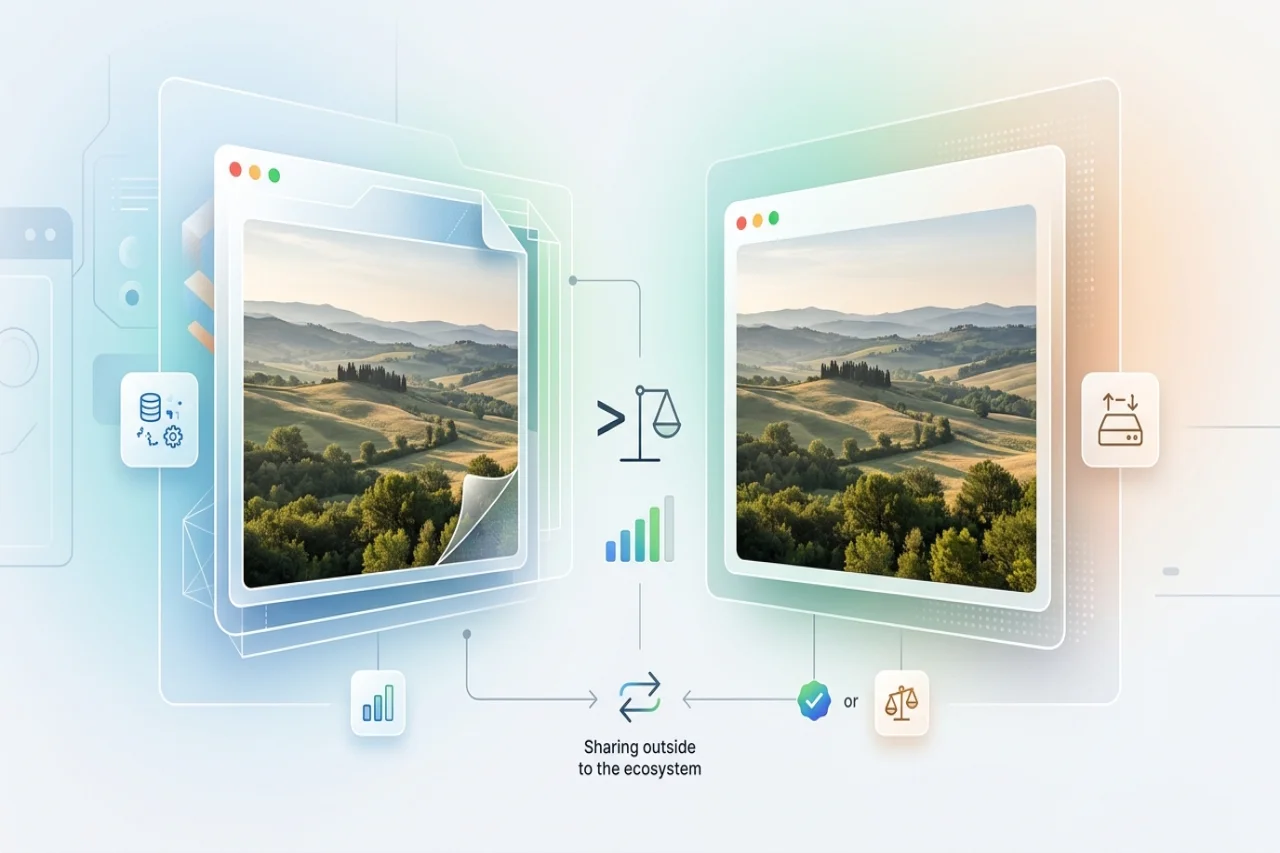

Location data has shifted from a niche analytics layer to a core business intelligence asset. Companies now use addresses, IP records, and real-time geolocation signals to understand where customers live, move, shop, and interact with services. As adoption accelerates across retail, finance, healthcare, and logistics, spatial analysis is increasingly shaping decisions around marketing, site selection, delivery operations, and fraud prevention. The result is a growing market built on a simple premise: understanding location often reveals patterns that traditional customer data alone cannot.
Live voice translation has become one of the most practical AI tools in 2026 because people increasingly want to communicate naturally across languages without waiting for subtitles or post-edited audio. It is especially useful in calls, webinars, travel, classrooms, and live events where timing matters as much as translation accuracy. A growing category of platforms now focuses on real-time speech translation across multiple languages.
In today’s highly connected and fast-paced business environment, network uptime is no longer just a convenience; it is a critical component of operational resilience and success. Organizations depend heavily on their IT infrastructure to support everything from customer interactions to internal workflows. Consequently, even a few minutes of network downtime can lead to substantial financial losses, damage to brand reputation, and major disruptions in customer service. This is where an IP failover strategy becomes indispensable. By ensuring that if one IP address or network path fails, another instantly takes over, an IP failover plan minimizes or even eliminates service interruptions, thus safeguarding business continuity.
The internet is undergoing a fundamental transformation with the rise of the decentralized web, commonly called Web3. Unlike the traditional centralized web, where data is stored and managed by a few tech giants, Web3 leverages blockchain technology to distribute data across a network of computers. This shift promises enhanced security, greater user control over personal data, and new business models that could reshape how companies operate online.
In today’s fast-paced digital workplace, businesses depend heavily on technology to maintain productivity and streamline operations. From project management software to communication platforms and specialized tools, companies invest significant resources in providing employees with the right technology. However, ensuring that employees use these tools as intended can be challenging. Without proper insight into actual usage, these investments may not yield the expected returns, leading to wasted budgets and missed opportunities for workflow optimization.
Small and medium-sized businesses (SMBs) face unique challenges in securing their networks. Unlike large enterprises with dedicated cybersecurity teams, SMBs often rely on simpler, more cost-effective methods to protect their digital assets. One such method is IP whitelisting, a security practice that allows only approved IP addresses to access specific systems or networks.
In today’s hyper-connected, digital-first economy, the physical location of digital resources has transformed from a mere technical detail into a strategic business asset. As enterprises compete to deliver seamless, fast, and secure online experiences, the concept of hosting data and applications on the nearest server has become increasingly important. No longer just a backend consideration, the proximity of servers directly influences performance, security, regulatory compliance, and ultimately, customer satisfaction. This proximity, having your data and services physically closer to your users, is rapidly becoming the new currency of business success.
When you land on a login page that looks exactly like your bank, your email provider, or your company's internal portal, your instinct is to trust it. The logo is right, the colors match, and there is even a padlock in the address bar. That instinct is precisely what modern phishing attacks are designed to exploit.
As digital platforms continue to expand globally, security has become one of the most important priorities for businesses operating online. Financial services, e-commerce systems, streaming platforms, and cloud-based applications all process massive volumes of user data every day. Protecting these ecosystems requires more than traditional cybersecurity tools. Increasingly, companies rely on geolocation technology to identify suspicious activity, improve authentication processes, and create safer digital environments.
PetroSky is a cloud VPS (Virtual Private Server) hosting provider that markets itself as a VPS provider focused on non-oversold infrastructure. Unlike many budget hosting companies that oversell server capacity, the company states that VPS resources are dedicated and not oversold.
At IPLocation.net, we prioritize the privacy and security of our visitors. We want you to feel confident and comfortable when browsing our website. That's why we want to assure you that we do not sell or share any personal information collected from our website.
Your trust is important to us. Whether you're browsing our site for information, or engaging with our content, rest assured that any data you provide remains strictly confidential. We adhere to stringent privacy policies and comply with all relevant regulations to safeguard your information.
Your privacy matters, and we are committed to maintaining the highest standards of data protection. If you have any questions or concerns regarding our privacy practices, please don't hesitate to reach out to us.