Blog Category


Residential Proxy

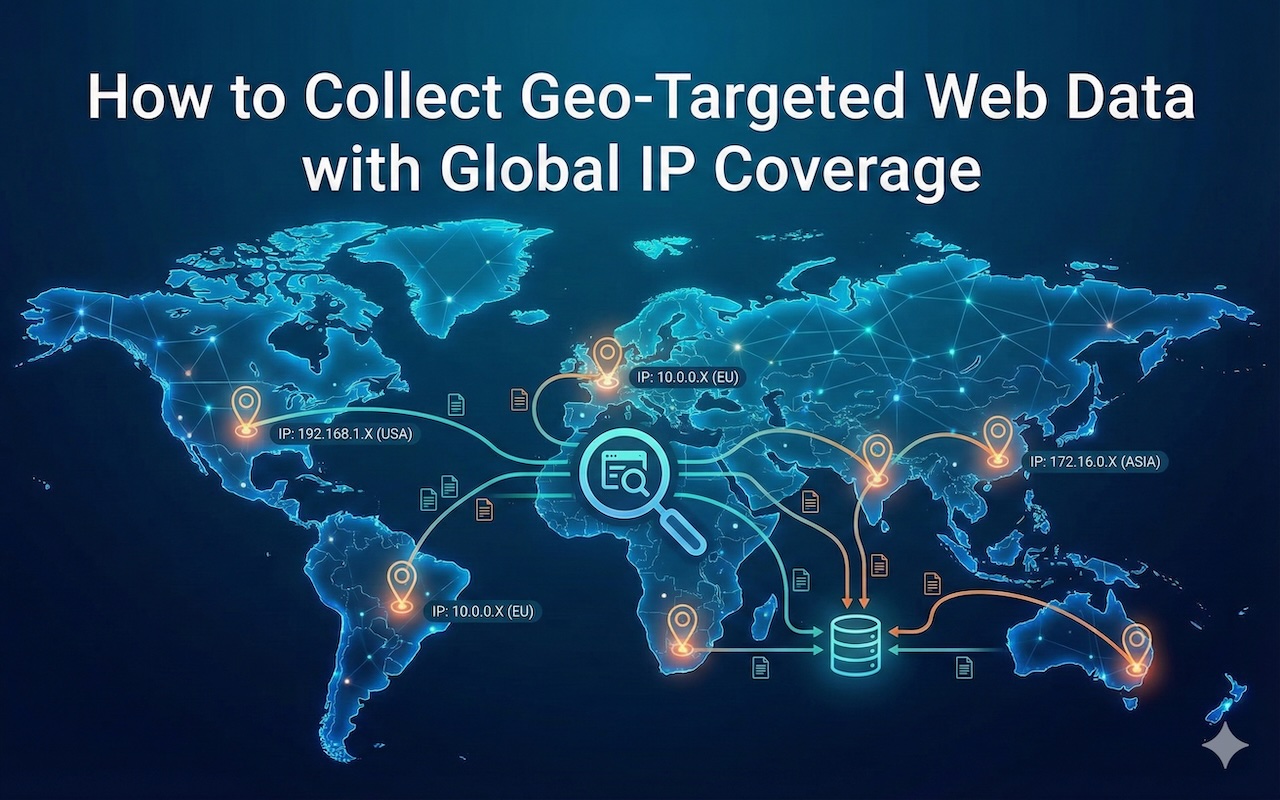
Staying anonymous and gathering data online has become increasingly important, especially for businesses relying on automation, research, and global visibility. One tool that continues to gain traction is the proxy, a reliable way to access the internet through geographically targeted IP addresses rather than your own IP address.

Ngrok Alternatives

When you're building a web application locally and need to share it with a client, test a webhook integration, or demo your work to a remote team, exposing your localhost to the internet becomes necessary. ngrok has been the go-to solution for years, but it's not the only option, and depending on your specific needs, it might not even be the best one.

Data Center vs Proxies

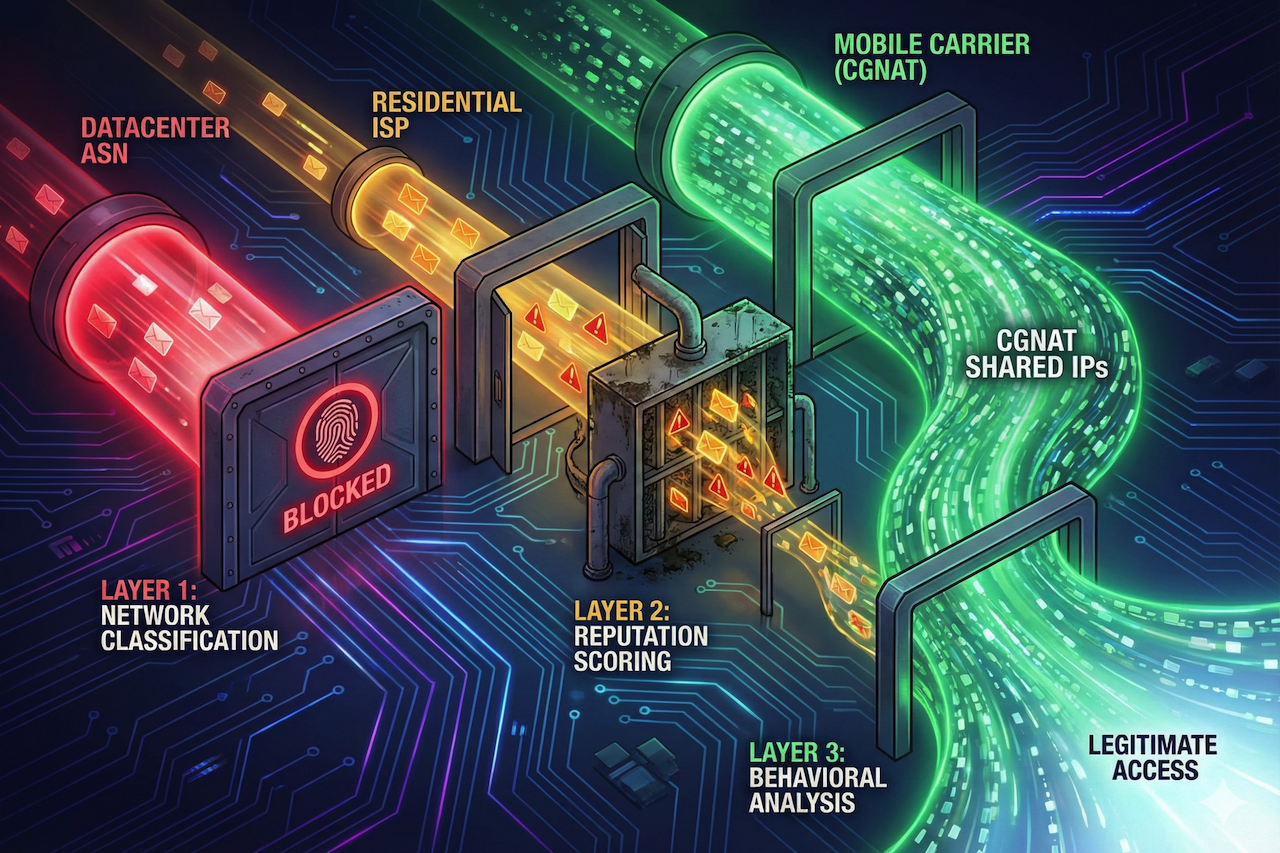
Let’s clear a common misconception right away: a proxy is not a privacy tool by default. It’s a routing mechanism, and its trustworthiness depends entirely on where it sits in the network topology and how it handles metadata. When engineers choose between residential and datacenter proxies for web scraping, they’re not deciding between “safe” and “unsafe,” but between two fundamentally different architectures with unique fingerprint surfaces, latency profiles, and resistance to detection.

Privacy Proxy

In the era of big data, having reliable and clean IP addresses is essential for businesses, researchers, and developers who rely on web data. Whether you're performing market research, SEO monitoring, or cybersecurity testing, the quality and rotation of your proxies can make a significant difference.

Proxies for Web Scraping

In the age of data-driven decisions, businesses rely heavily on web scraping to collect valuable insights—whether for market research, SEO tracking, eCommerce analytics, or competitive intelligence. But scraping the web directly from a single IP is risky. Websites use detection systems that can block requests, throttle traffic, or trigger CAPTCHAs.

Rotating Proxies

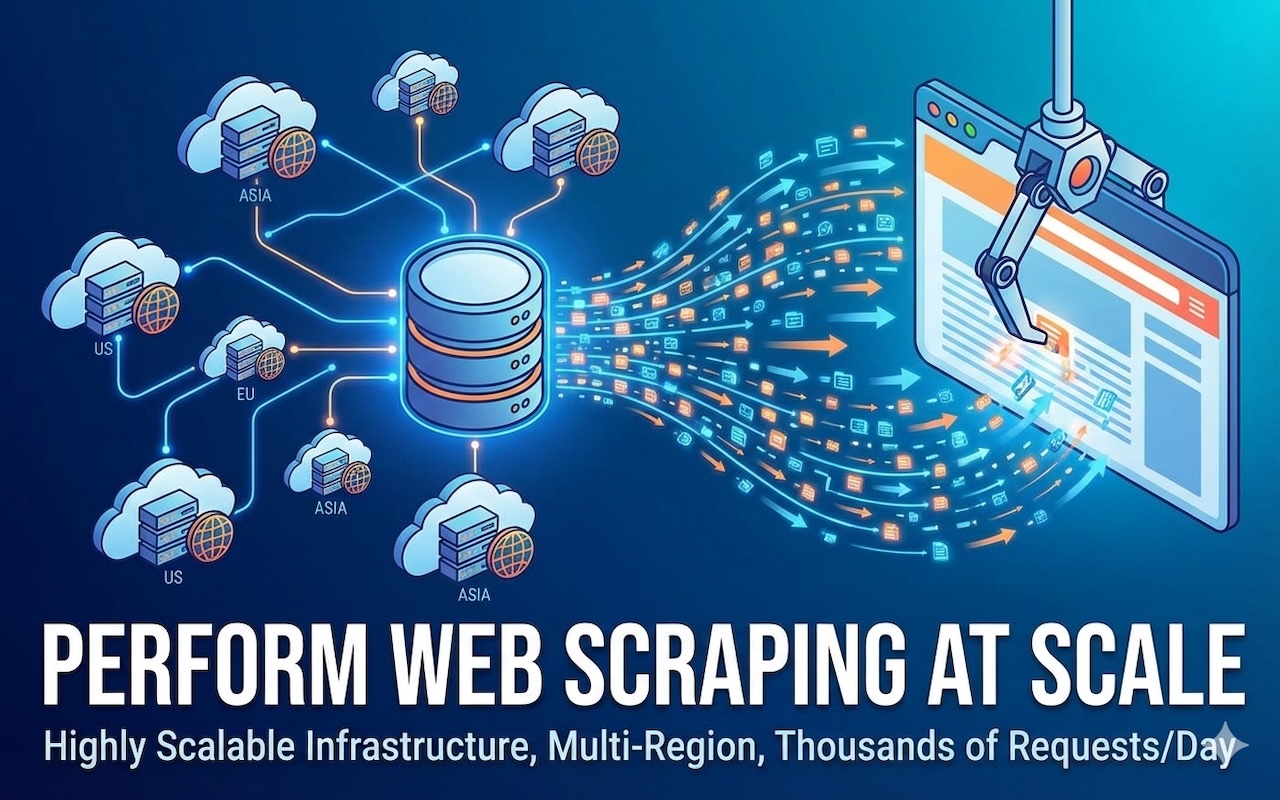
In today’s data-driven world, web scraping has become the heartbeat of industries that depend on large-scale data analysis — from eCommerce and SEO to finance and market research. Yet, as websites become more sophisticated in detecting bots, maintaining access without being blocked has become a challenge. That’s where rotating proxies come into play — the hidden engine that keeps web scraping smooth, stealthy, and scalable.

Residential vs. Datacenter Proxies

In today’s digital landscape, proxies are more than just tools for hiding IP addresses—they’re essential for secure, scalable, and anonymous web operations. Whether you’re gathering market data, managing multiple accounts, or verifying ad placements, proxies allow you to interact with the web safely and efficiently.

Mobile Proxy

Most online teams eventually run into the same roadblock: the test passes in the lab, but the experience breaks in the wild. Pages behave differently on mobile networks, app flows change by region, and protective systems flag routine checks as suspicious. That’s why many organizations explore providers to buy mobile proxy services as part of a responsible, research-focused toolkit—keeping control of their work while gaining access to real mobile IPs that reflect how people actually connect.

Proxy Coupon Sites

Proxies are no longer just tools for tech enthusiasts. They are now used by digital marketers, SEO professionals, gamers, e-commerce entrepreneurs, and even small businesses that need secure browsing and account management. The only challenge is that proxy subscriptions can become expensive if you are not careful. Smart shoppers know that using trusted deal sites can cut those costs dramatically.