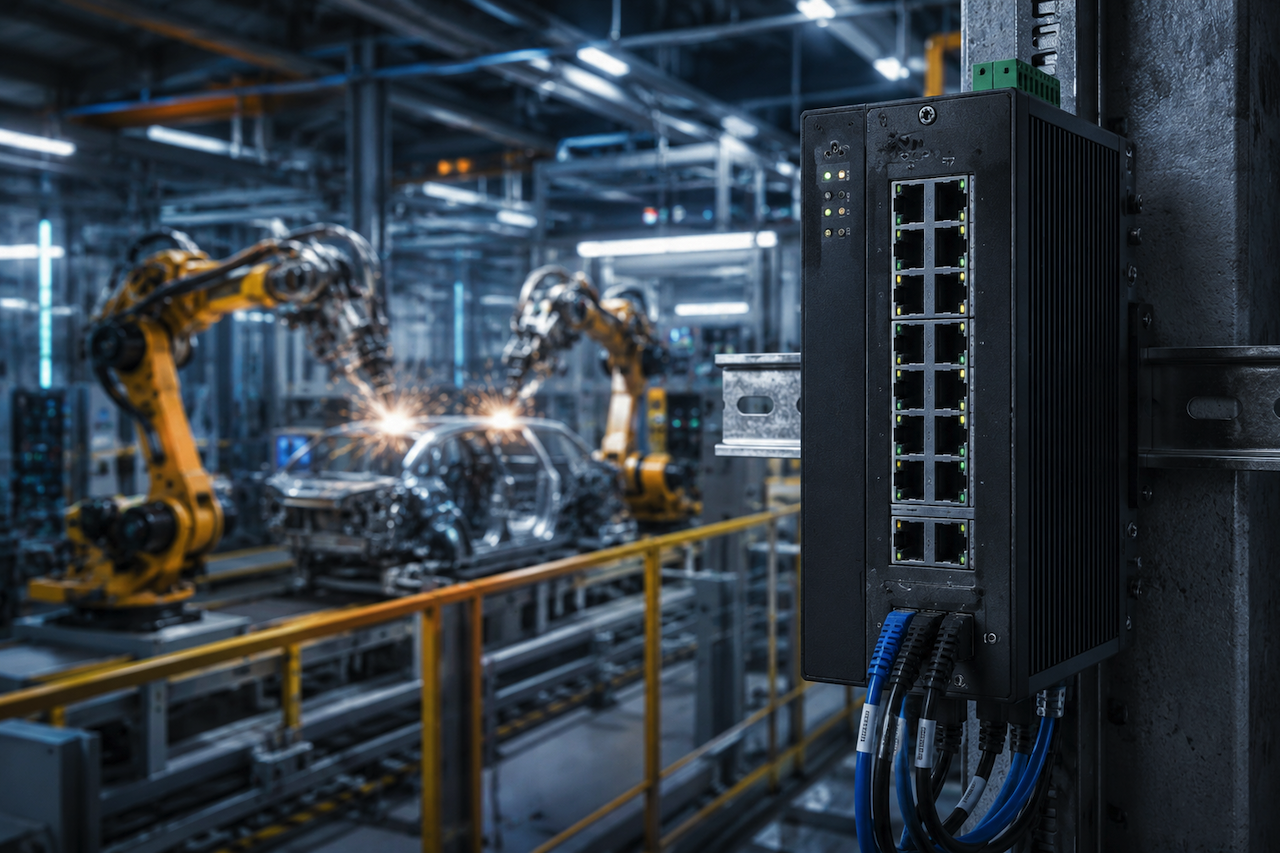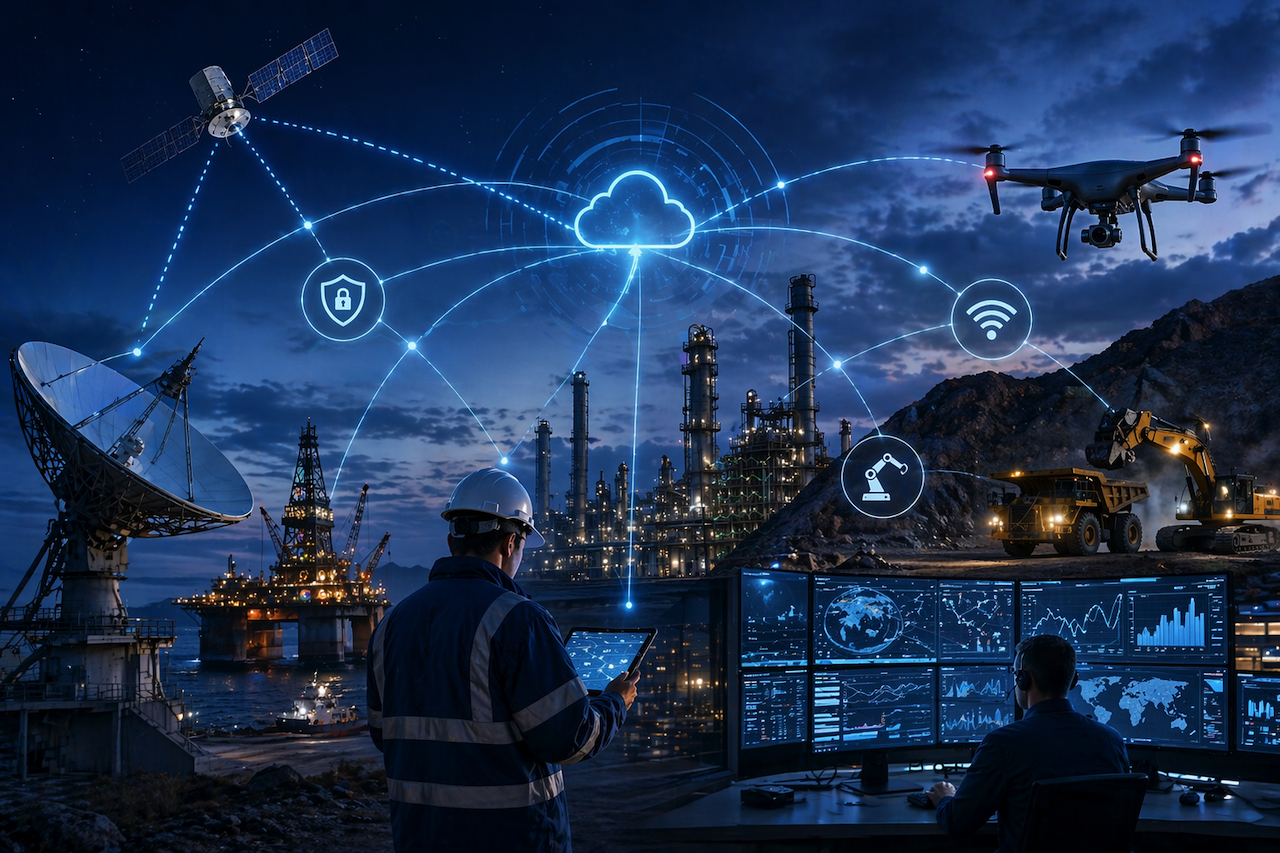
A three-minute network outage on an automated production line used to be an IT problem. Now, it costs millions of dollars in lost productivity and triggers severe safety hazards. When the connection drops, teleoperated machinery stops.
Leasing IPv4 addresses costs roughly $0.50 to $1.50 per IP per month in 2026. That's a lot cheaper than buying, which runs $40 to $60 per address on the transfer market. For most businesses, leasing is the smarter move. You skip the capital expense and keep flexibility as IPv6 adoption slowly catches up.
Network engineering is one of the most resilient career paths in tech. While other IT roles have seen waves of layoffs and automation anxiety, the demand for professionals who understand how data moves across infrastructure has stayed consistently strong. Cloud computing, remote work infrastructure, and the expansion of 5G have all created new demand for network expertise.
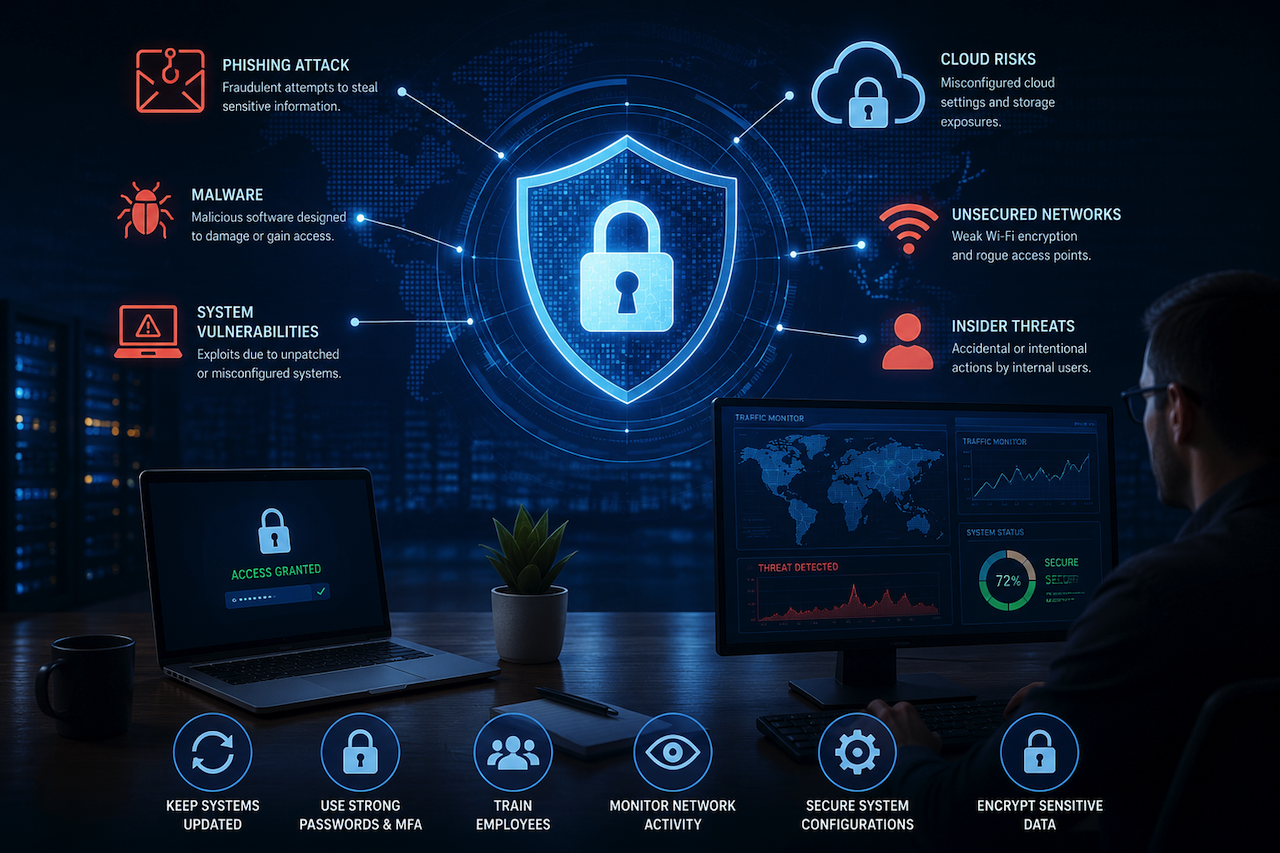
As we navigate the deep waters of 2026, the cybersecurity landscape has undergone a radical transformation. Automated, AI-driven cyberattacks have become the baseline rather than the exception. In the past twelve months alone, network engineers have witnessed a staggering surge in localized Distributed Denial of Service (DDoS) attacks, highly sophisticated WebAuthn bypass attempts, and malicious proxy masking campaigns that execute in a matter of milliseconds.
Server location often gets reduced to a simple rule: choose the closest city, and performance will follow. Sometimes it works. Sometimes it doesn’t. The difference shows up only when you look at real traffic patterns rather than a map.
When the internet is working well, it’s invisible. You click, and things happen. But under the hood, it’s actually a chaotic mess of data packets constantly bumping into each other. If every smartphone, laptop, and server tried to resend failed data the exact second a "collision" happened, the entire global network would lock up in a permanent traffic jam.
As enterprise networks evolve to support cloud applications, high-density wireless access, IoT terminals, and unified communications, infrastructure design has become a strategic decision rather than a purely technical one. For years, copper-based Local Area Network (LAN) architectures dominated commercial buildings. Today, Fiber to the Office (FTTO) is increasingly recognized as a long-term alternative.
When organizations attempt to optimize website performance, attention often centers on application code, databases, or frontend optimizations. In practice, however, the first delay many users experience occurs earlier—at the network layer.
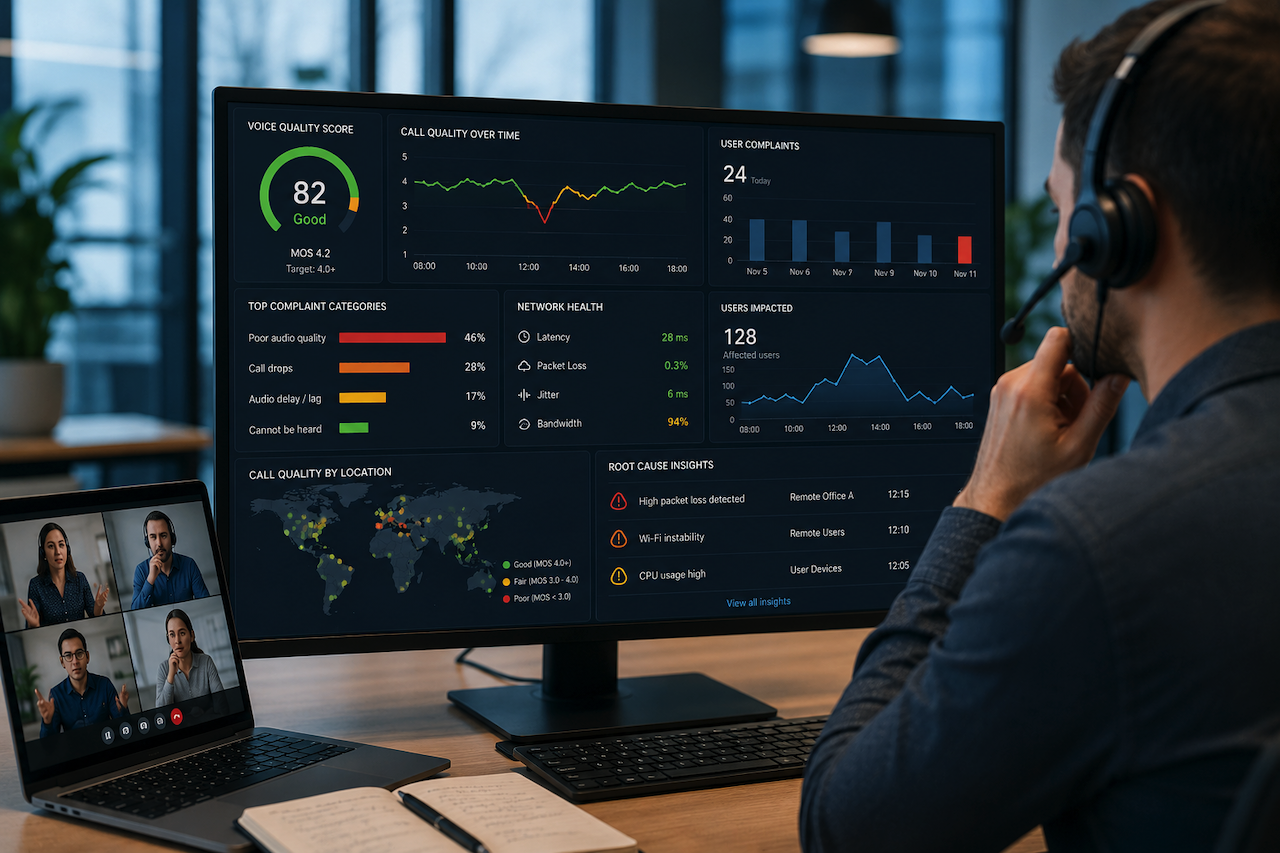
Remote work is no longer a backup plan or a temporary fix. For many businesses, it's the standard operating model. As companies grow their remote teams, the pressure on IT infrastructure increases. Employees need stable connections, fast access to tools, and secure environments - all without being in the same building. This shift has made one thing clear: without good visibility into your network, supporting remote work becomes guesswork. That’s where network monitoring comes in.
Ever notice how someone in Tokyo loads your website in under a second, while a visitor in Berlin waits five seconds for the same page? That’s not just a random glitch. It’s actually baked into the way the internet works.