September 26, 2025
by IP Location
Cytranet has launched its fiber-based network in Los Angeles after expanding in Santa Clarita. Offering multi-GIG symmetrical speeds, flat-rate pricing, and unlimited data, Cytranet delivers reliable Internet with local service for businesses and agencies.
September 24, 2025
by Thomas Lore
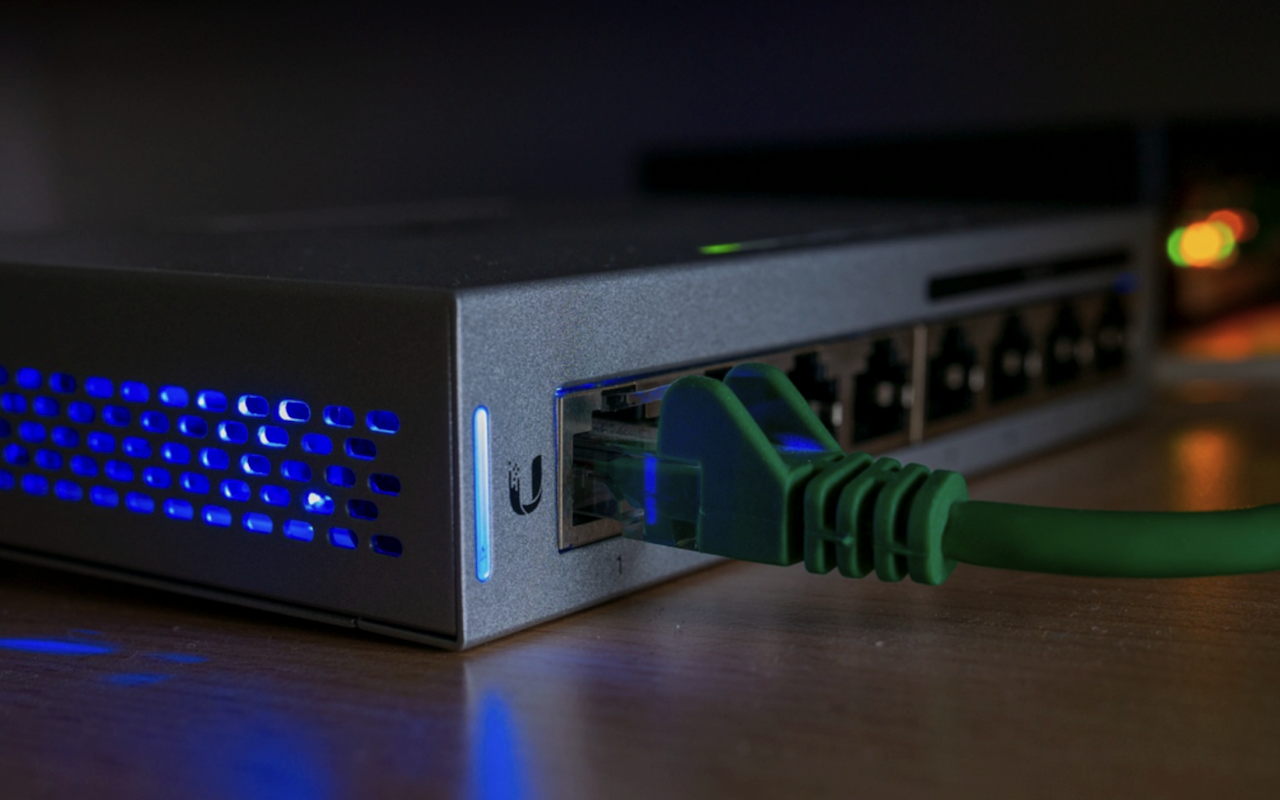
Packet loss is the quiet saboteur of small office networks. Pages feel sluggish, voice calls chop, and video meetings freeze at the worst moment—often when nothing “looks” wrong. The good news: most loss isn’t solved by buying new hardware. It’s fixed by measuring precisely, tightening a few configurations, cleaning up the physical layer, and smoothing out t...
September 18, 2025
by Kylie Miler

Do you love to play games online? Do you like to stream your games for all to see? A good internet plan is a must for this. It is like the road your game lives on. A fast and clear road means a good trip. A slow road means your game might lag. It might even stop. This guide will help you find the best plan for your needs.
September 18, 2025
by IP Location

Choosing the right internet provider can pose a significant challenge for enterprises, particularly in this modern era. Selecting the correct provider becomes essential as the digital landscape keeps changing to ensure all operations function smoothly. However, knowing the high-level stuff and its implications can help companies make informed decisions.
September 5, 2025
by IP Location

Dense Wavelength Division Multiplexing (DWDM) is one of the key technologies that supports the backbone of today’s global communication systems. The continuous growth of cloud platforms, video streaming, fintech services, artificial intelligence, IoT, and remote work applications requires massive amounts of bandwidth delivered with low latency and high relia...
August 14, 2025
by Marina V. Lopez
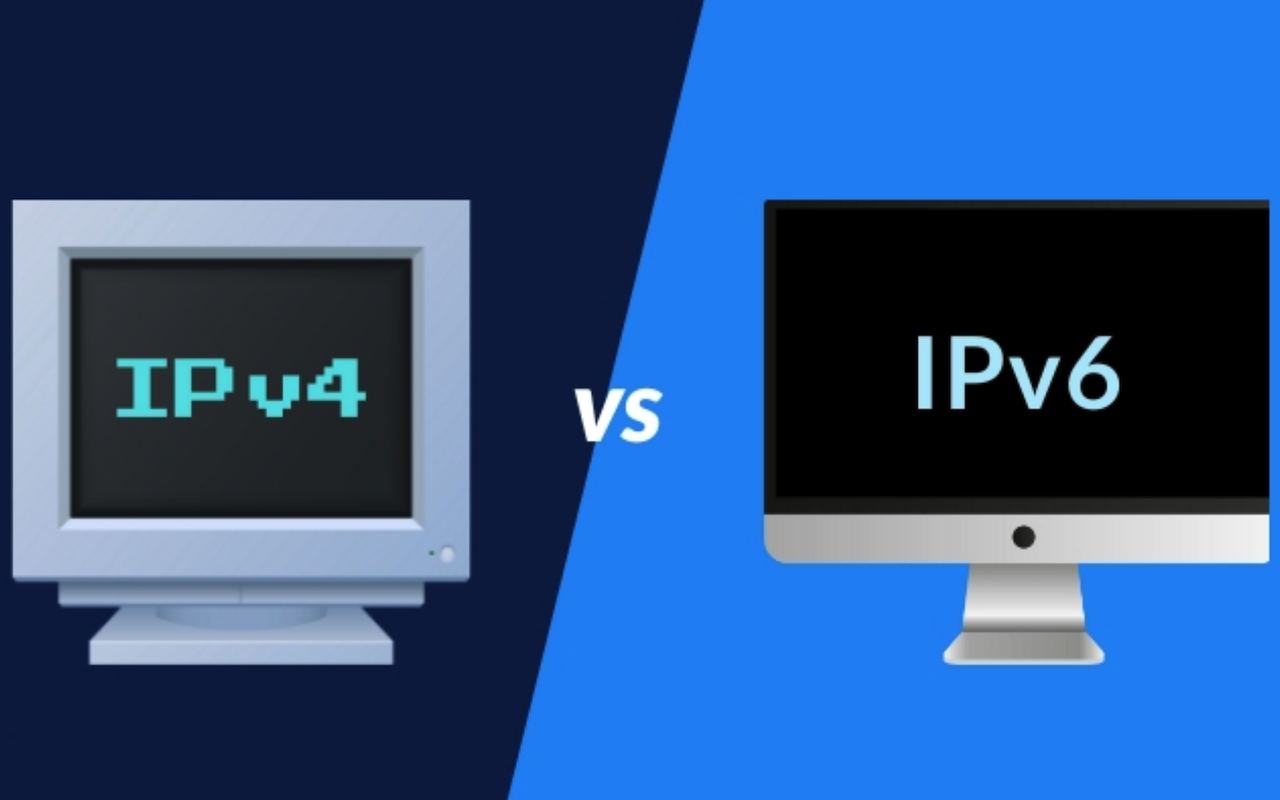
The internet is powered by IP addresses—unique identifiers that allow devices to communicate across networks. For decades, IPv4 (Internet Protocol version 4) has been the standard. But as the number of connected devices exploded, the world began transitioning to IPv6 (Internet Protocol version 6). While IPv6 adoption is growing, IPv4 remains vital for many b...
July 20, 2025
by IP Location

Does your IT system feel like a house built on shaky ground? Many business owners struggle with outdated networks, scattered support teams, and constant downtime. These issues waste time and leave critical systems vulnerable to cyber threats. Here’s the good news: combining support services with network management can make a significant difference. A coordin...
July 19, 2025
by IP Location
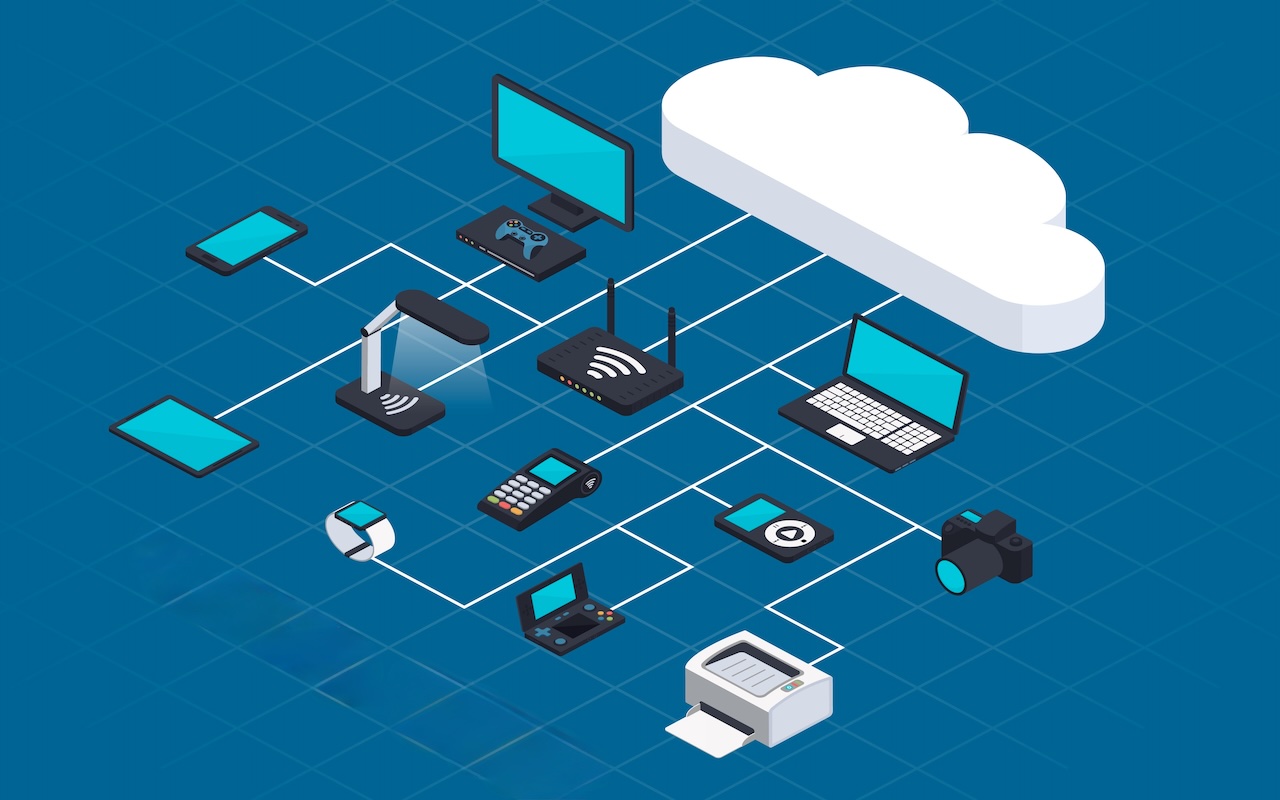
In today's hyper-connected world, privacy and cybersecurity threats are no longer limited to the corporate firewall and data center. With the spread of IoT devices, remote deployments, and edge computing, network defense has become increasingly decentralized. One solution that leads the pack is the secure embedded gateway—a hardened, smart edge device capabl...
July 15, 2025
by IP Location
Sometimes, your internet speed decides your mood, especially if you are working from home or streaming your favorite show. A poor internet connection can be frustrating and even disruptive. And if you’re sharing your Wi-Fi with family, friends, or roommates, chances are your speed takes a hit more often than you’d like. But the solution isn’t as complicated...
July 10, 2025
by IP Location
The idea of Piso is very simple, affordable, and revolutionary. Piso is a coin-operated internet system. It is a computer rental system that offers internet access to users for 1 peso (Philippine currency) for 5 to 10 minutes, which is remarkable. It was a revolutionary for the Philippines and continues to play a role in the progress of remote or impoverish...