
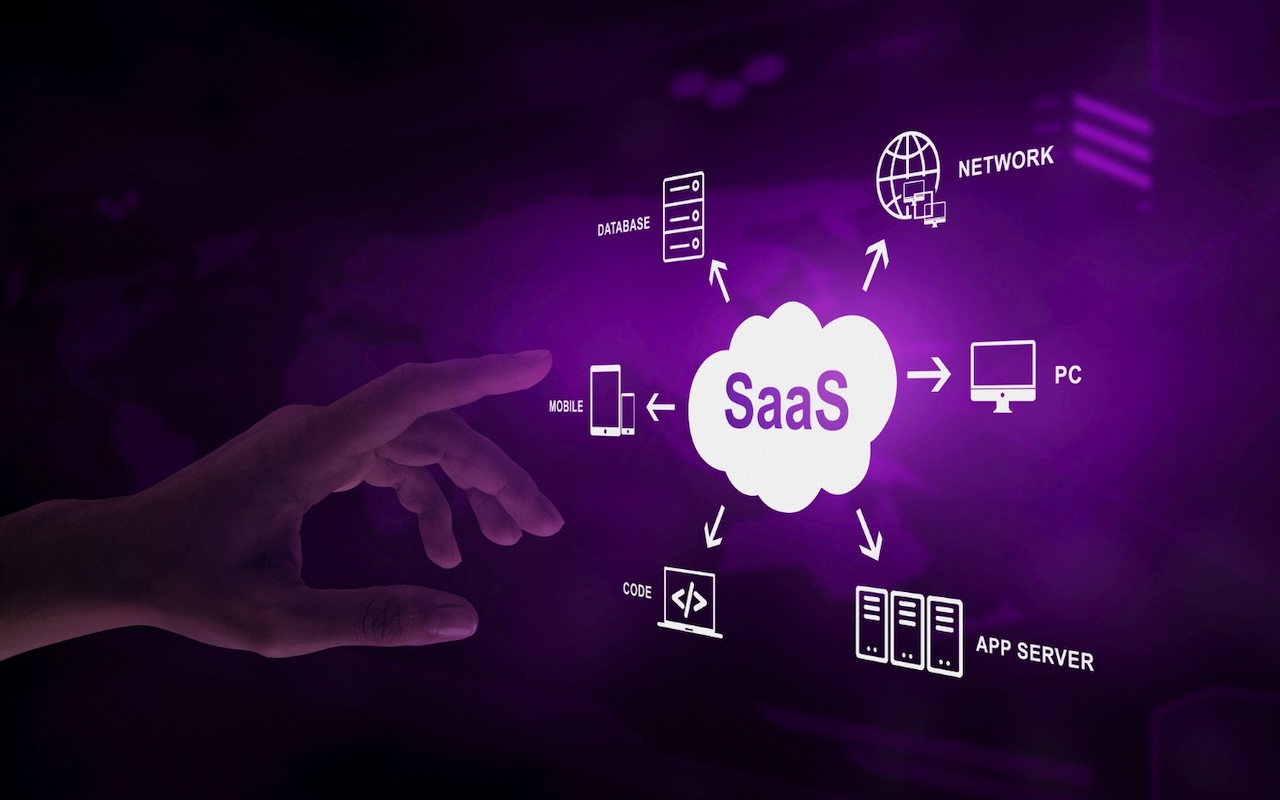
In today's competitive landscape, the way SaaS is marketed and sold is changing. Marketing is no longer about creativity and brand presence, but rather precision, personalization, and performance. With so many SaaS businesses fighting for attention, companies that utilize data-driven marketing know that they position themselves to outperform competition.
With the help of analytics, SaaS marketers can identify user behaviors, assess campaign success, and spend wisely to achieve the greatest ROI possible. This article explores ways SaaS businesses can leverage data-driven marketing, to improve campaigns, engage customers better, and fuel scalable growth.
Why Data-Driven Marketing Matters in SaaS
Conventional businesses, on the other hand, rely mostly on one-time sales unless they also provide repeat business. SaaS businesses mainly rely on recurring revenue models and subscription payments.
This implies that while understanding how to acquire new customers is equally important, maintaining and growing current clientele is even more crucial. Data-driven marketing can give you the clarity you need to:
- Determine which customer segments are valuable.
- Customize campaigns on a large scale.
- Monitor the impact of marketing expenditures on actual revenue.
- Optimize lifetime value (LTV) and customer acquisition costs (CAC).
- Lower churn and increase user engagement.
SaaS marketing turns into a wild guess in the absence of data. Every choice made with analytics is supported by quantifiable insights, whether they relate to targeting, content, or ad spend.
Key Metrics That Drive SaaS Marketing ROI
SaaS marketers must decide which metrics are important before implementing any strategies. Among the most crucial metrics are:
- Customer Acquisition Cost (CAC): The price paid to bring on a new client.
- Customer Lifetime Value (CLV or LTV): The total anticipated income from a client during the course of their lifetime.
- The percentage of clients who terminate their subscription within a specific time period is known as the churn rate.
- Monthly Recurring Revenue (MRR): Reliable income from active memberships.
- Conversion Rate: The proportion of leads or website visitors who become paying clients.
- Engagement Metrics: Rates of feature adoption, active users, and product usage frequency.
SaaS marketers can more effectively forecast growth, optimize messaging, and allocate budgets by consistently monitoring these KPIs.
Utilizing Analytics in SaaS Marketing Campaigns
Here's how to leverage data and analytics to revolutionize SaaS marketing programs to drive up your return on investment:
1. Customization and segmentation of consumers
Analytics allows SaaS and cloud organizations to segment their subscribers according to multiple criteria including use, industry, demographics, and customer behavior. Marketers can develop customized experiences for a specific user group as opposed to adopting one off and generic mass market approaches.
For instance, a project management software as a service (SaaS) tool might offer pricing incentives to startups and emphasize advanced security features to businesses. ROI is directly increased by personalized campaigns that increase click-through rates, conversion rates, and customer loyalty.
2. Improving Lead Generation and Nurturing
Marketers can track where their leads come from; organic search, paid ads, social channels, and referrals, through analytics software such as Google Analytics, HubSpot, or Mixpanel. This kind of software can help SaaS marketers find affordable and responsive acquisition channels.
When paying attention to high-intent leads and nurturing them through descriptive email campaigns, webinars, or demos, marketers can turn leads into customers and minimize wasted efforts through sophisticated lead scoring models.
3. Analytic-Driven Content Marketing
Content is a major component of SaaS growth, however spending all of your time writing blogs, case studies, or whitepapers for the sake of blogging, without them being tied to any analytics is a waste of time. Analytics such as time on page, bounce rate, and conversions can help SaaS marketers focus their content efforts behind what works.
- Data centered approach: Use platforms like SEMrush or Ahrefs to analyze keyword metrics, and create consumer-ready indexing content to attract qualified traffic.
- Sample: A SaaS cybersecurity technical marketing person may find “zero-trust security SaaS” converts more than simple “cybersecurity solutions” and target content better.
4. Improving Customer Retention with Behavioral Analytics
Customer retention is equally important as acquisition in SaaS. Using in-app analytics with user behavior tracking allows a company to detect user activity patterns that may indicate future churn.
- When users are not engaging with particular features, marketers can set up automated campaigns highlighting strategies like tutorials, discounts, or success stories.
- Also, data illustrates upsell and cross-selling opportunities for example, making sense to promote advanced features to power users.
5. A/B Testing and Campaign Optimization
In fact, there is no room for guesswork in today's SaaS marketing. A/B testing allows teams to evaluate variations of emails, landing pages, pricing models, and ad creatives. Then analytics show which version produces a better conversion.
For example: Testing two email subject lines to see which gets more demo signups.
Advantage: Data-driven marketing campaign testing means marketers are only spending marketing dollars on strategies on tactics that actually work.
6. Predictive Analytics for Better Decisions
The leading SaaS companies are beginning to use predictive analytics to foresee their customers' needs and trends. For instance, can machine learning techniques predict a campaign's total ROI before it begins, offer a churn probability measure, or even suggest a potential upgrade.
Marketers can change from a reactive to a growth-planning mindset, which leads to increased campaign efficacy and long-term revenue, by analyzing these predictive findings.
7. Aligning Marketing and Sales with Data.
SaaS businesses do well when property marketing and sales work in tandem and use analytics to make sure both teams are working with the same dataset when measuring funnel performance.
- Marketing can finally see at which stage leads are falling out of the funnel.
- Sales can use your behavior data to improve outreach.
- Both teams can align on metrics (i.e., pipeline velocity, deal conversion rates) when creating sales collateral for spend and ROI.
SaaS Marketing Tools that Use Data
There are many data tools that give actionable data for SaaS marketers, such as:
- Google Analytics & GA4: To track website traffic and conversions
- Mixpanel: This tool will help to analyze app/user engagement inside their app
- Marketo/HubSpot: Performance reports and marketing automation
- Ahrefs and SEMrush: For SEO and keyword analytics to help improve your content
- Tableau and Power BI: Reporting and visualization
- Amplitude: Product analysis to track engagement with your features
Each will depend on your SaaS stage of growth, budget, and objectives.
Challenges Associated with Data-Driven SaaS Marketing
While there are opportunities to drive SaaS campaigns with analytics, there are common issues to overcome:
- Too Much Information – Analysis paralysis can occur when too much information is available. Keep to Key Performance Indicators (KPIs) aligned with company goals.
- Tool Integration – A SaaS company can leverage numerous tools. The failure to integrate software will mean that tools do not interact, resulting in siloed data and limited perspectives.
- Privacy or Compliance: SaaS marketers must consider data laws, including CCPA and GDPR, when they use analytics.
- Skill gaps: There are gaps in expertise to analyze data properly. It is frequently required to hire data analysts or train teams.
By overcoming these obstacles, SaaS businesses can fully utilize analytics for marketing that is driven by return on investment.
The Future of Data-Driven SaaS Marketing
An enhanced application of analytics, automation, and AI will define the future of SaaS marketing. Expect:
- AI-driven insights allowing hyper-personalization in campaigns.
- Up-to-the-minute customer journey mapping.
- AI-based customer health scoring for smarter churn prevention.
- Automated content production based on predictive performance.
Final Take
For SaaS companies, data-driven marketing is no longer an option. Marketers can improve their data strategy by utilizing analytics, including customer acquisition, customer retention, content, and personalization metrics to optimize spend, reduce churn, and increase campaign ROI.
Data ensures intentionality in all marketing efforts from monitoring important key metrics: CAC and LTV, predictive analytics, A/B testing, and so on, measurement, and linking to business growth.
In an industry predicated on subscriber and customer loyalty, the best SaaS companies will become the top performers at data-driven marketing, and as a consequence, they will not only survive in the coming years but thrive.
Featured Image by Freepik.
Share this post
Author

Read the latest articles from Erik Jesper
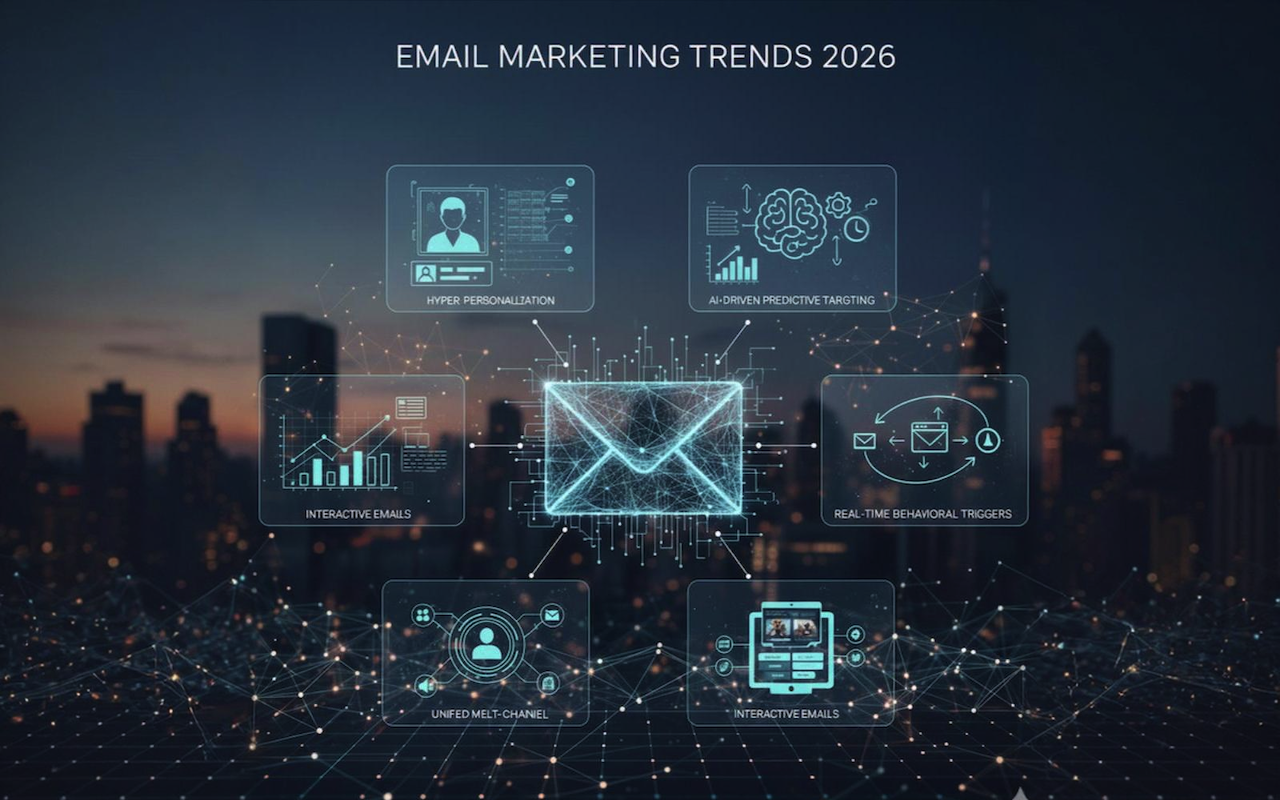
Top 10 Email Marketing Trends Companies Are Using to Stay Ahead in 2026
December 3, 2025
Email marketing continues to evolve as customer expectations shift. Today’s audiences expect messages that offer direct value, personalized guidance, and meaningful solutions. Companies in 2026 are adopting advanced, smarter strategies to remain competitive and meet rising engagement standards.
Learn moreThe Future of B2B Tech Sales: Integrating AI with Multichannel ABM for Smarter Targeting
July 30, 2025
Today’s buyers in the B2B tech space want relevant, timely communication that addresses a real business problem rather than cold emails and sales pitches that do not accomplish anything. The need for personalized communication by a sales team has completely shifted how we outreach. It allowed sales teams to be [...]
Learn moreLeave a comment
All comments are moderated. Spammy and bot submitted comments are deleted. Please submit the comments that are helpful to others, and we'll approve your comments. A comment that includes outbound link will only be approved if the content is relevant to the topic, and has some value to our readers.
Comments (0)
No comment