I met a woman last year who'd run her boutique for seventeen years. Same name. Same logo. Same faded pink sign above the door. She called me because sales were slipping and she couldn't figure out why.
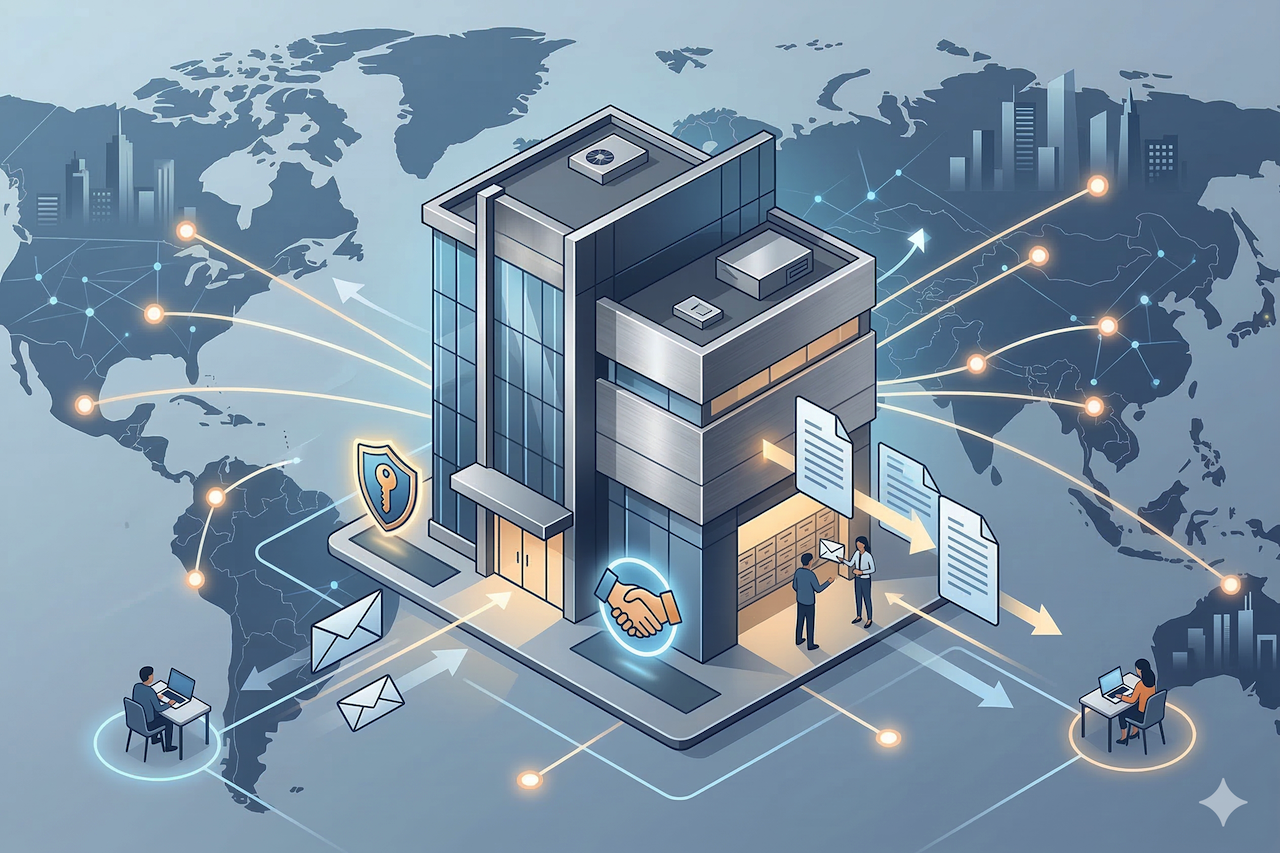

Modern business structures have shifted significantly over recent years, moving away from traditional office leases to more flexible, remote-first models. Many entrepreneurs ask if they can legally use a home address for business registration. While the law often allows it, privacy concerns and professional optics frequently make this a poor choice. A professional business address provides a physical point of contact for legal correspondence and client mail. Many businesses use commercial addresses or managed mail arrangements to separate personal and professional communications.
Here's a number that should make any franchise owner put down their coffee: according to McKinsey, businesses that adopt automation and digital tools grow revenue up to 20% faster than those still running on spreadsheets and sticky notes. And yet, walk into the back office of a traditional franchise, and you'll often find... a whiteboard. Maybe two.
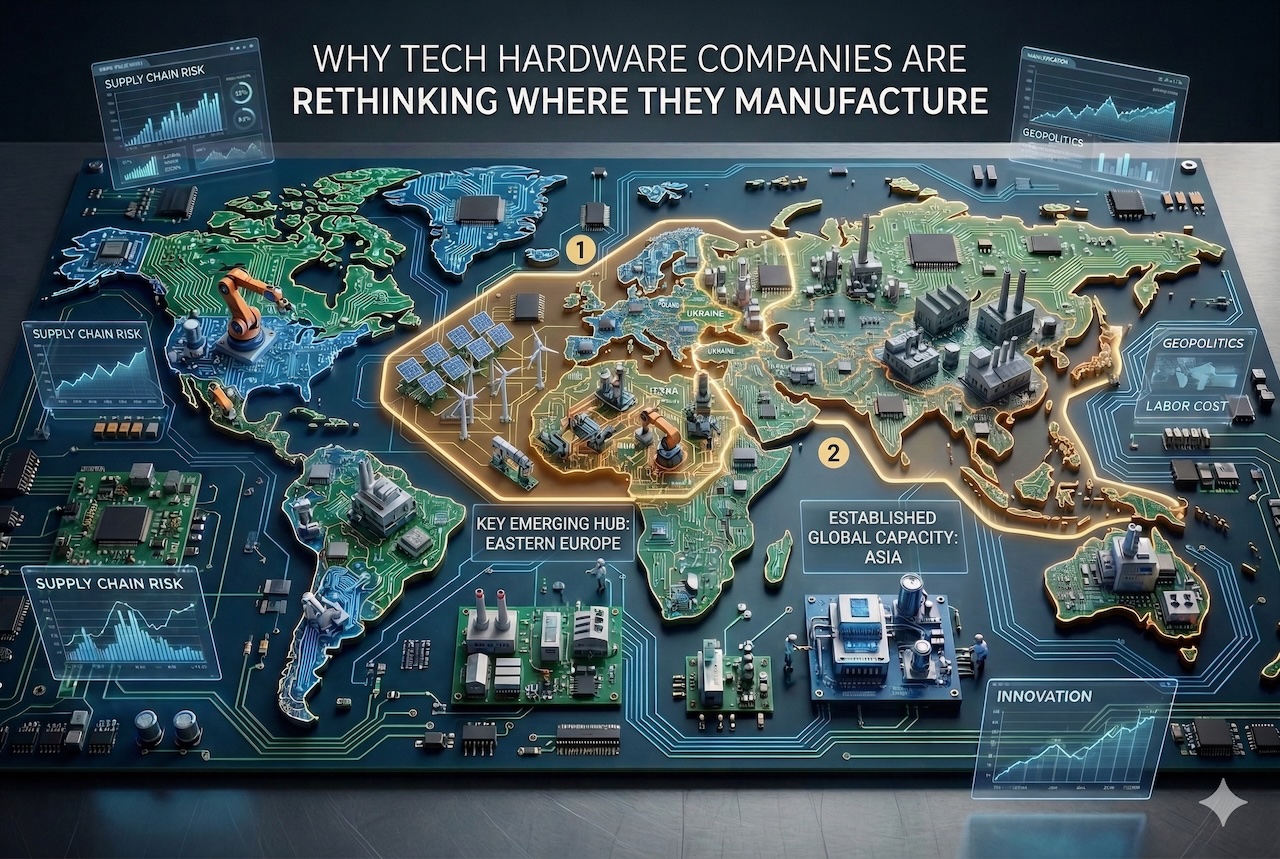
It is a quiet shift occurring in the global electronics supply chain—and Eastern Europe is at the center of it. While much of the conversation around hardware manufacturing has traditionally pointed to Asia, more firms are considering their own countries as a source of production. Or at least still nearer to their European headquarters. And what they are discovering is a territory that is punching far above its weight.
When organizations prepare for mergers, acquisitions, or fundraising, selecting the right Virtual Data Room (VDR) platform becomes a critical decision. Virtual data rooms enable secure document sharing and efficient due diligence processes, but not all platforms offer the same capabilities.
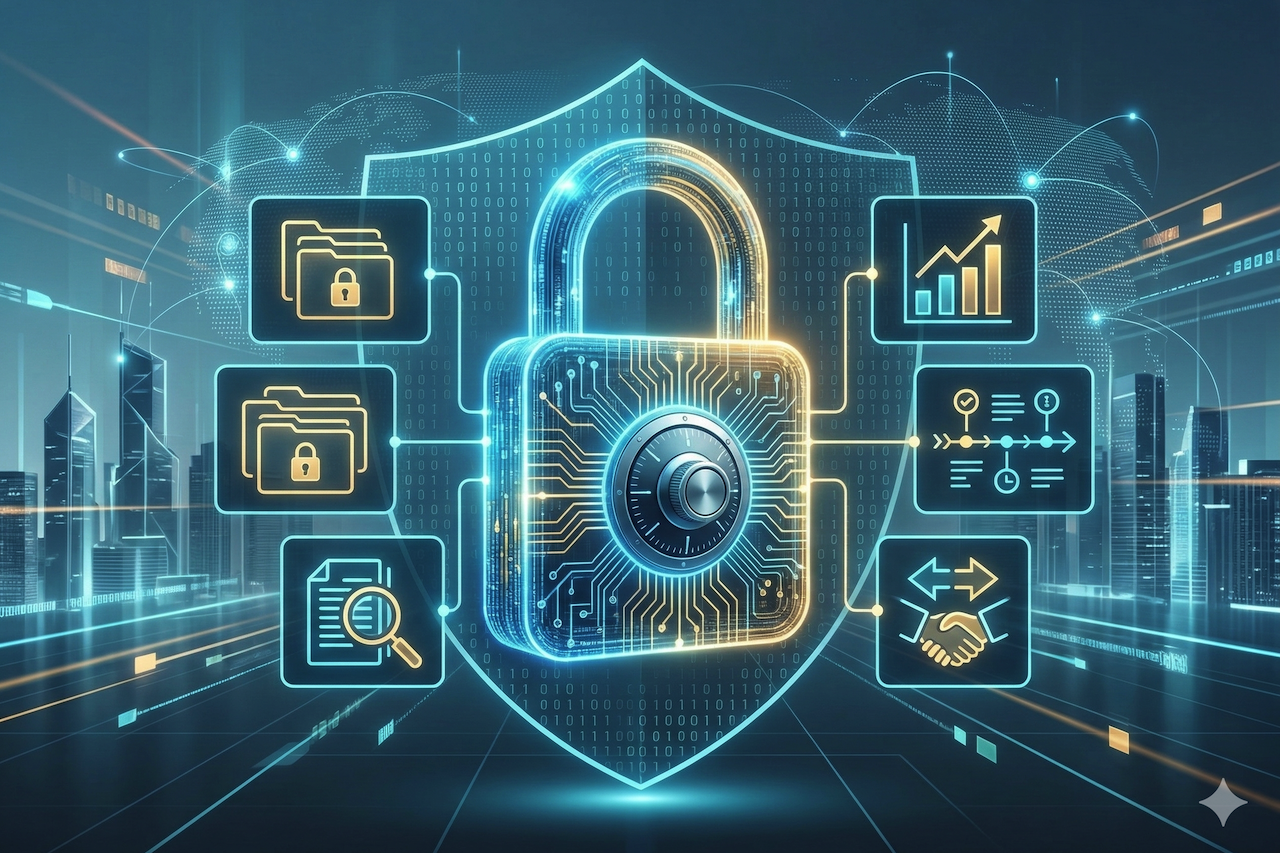
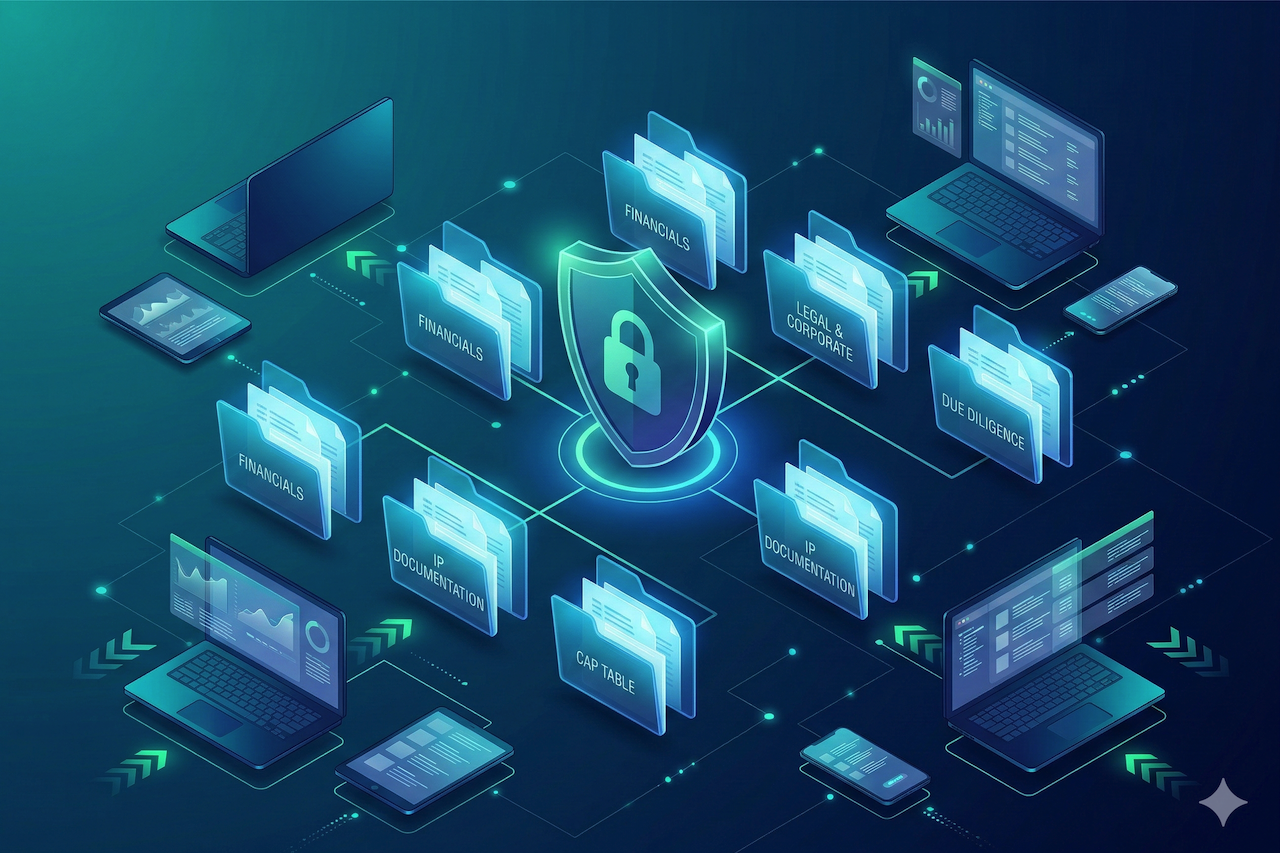
A data room is basically your “single source of truth” for a deal — a secure online space where you keep and share confidential documents while you’re raising money, selling the company, or going through due diligence. Instead of sending files one by one over email, investors can log in, review what they need, and move forward with decisions on their own timeline.
Remote work has radically transformed how we work together, communicate, and build professional relationships. These changes have exposed the need for better communication in remote environments when colleagues no longer share physical spaces.
Investors spend less than four minutes reviewing the average pitch deck. That's what DocSend found after analyzing hundreds of successful fundraising rounds. Four minutes to decide whether your startup gets a second meeting or a polite pass.
The confidence gap is one of the overlooked barriers in today’s job market. Highly educated candidates, recent graduates, mid-career professionals, managers, and freelancers are often at the bottom of the pile when applying for new roles.
Your business leaves digital traces every day. IP logs, DNS records, SSL certificates, and state filings are all searchable. Anyone can check them within minutes. That includes customers, vendors, and competitors.