
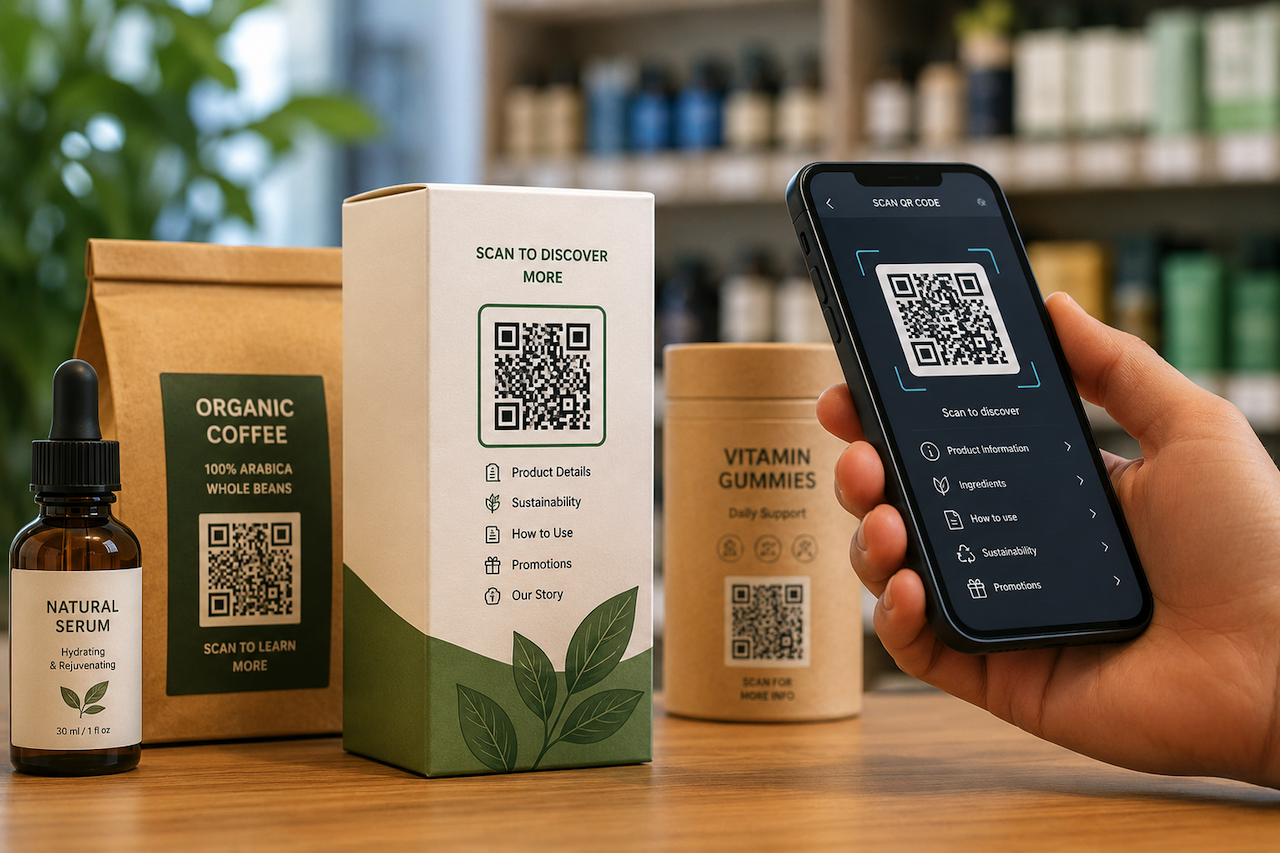
Modern consumers expect more than basic branding and ingredient lists when interacting with products. People increasingly want instant access to product details, sustainability information, authenticity verification, tutorials, promotions, and brand stories directly from their smartphones. This shift has made QR technology, including QR code product packaging, one of the most effective tools for connecting physical products with digital experiences.
Scannable technology is transforming how brands communicate with customers before, during, and after purchase. Instead of relying only on static printed information, businesses can now provide interactive experiences that improve transparency, customer trust, and engagement. From retail and food production to cosmetics, healthcare, and consumer electronics, connected experiences are becoming an increasingly important part of modern customer communication strategies.
As digital expectations continue to grow, businesses are using these systems not only to share information but also to strengthen branding, optimize logistics, and create more personalized customer experiences.
Why QR Codes Are Becoming More Common Across Consumer Products
Traditional product labeling has limited physical space. Brands often struggle to include all the information customers may want without overcrowding the design. This technology solves the problem by connecting consumers to digital content through a simple scan.
A scannable code can instantly direct customers to product tutorials, ingredient breakdowns, sourcing details, warranty registration, promotional campaigns, customer support, or sustainability initiatives. This creates a cleaner presentation while still providing extensive product information when needed.
Another major advantage is flexibility. Dynamic systems allow businesses to update digital content without replacing printed materials. This is particularly useful for seasonal campaigns, product recalls, updated instructions, or promotional offers.
For companies operating across multiple markets, these tools also simplify multilingual communication. Instead of printing large amounts of text in several languages, businesses can direct customers to localized digital pages based on region or user preferences.
Connected experiences additionally help brands collect valuable engagement insights. Businesses can analyze scan behavior, customer locations, and campaign performance to better understand how customers interact with products after purchase.
As brands continue to invest in digital transformation, this approach offers a scalable and cost-effective way to modernize customer communication without requiring major operational changes.
How QR Tracking Supports Supply Chain Visibility
One of the most important business applications of this technology is inventory and logistics management. A reliable tracking system helps companies improve supply chain visibility, monitor product movement, and reduce operational inefficiencies.
Modern supply chains involve multiple stages, including manufacturing, transportation, warehousing, distribution, and retail placement. Digital tracking systems simplify monitoring by allowing products to be scanned and tracked throughout the entire process.
Businesses use tracking solutions to improve accuracy, reduce manual errors, and increase operational transparency. Employees can quickly access shipment information, product status, batch numbers, or inventory records through mobile devices or scanning systems.
Product tracking also plays a major role in quality control and recall management. If a manufacturing issue occurs, businesses can identify affected product batches more efficiently and respond faster. This improves customer safety while minimizing financial and reputational damage.
In industries such as food production, pharmaceuticals, cosmetics, and healthcare, traceability has become increasingly important for both regulatory compliance and consumer trust. Customers want greater visibility into where products come from, how they were produced, and whether they meet safety standards.
These tracking systems also support anti-counterfeiting efforts. Brands can use unique digital identifiers to help verify product authenticity and protect customers from fraudulent goods. This is particularly valuable for luxury products, supplements, cosmetics, and electronics.
As supply chains become more complex, digital tracking continues to offer businesses a practical and scalable way to improve efficiency and transparency.
Why Consumers Value Instant Access to Product Details
Modern shoppers often research products before making purchasing decisions. They want access to accurate, detailed, and transparent information directly at the point of sale. This is where scannable tools provide significant value.
Instead of relying only on limited printed text, customers can instantly access expanded digital content through a scan. This may include product ingredients, nutritional information, manufacturing details, certifications, tutorials, or sustainability practices.
For food and beverage companies, these systems can help communicate sourcing information, allergen details, or recipe suggestions. Cosmetic brands may provide ingredient explanations, skincare guidance, or product authenticity verification. Electronics manufacturers often use connected tools to deliver setup instructions, warranty registration, or troubleshooting resources.
This level of accessibility improves customer confidence and supports more informed purchasing decisions. Transparency has become a major factor in consumer trust, particularly among younger audiences who expect brands to provide clear and accessible information.
Providing product details through digital access also supports sustainability goals by reducing reliance on printed inserts and instruction manuals. Businesses can move large amounts of documentation online while maintaining easy access for customers.
Another advantage is content flexibility. Digital resources can be updated instantly when products change, regulations evolve, or marketing campaigns shift. This allows brands to maintain accurate communication without redesigning printed materials.
As customer expectations for transparency continue to increase, connected technology is becoming one of the most efficient ways for businesses to improve communication and build trust.
Choosing a QR Platform for Product Labels
Selecting the best QR platform is an important decision for businesses planning long-term digital engagement strategies. Not all platforms offer the same level of functionality, scalability, or customization.
One of the most important features is dynamic content management. Businesses should be able to update content destinations without replacing printed materials. This flexibility significantly reduces operational costs and improves campaign adaptability.
Analytics capabilities are also essential. A modern platform should provide detailed engagement insights, including scan volume, customer locations, device usage, and campaign performance. These metrics help businesses optimize customer experiences over time.
Branding and customization tools are equally valuable. Codes should align with overall brand identity rather than appear generic or disconnected from the customer experience. Platforms that support logos, colors, and design customization help create more visually appealing interactions.
Scalability is another critical factor. Companies managing large product catalogs need systems that support bulk generation, centralized campaign management, and multi-user access controls.
Security features should also be considered carefully, especially when digital labels provide access to sensitive customer information, authentication systems, or proprietary business content.
Integration support is increasingly important as well. Many businesses now connect these platforms with inventory systems, analytics tools, customer relationship management software, and marketing platforms to streamline operations and improve reporting accuracy.
Choosing the right platform allows businesses to build systems that remain flexible, scalable, and future-ready as digital expectations continue to evolve.
The Future of QR Technology in Consumer Goods
The role of connected technology in consumer products is expected to expand significantly in the coming years. Consumers increasingly expect personalized, mobile-friendly, and interactive experiences, and these systems provide a simple way to deliver them.
AI-powered design, advanced product authentication, personalized recommendations, and interactive digital experiences are becoming more common across consumer industries. Brands are also using connected tools to strengthen sustainability initiatives by reducing printed materials and improving digital communication.
In addition, regulatory requirements around product transparency and traceability continue to grow globally. These systems help businesses adapt to evolving expectations while improving operational efficiency and customer trust at the same time.
As smartphone usage remains nearly universal, connected experiences will likely become a standard feature across many industries rather than a competitive advantage reserved for larger companies.
Final Thoughts
Modern customer engagement is no longer limited to traditional branding alone. Businesses now use connected technology to create interactive experiences, improve transparency, and strengthen communication across the entire product lifecycle.
At the same time, reliable tracking systems help businesses improve operational visibility and supply chain efficiency, while digital product information tools provide consumers with the transparency and accessibility they increasingly expect.
Choosing the right QR platform for product labeling allows businesses to build scalable and flexible digital strategies that support branding, analytics, customer engagement, and long-term transformation.
As customer expectations continue to evolve, this technology will remain one of the most practical and adaptable tools for connecting physical products with modern digital experiences.
Featured Image generated by ChatGPT.
Share this post
Author

Read the latest articles from Shahid Latif
2026 Top Pick - Silence Detection Tools for Faster Video Editing

May 15, 2026
AI silence detection helps editors remove the awkward quiet parts from their videos to improve pacing and reduce manual editing time. In 2026, AI tools will automatically detect silence. The automation factor enables users to trim their videos without any prior experience.
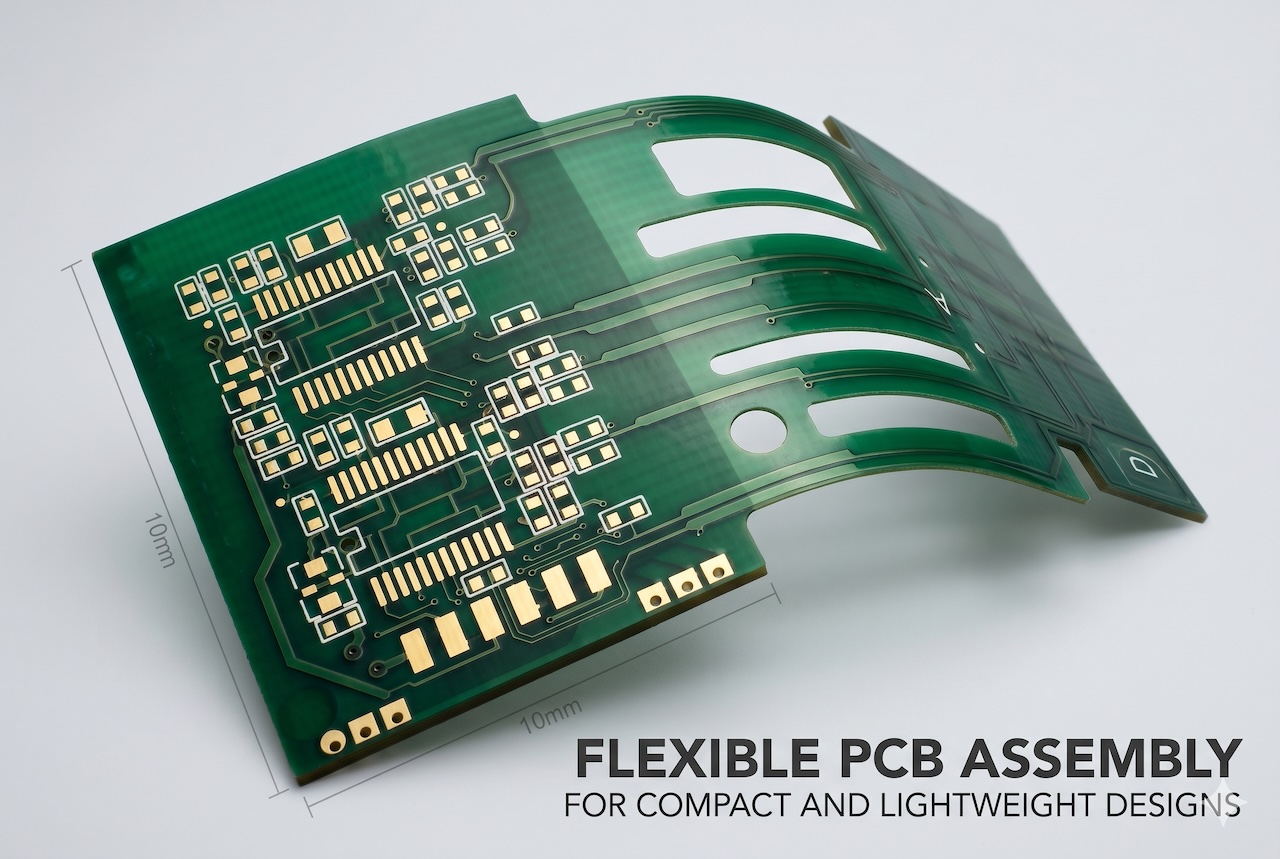
Learn moreFlexible PCB Assembly for Compact and Lightweight Designs
April 29, 2026
The world of electronics is transforming quickly, with consumers and industries requiring products that are smaller, more lightweight, wiser, and more robust than ever before. From mobile phones and laptops to wearable technology, automotive systems, and medical supplies, modern advanced technologies are expected [...]
Learn moreLeave a comment
All comments are moderated. Spammy and bot submitted comments are deleted. Please submit the comments that are helpful to others, and we'll approve your comments. A comment that includes outbound link will only be approved if the content is relevant to the topic, and has some value to our readers.
Comments (0)
No comment