
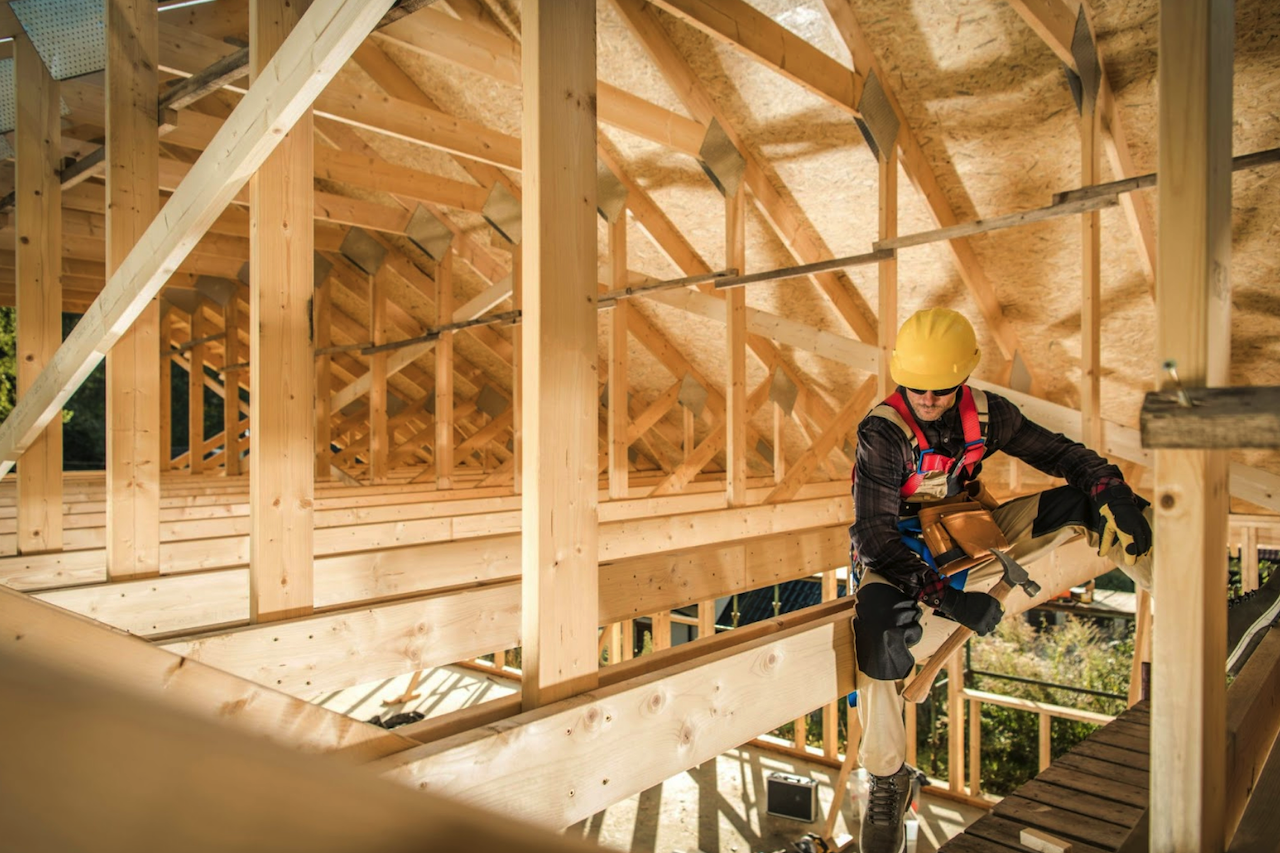
A roof is one of the most critical components of any home, yet many homeowners are unsure how long their roof is actually supposed to last. While manufacturer warranties often advertise long timeframes, real-world roof lifespans depend on more than a number on paper.
Understanding how long a roof lasts requires looking at material type, installation quality, climate, and ongoing maintenance. This guide outlines realistic roof lifespan expectations, explains factors that affect durability, and helps homeowners plan repairs or replacements with confidence.
Average Roof Lifespan by Material
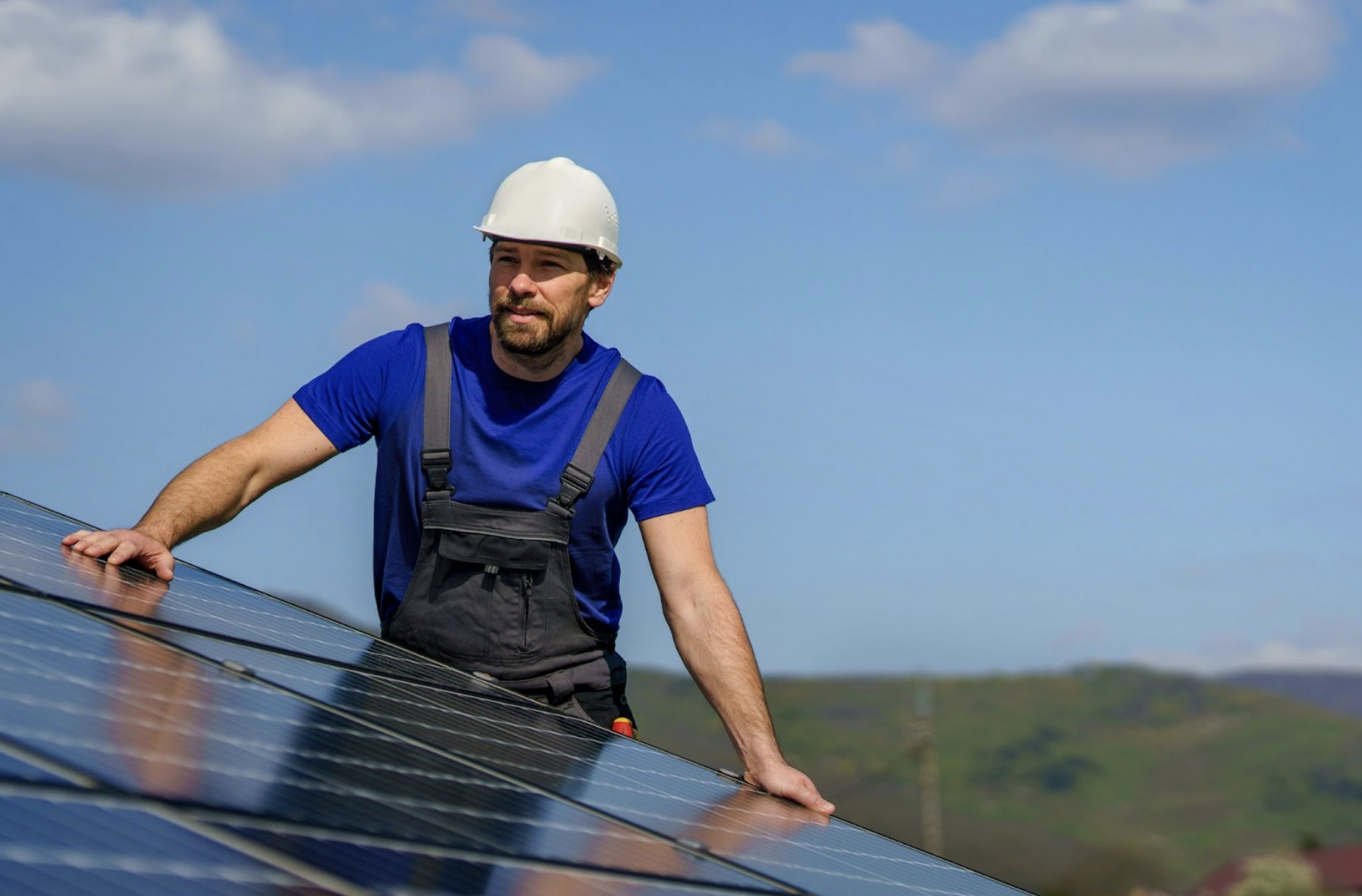
Roof longevity varies significantly depending on the materials used. Each roofing system performs differently under weather exposure, temperature changes, and daily wear.
Asphalt Shingle Roofs
Asphalt shingles remain the most common roofing material in North America. Three-tab shingles typically last 15–20 years, while architectural or dimensional shingles often last 20–30 years. Factors such as heat exposure, ventilation, and installation quality significantly affect how close a roof is to the upper end of that range.
Metal Roofing
Metal roofs are known for their durability and long service life. Most metal roofing systems last 40–70 years, depending on the metal type, coating, and installation. Metal performs well in a wide range of climates and resists cracking, shrinking, and erosion.
Tile Roofing (Clay and Concrete)
Clay and concrete tile roofs are among the longest-lasting systems available. With proper installation and maintenance, tile roofs can last 50–100 years. Their weight and rigidity require a robust roof structure, but they provide excellent fire and weather resistance.
Slate Roofing
Slate is often considered the longest-lasting roofing material. Natural slate roofs can last well over 100 years, making them a premium option for longevity. While the upfront cost is high, the lifespan often justifies the investment for historic or high-end homes.
Wood Shingles and Shakes
Wood roofing typically lasts 20–40 years, depending on climate, maintenance, and wood type. Moisture exposure, mold, and insects can reduce lifespan if maintenance is neglected.
Flat Roofing Systems
Flat or low-slope roofs, such as TPO, EPDM, or modified bitumen, generally last 15–30 years. Drainage quality and regular inspections are critical to extending the lifespan of these systems.
What Factors Affect How Long a Roof Lasts
Installation Quality
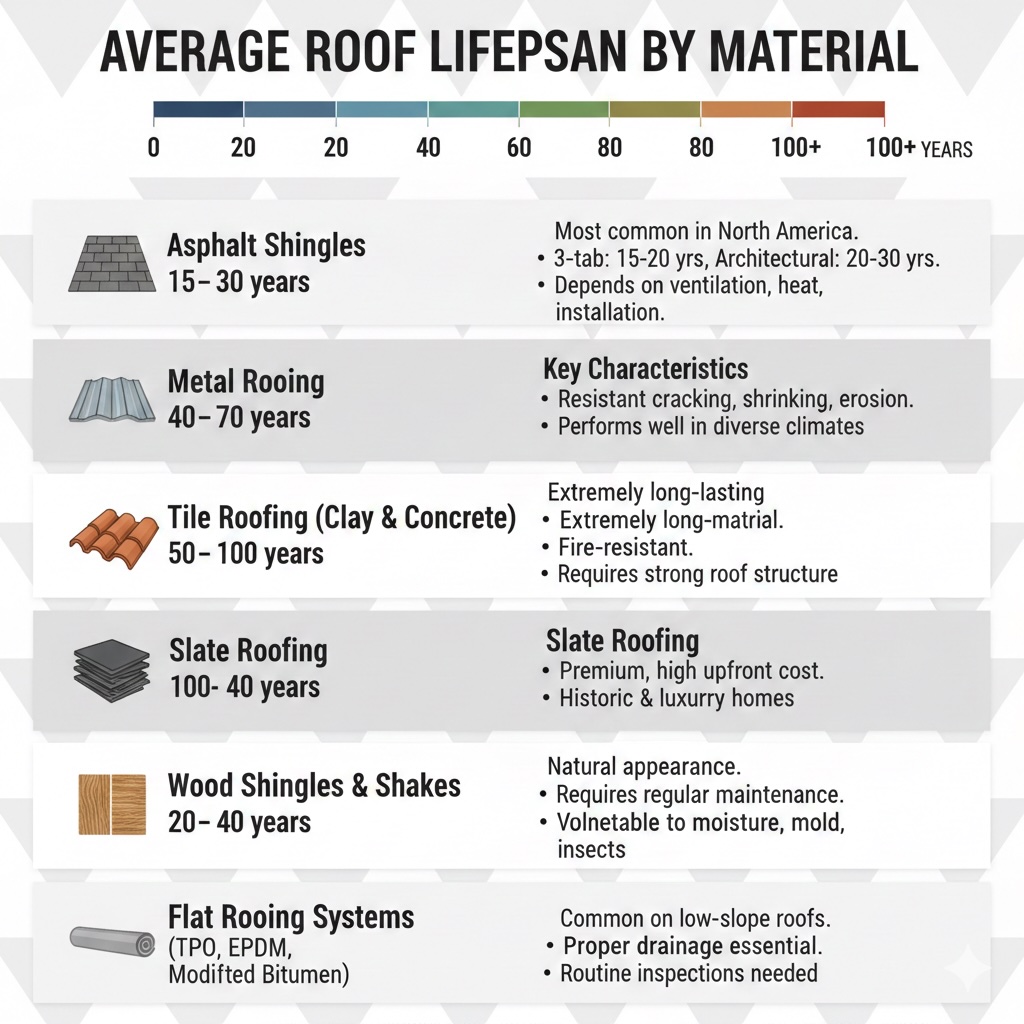
Even the best roofing materials will fail early if they are installed incorrectly. Poor flashing, improper fastening, or inadequate ventilation can significantly shorten a roof’s life. Proper installation plays a critical role in roof longevity, which is why many homeowners choose to work with experienced roofing specialists. Companies such as Symplify Roofing are one example of contractors that focus on correct installation practices, which can directly influence long-term roof performance.
Climate and Weather Exposure
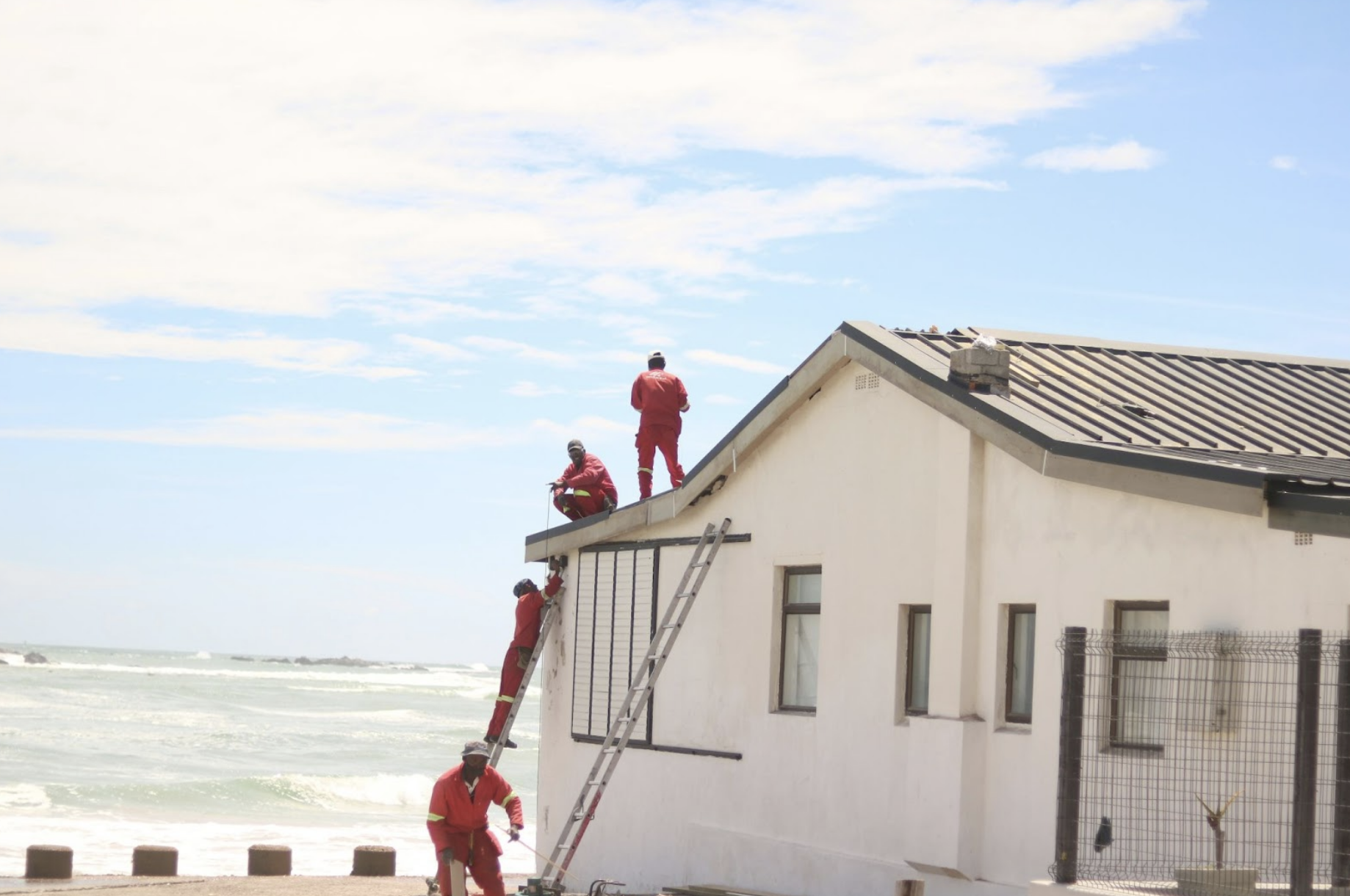
Roofs age faster in extreme climates. Intense sun, heavy snowfall, high winds, and hail all contribute to material breakdown over time. Coastal environments can also accelerate corrosion and wear.
Roof Ventilation and Attic Conditions
Poor ventilation traps heat and moisture, which can warp decking, curl shingles, and reduce material lifespan. Proper attic airflow helps regulate temperature and prevent moisture-related damage.
Roof Pitch and Design
Steeper roofs tend to shed water and debris more effectively and often last longer than low-slope designs. Complex roof layouts with valleys and penetrations require more maintenance and are more prone to leaks if not properly managed.
Maintenance and Its Impact on Roof Longevity
Routine Inspections
Professional inspections every one to two years allow minor issues to be addressed before they become significant problems. Early detection is one of the most effective ways to extend a roof's service life.
Gutter and Drainage Maintenance
Clogged gutters cause water to back up under shingles and along roof edges. Keeping drainage systems clear protects both the roof and the home’s structure.
Minor Repairs vs Deferred Maintenance
Minor repairs, such as replacing damaged shingles or sealing flashing, can add years to a roof’s life. Ignoring these issues often leads to premature failure and higher replacement costs.
Signs Your Roof Is Nearing the End of Its Lifespan
- Curling, cracked, or missing shingles
- Excessive granule loss
- Persistent leaks or interior water stains
- Sagging rooflines
- Frequent repair needs
When multiple signs appear together, replacement is often more cost-effective than ongoing repairs.
Can a Roof Last Longer Than Expected?
Yes, some roofs exceed typical lifespan ranges, especially when high-quality materials, proper installation, and consistent maintenance are combined. However, homeowners should view lifespan estimates as ranges rather than guarantees and plan proactively.
From Roof Replacement to Remodeling: What Homeowners Often Do Next
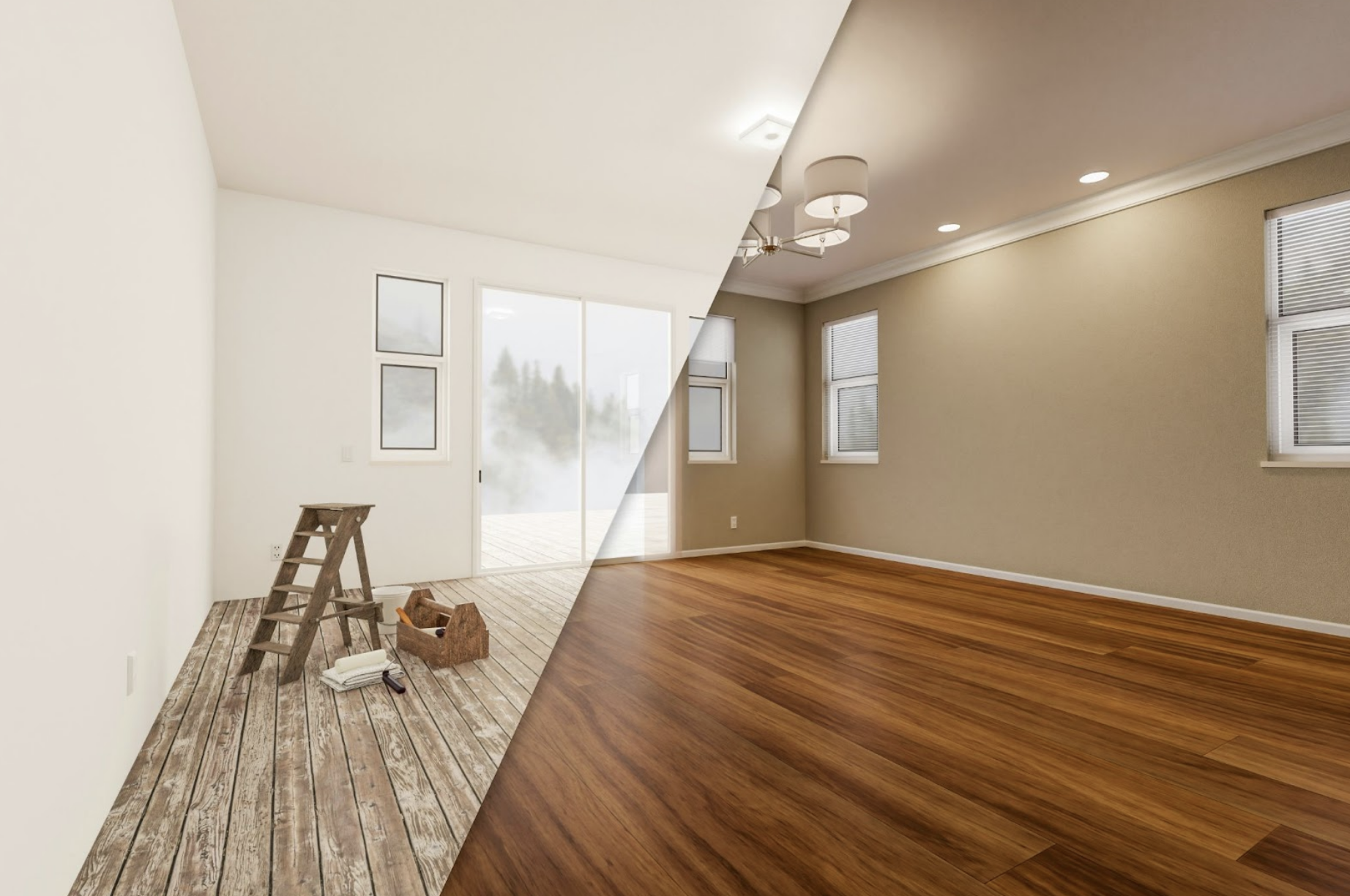
While roofing lifespan and replacement are important considerations, roof projects often lead homeowners to evaluate broader exterior or interior updates. In many cases, renovation work such as siding improvements, window replacements, or interior updates follows roof replacement. Companies like America’s Advantage Remodeling are one example of contractors that handle this type of follow-up renovation work, reflecting a common pattern homeowners encounter after completing major roofing projects.
How Homeowners Can Maximize Roof Lifespan
Choosing materials suited to the local climate, hiring qualified professionals, maintaining proper ventilation, and staying proactive with inspections are the most effective ways to extend the roof's service life. Preventive care consistently delivers better long-term value than reactive repairs.
Conclusion
So, how long does a roof last? The answer depends on material choice, installation quality, climate, and maintenance. By understanding realistic lifespan expectations and addressing issues early, homeowners can protect their investment and avoid unexpected costs. A well-maintained roof is not just a protective barrier; it’s a long-term asset that supports the health and value of the entire home.
Share this post
Author

Read the latest articles from Faviola Publico
Real Estate SEO: How Agents Generate Leads Through Organic Search and Digital Strategy

March 7, 2026
The real estate industry has become increasingly digital. Most buyers and sellers now begin their property search online, researching neighborhoods, comparing listings, and evaluating agents before ever scheduling a showing. Because of this shift, real estate SEO has become one of the most important marketing str [...]
Learn moreHow to Repair Hardwood Floor Scratches: Practical Fixes and When to Bring in Flooring or Painting Pros
January 30, 2026
Hardwood floors add warmth, character, and long-term value to a home, but even the best-maintained floors eventually pick up scratches. Moving furniture, pet nails, shoes, and everyday traffic can all leave marks that make floors look worn before their time. The good news is that many scratches can be rep [...]
Learn moreLeave a comment
All comments are moderated. Spammy and bot submitted comments are deleted. Please submit the comments that are helpful to others, and we'll approve your comments. A comment that includes outbound link will only be approved if the content is relevant to the topic, and has some value to our readers.
Comments (0)
No comment