

Proper fence post spacing is one of the most critical factors in building a fence that stays straight, sturdy, and functional for years. Posts that are set too far apart can lead to sagging panels, leaning sections, and gates that won’t close properly. Posts set too close together can waste materials and increase costs without adding real strength.
If you’re planning a new fence or evaluating an existing one, this guide explains how far apart fence posts should be, why spacing matters, how it varies by fence type, and when professional installation makes sense.
Why Fence Post Spacing Is So Important
Structural Strength and Longevity
Fence posts carry the weight of rails, panels, and gates. Proper spacing ensures weight is evenly distributed, preventing stress on a few posts.
Preventing Sagging, Leaning, and Warping
When posts are spaced too far apart, rails and panels bow over time. This is one of the most common reasons fences fail prematurely.
Keeping the Fence Straight and Aligned
Consistent spacing keeps fence lines visually clean and helps gates line up correctly with latch posts.
How Far Apart Should Fence Posts Be? (Quick Answer)
General Rule of Thumb
For most residential fences, posts should be spaced 6 to 8 feet apart, measured from the center of one post to the center of the next. This range works well for the majority of wood, vinyl, and metal fence systems.
When to Go Closer Than 8 Feet
You should reduce spacing when:
- The fence is taller than 6 feet
- Panels are heavy or solid (privacy fences)
- The area experiences strong winds
- Soil is soft, sandy, or prone to shifting
Fence Post Spacing by Fence Type
Wood Fence Post Spacing
- Typical spacing: 6–8 feet
- Privacy fences: Often closer to 6 feet due to weight
- Picket fences: Can be closer to 8 feet if lightweight
Heavier boards, thicker rails, and taller designs all benefit from tighter spacing.
Vinyl Fence Post Spacing
- Typical spacing: 6–8 feet
- Manufacturer guidelines: Always follow the manufacturer’s specifications
- Panel rigidity: Vinyl panels are rigid and require precise spacing to avoid cracking or warping
Chain Link Fence Post Spacing
- Line posts: 8–10 feet apart
- Terminal and gate posts: Placed closer together and reinforced
Chain link fencing is lighter, allowing wider spacing compared to solid panel fences.
Metal or Aluminum Fence Post Spacing
- Typical spacing: 6–8 feet
- Decorative metal fences: Often follow similar spacing to wood
- Security-grade metal fences: May require closer spacing

Key Factors That Affect Fence Post Spacing
Fence Height
The taller the fence, the more wind load and weight it carries. Taller fences require posts to be set closer together.
Soil Type and Ground Conditions
Clay soil: Holds posts well but can shift with moisture
- Clay soil: Holds posts well but can shift with moisture
- Sandy soil: Requires deeper footings and closer spacing
- Rocky ground: May limit depth, making spacing more critical
Wind and Weather Exposure
Open areas and high-wind zones place extra stress on fence panels. Closer post spacing improves stability.
Panel Systems vs. Individual Pickets
Prebuilt panels require precise spacing, while picket fences offer greater flexibility.
Special Spacing Considerations for Gates
Gate Posts Are Not the Same as Line Posts
Gate posts must support moving weight. They are typically:
- Thicker
- Set deeper in concrete
- Spaced closer than regular posts
Reinforcing Gate Areas
Most sagging gates are caused by insufficient post strength or poor spacing around the gate opening.

How to Measure and Mark Fence Post Spacing Correctly
Step-by-Step Layout Process
- Set the corner and terminal posts first
- Run a string line between posts
- Measure post spacing center-to-center
- Mark each post location with a stake
Adjusting for Slopes
- Stepped fences: Posts remain vertical, panels step down
- Racked fences: Panels angle to follow the slope
Spacing may need slight adjustments to maintain alignment.
Check Local Codes and HOA Rules
Some areas regulate post spacing, fence height, and footing depth. Always verify before digging.

Common Fence Post Spacing Mistakes to Avoid
Spacing Posts Too Far Apart
This leads to bowed rails, loose panels, and early failure.
Ignoring Fence Weight and Height
Heavier fences demand closer spacing regardless of material.
Overlooking Soil Movement
Frost heave, erosion, and settling can shift posts if spacing and depth aren’t adequate.
Using Shallow Footings
Correct spacing won’t compensate for posts that aren’t set deep enough.
For homeowners installing larger or custom fences, professionals like Fantastic Fence can help ensure post spacing and footing depth are matched to the fence design and site conditions from the start.
When to Hire a Professional Fence Installer
Long Fence Runs or Large Properties
Minor spacing errors multiply quickly over long distances.
Uneven or Sloped Terrain
Experienced installers know how to adjust spacing without compromising strength.
Heavy Privacy or Custom Fences
Solid panels, double gates, and specialty materials require precise planning.

How Professionals Determine Fence Post Spacing
Material Weight and Load Distribution
Installers assess where stress will concentrate and adjust spacing accordingly.
Manufacturer Specifications
Vinyl and metal systems often require exact measurements.
Site-Specific Adjustments
Wind exposure, soil condition, and fence height all influence final spacing decisions.
Quality Control During Installation
Experienced crews, such as Fantastic Fence, evaluate, check alignment, level, and spacing during installation to prevent issues that aren’t obvious until months later.
Conclusion
Understanding how far apart fence posts should be is essential for building a fence that looks good and lasts. While 6 to 8 feet is a solid general guideline, proper spacing always depends on fence material, height, soil conditions, and environmental factors.
DIY installation is possible for many homeowners, but proper spacing and footing are critical. Whether you’re planning a new fence or troubleshooting an existing one, careful spacing decisions now can save years of repairs later.
Share this post
Author

Read the latest articles from Faviola Publico
Real Estate SEO: How Agents Generate Leads Through Organic Search and Digital Strategy

March 7, 2026
The real estate industry has become increasingly digital. Most buyers and sellers now begin their property search online, researching neighborhoods, comparing listings, and evaluating agents before ever scheduling a showing. Because of this shift, real estate SEO has become one of the most important marketing str [...]
Learn moreHow to Repair Hardwood Floor Scratches: Practical Fixes and When to Bring in Flooring or Painting Pros
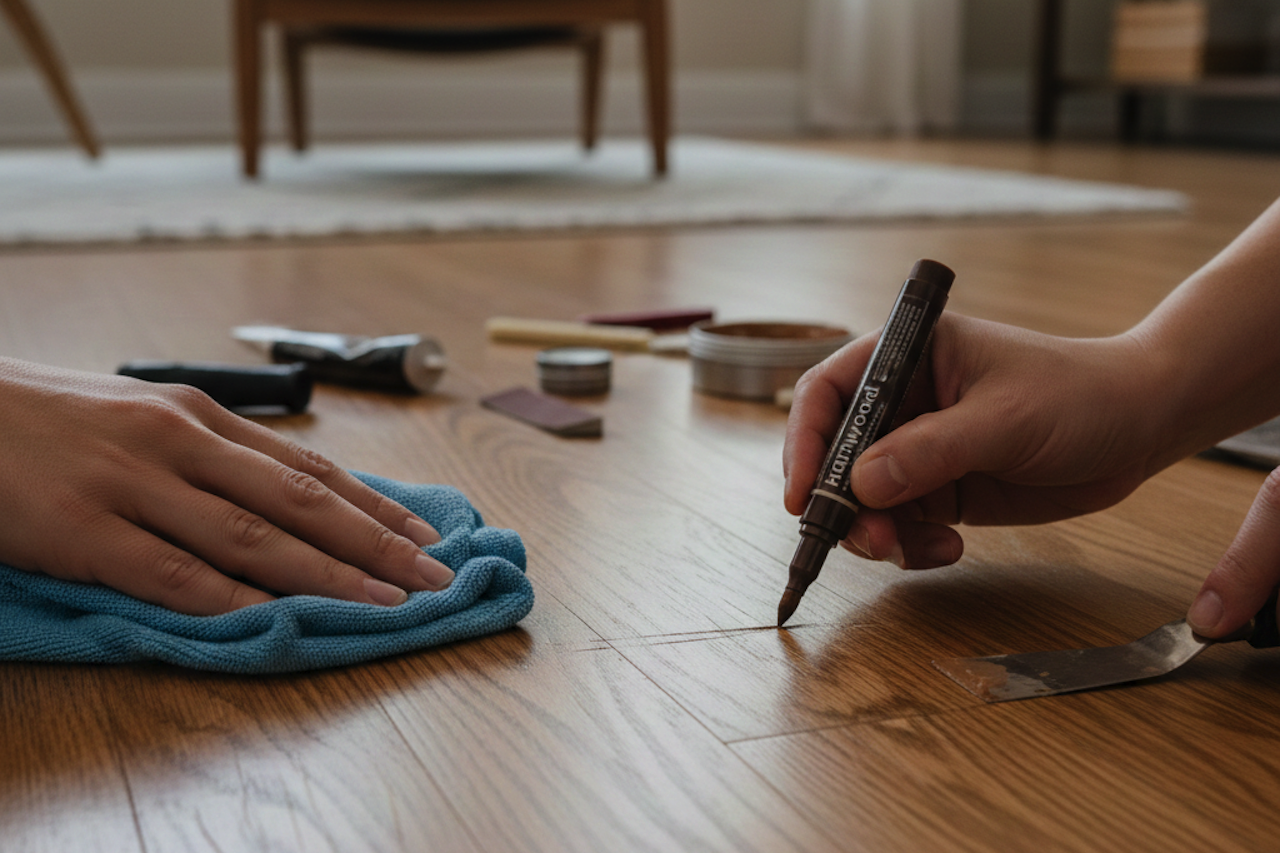
January 30, 2026
Hardwood floors add warmth, character, and long-term value to a home, but even the best-maintained floors eventually pick up scratches. Moving furniture, pet nails, shoes, and everyday traffic can all leave marks that make floors look worn before their time. The good news is that many scratches can be rep [...]
Learn moreLeave a comment
All comments are moderated. Spammy and bot submitted comments are deleted. Please submit the comments that are helpful to others, and we'll approve your comments. A comment that includes outbound link will only be approved if the content is relevant to the topic, and has some value to our readers.
Comments (0)
No comment