

As online shopping becomes a dominant force in the global economy, digital savings tools are shaping the way consumers evaluate products, choose retailers and manage their budgets. One of the most transformative trends is the rise of online discount platforms that aggregate promotions from thousands of brands, giving shoppers easy access to real-time deals. Whether people are purchasing everyday household essentials or planning more costly investments like home appliances or travel packages, having immediate access to verified savings can influence not only how much they spend but also when and where they decide to shop.
The growing popularity of tools such as the promo code provided through trusted sites like Valuecom reflects a shift in digital behavior, where customers increasingly rely on technology to make buying decisions that feel both financially responsible and personally rewarding.
This shift is also driven by the increasing transparency that digital coupons offer. Unlike traditional paper discounts that required physical clipping or waiting for mailers, modern digital offers are updated instantly and allow consumers to compare savings across multiple stores with minimal effort. This encourages buyers to explore alternatives instead of sticking to a single retailer out of habit.
Platforms that organize promotions by category, season or discount size give shoppers a more structured way to navigate thousands of offers, which ultimately leads to smarter, more informed decisions. This behavior is not only beneficial for customers seeking to stretch their budgets but also pushes brands to provide more competitive promotions. Retailers that understand these evolving expectations are adapting by offering personalized deals, app-exclusive rewards and dynamic pricing models that reward repeat visits and long-term loyalty.
Moreover, the presence of digital coupons is influencing psychological patterns in purchasing. Shoppers today are more aware of pricing fluctuations and tend to wait for the moment when discounts are most favorable. This disciplined approach contrasts sharply with earlier online habits when consumers often purchased impulsively due to targeted ads or fear of missing out. Now, buyers adopt a more strategic mindset, often tracking deals over time and planning purchases around peak savings periods such as end-of-season clearances, holiday campaigns and new product rollouts.
The shift toward intentional spending reduces buyer’s remorse and increases satisfaction, as consumers feel more in control of the value they receive. At the same time, it encourages brands to maintain transparency and consistency in their promotional strategies, as inconsistent or misleading deals can easily drive shoppers to competitors offering clearer and more reliable savings.
Wrap Up
Finally, the impact of digital coupon ecosystems extends beyond individual transactions, contributing to broader trends in consumer empowerment and financial literacy. As users engage with reward programs, cashback incentives, bundled deals and personalized promotional feeds, they naturally become more skilled at interpreting market patterns and recognizing genuine value opportunities. These habits contribute to long-term savings behaviors, teaching consumers to prioritize necessity, compare options and maximize every opportunity to reduce unnecessary spending.
Brands also benefit from this landscape by gaining deeper insights into customer preferences and tailoring their marketing strategies with higher precision. In an era where digital convenience and financial mindfulness increasingly intersect, online coupons have evolved into more than just a temporary discount tool—they have become a fundamental part of the modern shopping experience, fostering smarter consumption, stronger brand relationships and a more balanced approach to everyday spending.
Featured Image by Freepik.
Share this post
Author

Read the latest articles from Thomas Lore
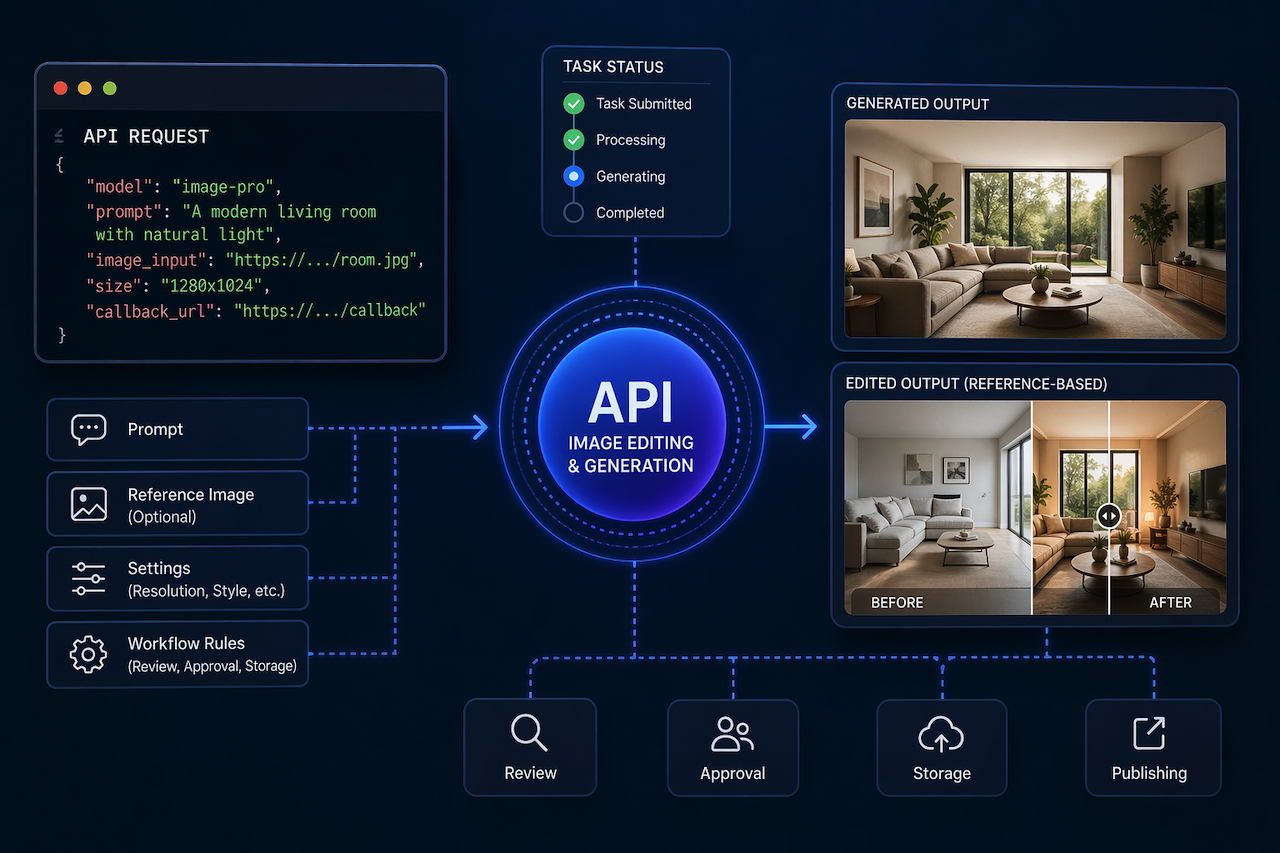
Nano Banana Pro API Integration Guide for Image Editing and Generation
April 23, 2026
Image workflows become difficult to maintain when editing and generation remain disconnected from the rest of the production process. Many teams can test an endpoint once, get a result, and call that success. Real integration starts later, when image requests repeat, output has to move through review, and the wor [...]
Learn moreTurning Raw IP Logs into Insights

April 16, 2026
Every second, servers across the internet generate millions of log entries—cryptic lines of text documenting every connection, request, and error. For network administrators, security analysts, and digital forensics investigators, these IP logs contain invaluable intelligence about traffic patterns, security th [...]
Learn moreLeave a comment
All comments are moderated. Spammy and bot submitted comments are deleted. Please submit the comments that are helpful to others, and we'll approve your comments. A comment that includes outbound link will only be approved if the content is relevant to the topic, and has some value to our readers.
Comments (0)
No comment