Blog Category


What Assets Qualify As Alternative Investments?

Many investors are now looking for opportunities beyond stocks and bonds. Alternative investments offer avenues to diversify your portfolio while uncovering growth opportunities. Understanding which assets qualify as alternative investments will help you make informed decisions regarding your finances. In this article, we will examine the various types of assets considered alternative investments and explain their characteristics.


Finance Transformation

Finance transformation is often framed as a technology upgrade, but the reality is far more complex. While new FP&A tools, financial close systems, and consolidation platforms promise efficiency, they rarely solve the deeper challenges finance teams face. This article explores why true transformation goes beyond technology and requires a fundamental shift in how finance operates—across processes, data, and people—to deliver meaningful, lasting impact.

Cloud Accounting Software

Bookkeeping may seem difficult because it involves the organization of data and keeping close track of it. Nevertheless, all the processes became much simpler when online tools came into play. Cloud accountant software is the modern solution that digitalizes bookkeeping and helps to make it effective and smooth. The first step to using all the advantages of the technology is to choose the right accounting software. The best accountant software platforms can improve the workflow: access the financial information from anywhere and collaborate with your financial advisor in real time.

Financial strategies that help startups scale

Building a young company means more than having a good product and zeal. Strong financial planning plays an important role in supporting long-term growth. Startup success is often evident through early momentum, and while some startups grow quickly, sound financial management helps convert that momentum into sustainable expansion, setting the stage for longer-term success.

Financial Data Consolidation

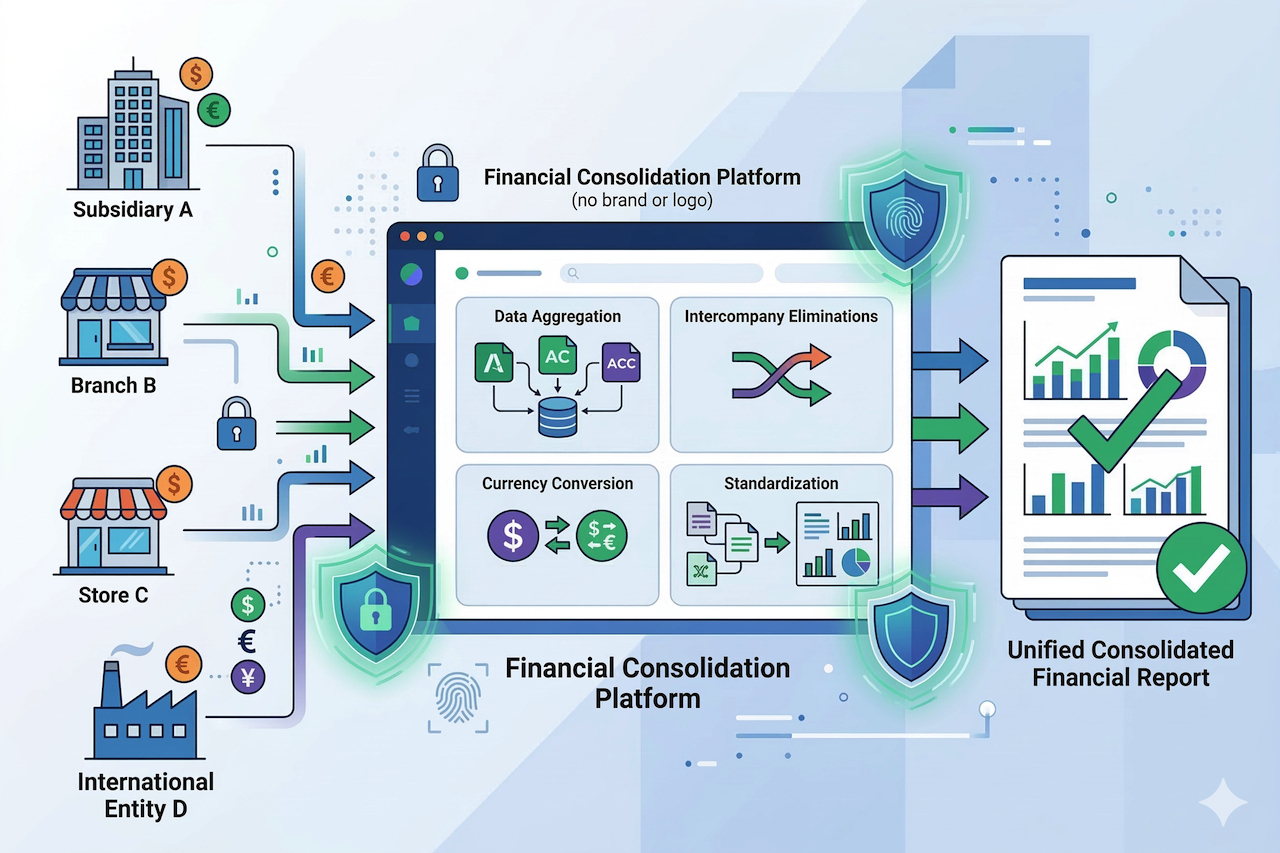
Multi-entity businesses collect financial data from many branches, stores, or subsidiaries. Each entity may use a different accounting system or reporting process. Finance teams must gather these numbers, organize them, exclude internal transactions, and produce a single clear financial report for the entire company.

Loan Origination Software

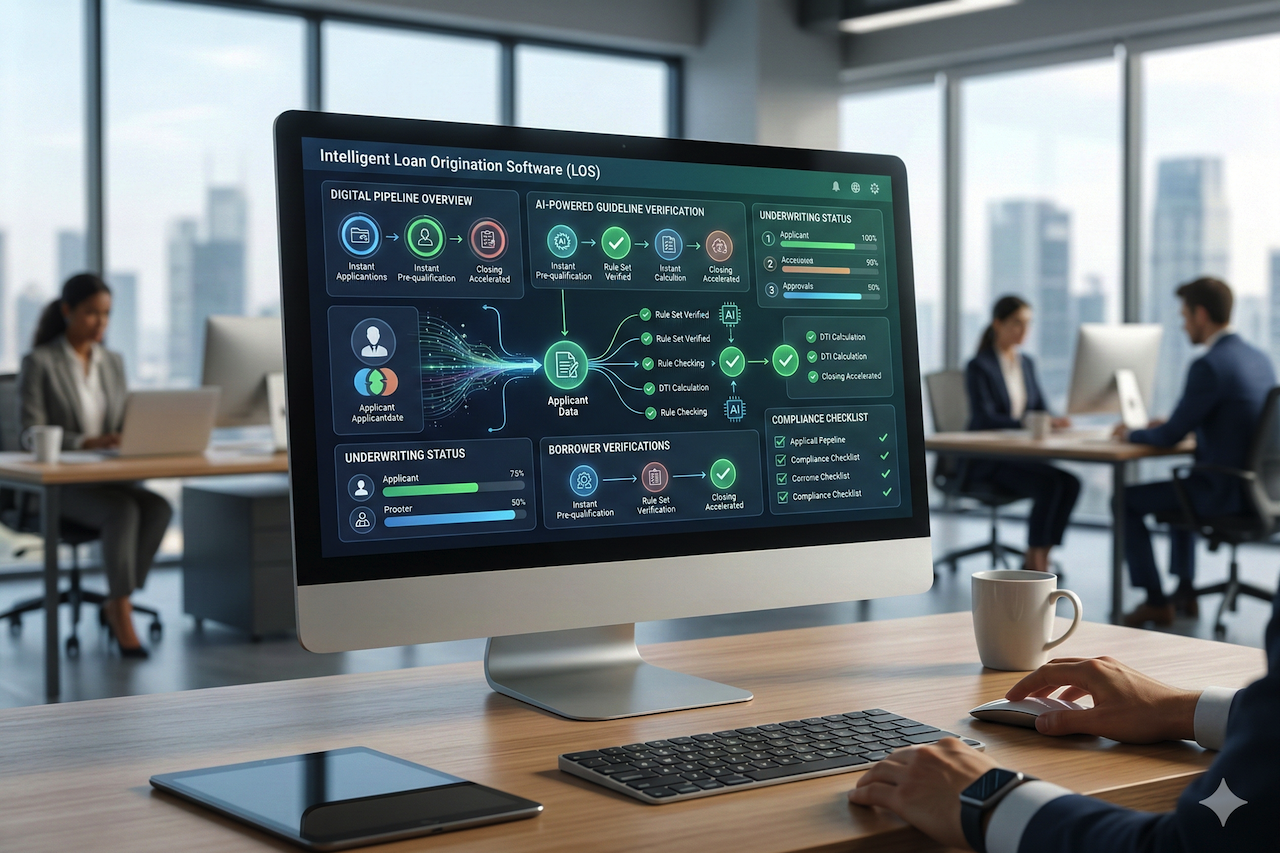
If you've been in the mortgage industry as long as I have, you know the daily grind. Wading through hundreds of pages of lender guidelines, manually calculating debt-to-income ratios, and chasing down conditions can drain the life out of any loan officer. That is exactly why upgrading your tech stack isn't just a luxury anymore. It's a survival tactic.

Comprehensive Planning

The thing about managing family wealth is that it is no longer confined to saving money or investing wisely. As families grow and their businesses expand, their financial lives often become more complex. In this scenario, simple financial planning is not enough. Business succession, taxes, estate planning, and long-term wealth preservation require efficient coordination.

FinTech App Development

The process of developing FinTech applications differs from creating standard mobile and web applications. Financial platforms handle highly confidential personal information while conducting instant financial operations and adhering to comprehensive regulatory frameworks. The infrastructure within an organization often becomes the fundamental factor that determines whether a product succeeds or fails in the market.

Credit Card

Working independently gives you freedom. You choose your projects, your schedule, and your work style. But it also means managing money on your own. There is no fixed salary date. No employer handling taxes. Everything depends on how well you plan. That is why smart financial tools matter. A well-used credit card can make independent work easier and more organised. Banks understand this shift and design tools that fit flexible and modern work lives.

The New Handshake

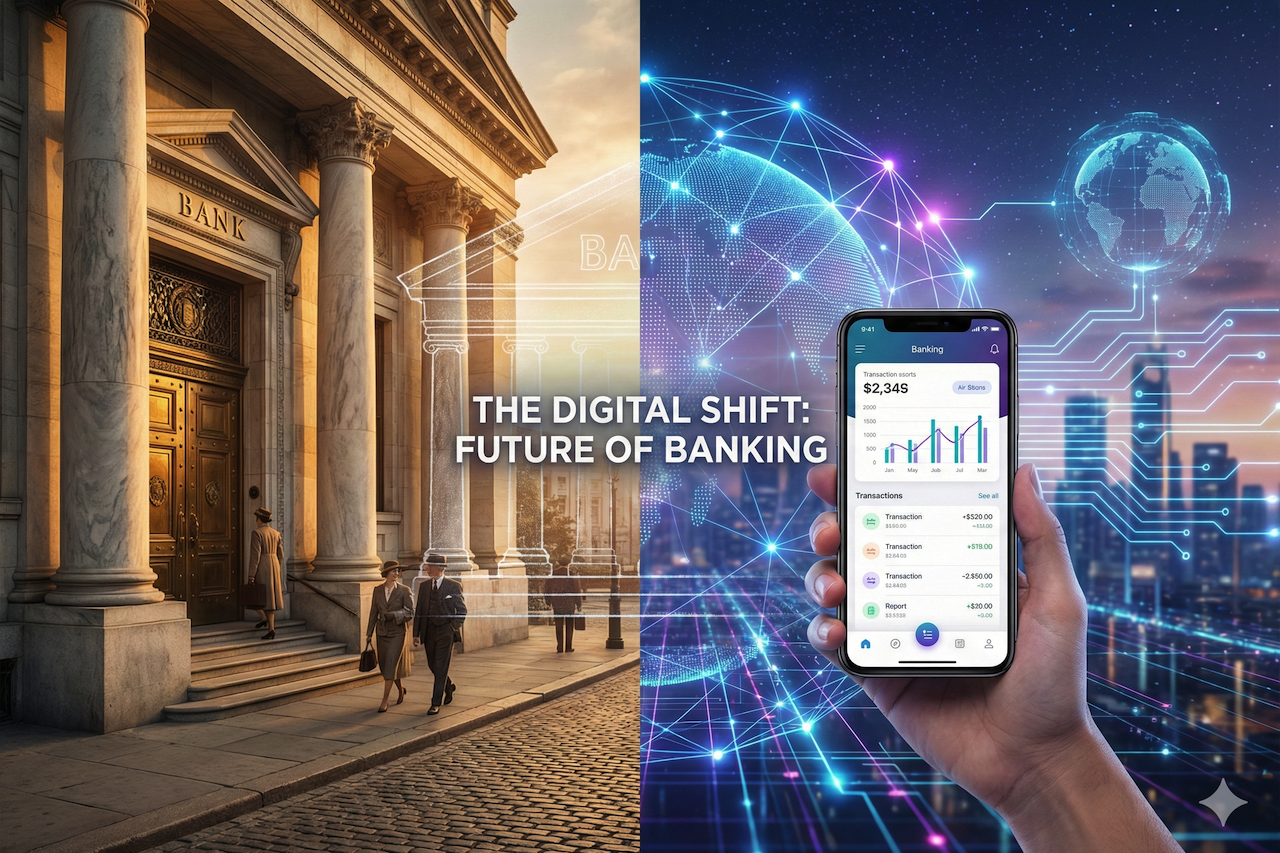
There was a time, not so long ago, when the local bank branch was the center of our financial lives. You knew the person behind the counter, and honestly, they likely knew your name too. It was a physical relationship defined by marble floors, heavy doors, and those particular, limited business hours. Today, that physical footprint is shrinking. A complex and invisible network of digital infrastructure is replacing it. This shift isn’t just about convenience. It is fundamentally changing the way we think about, access, and manage our money.