
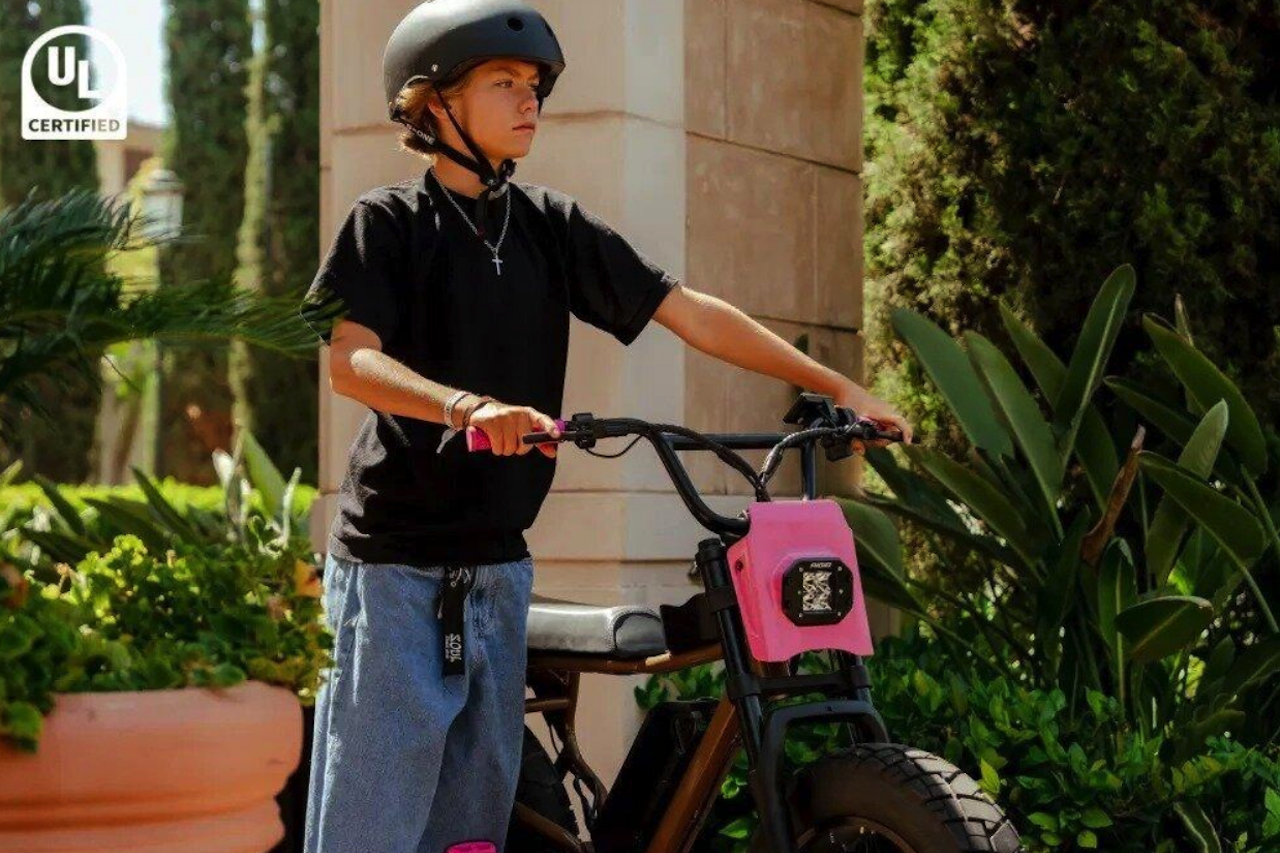
When choosing an electric bicycle for teenagers, parents need to ensure both safety and comfort. Young riders often face unique challenges when using these bicycles, and it's important to consider factors like ride comfort, power control, and battery life. Here are several key points to consider:
1. Safety Concerns
Electric bikes can reach higher speeds, and teenagers, who may lack traffic awareness and experience, might face an increased risk of accidents. Especially when riding at high speeds or in complex traffic environments, ensuring the child's safety becomes a major concern for parents.
2. Comfort Issues
Teenagers’ body types, strength, and riding needs differ from those of adults. If the e-bike design doesn’t prioritize ergonomic comfort, or if the seat, handlebars, and other components are uncomfortable, long rides can lead to fatigue. This could negatively impact their riding experience and discourage them from riding more often. Because their bones and muscles are still developing, ensuring comfort is crucial for maintaining long-term interest in riding.
3. Battery Life and Charging Convenience
Many riders often need e-bikes with long-range capabilities for daily commutes or trips. Insufficient battery life or complicated charging procedures can disrupt their plans. If the battery doesn't last for an entire trip or if charging takes too long, it may interfere with their ability to complete their activities. The battery design should be convenient to remove, charge, and replace, without causing frustration.
4. Design and Appeal to Teens
Beyond performance, comfort, and safety, the e-bike's design is also crucial. Teenagers often look for a teen ebike that is modern and sporty. If the bike looks outdated or plain, they might lose interest in using it. A stylish, eye-catching design will spark their enthusiasm and encourage more frequent use.
How to Choose an Electric Bicycle for Teenagers
1. Safety: Ensure Stability and Protection While Riding
Young riders may lack sufficient traffic awareness and experience while riding, so safety should be the top consideration when evaluating a a bike. It is recommended to look for e-bikes with the following safety features:
- Powerful Braking System: Rear disc brakes or hydraulic brakes are recommended to ensure the vehicle can stop quickly in emergencies and avoid collisions.
- Protection Design: Look for models with UL certification or other authoritative safety certifications to ensure the battery and motor systems meet safety standards and help prevent overload and overcharging.
- Speed Control: Adjustable speed modes are important, preferably with a Kids Mode that limits the top speed to 20 MPH.
2. Comfort: Provide a Better Riding Experience
Their bodies are still developing, so comfort and proper posture are crucial during rides. A bike with an ergonomic design can help reduce discomfort during long rides.
- Adjustable Seat and Handlebars: Ensure the bike's seat and handlebars can be adjusted to the teenager’s height and riding posture for improved comfort. For example, the Macfox X7 model features a curved seat tube design that reduces pressure on the back and hips, making it ideal for long rides.
- Suspension System: The bike should be equipped with front and rear suspension systems. Especially when riding on uneven terrain, it can effectively absorb vibrations and reduce impact on teenagers' bodies.
3. Power Control: Adapt to Teenagers’ Different Riding Needs
Teenagers often require power control during rides, especially when they need smooth acceleration rather than sudden bursts. When considering an electric bicycle, it is advisable to look for a model with a moderate motor and multiple assist levels:
- Motor Power: A motor power between 250W and 500W is generally recommended. This provides enough power for daily riding without being too strong, avoiding rapid acceleration that could cause safety risks.
- Adjustable Assist Modes: Models with multiple assist levels allow riders to adjust power based on experience. The lower assist level is suitable for beginners, helping them control their speed and power more easily, while the higher assist level is better for more experienced riders.
4. Battery Life: Ensure the E-Bike Meets Long-Distance Riding Needs
Many riders often need models with longer riding ranges for daily commutes or weekend leisure rides. Battery life should be considered based on the distance the rider needs to travel.
- Battery Capacity: Models with a 36V–48V battery system generally provide sufficient range. This ensures a range of 20-40 kilometers, suitable for long-distance rides.
- Removable Battery Design: A removable battery can make charging more convenient. The battery should also support fast charging to reduce waiting time.
5. Design and Appearance: Appeal to Teenagers' Interests
Teenagers often have higher demands for the appearance and design of electric bicycles. When evaluating a bike, pay attention to the modern and personalized design. A stylish e-bike that aligns with teenagers’ aesthetic preferences will spark their interest in riding and increase usage frequency.
- Streamlined Body: Many riders prefer bikes with a simple, streamlined design, which is usually more modern and meets teenagers' desire for individuality.
Conclusion
When selecting the best e-bike for teens, parents should consider multiple factors, including safety, comfort, power control, battery life, and design. Selecting a bicycle that meets teenagers' riding needs while providing an enjoyable experience will spark their interest in cycling and help them maintain a healthy lifestyle.
Share this post
Author

Read the latest articles from Thomas Lore
Nano Banana Pro API Integration Guide for Image Editing and Generation
April 23, 2026
Image workflows become difficult to maintain when editing and generation remain disconnected from the rest of the production process. Many teams can test an endpoint once, get a result, and call that success. Real integration starts later, when image requests repeat, output has to move through review, and the wor [...]
Learn moreTurning Raw IP Logs into Insights

April 16, 2026
Every second, servers across the internet generate millions of log entries—cryptic lines of text documenting every connection, request, and error. For network administrators, security analysts, and digital forensics investigators, these IP logs contain invaluable intelligence about traffic patterns, security th [...]
Learn moreLeave a comment
All comments are moderated. Spammy and bot submitted comments are deleted. Please submit the comments that are helpful to others, and we'll approve your comments. A comment that includes outbound link will only be approved if the content is relevant to the topic, and has some value to our readers.
Comments (0)
No comment