
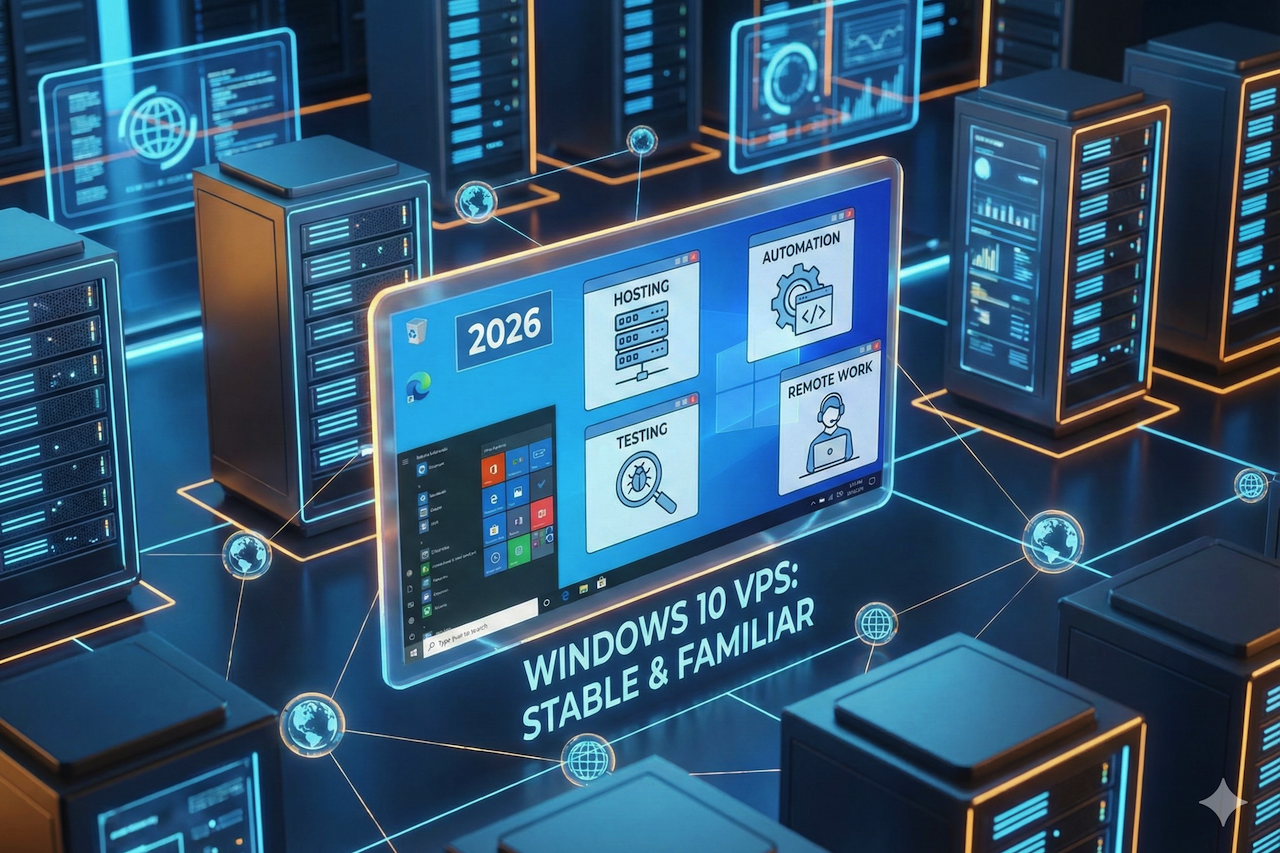
Windows 10 VPS environments remain very popular in 2026 for hosting, automation, testing, and remote work. Although newer versions of Windows are available, many virtual private servers worldwide still run on Windows 10 because it is stable, familiar, and compatible with the vast majority of software.
The guide provides an overview of recent global and security changes, along with real-world performance data on using Windows 10 VPS in the current environment.
Why Virtual Server Still Matters in 2026
Windows 10 virtual servers remain popular in many organizations for their balanced mix of modern features and long-term support. Consistency is usually more important in a virtualized environment than visual updates, which makes Windows 10 a valuable choice for a controlled workload.
Common use cases include:
- Remote desktop access for distributed teams
- Software testing and QA environments
- Hosting lightweight applications
- Running automation tools and scripts
- Secure access to region-specific services
For users managing workflows across multiple time zones, Windows virtual server still provides a familiar environment with a low learning curve.
How the Latest Global Updates Impact Virtual Server
Although Windows 10 is nearing the end of its extended support phase, Microsoft continues to release stability-focused updates that affect VPS environments worldwide.
Key update trends observed in 2026 include:
- Reduced background services to improve virtual performance
- Improved compatibility with modern hypervisors
- Better update throttling to prevent sudden resource spikes
- Enhanced RDP session stability for long-running connections
Many VPS providers now deploy optimized Windows 10 builds that remove unnecessary consumer features while preserving core system reliability.
Security Changes You Should Know
Security remains a primary concern for VPS users, and Windows 10 has quietly evolved in this area.
Notable improvements include:
- Stronger credential isolation for remote desktop sessions
- Improved protection against brute-force RDP attacks
- Smarter firewall defaults for virtualized networks
- More detailed event logging for intrusion detection
Similar to other regulated digital environments, VPS providers are increasingly adopting standardized security requirements to protect user data and access controls. This layered approach helps reduce the risk without adding unnecessary complexity for the end users.
Performance Insights from Real VPS Deployments
The performance of a virtual server depends less on the operating system and more on its configuration.
Key performance factors include:
- Allocated CPU cores and RAM
- SSD versus NVMe storage
- Network latency and bandwidth limits
- Hypervisor efficiency
In practice, Windows 10 can optimally implement VPS plans that assign dedicated resources rather than burst shared resources. Users of browser-based automation, development tools, or lightweight services report improved performance when unwarranted visual effects and background processes are disabled.
Basic operations such as turning off startup services or switching to classic system themes can significantly reduce CPU utilization in virtual machines.
Remote Desktop Experience in 2026
Remote Desktop Protocol (RDP) remains central to Windows 10 VPS usage.
Recent improvements focus on:
- Reduced input lag during extended sessions
- More stable clipboard and file transfer behavior
- Improved handling of high-latency connections
- Better display scaling for modern monitors
For users accessing a VPS from multiple countries, these changes result in fewer disconnects and more predictable session behavior.
Is Virtual Server a Future-Proof Choice?
While Windows 11 and newer server editions are gaining adoption, Windows virtual server still holds value for the users who prioritize:
- Broad software compatibility
- Predictable update cycles
- Lower system overhead
- Familiar administrative tools
Many providers now position Windows 10 virtual servers as a stable, mid-term solution for projects that do not require cutting-edge features but require reliability and control.
Practical Takeaway for VPS Users
Windows virtual server will remain a reliable virtualization environment, but may not be a legacy platform in 2026. It remains viable with remote operations, testing environments, and structured workloads, provided proper security settings, balanced resource allocation, and simple performance optimization.
The priority is not to adopt the latest version, but to choose a platform that remains consistent, controllable, and reliable over time.
Featured Image generated by Google Gemini.
Share this post
Author

Read the latest articles from Dileep Thekkethil
7 Benefits of a Play-Based and Inquiry-Driven Approach Kindergarten Education

June 5, 2026
Early childhood education thrives when curiosity meets thoughtful guidance within a supportive setting. A play-based and inquiry-driven approach creates space for children to explore ideas, express interests, and develop confidence through meaningful experiences. This educational style values exploration, [...]
Learn moreHow to Communicate Online Safely: IP Privacy, Network Security and Account Protection Tips
May 29, 2026
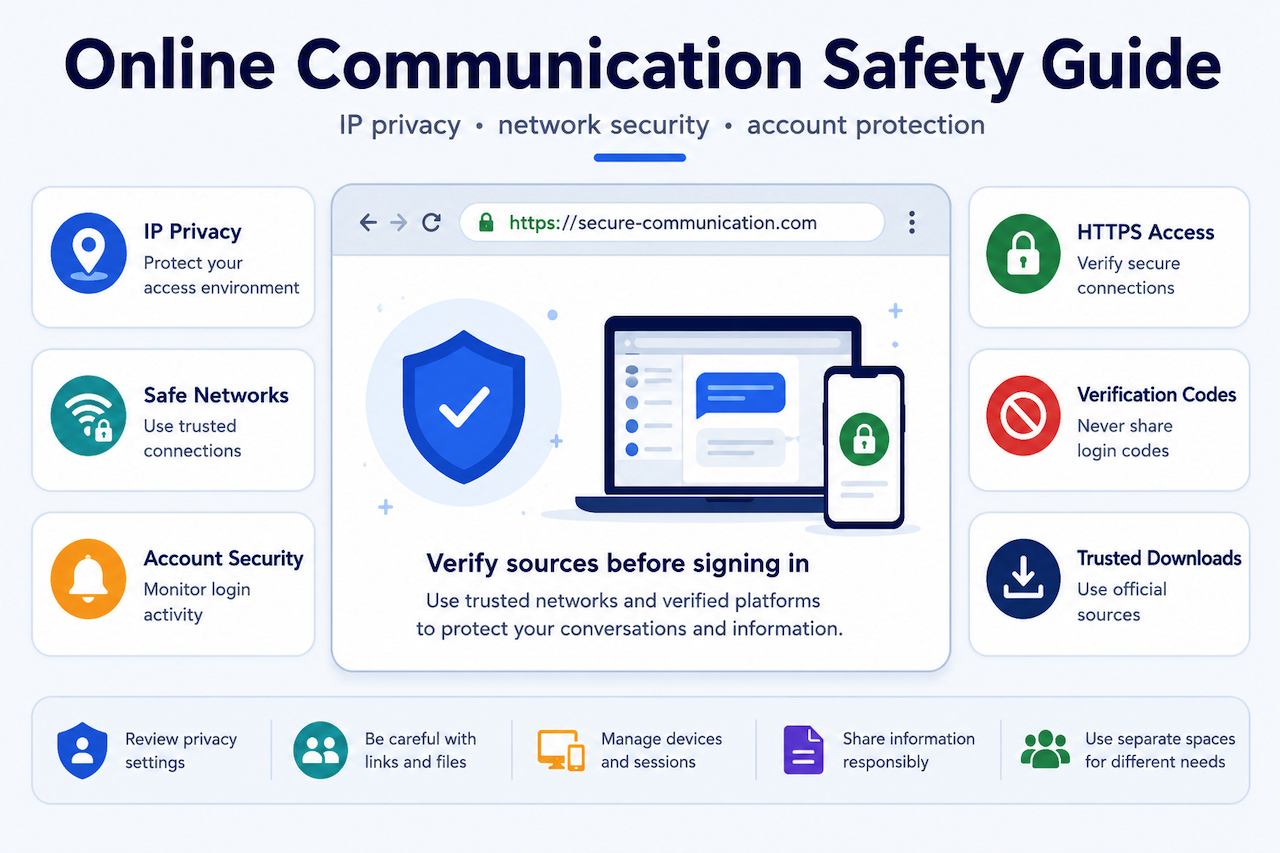
Online communication platforms are convenient, but users should also consider network safety, account protection, and source reliability before relying on them for important conversations. Messaging apps, collaboration tools, and online communities have become essential for personal communication, busines [...]
Learn moreLeave a comment
All comments are moderated. Spammy and bot submitted comments are deleted. Please submit the comments that are helpful to others, and we'll approve your comments. A comment that includes outbound link will only be approved if the content is relevant to the topic, and has some value to our readers.
Comments (0)
No comment