

Early childhood education thrives when curiosity meets thoughtful guidance within a supportive setting. A play-based and inquiry-driven approach creates space for children to explore ideas, express interests, and develop confidence through meaningful experiences. This educational style values exploration, dialogue, and reflection rather than rigid instruction or memorization.
Kindergarten schools continue to gain strong recognition across global learning communities, particularly among families who value balanced development and inquiry-based educational practices. These institutions emphasize holistic growth by encouraging curiosity, social confidence, and thoughtful exploration through carefully guided play experiences. The discussion ahead highlights seven core benefits that explain why play-based inquiry continues to gain recognition across kindergarten programs.
1. Curiosity That Drives Genuine Understanding
Play-based inquiry places natural curiosity at the heart of early childhood education practices. Children ask questions, test ideas, and reach conclusions through guided exploration rather than passive information intake. This method builds understanding through hands-on interaction with materials, peers, and educators. Knowledge gained through inquiry remains memorable because experiences hold personal meaning.
Teachers guide exploration carefully while allowing children to direct investigative paths. This balance supports intellectual confidence without academic pressure. Curiosity-led learning improves attention spans across diverse classroom activities. The approach respects developmental readiness while encouraging thoughtful participation.
2. Social Growth Through Purposeful Interaction
Purposeful play situations encourage cooperation, communication, and empathy among young learners. Children negotiate roles, share resources, and solve disagreements within structured classroom environments. These interactions strengthen emotional awareness and respectful expression. Inquiry activities frequently require teamwork, which nurtures listening skills and a sense of shared responsibility.
Social confidence grows through repeated positive peer engagement. Educators observe interactions closely to guide constructive responses. Classrooms become cooperative communities rather than competitive spaces. Strong social foundations support smooth transitions into future academic settings.
3. Confidence Built Through Choice and Voice
Inquiry-driven classrooms provide children with choices that reflect personal interests. This autonomy supports confidence through ownership of tasks and ideas. Children learn that opinions matter when educators thoughtfully acknowledge their contributions. Decision-making opportunities encourage responsibility and accountability at an early age.
Mistakes become an accepted part of the discovery process, allowing children to explore ideas without emotional stress or discouragement. Such learning environments reduce fear of failure through consistent, supportive feedback and patient educator guidance. Confidence strengthens gradually when progress feels self-directed and personally meaningful within classroom experiences. This sense of agency influences long-term academic motivation positively by reinforcing trust in individual abilities.
4. Cognitive Development Supported by Thoughtful Play
Play-based inquiry enhances cognitive growth through problem-solving opportunities. Children analyze situations, predict outcomes, and adapt strategies during exploration activities. This process strengthens memory, reasoning, and flexible thinking.
Educators design play scenarios that challenge ideas appropriately while respecting developmental readiness and individual learning pace. Abstract concepts become accessible through concrete experiences that enable children to visualize and experiment with confidence. Children connect new information with existing knowledge naturally through repeated exploration and guided reflection.
Key cognitive outcomes include:
- Improved reasoning through trial and reflection
- Stronger language use during collaborative inquiry
- Enhanced attention through engaging, purposeful tasks
5. Language Skills Strengthened Through Exploration
Inquiry-driven play encourages rich verbal exchange among children and educators. Vocabulary expands naturally through discussion, questioning, and storytelling activities. Language development accelerates when communication serves a clear purpose. Children practice expressive speech within meaningful contexts.
Listening skills improve through peer dialogue and shared exploration. Educators model precise language while encouraging articulation. Literacy foundations are strengthened through playful interaction with symbols and stories. These skills support later academic communication success.
6. Cultural Awareness Through Shared Learning Experiences
Play-based inquiry encourages children to explore different perspectives through stories, traditions, creative activities, and collaborative experiences. A kindergarten school may incorporate diverse cultural elements that help children develop respect, empathy, and an appreciation for diversity from an early age.
Inquiry encourages questions about similarities and differences without judgment, allowing respectful understanding to develop naturally. Educators guide discussions with sensitivity and balance while acknowledging diverse viewpoints within learning spaces. Children learn to value different experiences and perspectives, helping them develop inclusive attitudes that extend beyond the classroom into everyday social interactions.
7. Emotional Wellbeing Through Balanced Expectations
Play-based inquiry supports emotional well-being by reducing performance pressure. Children engage with tasks at comfortable paces suited to individual readiness. Emotional expression receives validation through supportive guidance. Inquiry allows children to revisit ideas without penalty.
Educators emphasize progress rather than comparison, allowing each child to develop confidence without unnecessary pressure. This environment builds resilience through safe experimentation that encourages thoughtful risk-taking. Emotional security enhances willingness to participate in classroom activities with greater confidence. Well-being remains central to sustainable educational growth throughout early learning stages.
Conclusion
A play-based and inquiry-driven approach offers meaningful benefits across cognitive, social, emotional, and cultural domains. This philosophy aligns with education values that prioritize balanced development and lifelong curiosity. Families exploring kindergarten schools often seek environments that respect individuality while supporting curiosity, inclusion, and personal growth. Such approaches prepare children for future academic journeys through confidence, understanding, and emotional strength.
Featured Image generated by ChatGPT.
Share this post
Author

Read the latest articles from Dileep Thekkethil
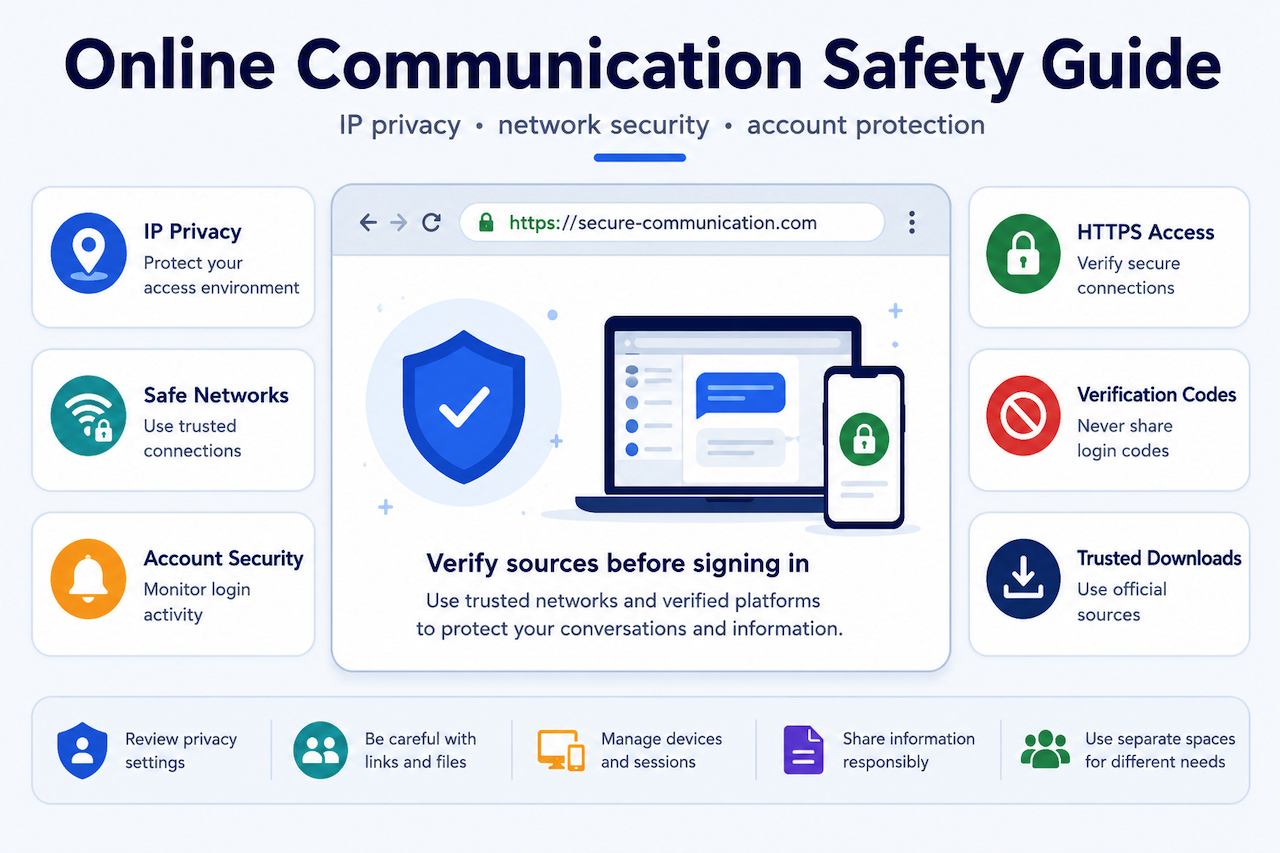
How to Communicate Online Safely: IP Privacy, Network Security and Account Protection Tips
May 29, 2026
Online communication platforms are convenient, but users should also consider network safety, account protection, and source reliability before relying on them for important conversations. Messaging apps, collaboration tools, and online communities have become essential for personal communication, busines [...]
Learn moreBenefits of Custom Software for Business Process Automation

May 6, 2026
Modern businesses rely on smooth, efficient workflows to stay competitive and organized. Custom software has become a powerful tool for automating repetitive tasks and reducing manual effort across departments. It is designed specifically to match unique operational needs, ensuring every process runs with [...]
Learn moreLeave a comment
All comments are moderated. Spammy and bot submitted comments are deleted. Please submit the comments that are helpful to others, and we'll approve your comments. A comment that includes outbound link will only be approved if the content is relevant to the topic, and has some value to our readers.
Comments (0)
No comment