
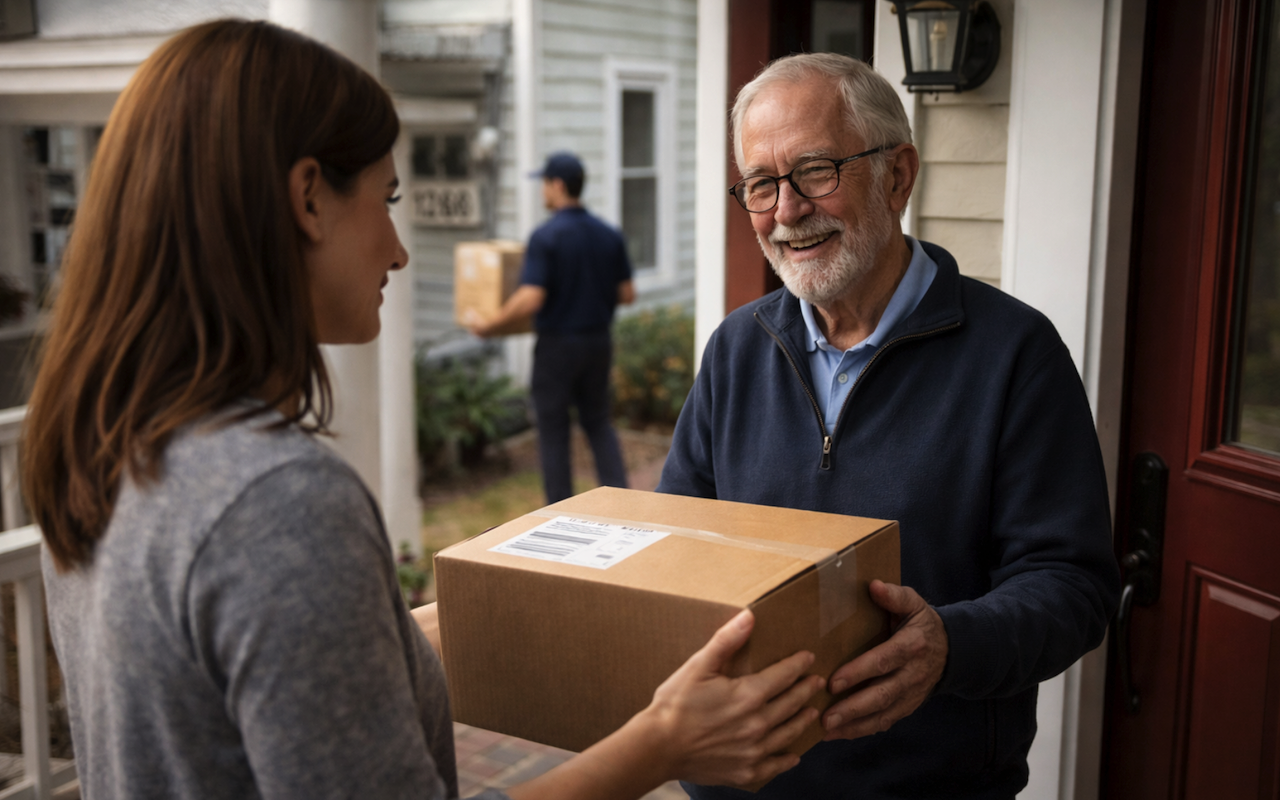
Few delivery moments are more confusing than seeing a “Delivered” status while staring at an empty doorstep. You double-check the address, look around the porch, refresh tracking, and still find nothing. Then comes the realization many shoppers experience at least once: the package may be next door. While this situation feels like a mistake, it is often the result of how modern delivery actually works, especially in dense neighborhoods, apartment complexes, and suburban streets, where efficiency and judgment calls shape the final moments of a delivery.
How Last-Mile Delivery Really Works
The final stage of delivery, often called the last mile, is where human decisions matter most. Drivers work under tight schedules, complex routes, and real-world conditions that rarely match ideal assumptions. Addresses may be poorly marked, GPS signals may be inaccurate, and buildings may look nearly identical. In these moments, drivers rely on experience and practical judgment to complete deliveries safely and efficiently. Leaving a package with a trusted neighbor is sometimes preferred to leaving it exposed or attempting a redelivery later.
Shared Spaces and Ambiguous Addresses
Many deliveries go to places where boundaries are not as clear as they appear on a map. Townhouses with shared walls, duplexes with similar entrances, and apartment buildings with multiple units often create confusion. Even when the address is correct, the physical layout may suggest a different delivery point. In these cases, drivers may leave a package with a nearby resident who appears available, especially if previous deliveries in the area have followed the same pattern. What feels like a mistake to the recipient is often a consistent local practice.
Security Over Precision
Contrary to popular belief, leaving a package with a neighbor is often a security-driven decision. Drivers are trained to avoid leaving items in places where theft or damage is likely. A covered porch, a friendly neighbor, or a secure lobby desk may be safer than an unattended doorway. From the driver’s perspective, the priority is not perfect placement but successful delivery. When faced with a choice between risk and relocation, many drivers choose the option that best protects the package, even if it adds a layer of confusion for the recipient.
Time Pressure and Route Optimization
Modern delivery routes are optimized down to the minute. Drivers handle dozens or even hundreds of packages per shift, often following dynamic routes that change throughout the day. If a recipient is unavailable or access to the exact delivery point is blocked, stopping to attempt repeated contact may not be feasible. In these situations, leaving the package with a neighbor allows the route to continue without delay while still completing the delivery. This practice helps keep the broader delivery network running smoothly, even if it creates a short-term puzzle for one household.
Why Tracking Doesn’t Always Explain the Choice
Tracking systems report outcomes, not decisions. When a package is marked delivered, the system confirms completion, but rarely explains how or where it was left. Details such as “left with neighbor” may appear inconsistently or not at all, depending on the carrier and local practices. This lack of context often amplifies frustration. Without knowing the rationale for the delivery method, recipients are left guessing, even though the package is nearby and secure.
Neighborhood Patterns Drivers Learn Over Time
Delivery drivers often become familiar with the neighborhoods they serve. They learn which buildings have unreliable access, which doors are rarely answered, and which neighbors routinely accept packages for others. Over time, informal systems develop. A neighbor who regularly receives packages for the building may become a trusted fallback, even without an explicit arrangement. These patterns are invisible to recipients but deeply embedded in daily delivery routines.
How Unified Tracking Helps Fill the Gaps
When delivery information is fragmented across carriers or lacks detail, understanding what happened becomes more complicated than it needs to be. Unified tracking platforms help by consolidating updates from multiple systems into one place, reducing confusion during moments like these. Tools such as trackingpackage.com let users see the full delivery context rather than isolated status messages. While they cannot change where a package is left, they can make it easier to confirm delivery timing and narrow down what likely happened next.
What to Do Before Assuming the Worst
Although discovering a neighbor's delivery can be unsettling, it is rarely a sign of loss. Checking nearby doors, building lobbies, or asking adjacent residents often resolves the situation quickly. Many packages reappear within minutes once communication replaces assumption. Understanding that this practice is common helps reduce unnecessary worry and prevents premature support requests that rarely change the outcome.
Why This Practice Is Becoming More Common
As delivery volumes increase and urban living becomes denser, flexibility in the last mile is essential. Strict, one-size-fits-all delivery rules would slow routes, increase failed deliveries, and create more delays overall. Allowing drivers limited discretion, including the option to use neighbors as secure intermediaries, helps maintain system speed and reliability. What feels inconvenient in isolation often supports efficiency at scale.
When Neighbor Delivery Crosses the Line
While neighbor delivery is standard, it is not always appropriate. High-value items, sensitive documents, or explicit delivery instructions may require stricter handling. Most carriers provide ways to specify preferences, such as signature requirements or hold-at-location options. Using these features can reduce the likelihood of neighbor delivery when privacy or security is a priority.
Seeing Delivery Through a Wider Lens
Modern delivery is shaped by human judgment, environmental constraints, and the need to balance speed with safety. A package delivered to a neighbor is rarely the result of carelessness. More often, it reflects a decision made under pressure to protect the shipment and keep the route moving. When viewed through this lens, the experience becomes less about error and more about adaptation.
From Confusion to Understanding
Finding your package at a neighbor’s door can feel like a breach of expectations, but it is usually a sign that the delivery system did its job effectively. By understanding why these decisions happen, recipients can approach such moments with less stress and more clarity. In a delivery world built on flexibility rather than rigid rules, the final handoff sometimes looks different from what was expected, yet still ends with the same result: your package arriving safely, just a few steps away.
Share this post
Author

Read the latest articles from Thomas Lore
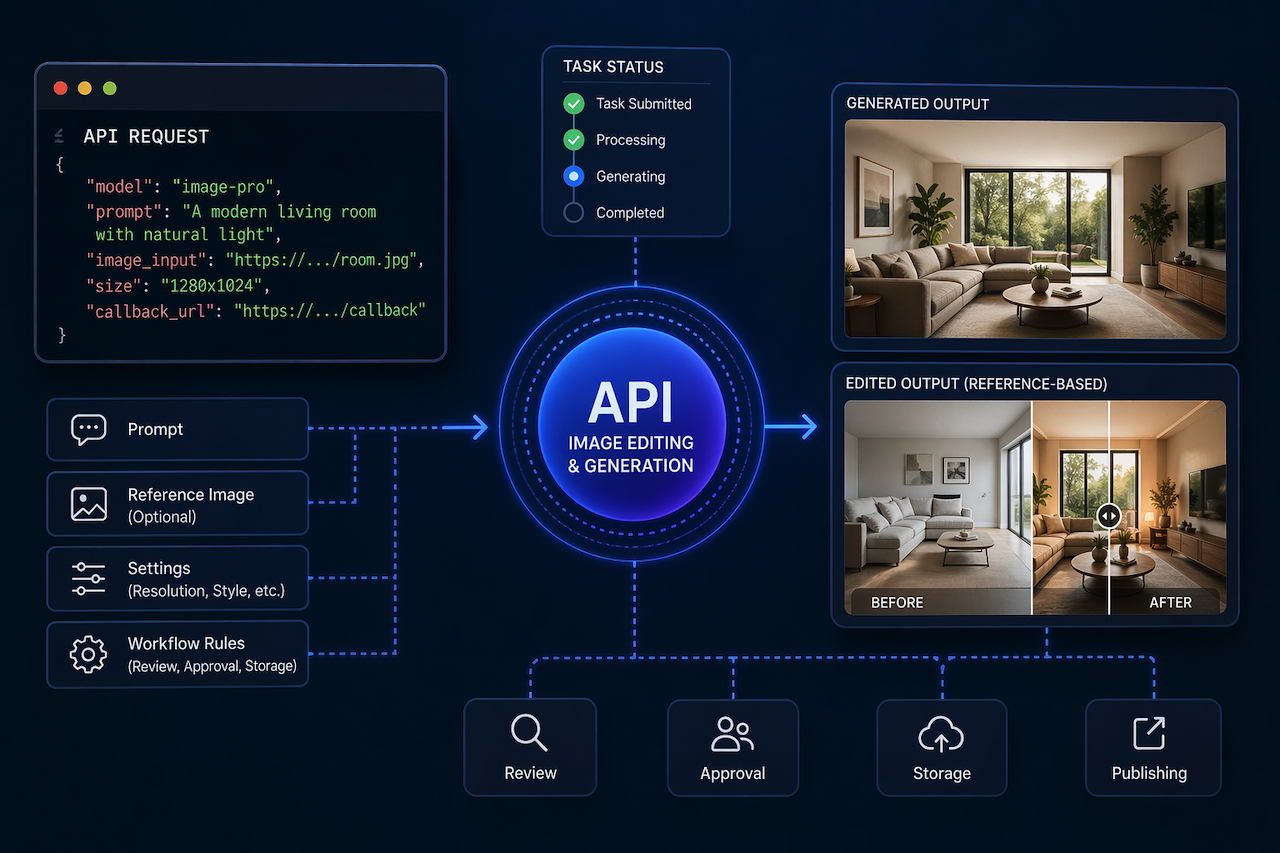
Nano Banana Pro API Integration Guide for Image Editing and Generation
April 23, 2026
Image workflows become difficult to maintain when editing and generation remain disconnected from the rest of the production process. Many teams can test an endpoint once, get a result, and call that success. Real integration starts later, when image requests repeat, output has to move through review, and the wor [...]
Learn moreTurning Raw IP Logs into Insights

April 16, 2026
Every second, servers across the internet generate millions of log entries—cryptic lines of text documenting every connection, request, and error. For network administrators, security analysts, and digital forensics investigators, these IP logs contain invaluable intelligence about traffic patterns, security th [...]
Learn moreLeave a comment
All comments are moderated. Spammy and bot submitted comments are deleted. Please submit the comments that are helpful to others, and we'll approve your comments. A comment that includes outbound link will only be approved if the content is relevant to the topic, and has some value to our readers.
Comments (0)
No comment